Planning a Serengeti safari tour can be thrilling yet overwhelming, especially when it comes to choosing the perfect time to go. With the Serengeti’s diverse ecosystems and incredible wildlife phenomena, timing your visit right can make all the difference. Let’s explore how to select the best time of the year for your unforgettable Serengeti adventure.
Understand the Serengeti Seasons for Serengeti safari tour
The Serengeti experiences two main seasons: the dry season from June to October and the wet season from November to May. Each season offers distinct experiences and wildlife sightings.
In the dry season, the Serengeti’s expansive plains transform into bustling wildlife hotspots. As water sources dwindle, animals congregate, offering exceptional viewing opportunities. This is also when the weather is most predictable, making it a popular time for visitors.
On the flip side, the wet season brings life and vibrancy to the Serengeti. The landscape turns lush and green, attracting a variety of birds and mammals. If you enjoy rich scenery and can tolerate occasional showers, this period can provide a unique safari experience. For more info visit here!
Spot the Great Migration
One of the most compelling reasons to visit the Serengeti is to witness the Great Migration. For this, consider visiting between January and March, when calving happens, or from June to July, as the wildebeest begin their dramatic river crossings.
The Serengeti Wildebeests Migration is one of nature’s most awe-inspiring events. Watching vast herds moving in unison across the plains is a spectacle that draws wildlife enthusiasts from around the globe.
For a truly magical experience, a Balloon safari in Serengeti during the migration allows you to float above the herds as they traverse the Savanna, offering unmatched views and photographic opportunities.
Consider Weather Preferences
The dry season offers more predictable weather and easier wildlife spotting, as animals gather around water sources. Conversely, the wet season boasts lush landscapes and fewer crowds, with the added benefit of bird watching.
Temperature fluctuations are minimal, but the dry season is typically more comfortable for outdoor activities. If rainfall doesn’t bother you, the wet season’s affordability and quieter parks can be quite appealing.
If you’re an avid photographer, the lush backdrop of the rainy season can enhance photographic safaris in Serengeti, providing some of the most vibrant and dynamic images for your portfolio.
Factor in Budget and Availability
Peak travel times can be more expensive and require early booking. If you’re traveling on a budget, consider the shoulder months of April and May, which offer lower rates and ample wildlife opportunities.
During the less busy months, not only can you enjoy discounted rates, but you’ll also experience a more personal encounter with the Serengeti’s majestic wildlife as visitor numbers decrease significantly.
Opting for the low season can allow you to extend your stay, indulge in more activities, or upgrade accommodations without breaking the bank. Perfect for family vacations in Serengeti.
Seek Local Recommendations
Engage with local tour operators for personalized advice on the best times to visit, as they have firsthand knowledge of seasonal changes and wildlife patterns.
Our local experts are keen to offer insider tips, ensuring your Serengeti safari tour is both fulfilling and unforgettable. Their knowledge of the park’s pulse is invaluable when planning your dream safari.
From arranging unique experiences like Sundowners in Serengeti to spotting elusive wildlife, their expertise provides the foundation for a successful Serengeti adventure.
Frequently Asked Questions (FAQs)
Q1. What is the best month to visit the Serengeti for a safari tour?
A. The best months for a Serengeti National Park safari are usually from June to October. During this dry season, animals gather around water sources, making wildlife easier to spot. The weather is also more comfortable for game drives and photography.
Q2. When can I see the Great Migration in the Serengeti?
A. The famous wildebeest migration happens throughout the year in different parts of the Serengeti. Many travelers prefer June to August for river crossings, while January to March is ideal for the calving season. Each period offers a different safari experience.
Q3. Is the rainy season good for a Serengeti safari tour?
A. Yes, the rainy season can still be a great time to visit the Serengeti. The landscape becomes green and beautiful, and there are usually fewer tourists in the parks. It is also a good season for birdwatching and budget-friendly safari packages.
Q4. Which season is best for seeing predators in the Serengeti?
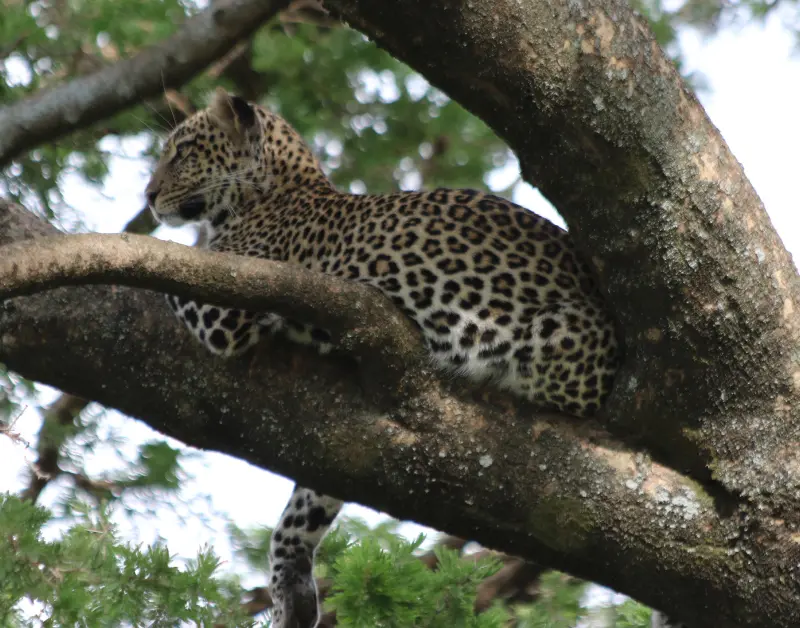
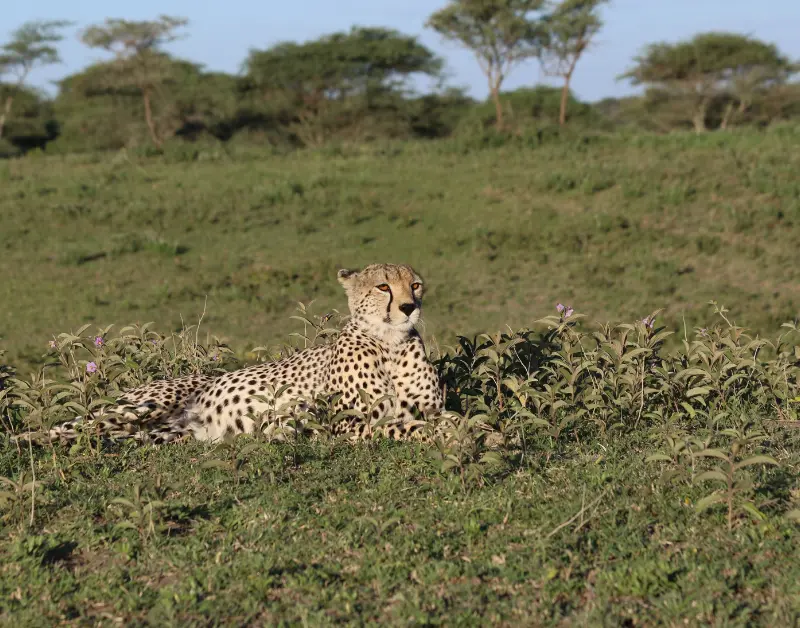
A. The dry season is often the best time to see lions, cheetahs, and leopards in action. Animals gather in open areas near rivers and waterholes, making predator sightings more common. Early morning and evening game drives are especially rewarding.
Q5. How do I choose the right safari season for my travel goals?
A. Your ideal safari time depends on what you want to experience during the trip. If you want migration action, choose the migration months, while the dry season is better for wildlife viewing in general. Travelers looking for quieter and cheaper trips may enjoy the green season more.
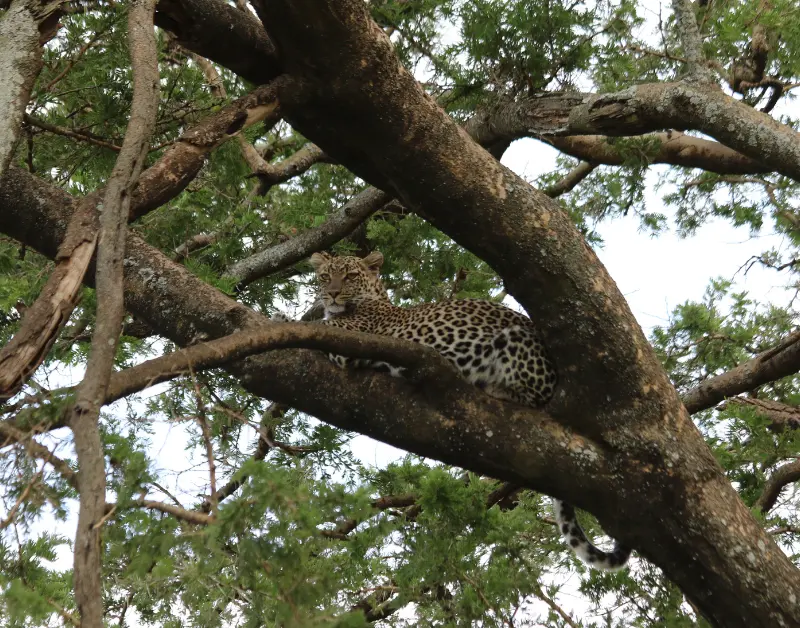
Choosing Your Perfect Serengeti Timeframe
In conclusion, choosing the best time for your Serengeti safari tour depends on what you hope to experience. Whether it’s the Great Migration, lush green landscapes, or dry, wildlife-abundant plains, there’s a perfect season waiting just for you. Consider the factors and decide what suits your interests and travel style the best. For detailed itineraries and personalized safari planning, visit our homepage to start your journey.