Selecting the right destination for your African safari can be as thrilling as the safari itself. Each region offers a unique tapestry of wildlife and landscapes. Eastern Africa is famed for its vast grasslands and the Great Migration, while Southern Africa offers intimate wildlife encounters in lush settings. Consider what you wish to see and experience, as this will guide your choice. Countries like Kenya and Tanzania are celebrated for their iconic savannahs and concentrations of wildlife, making them ideal for first-time safari-goers. Meanwhile, Botswana and Namibia provide a more off-the-beaten-path experience, with unique desert landscapes and water-based safaris.

Timing is everything when it comes to planning an African safari. The dry season, generally occurring from May to October, offers the best wildlife viewing opportunities. Animals are often found congregating around water sources, making them easier to spot. However, the wet season brings its own beauty, transforming the landscape into a vibrant, green paradise and welcoming a burst of new life with many species giving birth.
Packing for your African safari is about balancing practicality with preparedness. Lightweight, breathable clothing in neutral colors is advisable, not just for comfort but to blend into the natural surroundings. Don't forget a warm jacket for those chilly morning game drives and a good quality sun hat to protect against the African sun. Equally important are binoculars for wildlife spotting and a good camera to capture the moments. It's also wise to include a sturdy pair of binoculars, as they become indispensable when scanning the horizon for elusive wildlife. Pack lightly but thoughtfully, considering the activities you're planning and the environment you'll be exploring.
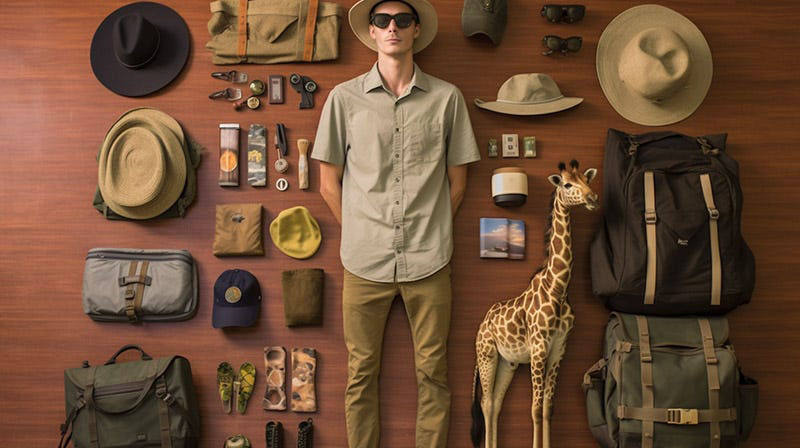
When it comes to choosing where to stay during your African safari, options abound from luxury lodges to tented camps. Luxury lodges offer the utmost comfort with amenities like spa services and gourmet meals, providing a serene place to relax after a day of adventure. Tented camps, on the other hand, offer an authentic safari experience that gets you close to nature without sacrificing comfort. Consider what level of ruggedness you're comfortable with and choose accordingly.
Safaris offer incredible encounters with wildlife, but it's crucial to remember that you are a visitor in their home. Always maintain a respectful distance from animals and follow your guide's instructions closely. Avoid loud noises or sudden movements that could startle wildlife. Remember, the safety of the animals, as well as your own, should always come first.
Photography on safari can be as rewarding as it is challenging. Early morning or late afternoon light provides the best conditions for capturing wildlife in their natural habitat. A lens with a focal length of at least 200mm is recommended for close-ups. Don't forget to enjoy the moment, though; sometimes, the best memories are those that are experienced, not captured.

An African safari offers a profound glimpse into the wonders of the natural world, but it also highlights the importance of conservation. Many safari operators contribute to conservation efforts, and by choosing to travel with those who do, you're supporting the protection of these majestic landscapes and their inhabitants. Remember, responsible tourism ensures that future generations can also experience the magic of an African safari.
As the sun sets on your African safari adventure, reflecting on the memories created and the beauty witnessed, it's hard not to feel a deep connection to this enchanting land. Every roar, every sunset, and every moment of awe binds you to Africa in a way that's impossible to forget. Embarking on an African safari is more than a trip; it's an immersive journey that leaves an indelible mark on your heart and soul.

The best time for Mount Kilimanjaro Climbing is during the dry seasons, which are from January to March and from June to October. These months offer the most favorable weather conditions for climbing, with less rainfall and clearer skies. January and February are particularly popular months for climbing because they offer the best chances for clear, unobstructed views and stable weather. The months of June to October are also good for climbing, as they are also dry and relatively warm. Avoid climbing during the rainy seasons of April, May, and November, as the trails are more slippery, and the views are often obstructed by clouds.
Mount Kilimanjaro experiences two main weather patterns: the dry season and the wet season. The dry season, from late June to October, has clear skies and less rainfall, making it the best time for climbing. The wet season, from March to May, has heavy rainfall and muddy trails, making it more challenging for climbers. January and February are another good time for climbing, with clear skies and fewer crowds. However, weather conditions can always be unpredictable, so it's essential to be prepared for any changes.

The best months for climbing Kilimanjaro are typically January, February, and September. These months offer the most stable weather conditions, with lower chances of rainfall and clearer skies. January and February are the warmest months, and September is also a great time for climbing as it's cooler and less crowded than the peak seasons. June to August are also popular months, but they tend to be busier and colder. March to May is the rainy season and not recommended for climbing due to the high precipitation, muddy trails, and limited visibility.
The off-peak seasons for climbing Kilimanjaro are from April to May and November. During these times, there is less foot traffic on the mountain, which means you can enjoy a quieter and more exclusive experience. However, it's important to be aware that the weather can be more unpredictable during these months, with a higher chance of rain and colder temperatures. It's also worth noting that some routes, such as the Northern Circuit and Lemosho, are less affected by the weather changes and are good options to consider during the off-peak seasons.
Peak season for climbing Kilimanjaro typically falls between January and March and June to October. During these months, the weather is milder and more stable, making it easier to trek. With clearer skies, you also have a better chance of enjoying the stunning views from the summit. However, the downside is that the mountain can be quite crowded during these months, which may affect the overall experience. Additionally, prices for tours and accommodations are usually higher during peak season.
When planning your Kilimanjaro climbing trip, it's crucial to find the right tour operator. Here are a few key points to consider when selecting a tour operator: A reliable tour operator will have experienced guides who are familiar with the mountain and can ensure your safety throughout the journey. Look for operators that have a good track record of successful climbs and positive customer reviews. Consider the level of customer service and communication provided by the tour operator, as this can greatly impact your overall experience. It's important to choose a tour operator that offers transparent pricing and includes all necessary fees in the package. Lastly, make sure the tour operator is registered and licensed by the relevant authorities to ensure the legitimacy of their services.
Peak climbing seasons for Mount Kilimanjaro are typically from January to March and June to October. These periods offer the best weather conditions and the highest success rates for summiting. January and February are particularly popular due to the clear skies and less precipitation. During peak season, the routes tend to be busier, but you'll benefit from optimal climbing conditions and breathtaking views. If you're considering planning your trip during these periods, it's advisable to book your climb and accommodations well in advance to secure your spot.
If you're planning to climb Kilimanjaro during the off-peak season, be prepared for colder weather and more unpredictable conditions. The off-peak climbing months of April, May, and November generally have fewer tourists, lower prices, and quieter trails. However, it's important to pack and dress accordingly for the colder temperatures, potential rainfall, and less predictable weather patterns. Make sure to bring appropriate cold-weather gear, waterproof clothing, sturdy hiking boots, and sufficient layers to stay warm and dry during your climb. Keep in mind that the off-peak season may offer a more solitary experience, but it's essential to be well-prepared for the potentially challenging weather conditions.
Make sure to bring the following gear essentials for your Kilimanjaro climbing trip: Hiking boots: Look for waterproof and sturdy boots with ankle support. Layers of clothing: Bring lightweight, moisture-wicking base layers, insulating mid-layers, and a waterproof outer layer. Sleeping bag and sleeping mat: Choose a sleeping bag suitable for below-freezing temperatures and a comfortable mat for insulation from the ground. Headlamp or flashlight: Essential for navigating in the dark during early morning summit attempts. Trekking poles: Provide balance and reduce the strain on your knees during descents. Sun protection: Sunglasses, sunscreen, and a wide-brimmed hat to shield from the strong sun at high altitudes. Hydration system: Consider a hydration bladder or water bottles to ensure you can access water throughout your hike.
After considering all the factors, the best time to climb Kilimanjaro is during the dry season, from June to October. This period offers the most favorable weather condition, the clearest visibility, and the highest success rates for summiting. Additionally, it's important to choose a reputable tour operator and ensure that they provide adequate acclimatization days to increase your chances of reaching the top. If you’re looking to avoid the crowds, consider scheduling your trek for the quieter months of November or March. Lastly, remember to take the necessary precautions and stay hydrated throughout the climb.
Tanzania is a wonder-packed place for safari adventures. Here, you witness nature in its rawest form - from towering giraffes munching on acacia trees to lions lounging after a hunt. The country offers a plethora of national parks and game reserves, each with its unique allure. Among these, the Serengeti National Park, Ngorongoro Conservation Area, and Selous Game Reserve are jewels in Tanzania's crown, showcasing vast herds of wildebeest, breathtaking craters, and the mighty Rufiji River teeming with hippos and crocodiles. Each safari destination in Tanzania has its magic. Imagine yourself roaming the endless plains of the Serengeti, catching the spectacular wildebeest migration, or getting up close with the Big Five. The best part? Tanzania's safari experiences cater to all - whether you're a hardcore adventurer seeking the thrill of a walking safari or someone looking for the luxury of a lodge with panoramic views of the African bush. Dive into the heart of Tanzania with us as we explore what makes this country a top-tier safari adventure destination.
Serengeti National Park isn't just a name; it's a promise of an unrivaled adventure. This vast land, stretching over 14,763 square kilometers, brims with life, hosting the greatest wildlife spectacle on earth - the Great Migration. Picture this: millions of wildebeest, zebras, and gazelles traveling across plains and rivers, in a life-or-death journey to find fresh grazing. It's raw. It's real. And it happens here, every year, making Serengeti a bucket-list destination for any safari lover. Beyond the migration, the Serengeti is home to an impressive array of wildlife - lions, elephants, giraffes, and more, exist in their natural habitat, offering day-long game viewing that's hard to match. And when the sun dips below the horizon, the park transforms. Nighttime safaris reveal a different side of the Serengeti, where nocturnal creatures come out to play, and the sky fills with stars. Choosing the Serengeti for your safari adventure means choosing to witness nature in its most genuine form. Remember, the park is vast, and each area offers a unique experience, from river crossings to calving grounds. So, pack your bags, charge your camera, and step into the wild. The Serengeti doesn't just offer a safari; it offers the safari of a lifetime.
Ngorongoro Crater is not your average tourist spot. This place is a real-deal natural wonder, a UNESCO World Heritage Site, and a must-see for anyone thinking of a safari adventure in Tanzania. Picture this: a massive volcanic crater acting as a natural enclosure for some of Africa's most iconic wildlife. It's like stepping into a whole new world where lions, rhinos, elephants, and zebras roam freely, and you're just there, in awe. What makes Ngorongoro unique is its dense concentration of wildlife in a relatively small area. The crater floor, being a flat expanse, gives you the chance to spot a wide variety of animals in their natural habitat without venturing far. Whether you're an avid nature lover or just someone looking for a stunning place to take the family, Ngorongoro Crater doesn't disappoint. It's a blend of breathtaking landscapes, rich wildlife, and the raw beauty of nature undisturbed by the modern world. Don't just take my word for it, seeing is believing, and Ngorongoro Crater needs to be seen to be believed.
Tarangire National Park earns its title as the Elephant Haven, and for good reason. It's a spot where you get up close with herds of elephants, more than you'd imagine. Imagine hundreds of these majestic creatures roaming freely, a sight that's as thrilling as it is touching. But elephants aren't the only stars of the show here; this park is a haven for various wildlife, making it a must-visit for animal lovers. During the dry season, the Tarangire River becomes the main source of water in the area, which attracts an array of animals, including zebras, giraffes, and buffaloes, creating a spectacle not to be missed. What sets Tarangire apart, aside from its elephant population, are the ancient baobab trees, towering and robust, painting a unique landscape that serves as the backdrop to your safari adventure. Photography enthusiasts and nature lovers alike find this place a dream, with its vivid landscapes and rich wildlife. Going to Tarangire is more than just a safari; it's an experience of being in the midst of nature's marvels, where every glance holds a story waiting to be discovered.
Selous Game Reserve is where safari adventure meets the untamed. Not as famous as Serengeti yet equally thrilling, Selous boasts an authentic safari vibe without the crowds. This vast reserve covers 50,000 square kilometers, making it one of the largest protected areas in Africa. What sets Selous apart is its game viewing by boat on the Rufiji River. Imagine cruising past hippos, crocodiles, and birds you've only seen in documentaries. On land, it's a haven for elephants, lions, leopards, and the rare African wild dogs. Unlike the northern parks, Selous feels more adventurous because fewer tourists venture here. Don't miss a walking safari—experience nature up close, guided by experts who ensure your safety and share insights into the ecosystem. Selous is not just about big animals; it's about feeling part of the wilderness. Best visited from July to October when the dry season draws animals to water sources, making them easier to spot. If you're after an escape from the typical, packed-with-tourists safari, Selous is your ticket to an unforgettable journey.
Ruaha National Park is not as famous as Serengeti, but it's a treasure for those who find it. This park is huge, giving animals a lot of room to roam, making your safari feel exclusive. Here, you can spot lions, elephants, and rare antelopes without bumping into loads of other tourists. The best part? The dry season from June to October is perfect for wildlife viewing. It’s not just the animals that are impressive; the park's rivers swell in the rainy season, creating stunning landscapes. Ruaha offers a safari with both thrill and solitude. It’s an adventure where the wild, untamed parts of Tanzania show their true colors. If you're after a safari adventure that feels like your own discovery, Ruaha is the place to go.
Seeing the Great Wildebeest Migration isn't just an event; it's an unforgettable life moment. Picture over a million wildebeest, along with hundreds of thousands of zebras and gazelles, all moving together across the vast landscapes of Tanzania and Kenya. This spectacle is considered one of nature’s greatest shows on Earth. It usually happens between July and October when these animals move in search of fresh water and grass. But, remember, nature doesn't follow a calendar, so these months can vary. What’s really thrilling is witnessing the courage of these animals as they cross crocodile-infested rivers and avoid predators like lions, hyenas, and leopards, all vying for a meal. The Serengeti National Park in Tanzania is the best spot to witness part of this migration. It gives you not just the view of this incredible journey but also of breathtaking sunsets and a sky full of stars at night. Get your camera ready, because every moment is a breathtaking shot waiting to be captured. Being part of this experience connects you deeply with the wild and the natural cycles of life. It’s a reminder of the raw beauty and power of nature.
The best time to go on a safari in Tanzania is during the dry season, from late June to October. This period offers the best wildlife viewing opportunities because the animals congregate around water sources, making them easier to spot. Plus, the lack of rain means fewer mosquitos and clearer safari paths. However, if you're keen on witnessing the Great Migration, aim for July to September when wildebeest, zebras, and gazelles move in massive herds. Another good time is from January to February, ideal for seeing predator action as animals give birth during this period, attracting predators. Remember, each season offers a unique experience, but for sheer animal abundance and ease of travel, the dry season stands out.
When you're gunning for the ultimate safari adventure experience in Tanzania, smart planning is key. Here's what to keep in mind. First off, timing is crucial. Aim for the dry season, from late June to October, when wildlife is easier to spot. Next, pick your parks wisely. Serengeti and Ngorongoro are must-visits for first-timers, but don't overlook the under-the-radar gems like Selous and Ruaha for a more intimate encounter with nature. Consider your budget but remember, sometimes you get what you pay for. High-end lodges offer unparalleled comfort and prime locations, but there are mid-range options that don't skimp on the experience. Also, think about how you want to explore. Jeep safaris are standard, but walking safaris and even hot-air balloon rides offer thrilling perspectives. Lastly, work with a reputable tour operator. They can make or break your trip, so choose one that's knowledgeable and respects the environment and local cultures. Plan right, and you're in for an adventure that you'll talk about for years.
Tanzania stands unmatched when it comes to offering an epic safari adventure. Here’s why it should top your travel list. First, Tanzania is home to the Serengeti National Park and the Ngorongoro Crater, boasting some of the most diverse and dense concentrations of wildlife on the planet. Imagine waking up to the sound of lions roaring in the distance or watching herds of elephants roam freely – that’s a regular day here. Plus, Tanzania hosts the annual Great Migration, where millions of wildebeest, zebra, and gazelle traverse its plains, creating a spectacle unmatched anywhere else in the world. For those chasing the Big Five – lions, leopards, elephants, buffalo, and rhinos – there's no place better. And let’s not forget, Tanzania’s friendly people, rich cultures, and stunning landscapes, from the peaks of Kilimanjaro to the beaches of Zanzibar, add layers to your safari that go beyond just wildlife. Whether you're a seasoned explorer or a first-time adventurer, Tanzania promises an unforgettable journey that will leave you awe-struck and yearning to return. So, when planning your next safari adventure, look no further than Tanzania - a destination that combines thrill, culture, and natural beauty like no other.
When choosing a safari adventure, it's essential to consider the type of wildlife you want to see and the experience you're looking for. Some popular safari destinations include Serengeti National Park in Tanzania, Maasai Mara National Reserve in Kenya, and Kruger National Park in South Africa. Each destination offers unique landscapes and a diverse range of wildlife. It's crucial to research each destination's offerings and compare them to your preferences to ensure you choose the right safari destination for an unforgettable experience.
When packing for a safari, it's crucial to bring essential items that will make your adventure comfortable and enjoyable. According to safari experts, the following items should be at the top of your packing list: Lightweight, breathable clothing that can be layered for varying temperatures Comfortable, sturdy walking shoes or boots Sunscreen, sunglasses, and a wide-brimmed hat for sun protection Insect repellent to ward off mosquitoes and other pests Binoculars for wildlife observation Camera and extra batteries to capture unforgettable moments Personal medications and a first aid kit for emergencies Remember to pack light and consider the weather conditions of your destination when selecting your clothing and gear.
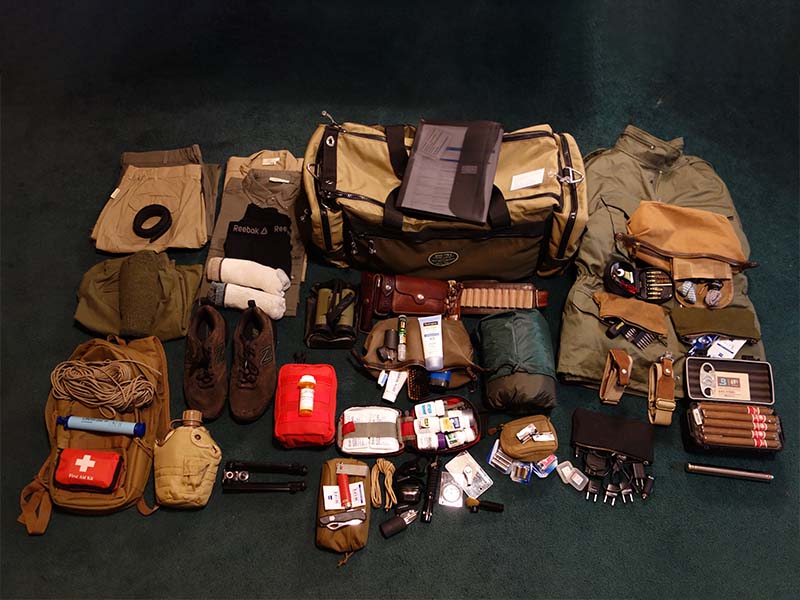
Safari accommodation options can vary widely, from luxury lodges and tented camps to budget-friendly guesthouses. Here are a few options for you to consider: Luxury lodges: These offer high-end amenities and services, including gourmet meals, spa facilities, and personalized safari experiences. Tented camps: A more authentic safari experience, where you can stay in comfortable tents with ensuite bathrooms and enjoy the sounds of nature. Budget-friendly guesthouses: These are ideal for travelers on a tighter budget, offering basic yet comfortable accommodation options. Each option has its own unique charm and caters to different preferences and budgets.

Safari experts recommend using binoculars for a closer look at animals without disturbing them. Binoculars with a magnification of 7x to 10x are ideal for wildlife viewing. Additionally, wearing neutral-colored clothing and avoiding bright colors can help you blend into the surroundings and observe animals without causing them stress. Lastly, maintaining a quiet and respectful demeanor during the safari contributes to a more authentic and immersive wildlife experience.
When on a safari, it's important to follow certain etiquettes and safety measures to ensure a smooth and enjoyable experience. Here are some key points to keep in mind: Respect the wildlife and environment by maintaining a safe distance and following your guide's instructions. Always listen to your guide and stay inside the vehicle unless given permission to exit. Avoid making sudden movements or loud noises that could startle the animals. Pack appropriate clothing and gear for sun protection, insect repellent, and possible weather changes. Be mindful of the local customs and traditions, and show respect for the local community and their surroundings. Observing these etiquettes and safety measures will help you have a memorable and respectful safari adventure.
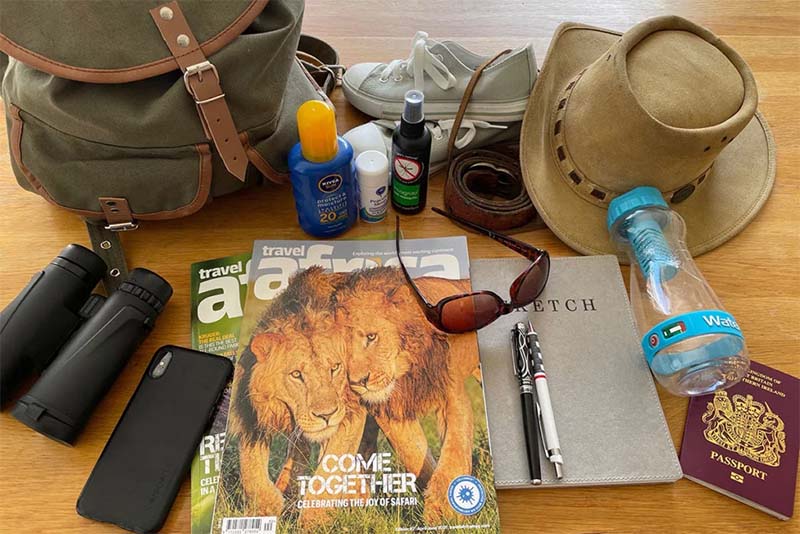
When capturing photos on a safari, it's important to be prepared with the right gear. Here are some photography tips and gear recommendations to make the most of your safari adventure: Telephoto Lens: A telephoto lens is essential for capturing wildlife from a distance. Look for a lens with a focal length of at least 300mm for optimal results. Sturdy Tripod: A sturdy tripod is crucial for stabilizing your camera and capturing sharp images, especially during low light conditions or when using a heavy telephoto lens. Camera Bag: Invest in a durable camera bag that can protect your gear from dust, bumps, and adverse weather conditions during the safari. Extra Batteries and Memory Cards: Ensure you have plenty of extra batteries and memory cards to avoid missing out on capturing the perfect shot. Camera Cleaning Kit: Dust and dirt are common on safari, so a camera cleaning kit will help you keep your gear in top condition. Binoculars: Apart from your camera gear, a good pair of binoculars will help you spot wildlife and plan your shots in advance. By having the right gear and following these photography tips, you'll be well-equipped to capture stunning wildlife moments during your safari.

When on safari adventure, immerse yourself in the local culture by interacting with the indigenous people and learning about their traditions and way of life. Engaging with locals can provide valuable insights and enrich your safari experience. Be respectful and open-minded when interacting with the local community, and always seek permission before taking photos. Visitors are encouraged to support local artisans and vendors by purchasing handmade crafts or products, contributing to the local economy while also acquiring unique souvenirs.
Transportation and travel arrangements for a safari are crucial for a successful and enjoyable adventure. It's essential to consider the following factors when planning your safari travel: Mode of Transportation: Choose between a traditional game drive in a safari vehicle, a walking safari with experienced guides, or a combination of both for a diverse experience. Airport Transfer: Arrange for transfers from the airport to your accommodation and back. Some lodges and safari camps offer complimentary transfer services. Internal Flights or Ground Transfers: Depending on your safari destination, you may need to book internal flights or ground transfers to reach remote wildlife areas. Travel Insurance: Ensure you have comprehensive travel insurance that covers medical emergencies, trip cancellations, and potential safari-related risks. Visa and Entry Requirements: Check visa and entry requirements for the countries you'll be visiting and obtain necessary travel documents in advance.

When preparing for the physical demands of a safari, it's important to be ready for long days of walking and standing. You'll also need to be comfortable with being in a vehicle for extended periods of time, as that's how you'll travel through the safari. Here are some things to keep in mind: Wear comfortable and sturdy walking shoes to handle different types of terrain. Dress in light, breathable layers to stay cool during the day and warm at night. Consider the physical demands of activities such as hiking and wildlife tracking. Stay hydrated and carry snacks to keep your energy up throughout the day. Be prepared for bumpy rides during game drives and be mindful of any physical limitations you may have during the safari experience.
You've spent so much time planning and preparing for your safari adventure, and now it's time to make the most of it. Here are some key points to keep in mind to ensure you have an unforgettable experience: Be present: Take in every moment and soak up the beauty of the wildlife and landscapes around you. Show respect: Always follow the guidelines provided by your safari guide and respect the wildlife and their habitats. Capture memories: Whether it's through photography or journaling, find a way to preserve the memories of your safari adventure. Reflect and share: After your safari, take some time to reflect on your experiences and share them with others. It's a great way to keep the memories alive and inspire others to go on their own safari adventures.
Kilimanjaro trekking isn't just a hike; it's a journey that invites you on an adventure like no other. Standing as Africa's tallest peak, Kilimanjaro reaches skyward at 19,341 feet. It whispers a challenge to those bold enough to face its slopes. This mountain isn't just about pushing your limits physically; it offers a unique chance to connect deeply with nature. You start at the base, where the air is thick and the world lush, and ascend through five distinct climate zones. Imagine walking from the tropics to the Arctic in a matter of days. Each step upwards brings new scenery, from dense rainforest to alpine desert, until you reach the icy summit. The journey to Kilimanjaro's peak is steeped in personal triumph and natural wonder. It's not about the peak alone but also about the paths you'll walk, the wildlife you'll spot, and the sunrises that paint the sky in hues you've never seen before. Whether you're an avid adventurer or someone looking to test their limits, Kilimanjaro Trekking offers a once-in-a-lifetime experience that will change how you see the world around you. It's not just a mountain; it's a monument to the beauty of our planet and what we can achieve when we dare to step outside our comfort zone.

Climbing Kilimanjaro isn't just another hike; it's a journey through a tapestry of ecosystems, each with its own unique vibe and inhabitants. Starting in the lush rainforests at the base, where the air hums with the calls of monkeys and exotic birds, you're thrust into a world teeming with life. As you ascend, the forests give way to heath and moorland, a brush-stroked landscape, home to sturdy plants and flowers that manage to thrive despite the thinning air. Pushing further, you'll enter the alpine desert zone, a stark contrast to the greenery below, where the ground is nearly barren, yet it possesses a stark beauty of its own. Finally, reaching the summit zones, you're greeted by ice and snow, a realm where few living things can survive. This Kilimanjaro Trekking is not just a physical challenge; it's an exploration of Earth's incredible biodiversity. Each ecosystem layers atop the last, creating a journey that's as much about witnessing the planet's beauty and resilience as it is about testing your own limits.
Climbing Kilimanjaro is no easy feat, but it’s doable with the right preparation. First things first, focus on your physical health. You don’t need to be an elite athlete, but improving your stamina through activities like hiking, running, or cycling is crucial. Aim for exercises that mimic the endurance needed for a day on the mountain. Next, gear up properly. Invest in quality hiking boots, a warm sleeping bag, and layers of clothing to tackle the varying temperatures. Don’t skimp on a good backpack, sun protection, and a water purification method. Finally, understand the mountain. Research the different routes, as each offers unique challenges and sceneries. Familiarize yourself with the symptoms of altitude sickness; knowing how to recognize and deal with it can make or break your trek. Remember, Kilimanjaro Trekking is as much about enjoying the journey as it is about reaching the summit. Pack your patience, respect the mountain, and prepare to be transformed by the beauty of nature and the thrill of adventure.
Trekking Kilimanjaro is not just a walk in the park. It pushes you to your limits, both physically and mentally. Physically, the climb demands stamina and perseverance. You’re looking at Kilimanjaro Trekking through five different climate zones – from tropical rainforest to arctic conditions as you near the summit. This means your body must adapt quickly to changing temperatures and altitudes, which can be tough even for seasoned adventurers. Altitude sickness is a real challenge, and symptoms can range from mild headaches to severe nausea. You'll need to acclimatize properly to beat it. Mentally, the journey is equally demanding. Doubts may creep in, especially during the tough ascent in the dark, cold hours before dawn to reach the summit. It’s here that your mental strength is tested. You need to keep pushing, despite the fatigue, the cold, and the altitude. It’s a battle of mind over matter. Yet, overcoming these challenges is what makes reaching Uhuru Peak, the highest point, so rewarding. It’s not just about the physical achievement but the mental resilience you’ve built along the way. You come back transformed, with a new respect for nature and a stronger belief in your own capabilities
Hiking Kilimanjaro is not just a climb. It's a deep dive into nature's untouched beauty, showing you wonders that few have the privilege to witness. As you tread its paths, you're not just walking on earth; you're walking among clouds, wildlife, and landscapes that seem painted by the very hand of creation. This journey snaps you out of the everyday digital blur, offering you a front-row seat to the raw, unfiltered theater of nature. You'll breathe air so fresh it redefines your understanding of "clean," and see skies so clear, they'll make every sunset after, seem a tad less spectacular. The whisper of the wind through the trees, the chatter of distant wildlife, the crunch of gravel underfoot - it all tunes you into the planet's natural frequency. Mountain slopes serve as a reminder of the earth's towering strength and its calm resilience, inspiring the same within you. Kilimanjaro Trekking is not merely a physical challenge; it's an intimate encounter with the natural world, transforming how you view adventure, urging you to respect and protect the wonders of our earth.

Kilimanjaro Trekking is more than just a climb; it's a dive into a rich cultural tapestry. As you set foot on this mighty mountain, you're not just a visitor; you're part of a larger story. The local communities living around Kilimanjaro hold centuries of history and traditions that offer a unique perspective on life. Meeting the locals transforms your trek into an educational journey. You learn about their ways of life, their traditions, and how they harmonize with nature. This interaction is an eye-opener. It’s not just about reaching the summit; it’s about connecting with people who have a profound relationship with this land. You come back enriched, not just with memories of the landscapes but with stories and friendships that last a lifetime. Respect for nature and understanding of different cultures broadens your view. That connection to the mountain and its people leaves a lasting impact, transforming how you see nature and adventure.
Kilimanjaro Trekking is more than just a physical journey; it's a powerful teacher. First, you learn resilience. The mountain throws unpredictable weather, steep trails, and thinning air at you. You might want to quit, but you push through. This teaches you that you're stronger than you think. Second, patience is key. Reaching the summit doesn't happen overnight. It's about steady progress, taking one step at a time. You learn to appreciate the slow moments and understand that not everything in life is about racing to the finish line. Third, respect for nature gets instilled deeply. Up there, amidst vast landscapes untouched by modern life, you realize the importance of preserving our environment. You see the impact of climate change first-hand and why we must act to protect such places. These lessons from Kilimanjaro are bigger than the mountain. They're about how we approach life, challenges, and the planet itself.
Kilimanjaro Trekking is not just a hike; it's a journey that reshapes how you see adventure and nature. The mountain stands as Africa's highest peak and presents a challenge that draws people from all corners of the globe. Climbing it, you'll push past your limits, face tough conditions, and learn resilience. As you ascend through five different climate zones — from rainforest to arctic — you witness the planet's diversity in a single mountain. This experience changes you. Many who've reached Uhuru Peak say they come down with a deeper respect for nature and a new understanding of what it means to adventure. The mountain teaches that adventure isn't about conquering nature, but living within it and learning from it. On Kilimanjaro, you're part of something bigger, and you realize adventures are not just about adrenaline but about connection and transformation.

Trekking Kilimanjaro opens your eyes to the delicate balance of nature and the importance of conservation efforts. As you make your way up the mountain, you'll see firsthand the diverse ecosystems and how everything from the smallest insect to the tallest tree plays a role in the environment's health. This journey isn't just a physical challenge; it's a call to action. By witnessing the impacts of climate change and human activity on these lands, many trekkers leave with a heightened sense of responsibility towards our planet. Efforts such as litter picking and sticking to marked trails become second nature, aiming to leave as little impact as possible. Local conservation initiatives benefit too, as a portion of trekking fees goes towards preserving this magnificent mountain. Understanding the fragility of these ecosystems encourages us to live more sustainably and advocate for policies that protect our natural world. Your Mt Kilimanjaro Trekking becomes more than an adventure; it's an educational experience that molds you into an ambassador for the environment.
Climbing Kilimanjaro is more than just a trek; it's an unforgettable journey that reshapes how you see nature and adventure. This mountain, Africa's tallest, throws challenges and rewards at you in equal measure. At the top, the sense of achievement is unmatched. It's not just about reaching the summit; it's about the personal growth and the deeper connection to nature you develop along the way. You'll face physical limits, but the beauty of the landscapes, from rainforests to glaciers, and the camaraderie among climbers make every step worth it. The Kilimanjaro Trekking experience teaches resilience, respect for nature, and the importance of stepping out of your comfort zone. It's a transformative adventure that stays with you long after you've descended.

The Great Migration is a sight to behold, a natural phenomenon that paints the East African savannah with the strokes of wildlife drama. Imagine over two million wildebeests, zebras, and gazelles, in a relentless pursuit of water and fresh grazing grounds, moving across the Serengeti and Maasai Mara ecosystems. This event is not just movement; it's a survival march that occurs annually, drawing a global audience eager to witness nature's raw beauty and the circle of life in real-time. What makes the Great Migration a wonder isn't just the numbers, but the fierce survival instinct driving these animals across dangerous territories, braving predators and challenging climates. Observing this event is like watching a live documentary, only there's no screen separating you from the action. It's a showcase of the power, beauty, and sometimes, the brutality of nature.
Choosing Serengeti lodges and tented camps for your safari tosses you right into the heart of the wilderness, but with all the comforts you'd expect from a top-tier holiday. Here's the kicker: you're not just a spectator in nature's grand theater; you're living in it. Imagine waking up to the sound of lions roaring in the distance or watching a herd of elephants stroll by your room. That's the unbeatable experience lodges and camps in the Serengeti offer. You're smack-dab in the middle of the action. These accommodations range from the luxurious, with fine dining under the stars, to the comfortably rustic, giving you a genuine bush experience. Plus, their locations are strategic. You get the best spots for game drives, meaning you're always at the forefront of witnessing the Great Migration, one of Earth's most spectacular wildlife events. And don't forget the guided tours and bush walks. You'll get insights from locals who know these lands inside and out. Choosing to stay in a lodge or camp isn't just about where you spend the night. It's about making your safari vivid, immersive, and memorable beyond your wildest dreams.
When planning a trip to witness the awe-inspiring Great Migration in the Serengeti, deciding where to stay is a big part. You get two main choices: lodges and tented camps. Here's what you need to know. Lodges are like hotels in the wilderness. They're usually made of sturdy materials and offer the comfort of standard hotels, with rooms that have private bathrooms, beds, and sometimes, a balcony overlooking the savannah. These are great if you want a comfy stay without losing the feeling of being in the wild. On the other hand, tented camps give you a more authentic safari vibe. Don't think basic tents; these can be quite luxurious. Tented camps allow you to hear the sounds of nature at night - from the roar of lions to the calls of night birds. They range from the basic, which is closer to camping, to the ultra-luxurious, with plush beds, en-suite bathrooms, and even private decks. Tented camps connect you more with the environment and are perfect for those wanting to experience the wild more intimately. So, lodges offer more traditional comfort, while tented camps provide a direct line to nature. Your choice depends on what kind of experience you're looking for.
The best time to visit for the Great Migration is from July to September. This is when you get to witness millions of wildebeest, zebras, and gazelles make their dramatic crossing over the Mara River. It's nature's live show, and you don't want to miss it. The spectacle comes with heart-pounding moments as these animals face hungry crocodiles and fast currents to reach greener pastures on the other side. But remember, the Serengeti is full of life year-round. If you can't make it during this peak period, there's still plenty to see. From December to March, you can watch the calving season—an equally impressive event where hundreds of thousands of calves are born. Just know, timing is everything if you're aiming for the migration. But the Serengeti's open arms welcome visitors any time with its vast landscapes and abundant wildlife. So, whenever you go, you're in for a treat.
Selecting the perfect Serengeti lodge or tented camp comes down to three main things: location, budget, and your travel style. Location is key. Some spots are better for seeing the Great Migration, so think about when you’re going. Budget matters too. Prices can range from fairly affordable to ultra-luxury. Decide how much you're willing to spend. Then, it's about your travel style. Do you want luxury or something more rugged and close to nature? Some camps move with the migration, offering an up-close experience, while lodges might provide more comfort and amenities. Do your research, read reviews, and maybe talk to a travel expert to find that perfect spot in the Serengeti.
When you're planning to witness the epic Great Migration in the Serengeti, where you stay makes all the difference. Imagine waking up to the sound of thousands of wildebeest moving across the plains or watching a sunset with silhouettes of giraffes in the distance. For the best experience, some lodges and tented camps stand out because they place you right at the heart of the action. Serengeti Serena Safari Lodge harnesses a blend of luxury and nature, offering panoramic views while ensuring comfort in the wild. Four Seasons Safari Lodge Serengeti is for those who desire no compromise on luxury. With an onsite watering hole, you can watch animals visit for a drink from your room. Mara River Tented Camp positions you superbly for the river crossing spectacle. Located in the remote Lamai triangle, it offers an exclusive slice of the migration. Lastly, Singita Faru Faru Lodge redefines opulence with its contemporary African decor and strategic location for game viewing. Each of these places ensure you’re not just a spectator but a part of the timeless journey across the Serengeti.
For your Serengeti safari, packing right is key. You're there to witness one of nature’s grandest shows, the Great Migration, so let's make sure you're prepared. Firstly, remember, days can be hot and nights cool. Light, breathable clothing is a must, but so is a warm jacket or sweatshirt for evenings. Always pack comfortable walking shoes. This isn't a fashion show; it's about your comfort and being able to move freely. Don't forget a good hat and sunglasses to protect you from the sun. Since you'll be in the wild, insect repellent and sunscreen are essentials. It's not just about the animals; protect yourself from sunburn and bug bites. Bring a durable, high-quality camera or binoculars. You’re there to see wildlife up close, and these tools can make or break your experience. Lastly, pack a sense of adventure. Serengeti isn't just a place on the map; it's an experience waiting to amaze you. With these in your bag, you’re all set for an unforgettable adventure.
The Serengeti isn't just about witnessing the Great Migration; it's a sanctuary for a diverse array of wildlife and a center for important conservation efforts. Here, you'll find lions resting after a hunt, elephants wandering with their families, and giraffes nibbling on treetops. But it's not all about the spectacle; the region faces challenges like poaching and habitat loss. Conservation efforts are crucial to keeping the Serengeti thriving. Initiatives include anti-poaching patrols, community outreach to promote living in harmony with wildlife, and projects that help protect the habitat for the future. By choosing lodges and tented camps that support these efforts, you're contributing to the preservation of this incredible ecosystem. So, when you're marveling at a cheetah speeding across the plains or the vast herds of wildebeest, remember that your visit helps sustain these sights for generations to come.
Beyond watching the breathtaking Great Migration, there’s more to explore around Serengeti lodges and tented camps. Ever thought about floating in a hot air balloon at sunrise? This is your chance. Experience the Serengeti from above, where the earth merges with the sky, offering a view like no other. After touching back down, join guided walks. Walk among the wild, led by experienced guides who know the land like the back of their hand. It’s not just a walk; it’s a lesson in the little wonders of the wild. For those craving more adrenaline, some camps offer biking trails. Imagine pedaling through the savannah, a unique blend of thrill and nature. And as the sun sets, don’t miss out on a sundowner. Sip on your favorite drink as the sun kisses the horizon, painting the sky with colors you’ll find nowhere else. Each activity around the Serengeti lodges and tented camps invites you into the heart of the wild, introducing you to its rhythm, its beauty, and its untamed spirit.
When planning your trip to witness the Great Migration up close, timing is everything. Aim for the dry season, between July and October, when the migration is in full swing and the animals are on the move. Next, choosing where to stay is crucial. Serengeti offers a range of options from luxury Serengeti lodges to immersive tented camps. Consider your comfort level and budget. For the best experience, book well in advance; these places fill up quickly during peak season. Don't skimp on research. Look into the location of Serengeti lodges and camps in relation to the migration patterns. Some spots offer front-row seats to river crossings, while others excel in big cat sightings. Engage a reputable tour operator familiar with the Serengeti. They can navigate the complexities of the park and enhance your chances of witnessing epic moments. Remember, this adventure is all about the experience, so prioritize your desires and plan accordingly. Safe travels!
The Serengeti is a massive, sprawling ecosystem that's as wild as it is vast and best for classic tours. Spanning Northern Tanzania and into Kenya, it's the quintessential image of the African savanna, complete with thundering herds of wildebeest, stealthy predators in wait, and skies that stretch into forever. This place isn't just another travel destination; it's the heart of wild Africa, beating with rhythm of nature's most impressive spectacles. Here, the Great Migration rules the calendar, a yearly event where over two million animals, including wildebeest, zebras, and gazelles, move in a massive loop in search of fresh grazing grounds. Predators like lions, leopards, and hyenas aren't far behind, making it one of the most dramatic natural events on the planet. But the Serengeti isn't just about the migration. It's a year-round haven for wildlife enthusiasts, offering up close encounters with the Big Five (lion, leopard, rhinoceros, elephant, and Cape buffalo) among countless other species in their natural habitat. When you step into the Serengeti, you're stepping into a world that has thrived unchanged for millennia. It's a journey to the raw power and beauty of nature, a reminder of the wildness that once covered much of the Earth. Welcome to the Serengeti.
Classic tours in the Serengeti are all about getting you up close with nature in its most untouched form. They usually involve guided expeditions through the vast plains of the Serengeti, where you can witness the breathtaking wildlife and stunning landscapes. These tours are designed to give you a real taste of the African safari experience, with opportunities to see the iconic Big Five (lion, leopard, rhinoceros, elephant, and Cape buffalo) in their natural habitat. Typically, classic tours include drives at dawn and dusk when animals are most active, comfortable accommodations in the middle of the wild, and informative talks by experienced guides who share insights about the ecosystem and conservation efforts. It's all about immersive experiences, learning, and respect for nature. Think of classic tours as your gateway to understanding and appreciating the beauty and complexity of the Serengeti.
The Serengeti is a vast ecosystem in Tanzania known for its annual migration of over 1.5 million wildebeest and numerous other species. If you're planning a classic tour of this magical place, timing is crucial. The best time to visit the Serengeti for the migration spectacle is from late June to October. During these months, the dry season takes hold, water sources become scarce, and the animals converge on the remaining waterholes, making wildlife viewing exceptional. However, if your goal is to see predators in action, late January to February is ideal. This period coincides with the calving season, where predators take advantage of the vulnerable newborns. For bird enthusiasts, November to April is your window, as the park is full of resident and migratory birds flaunting their breeding plumage. Just remember, though the Serengeti is a year-round destination, your experience can vary dramatically depending on when you choose to visit.
On classic Serengeti tours, buckle up for a journey into the wild where you'll get face-to-face with nature's grandeur. First off, the Serengeti is home to the world-famous Great Migration, a spectacle of over a million wildebeest, zebras, and gazelles thundering across plains and rivers, usually around July to September. But there's more than just the migration. Expect to spot the "Big Five" – that's lions, leopards, elephants, rhinos, and buffaloes. These animals are the heavyweights of the animal kingdom, and seeing them in their natural habitat is nothing short of breathtaking. Cheetahs sprinting at full speed, hippos lounging in muddy waters, and giraffes grazing tops of trees add to the show. Each game drive brings unpredictability – one moment you're observing a pride of lions resting, the next you could witness a predator-prey chase. The Serengeti's birdlife is also rich with over 500 species flying around, so if you're a bird enthusiast, bring your binoculars. Remember, the Serengeti's inhabitants aren't there to pose for your camera. They're wild and free, making every encounter special and every moment worth the early mornings and bumpy rides.
When you step into the Serengeti, you're stepping into one of the most complex and vibrant ecosystems on the planet. This isn't just another tour; it's a journey through a living, breathing ecosystem teeming with life. The Serengeti is known for its vast plains, but there's more to it than meets the eye. First off, the Serengeti's climate plays a huge role in shaping its landscape. You'll find it mostly warm, but remember, it can get chilly, especially at night. The area is famous for the Great Migration, where millions of wildebeest, zebras, and gazelles trek across the plains in search of water and fresh grazing. But that's not all. The Serengeti is home to an array of wildlife, from the Big Five - lions, elephants, buffalos, leopards, and rhinoceros - to over 500 species of birds. Each animal plays a critical role in maintaining the balance of the ecosystem. Think of it as a massive, intricate web where everything is connected. Throughout your tour, you'll likely learn about the importance of conservation efforts in the Serengeti. Protecting this place isn't just about saving animals; it's about preserving an entire ecosystem that's vital to the planet. So, as you roam the Serengeti, remember, you're witnessing the delicate dance of nature, where every creature, large and small, is a crucial part of the story.
Classic tours through the Serengeti follow a path that winds through some of the most iconic spots in the park. You start from the southeastern plains which are golden and vast, perfect for spotting the migration during the right seasons. Then, it's a journey upward towards the central Seronera region, a hotspot for lions, leopards, and cheetahs because of the abundance of prey. From there, the route may take you west towards the Grumeti River, famous for its dramatic crocodile encounters during the migration crossing. Finally, for those venturing north, the Mara River awaits, a scene of thrilling crossings during the migration period. While the path may vary slightly based on the tour operator, these destinations within the Serengeti are almost always highlighted because they offer a comprehensive glimpse into the heart of the wilderness. Remember, each spot has its prime viewing times throughout the year, so timing your tour is key to seeing the Serengeti's wonders at their peak.
When you book a classic tour of the Serengeti, you're not just signing up for a wildlife adventure but a variety of comfortable lodging options too. From tented camps that let you listen to the nocturnal sounds of the bush, to lodges that offer stunning views of the vast plains, accommodations in the Serengeti cater to different tastes and budgets. Basic tented camps are cozy and fully immersed in nature, perfect for those looking to connect with the wilderness. These often come with communal facilities but ensure a genuine safari atmosphere. On the other end, luxury lodges provide an opulent experience with private balconies, swimming pools, and even spa treatments, blending the raw beauty of the Serengeti with supreme comfort. Prices vary widely, depending on the level of luxury you choose, but expect to pay more for the prime locations and high-end amenities. No matter where you stay, waking up to the sounds of the Serengeti is an unforgettable experience.
Before you embark on a journey to the Serengeti, a little prep goes a long way. First off, pack light but smart. Think layers. The weather can flip from cool mornings to hot mid-days fast. Include a hat, sunglasses, and a sturdy pair of walking shoes. Next, health checks. Vaccinations for things like yellow fever may be needed. Also, pack a basic health kit with essentials like pain relievers and stomach upset remedies. Lastly, get your paperwork sorted. Passport and visa should be up-to-date. Consider travel insurance too. This isn't just a trip; it's an adventure of a lifetime. Plan wisely to make the most of it.
When you dive into the heart of the Serengeti through classic tours, you're not just encountering wildlife; you're gearing up for genuine cultural interactions with local communities. These encounters are far from superficial tourist stops. Instead, you're stepping into the day-to-day lives of local tribes such as the Maasai, Hadzabe, and Datoga. These communities have lived in harmony with the land for centuries, and their knowledge about the ecosystem is unparalleled. During these visits, you participate in traditional activities, maybe even a local meal or a dance. You learn directly from the people about their customs, their relationship with the Serengeti, and how tourism impacts their lives. It's an exchange—respectful and enlightening. Remember, it's crucial to approach these interactions with sensitivity towards their culture and traditions. This isn't just an opportunity for a quick photo, but a chance to connect and understand a way of life vastly different from your own. So, when you’re planning your Serengeti tour, factor in these cultural gems—they’re as enriching as the sight of a lion pride at sunrise.
To make the most out of your Serengeti Classic Tours, remember these points. First, choose the right season. The dry season, from late June to October, is ideal for wildlife viewing. Be ready to start early; animals are most active during the cooler hours. Packing is crucial – bring comfortable clothing, binoculars, and a good camera. Respect the wildlife and local customs; it enriches your experience. Finally, consider a knowledgeable guide. They offer insights you might miss on your own. Embrace the Serengeti’s majesty with an open mind, and your journey will be unforgettable.
Dreaming of an adventure with an African Journey that stirs your soul? Imagine the Serengeti. It’s not just a place. It’s a journey into the heart of the wild, where every sunrise paints a new masterpiece across endless skies, and the earth dances to the rhythm of nature’s most iconic creatures. Here, the African wilderness is not merely observed; it's experienced. The Serengeti, with its vast plains and undulating landscapes, promises an adventure of a lifetime. From witnessing the Great Migration, a spectacle of millions of wildebeest, zebras, and gazelles traversing the plains, to locking eyes with the majestic lions basking under the African sun, this is where the wild calls home. And it's calling you. Whether you're a seasoned explorer or a curious wanderer, the Serengeti doesn’t just offer a trip; it offers transformation. Ready to embark on this unforgettable journey? Pack your spirit of adventure and let's dive into what makes the Serengeti the ultimate African journey.
To catch the Serengeti at its finest, aim for the dry season, running from late June to October. This is when the Great Migration peaks, a spectacle where millions of wildebeest, zebras, and gazelles traverse the plains in search of fresh grazing lands. The dry weather pushes these animals towards the remaining water sources, creating breathtaking scenes for wildlife viewing. Not just that, it's easier to spot predators like lions and cheetahs as they lurk near these congregations. For bird enthusiasts, visiting between November and April is ideal. Though it's the wet season, it's also when the Serengeti becomes a hub for over 500 bird species, some migrating from as far as Europe. The landscape transforms into a lush, green paradise, offering stunning backdrops for photography. Keep in mind, paths can be slippery and some areas might be inaccessible due to the rains. So, for the expansive wildlife drama, the dry season is your best bet. But for bird watching and enjoying the vibrant life the rains bring, the wetter months are your go-to. Each season has its own charm, tailoring a unique experience of the Serengeti's timeless beauty and enjoy your African Journey.
Planning your trip to the Serengeti isn't just about daydreaming of vast landscapes and majestic wildlife; it requires some solid groundwork to ensure you make the most of your adventure. First off, decide on the timing. The Serengeti's Great Migration is a spectacle not to be missed, typically occurring between June and July for the river crossing, but wildlife is abundant year-round. Next up, budgeting is crucial; safaris can range from modest to ultra-luxurious, so knowing what you can afford will shape your experience. Don't skimp on a good guide – their knowledge enhances your trip exponentially. Packing is another art. Bring clothing for hot days and chilly evenings, and don't forget your binoculars and camera! Finally, health and safety are paramount. Vaccinations may be required, and it’s wise to consult with a travel health doctor. Remember, respecting the rules and wildlife ensures not only your safety but also the preservation of this incredible ecosystem for future travelers sothat they enjoy an African Journey.
When you're planning an African journey in the Serengeti, you must hit a few spots to make your trip unforgettable. The Seronera Valley is a must-visit. It's the heart of the Serengeti and the best spot for seeing lions and other big cats in action. Don't miss The Grumeti River either, especially during the Great Migration when wildebeest cross treacherous waters, and crocodiles are waiting. Ndutu Area becomes a nursery in the rainy season as animals give birth here. It's the perfect time to see the circle of life unfold. Another gem is Mara River, the scene of dramatic river crossings during the migration. Last but not least, Kopjes are ancient rock formations that provide a home to an array of wildlife; they're also a great spot for those iconic Serengeti landscape photos. Each spot offers a unique experience and a window into the wild heart of Africa.
Seeing the Great Migration is like watching the earth breathe - a spectacle of life on a massive scale. Imagine thousands, no, millions of wildebeest, zebras, and gazelles marching across the Serengeti plains in a quest for fresh grazing and water. It's a stunning display of nature's rhythm, taking place in Tanzania and Kenya. This migration isn't just a race for survival; it's a key part of the Serengeti's heartbeat, shaping the ecosystem and the lives of predators and prey alike. Timing is crucial. To catch this epic movement, visit between July and October, when the massive herds cross the Mara River, braving crocodiles in a fight for life. It's not just an event; it's an emotional journey, witnessing the circle of life unfold in front of your eyes. Make sure your camera's ready, but also take a moment to put it down and soak in the raw, unfiltered essence of Earth's greatest show.
In the Serengeti, your sleep spot shapes your adventure. You've got options from luxe camps to rustic lodges, each offering a unique slice of the wild. Fancy waking up to lions' roars? Go for a tented camp. These aren't your average tents; think big beds, private baths, and sometimes, a personal butler. Prices vary widely but expect to pay a premium for these immersive experiences. On a budget but still craving authenticity? Lodges are your best bet. They're usually more affordable, providing a cozy base with stunning views. Both accommodations place you right in the heart of the Serengeti, ensuring every moment is packed with the magic of the wild. Remember, location within the park can affect your game viewing opportunities, so pick your stay with wildlife migration patterns in mind. Ready to bed down in the bush? Your unforgettable Serengeti journey starts with choosing the right spot.
Exploring the vast Serengeti is a dream for many. To turn this dream into reality, you've got several options. Jeep safaris are the most popular way to see the wildlife. They are versatile, allowing you to cover large distances and get close to the animals. Most tours offer half-day or full-day options. For something a bit more thrilling, hot air balloon safaris provide a bird's-eye view of the Serengeti. Imagine floating above the plains at sunrise, surrounded by the sounds and sights of awakening wildlife. It's pricier, but the experience is unmatched. If you're into something more personal and physically engaging, walking safaris let you experience the African bush in its raw form. Accompanied by experienced guides, you learn about the flora and fauna on a much deeper level. Each option offers a unique way to explore, and what you choose depends on your budget, time, and what kind of adventure you're seeking. No matter your choice, the Serengeti won't disappoint.
When you're in the Serengeti, remember you're a visitor in the home of Africa's mightiest animals. To coexist peacefully, always respect their space. Never attempt to feed, touch, or chase wildlife. It's dangerous and can stress the animals. If you're on a safari, stick to the vehicle and follow your guide's instructions. They know how to ensure a safe and respectful distance between you and the animals. Loud noises and sudden movements can provoke animals, so keep it cool and move slowly. At night, use a flashlight outside your tent; some critters are nocturnal and you don't want to startle them (or yourself!). Lastly, keep your food secured. Animals have a keen sense of smell, and unsecured food can attract unwanted visitors to your campsite. Following these simple rules will help ensure you and the majestic wildlife of the Serengeti can both enjoy the beauty of the savannah safely.
When you venture into the Serengeti, it's not just about the wildlife. The heartbeat of this iconic landscape pulses through its local communities. Here, you can experience a world untouched by the fast pace of modern life. Meeting the Maasai, Hadzabe, and Datoga tribes, among others, offers a glimpse into unique lifestyles shaped by both tradition and the challenges of the African savannah. The Maasai, known for their vibrant red clothing and deep connection with cattle, welcome visitors with open arms, often sharing stories and traditional dances. The Hadzabe, one of the last hunter-gatherer tribes, offer insights into a way of life that has nearly vanished from the planet. Meanwhile, the Datoga excel in metal smithery and traditional crafts. Respect is key. When visiting, it's crucial to approach these communities with humility and openness. Gifts or a small fee for photos might be expected, as this supports their livelihood. This experience isn't just about observing; it's a two-way exchange. By taking the time to listen and engage, you'll walk away with a deeper understanding of the resilience and richness of human cultures. Remember, it's a privilege to be welcomed into their world.
Your journey to the Serengeti promises to be an experience unlike any other, filled with the raw beauty of nature, majestic wildlife, and an adventure that stays with you for a lifetime. Remember, it's all about embracing the wilderness, respecting the environment, and immersing yourself in the diverse cultures you encounter. To make your African journey truly unforgettable, keep these final thoughts in mind: always go with a sense of adventure, be open to learning about new cultures, and don't forget to pack your patience along with your binoculars. The Serengeti is not just a destination; it's an experience that will transform you. So, take lots of photos, make countless memories, and leave only footprints. Safe travels!
Tanzania, often hailed as a jewel in Africa's crown, is not just any travel destination; it's an adventure of a lifetime waiting to unfold. This East African country is a melting pot of vibrant cultures, breathtaking landscapes, and unparalleled wildlife. From the snow-capped peak of Mount Kilimanjaro to the deep blue waves of the Indian Ocean, Tanzania offers a blend of experiences that cater to every kind of traveler. Whether you're a thrill-seeker itching to conquer the highest peak in Africa, a wildlife enthusiast eager to witness the Great Migration in the Serengeti, or a beach lover looking to soak up the sun in Zanzibar, Tanzania has something special for you. What sets this country apart is its diverse ecosystems, rich heritage, and warm, welcoming people. As we dive deeper into what makes Tanzania a must-visit, you'll find that it's not just about ticking boxes off your travel bucket list; it's about the stories you'll tell and the memories you'll cherish forever. So, pack your bags, and let's embark on this incredible journey of Tanzania exploration where the wild heart of Africa beats.

Tanzania is a dream for wildlife enthusiasts. Here, safaris aren't just a tour; they're an entry into a world where wildlife reigns supreme. The Serengeti National Park and Ngorongoro Crater are jewels in Tanzania's crown, offering some of the most spectacular wildlife sightings in the world. Imagine thousands of wildebeest thundering across the plains in the Great Migration, a natural wonder. It's not just about the quantity but the diversity. You can spot the "Big Five" - lions, elephants, leopards, buffalo, and rhinos - in their natural habitat, along with cheetahs, giraffes, and hippos. Each national park in Tanzania has its unique ecosystem, making every safari a distinct experience. Whether you're in a 4x4, a hot air balloon, or on foot with a Maasai guide, you're in for an unmatched adventure. This is wildlife viewing at its best, raw and unfiltered and this is the reason you should pick Tanzania Exploration.
Mount Kilimanjaro isn't just any mountain; it's a journey that tests your limits and rewards you with stunning views and a sense of achievement like no other. Standing tall as Africa's highest peak, Kilimanjaro beckons adventurers from all around the globe. The climb to its summit offers more than just physical challenges; it's a path through five distinct climate zones, starting from tropical forests to the icy summit. This means you'll witness a variety of ecosystems and wildlife as you ascend. It's not a race to the top; it's about embracing each moment, each step. You need no technical climbing skills, making it accessible to many, but a good level of fitness is crucial to enjoy the trek fully. Imagine watching the sunrise from above the clouds, a view so breathtaking it feels otherworldly. That's what awaits at Uhuru Peak, Kilimanjaro's highest point. Each year, climbers are drawn to its beauty, its challenge, and the personal triumph that comes with reaching the summit. So, when you're listing down dreams and adventures, consider the majestic climb of Mount Kilimanjaro as a must-experience; it's more than a mountain, it's a journey of discovery and endurance, a testament to the human spirit's resilience and this is the reason you should pick Tanzania Exploration.
Zanzibar isn't just a destination; it's a dreamy escape into paradise. Imagine endless stretches of soft, white sand beneath your feet, the sun gently warming your skin, while the crystal-clear turquoise waters invite you for a soothing swim. That's Zanzibar for you. Located off the coast of Tanzania, it boasts some of the most pristine beaches in the world. Places like Nungwi and Kendwa beaches are famous for their lively yet relaxed atmosphere, perfect for anyone looking to unwind or dive into thrilling water sports. Don't miss the chance to witness the stunning sunsets that seem to set the ocean ablaze with vibrant colors. Swimming with dolphins in Kizimkazi gives you a magical experience that connects you deeply with nature. Zanzibar’s beaches aren't just beautiful; they're an experience that stays with you forever. Whether you're a beach lover, adventure seeker, or just in need of peace, Zanzibar's shores promise you a slice of paradise and this is the reason you should pick Tanzania Exploration.

Tanzania is not just a place; it’s a tapestry of cultures waiting to be explored. Dive into a world where every tribe tells a story, and every dance step is a testament to a rich cultural heritage. With over 120 tribes, Tanzania offers a mosaic of traditions and customs that make it a unique spot on the traveller's map. The Maasai, famous for their jumping dance and vivid red clothing, are just the start. There’s the Hadzabe, one of the last hunter-gatherer tribes, offering a glimpse into a way of life most of us can only read about. Then, there’s the Chagga, skilled farmers of the Kilimanjaro slopes, and many more tribes, each contributing to Tanzania’s cultural wealth. Here, you don’t just visit; you immerse in stories, you learn by witnessing, and leave enriched by experiences. It’s an invitation to understand humanity in its myriad forms, making Tanzania not just a destination but a journey through the ages and this is the reason you should pick Tanzania Exploration.
Tanzania is a land of diverse cultures, breathtaking landscapes, and unforgettable adventures. It's a place where you can witness the Great Migration in the Serengeti, climb the mighty Kilimanjaro, or explore the historic streets of Stone Town in Zanzibar. With its rich wildlife, vibrant cultures, and welcoming people, Tanzania offers a unique experience that caters to all types of travelers. Whether you're an adventure seeker, a nature enthusiast, or someone looking to immerse themselves in new cultures, Tanzania has something for you. So, if you're itching for an adventure that you'll talk about for years, add Tanzania to your travel bucket list. The memories you'll create here are not just unique; they're priceless. Trust me, once you've explored Tanzania, your view of adventure will never be the same and this is the reason you should pick Tanzania Exploration

Selecting the right destination for your African safari can be as thrilling as the safari itself. Each region offers a unique tapestry of wildlife and landscapes. Eastern Africa is famed for its vast grasslands and the Great Migration, while Southern Africa offers intimate wildlife encounters in lush settings. Consider what you wish to see and experience, as this will guide your choice. Countries like Kenya and Tanzania are celebrated for their iconic savannahs and concentrations of wildlife, making them ideal for first-time safari-goers. Meanwhile, Botswana and Namibia provide a more off-the-beaten-path experience, with unique desert landscapes and water-based safaris.
Timing is everything when it comes to planning an African safari. The dry season, generally occurring from May to October, offers the best wildlife viewing opportunities. Animals are often found congregating around water sources, making them easier to spot. However, the wet season brings its own beauty, transforming the landscape into a vibrant, green paradise and welcoming a burst of new life with many species giving birth.
Packing for your African safari is about balancing practicality with preparedness. Lightweight, breathable clothing in neutral colors is advisable, not just for comfort but to blend into the natural surroundings. Don't forget a warm jacket for those chilly morning game drives and a good quality sun hat to protect against the African sun. Equally important are binoculars for wildlife spotting and a good camera to capture the moments. It's also wise to include a sturdy pair of binoculars, as they become indispensable when scanning the horizon for elusive wildlife. Pack lightly but thoughtfully, considering the activities you're planning and the environment you'll be exploring.
When it comes to choosing where to stay during your African safari, options abound from luxury lodges to tented camps. Luxury lodges offer the utmost comfort with amenities like spa services and gourmet meals, providing a serene place to relax after a day of adventure. Tented camps, on the other hand, offer an authentic safari experience that gets you close to nature without sacrificing comfort. Consider what level of ruggedness you're comfortable with and choose accordingly.
Safaris offer incredible encounters with wildlife, but it's crucial to remember that you are a visitor in their home. Always maintain a respectful distance from animals and follow your guide's instructions closely. Avoid loud noises or sudden movements that could startle wildlife. Remember, the safety of the animals, as well as your own, should always come first.
Photography on safari can be as rewarding as it is challenging. Early morning or late afternoon light provides the best conditions for capturing wildlife in their natural habitat. A lens with a focal length of at least 200mm is recommended for close-ups. Don't forget to enjoy the moment, though; sometimes, the best memories are those that are experienced, not captured.
An African safari offers a profound glimpse into the wonders of the natural world, but it also highlights the importance of conservation. Many safari operators contribute to conservation efforts, and by choosing to travel with those who do, you're supporting the protection of these majestic landscapes and their inhabitants. Remember, responsible tourism ensures that future generations can also experience the magic of an African safari.
As the sun sets on your African safari adventure, reflecting on the memories created and the beauty witnessed, it's hard not to feel a deep connection to this enchanting land. Every roar, every sunset, and every moment of awe binds you to Africa in a way that's impossible to forget. Embarking on an African safari is more than a trip; it's an immersive journey that leaves an indelible mark on your heart and soul.