
Embarking on a trek up Mount Kilimanjaro is an exhilarating adventure that promises breathtaking landscapes and a unique challenge. However, one of the most crucial aspects of preparation is understanding the diverse Kilimanjaro Weather conditions you will encounter along the way. In this guide, we will delve into the nuances of Kilimanjaro’s weather, helping you to pack efficiently and plan for a safe and successful climb.
The Unique Climate Zones of Kilimanjaro
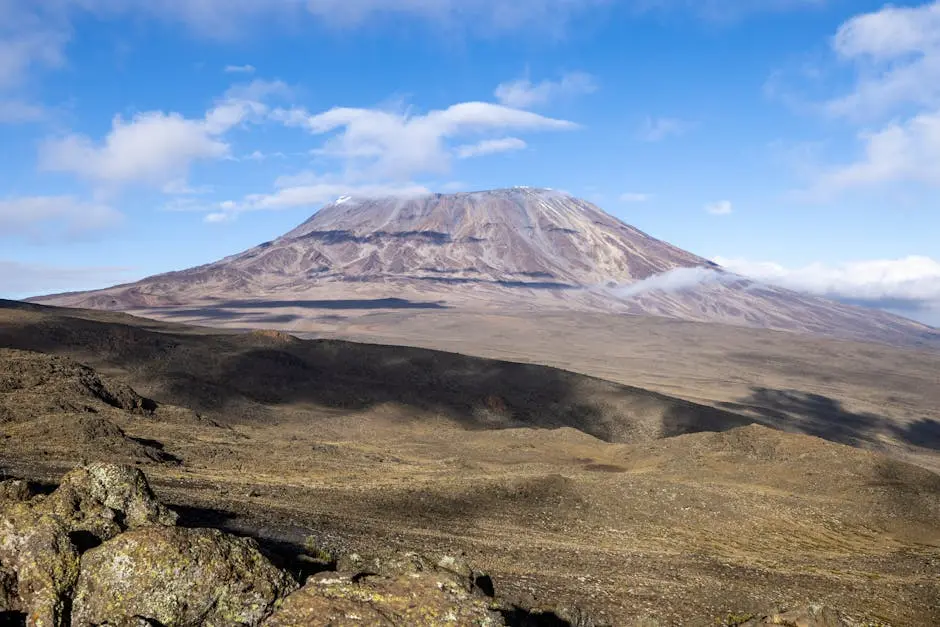
Mount Kilimanjaro is renowned for its distinct climate zones that provide a variety of Kilimanjaro Weather conditions. From the lush, tropical base to the arctic summit, climbers experience everything from warm, humid weather to frigid, thin-aired heights. At the base, expect to be immersed in a rich green paradise, teeming with diverse wildlife and thick foliage. As you ascend, the air becomes crisper and the ecology changes, showcasing the mountain’s dramatic transition. This journey offers a unique opportunity to witness these incredible biomes up close.
A significant feature of Kilimanjaro is its climatic evolution over the course of the day. Mornings often start clear and bright, but the scene may quickly become enveloped by mist. By noon, clouds frequently gather, especially in rainforest zones. This altitudinal shift means you can start your day in a vibrant rainforest and end it in stark, alpine desert conditions, sometimes all in one climb. For a deeper dive into understanding the prominent features of each climate zone, climbers can gain insights into what each zone offers.
Mount Kilimanjaro Weather Patterns Throughout the Year
Kilimanjaro’s weather is influenced by its geographical location and altitude, leading to varying conditions throughout the year. Understanding the differences between the dry and wet seasons is essential for choosing the best time for your climb. The mountain primarily experiences two dry seasons; from late June to October and then again from late December to early March. These dry months are ideal for climbing, offering clearer skies and safer trail conditions, though temperatures can still be cold at higher altitudes.
Conversely, the wettest months on Kilimanjaro occur from March to May and November to December. During these periods, heavy rains can make trails slippery and more challenging. Rivers within the mountain become swollen, and the lush landscapes showcase vibrant greens. Though more difficult, this time can be rewarding for those seeking solitude on quieter trails, experiencing the mountain almost to themselves. For those considering a trek in the rainy season, the lush scenery and comparative peace can be a draw, provided one is prepared for the often rigorous rainy conditions.

Day-to-Day Weather Changes on Your Climb
While seasonal patterns give a broad overview, daily Kilimanjaro Weather shifts can present their own challenges. It’s important to be prepared for sudden changes, including rain showers, sunny spells, and temperature fluctuations. In just a few hours, weather conditions can transform dramatically. One moment climbers may find themselves basking in sunny warmth, and the next facing bracing winds or rain showers that arise seemingly out of nowhere. This unpredictability is part of Kilimanjaro’s challenge, necessitating constant preparedness.
Astutely managing gear according to the day’s conditions is vital. On bright days, sunscreen and sunglasses are indispensable, whereas cloudier times call for layers to combat cool breezes. At higher altitudes, sunsets bring rapid drops in temperature, calling for insulated jackets and thermal wear. Observing the Kilimanjaro Weather each morning and planning for probable shifts can ensure you enjoy each stage of your journey. It’s beneficial to familiarize oneself with reliable forecast sources that provide detailed updates on Kilimanjaro’s weather.
Despite its challenges, these ever-changing conditions present moments of awe, like unique cloud formations and rainbows between mountain peaks. Trekking during different times allows climbers to experience these diverse climates, each offering its own unique spectacle. Whether witnessing an early morning sunrise from the summit or catching the evening light over the rainforest, each instance presents its own unforgettable piece of the Kilimanjaro tapestry.
Packing Tips for All Types of Mount Kilimanjaro Weather
Packing the right gear ensures that you are equipped to handle Kilimanjaro’s weather changes. Layering, choosing the right footwear, and including essentials like rain gear and thermal clothes is key to a comfortable climb. Layers allow climbers to adapt to varying temperatures; moisture-wicking base layers, fleece mid-layers, and protective outer shells offer a reliable system against the shifting climate. Temperatures can swing from 20°C at the base to below freezing at the summit in one single day.
The soles and materials in your footwear should provide insulation and grip. Comfortable hiking boots with ankle support are typically recommended to navigate the rocky and sometimes icy paths. In addition, packing a hat and gloves can guard against chill in the mornings and evenings, while ensuring an ample supply of UV protection for higher altitudes. Accessories like waterproof backpacks and high-quality sleeping bags rated for sub-zero temperatures can vastly improve colder overnight stays.

Including a compact and efficient set of gear not only keeps you prepared but also alleviates the extra burden of unnecessary items. It’s crucial to pack as light as possible while ensuring your essentials aren’t left behind. Refraining from carrying anything beyond your necessities can make a massive difference in terms of overall trek comfort. Each climber may personalize their needs, ensuring every preference and contingency is covered with thoughtful planning.
Safety Considerations in Unpredictable Conditions
Safety is paramount when it comes to navigating the unpredictable Kilimanjaro Weather. Understanding altitude sickness, staying hydrated, and knowing when to seek shelter are crucial points to ensure a safe trek. Altitude sickness is one of the most common challenges climbers face, which can be mitigated by proper acclimatization procedures. Gradually ascending while monitoring symptoms like nausea, headaches, or dizziness is vital. If symptoms persist, it is always best to descend and consult your guide.
Maintaining hydration is another critical facet of mountain safety. The conditions dehydrate climbers faster than usual, making water intake important for energy and mental clarity. Regular breaks to replenish with water or snacks help ward off fatigue and maintain alertness. Customarily, guides are equipped with first-aid kits and knowledge pertinent to altitude-related symptoms, including the ability to use oxygen tanks if needed.
Overall preparedness extends beyond physical measures to mental readiness. Remaining adaptable and mentally prepared for the potential challenges Kilimanjaro Weather may bring can vastly improve climbers’ experience, reducing stress and elevating enjoyment. Approaching the climb with respect for the elements ensures alignment with the majestic spirit of Mount Kilimanjaro while acknowledging personal limits throughout this incredible experience.
Final Thoughts: Embrace the Elements
Kilimanjaro’s weather can be as breathtakingly beautiful as it is unpredictable. With the right preparation, understanding, and respect for the mountain, your journey can be both safe and memorable. Remember to embrace the experience and be prepared for all its seasonal surprises. Happy climbing! For more detailed planning tips, feel free to explore our homepage.