
Embarking on a walking safari is an exhilarating experience that brings you closer to the heartbeat of the wilderness. It’s more than just viewing wildlife from a vehicle; it’s about immersing yourself in nature, feeling the ground beneath your feet, and observing the subtle nuances of life in the wild. To make the most of this adventure, being well-prepared is essential. In this guide, we’ll explore key tips and packing essentials to ensure you have a safe and memorable walking-safari.
Understanding the Walking Safari Experience
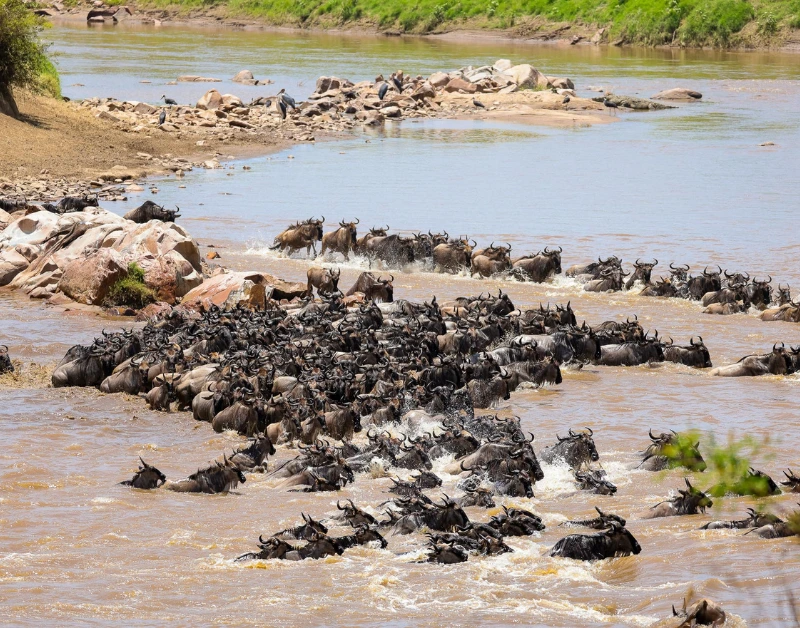
Walking safaris offer a unique perspective compared to traditional jeep safaris. Walking through the bush allows you to experience the environment firsthand, from tracking wildlife to observing ecosystems up close. Understanding the nature of a walking-safari helps in appreciating the slow-paced yet enriching encounters it provides.
The allure of a walking-safari lies in its simplicity and authenticity. Without the hum of an engine, the bush’s natural sounds become your soundtrack. As you tread softly through the wild, every rustle of leaves, distant animal call, and scent of the earth tells a story. This intimate interaction with nature not only heightens your sensory awareness but also deepens your connection to the ecosystems at play. Such experiences remind us of the delicate balance that sustains the wild, encouraging a newfound respect and curiosity that enhances every step of your adventure. For more info visit here!
Essential Tips for a Safe Walking Safari
Safety is paramount when going on a walking safari. Always stay close to your guide, as they are experienced in reading wildlife behavior and understanding the terrain. Make sure you’re wearing appropriate clothing and footwear for protection and comfort. It’s also vital to stay hydrated and maintain a respectful distance from wildlife to avoid disturbances.
Listening to your guide’s instructions can be the difference between a thrilling experience and a hazardous encounter. Guides are trained to interpret subtle animal cues and ensure the group’s safety. Moreover, maintaining silence during the trek not only reduces the risk of startling wildlife, but it also allows you to fully absorb the wilderness’s natural ambiance—an essential part of the walking-safari experience. Equip yourself with a good water bottle, as hydration on these sunny outings is non-negotiable. Remember, the golden rule is to leave no trace, preserving these pristine habitats for future adventurers.
Preparing for unexpected weather can greatly impact your comfort and safety during a safari. Familiarize yourself with the local climate, and be ready for sudden changes with a lightweight rain poncho or jacket. Encountering an afternoon shower is not uncommon, and being equipped for such situations ensures that your adventure is uninterrupted and enjoyable. Additionally, safeguarding your electronics and important documents in waterproof pouches can prevent potential damages, letting you focus entirely on the wondrous sights and sounds around you.
What to Pack: Clothing and Footwear
Choosing the right clothing and footwear can make a significant difference in your walking-safari experience. Neutral-colored, lightweight clothing is ideal for blending in with the environment and staying cool. Durable, comfortable hiking boots are a must to support your feet over rough terrain. Don’t forget a wide-brimmed hat and sunglasses to shield yourself from the sun.
Layering is crucial in safari packing. Morning and evening can be cool, requiring a soft fleece or light jacket, while midday temperatures may necessitate shedding layers to stay cool. Wicking materials are beneficial, drawing sweat away from your skin and ensuring you remain comfortable all day. A sturdy belt can keep your attire secure and functional. Insect-repellent treated clothing, if available, serves the dual purpose of comfort and protection from pesky insects, enhancing your overall comfort during the journey.
Essential Gear: From Backpacks to Binoculars
Having the right gear enhances your safari experience. A sturdy backpack to carry water, snacks, and personal items is essential. Binoculars are indispensable for distant wildlife viewing without disturbing them. A field guidebook can enhance your understanding of plants and animals encountered along the way.
Consider packing technology that compliments your safari without detracting from the natural experience. An action camera or a high-quality smartphone can capture unforgettable scenes, while noise-canceling headphones can offer respite from the bush’s brilliant but at times overwhelming soundscape. However, be cautious with technology; always protect it from the elements and let the raw beauty of the wilderness be your primary focus rather than losing moments to documenting them excessively.
Health and Safety Precautions
It’s critical to prioritize health and safety during your safari. Pack a basic first-aid kit for minor injuries. Ensure you’re up-to-date with vaccinations relevant to your destination. Be sun smart by applying sunscreen regularly, and consider using eco-friendly insect repellent to keep bugs at bay.
Know Your Allergies and Medical Needs. Walks in nature can expose allergies, especially from plants or insect bites. Have a comprehensive knowledge of any personal allergies and be certain to have the necessary medication on-hand, such as antihistamines or an EpiPen if required. Discuss any health conditions with your guide beforehand. Many safaris can adapt to personal needs without sacrificing quality, ensuring a safe and enjoyable experience for all participants.
Frequently Asked Questions (FAQs)
Q1. What should I pack for a walking safari?
A. For a walking-safari, pack lightweight clothes in neutral colors, comfortable walking shoes, a hat, sunscreen, insect repellent, and a reusable water bottle. A small backpack is also helpful for carrying essentials during long walks. Binoculars and a camera can make the experience even more enjoyable.
Q2. Is a walking safari safe for beginners?
A. Yes, walking safaris are generally safe because experienced guides lead the group and provide safety instructions before the tour starts. Visitors are asked to stay calm, follow the guide’s directions, and avoid sudden movements near wildlife. Most walking-safaris are designed for all experience levels.
Q3. What kind of clothing is best for a walking safari?
A. Neutral-colored clothing such as khaki, green, or brown is best because it blends into the natural environment and does not disturb animals. Lightweight and breathable fabrics help you stay comfortable during warm weather. Long sleeves and trousers also protect against insects and sun exposure.
Q4. How physically demanding is a walking safari?
A. A walking-safari usually involves moderate physical activity and can include several hours of walking on uneven terrain. Travelers should have a basic fitness level to comfortably enjoy the experience. Taking breaks, staying hydrated, and wearing proper footwear can make the journey easier.
Q5. Why is a walking safari different from a game drive?
A. A walking-safari gives travelers a closer connection to nature because they explore the wilderness on foot instead of inside a vehicle. It allows visitors to notice smaller details like animal tracks, plants, and bird sounds. The experience feels more personal and adventurous compared to a traditional game drive.
Ready for Your Walking Safari Adventure?
With careful preparation and the right gear, your walking safari can become an unforgettable journey into the wild. Remember, the key to enjoying this extraordinary experience lies in respecting nature and being mindful of your surroundings. By doing so, you’ll not only protect yourself but also preserve the beauty and integrity of the places you visit. Happy trails!