
Embarking on a journey through Tanzania and its Traditional Tanzania Food is not just an adventure through breathtaking landscapes and diverse wildlife, but also a culinary exploration. From the bustling streets of Dar es Salaam to the serene shores of Zanzibar, the flavors of Tanzania promise to captivate and surprise you. Join us as we delve into the rich tapestry of Tanzanian cuisine, uncovering its unique ingredients and traditional delicacies that you simply cannot miss.
Understanding the Essence of Tanzanian Cuisine
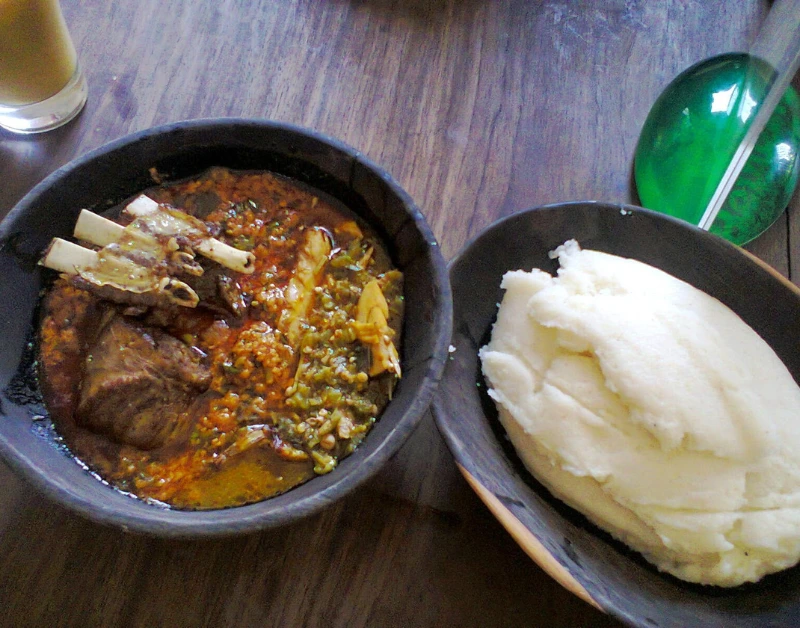
Tanzanian food is a reflection of its multicultural influences, with a unique blend of Asian, Arabic, and local tribal flavors. You'll find dishes infused with aromatic spices and fresh, locally sourced ingredients. This rich culinary heritage is partly due to Tanzania's position as a significant stop along historical trade routes, which brought together a melting pot of cultures from the Arab world and beyond. The country's coastal location contributes to its distinctive taste palette with seafood featuring prominently alongside exotic spices like cloves, cardamom, and nutmeg.
A fascinating element of Tanzanian cuisine is how it varies across its regions. In coastal areas like Dar es Salaam and Zanzibar, you'll find a greater influence of Indian and Arab cuisines, which are famous for their fragrant spice blends and sumptuous seafood dishes. In contrast, the inland regions highlight staples like maize and sorghum that cater to the agricultural lifestyle of Tanzania's diverse tribes. The Maasai communities, for example, lean heavily on milk, meat, and maize, reflecting their pastoral customs and rich heritage. For more info visit here!
Staple Tanzania Foods: Ugali and Rice
At the heart of Tanzanian meals are staples like ugali, a cornmeal porridge, and various rice dishes. These accompany most meals, forming the backbone of local dietary habits. Ugali is particularly pivotal in Tanzanian cuisine, consumed by many households daily. It's typically served with a variety of side dishes, including mchicha or nyama choma, enriching each meal with balanced nutrition and flavor.
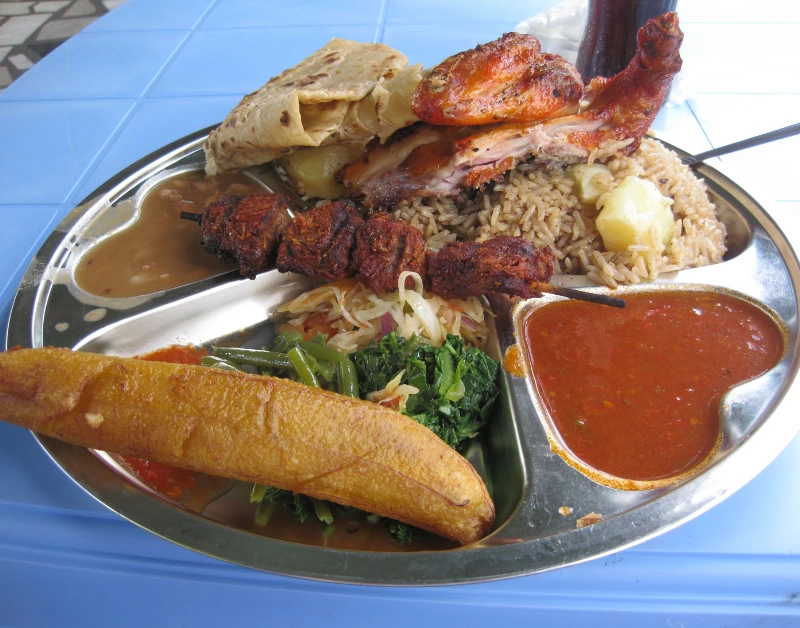
Rice, too, is a significant component, particularly in the form of wali wa nazi, which is rice simmered in creamy coconut milk. This dish embodies the essence of East African flavors and pairs beautifully with stews and curries. A delightful variant is pilau, a spiced rice dish infused with cardamom, cinnamon, and sometimes saffron, which makes it a festive choice during celebrations and social gatherings.
Ugali and rice are not merely Tanzania food items; they symbolize the Tanzanian way of life—providing sustenance and comfort. As you enjoy these staple dishes, you're participating in a longstanding tradition, one that connects families and fortifies communities across this vibrant nation.
Savoring Nyama Choma: A Meat Lover’s Delight
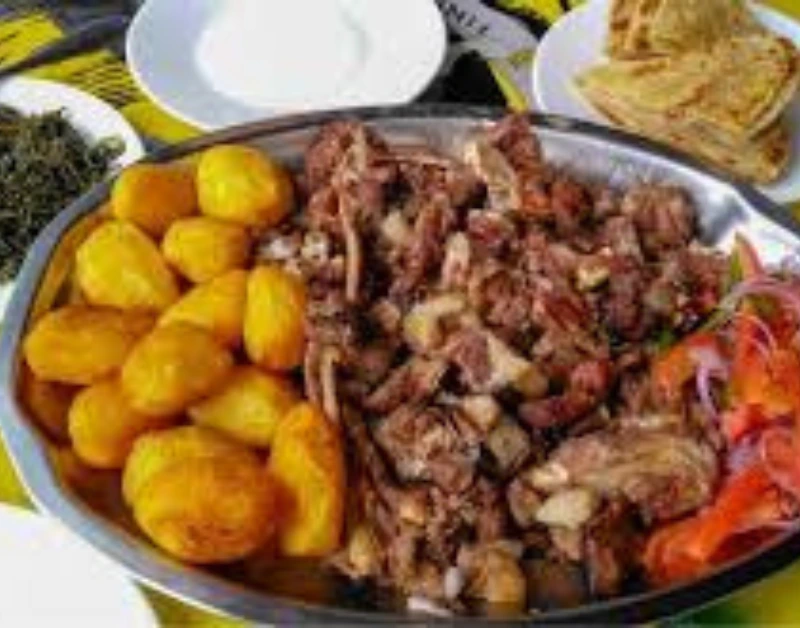
Nyama Choma, or grilled meat, is a must-try for meat enthusiasts. This beloved dish is often enjoyed with a side of kachumbari, a fresh tomato and onion salad. The experience of eating Nyama Choma is as much about the social setting as it is about the Tanzania food. It's frequently prepared outdoors, at roadside stands or in backyards, over open coal grills, creating an irresistible aroma that gathers friends, family, and city dwellers together.
Whether it's goat, beef, or chicken, the meat is marinated with a simple mix of salt and sometimes a hint of lemon, ensuring the natural flavors stand out. As you bite into the tender, crispy edges of Nyama Choma, you're tasting not merely a dish but the essence of Tanzanian conviviality. Sharing plates of this delightful meat with a cold drink in hand while catching up with friends or simply enjoying the rhythmic Swahili beats is a quintessential Tanzanian experience.
Vegetarian Options: Dishes You Will Love
Tanzanian cuisine offers plenty for vegetarians as well. Dishes such as mchicha, a tasty spinach and peanut sauce, highlight how Tanzanians incorporate fresh vegetables and local spices. Mchicha is often served alongside rice or ugali, creating the perfect balance of richness and nutrition. The earthy taste of spinach melds beautifully with the creamy, nutty essence of peanuts, offering a wholesome taste profile.
Beyond mchicha, vegetarian travelers will find an incredible array of plant-based eating options. Tanzania Foods like maharage (beans), prepared in thick coconut milk or tomato sauces, are staple non-meat items that showcase Tanzania’s rich agricultural heritage. These are not only delectable but also illustrate the resourcefulness and creativity of Tanzanian home cooking, where even the simplest ingredients are transformed into filling delicacies.
The Spicy Side: Zanzibar’s Influence
Known as the 'Spice Island', Zanzibar’s culinary influence is marked by vibrant, spicy dishes, filled with the aromas of cloves, cinnamon, and curry that reflect its rich history as a trading hub. These spices aren't merely for flavor—they're an essential component of cultural identity, steeped in centuries of global interaction. Dishes such as Zanzibar pizza, which merges traditional and modern flavors, capture the innovative spirit of the islands.
The Swahili cuisine in Zanzibar is a testament to its complex cultural layers. From seafood curries to hearty biryanis, each meal is a sensory explosion. This fusion cuisine is a tapestry woven with the historical threads of Indian, Arab, African, and even Chinese influences, perfect for those who cherish a little heat and excitement in their meals. For a true taste of Zanzibar’s culinary depth, indulging in its local markets and tasting freshly-prepared street Tanzania foods against the backdrop of the Indian Ocean is a must-do.
Indulging Your Sweet Tooth: Tanzanian Desserts
Finish off your culinary journey with Tanzanian sweets like mandazi, similar to doughnuts, or enjoy the tropical sweetness of fresh fruits like mangoes and papayas. Mandazi is often enjoyed with tea or coffee, embodying the spirit of leisurely Tanzanian hospitality. These fried delights are slightly sweet with a hint of coconut, making them both a common breakfast treat and a perfect afternoon snack.
Besides mandazi, don’t miss the chance to savor kashata, another popular dessert made with coconut and peanuts, offering a deliciously crunchy experience. This sweet treat is frequently found on the winding streets of Dar es Salaam, captivating the taste buds of both locals and visitors alike. Fresh fruit stands dotting Tanzanian markets offer vibrant selections of seasonal produce, ensuring that whether you're a fan of traditional desserts or prefer nature's candy, there's something for everyone in Tanzania.
Savoring the Heart and Soul of Tanzanian Cuisine
Exploring the culinary delights of Tanzania is a journey in itself, filled with rich flavors, cultural traditions, and warm hospitality. Whether you are dining under the African sky or savoring a dish in a local family’s home, Tanzanian cuisine offers an unforgettable experience. As you embark on your Tanzanian adventures, let your tastebuds guide you through these unique, delightful, and memorable Tanzania food. For more information on how you can experience authentic Tanzanian meals during your stay, visit Tanzania Classic Tours.
Frequently Asked Questions (FAQs)
Q1: What are the most popular local foods in Tanzania?
A. Tanzania offers a variety of traditional dishes, including Ugali, Nyama Choma, Pilau Rice, and Mishkaki. These foods are commonly enjoyed across the country and reflect the rich cultural influences of East Africa. Most meals are prepared with fresh local ingredients and flavorful spices.
Q2: Is Tanzanian food spicy?
A. Tanzania food is generally mild compared to many other African and Asian cuisines. While spices are widely used to add flavor, the dishes are usually not very hot. Visitors who enjoy spicy food can often request extra chili sauce on the side.
Q3: Are vegetarian options available in Tanzania?
A. Yes, vegetarian travelers can find many suitable dishes throughout Tanzania. Popular options include bean stews, vegetable curries, fresh fruits, and rice-based meals. Many restaurants and lodges are also happy to accommodate specific dietary preferences.
Q4: What drinks should I try in Tanzania?
A. Tanzania is known for its fresh fruit juices, locally grown coffee, and traditional tea. Travelers can also enjoy drinks made from tropical fruits such as mango, passion fruit, and pineapple. These beverages are refreshing and complement local meals well.
Q5: Is it safe to try street food in Tanzania?
A. Street food is a popular part of Tanzanian culture and can be a great way to experience local flavors. It is best to choose busy vendors with freshly prepared food and good hygiene practices. Taking these precautions helps ensure a safe and enjoyable dining experience.