Tanzania, with its breathtaking landscapes and diverse ecosystems, offers some of the world’s most incredible wildlife viewing experiences. However, the timing of your visit can greatly influence what you see and experience. Understanding the relationship between time in Tanzania and wildlife activity in Tanzaania is key to making the most of your safari adventure.
Tanzania has two main seasons: the dry season and the wet season. Each season offers a unique wildlife experience, affecting animal behavior and visibility.
The seasons in Tanzaania are shaped by the shifting patterns of rainfall, which significantly impacts wildlife dynamics. During the dry season, animals are often drawn to limited water sources, especially around rivers and waterholes. This concentration increases the chances of spotting various animal species together, creating an exciting spectacle for visitors. For more info visit here!
In contrast, the wet season transforms the landscape into a lush green paradise, offering a completely different kind of beauty. The rains bring life to the savannahs, and new plant growth provides an abundance of food for herbivores. While this disperses animals more widely across the landscape, it also ushers in a time of birth and renewal as many species give birth to their young.
During the dry season, from June to October, wildlife viewing is at its best. Water sources are scarce, making it easier to spot animals congregating around the few available waterholes.
This season is considered the peak time in Tanzania for safaris. Serengeti and Ngorongoro Crater are especially popular, offering breathtaking views and incredible wildlife sightings. The Serengeti’s plains are teeming with predators and prey, creating a dramatic display of survival.
For those interested in bird watching, the dry season is optimal as well. Many bird species congregate in visible areas, and migratory birds are less common, allowing for more consistent observations of resident species.
The wet season, from November to May, brings lush landscapes and a different set of wildlife challenges and opportunities. Some regions become inaccessible, but it’s a great time in Tanzaania to see newborn animals.
While the lush environment can pose challenges for game drives, it also provides the perfect setting for photography enthusiasts seeking vibrant backgrounds. The ample foliage acts as a striking contrast to the wildlife.
In particular, this period marks the birthing season for many animals, including wildebeest and zebras. The spectacle of seeing newborns taking their first steps is an unforgettable experience.
As roads may become difficult to navigate, planning is crucial. Our tailor-made safari options can help you create an itinerary that maximizes your chances of witnessing these unique moments.
The Great Migration is one of Tanzania’s most spectacular wildlife events. Understanding its timing and routes is crucial for anyone hoping to witness this unforgettable phenomenon.
This migration primarily revolves around the movement of over a million wildebeest, accompanied by zebra and gazelle, as they travel in search of greener pastures. Their route follows a rough pattern: moving northward through the Serengeti from April to June, then returning south again from September to November.
One of the most iconic aspects of the migration is the dramatic Mara River crossing, filled with the rivers’ challenges and predators lurking for opportunities. Timing your visit to align with these crossings offers a rare and thrilling experience you won’t want to miss.
Certain animals are more active during specific times of the year. Learn when to visit if you’re eager to see particular species like elephants, big cats, or birds.
Elephants tend to be more visible during the dry season as they seek water, often in large family herds, providing a majestic sight.
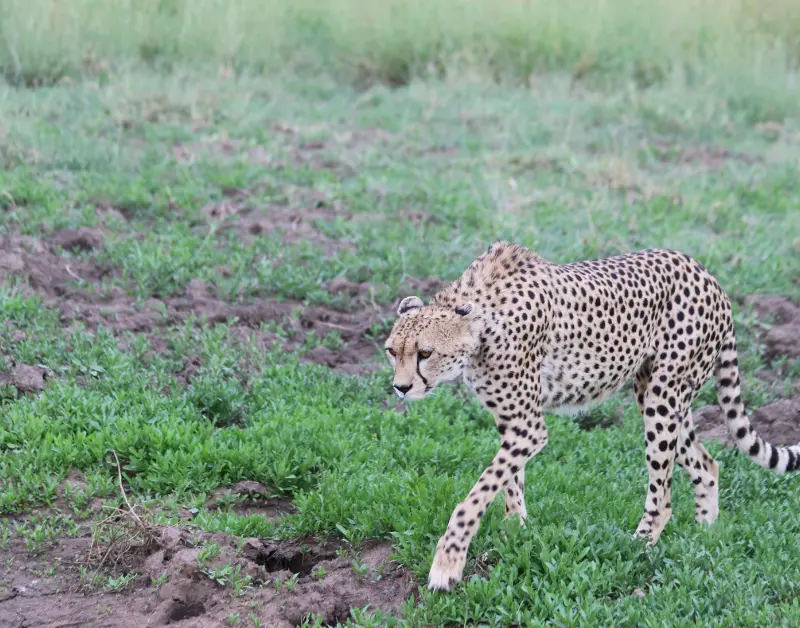
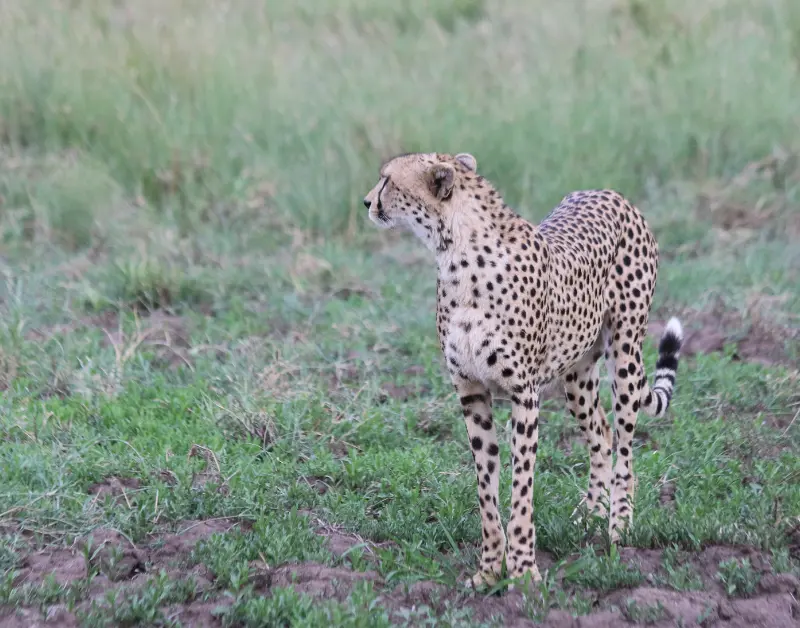
Big cats, including lions and cheetahs, are easier to spot in the dry months when the grasses are low, which not only offers better visibility but also places them closer to the busy waterholes where prey gather.
Bird watching is versatile, though the wet season does bring about some of the most vibrant plumages for breeding, as well as the presence of migratory species, adding to the diversity of observable birds.
For more information on the best times to view specific wildlife, or to tailor your experience to witness these incredible creatures, consider exploring our wildlife safaris.
Timing your visit to Tanzania can make all the difference in your wildlife viewing experience. Whether you’re hoping to witness the Great Migration or enjoy the serenity of the off-peak season, understanding the intricate dance between time in Tanzaania and wildlife activity can guide your planning. With these insights, you’re well-equipped to choose the perfect time for your adventure. For more personalized guidance, explore our safari tour offerings and let us help you plan the journey of a lifetime.
Q1. What is the best time of day for wildlife viewing in Tanzaania?
A. The best time for wildlife viewing in Tanzania is early morning and late afternoon. Animals are most active during cooler hours. Midday heat often makes them rest in shade.
Q2. Does season change wildlife viewing in Tanzania?
A. Yes, seasons play a big role in wildlife viewing. Dry season (June to October) offers better sightings. Animals gather around water sources, making them easier to spot.
Q3. Why is early morning safari better in Tanzaania?
A. Early morning safaris give the highest chance of seeing predators like lions and leopards. The temperature is cool, so animals are actively hunting or moving. Light is also perfect for photography.
Q4. How does midday time affect wildlife activity?
A. During midday, most animals rest due to high temperatures. They hide in bushes or under trees. This makes sightings less frequent compared to morning or evening.
Q5. Is evening a good time for wildlife viewing in Tanzania?
A. Yes, evening is one of the best times for safaris. Animals become active again as temperatures drop. It is also a great time to see sunsets with wildlife in action.