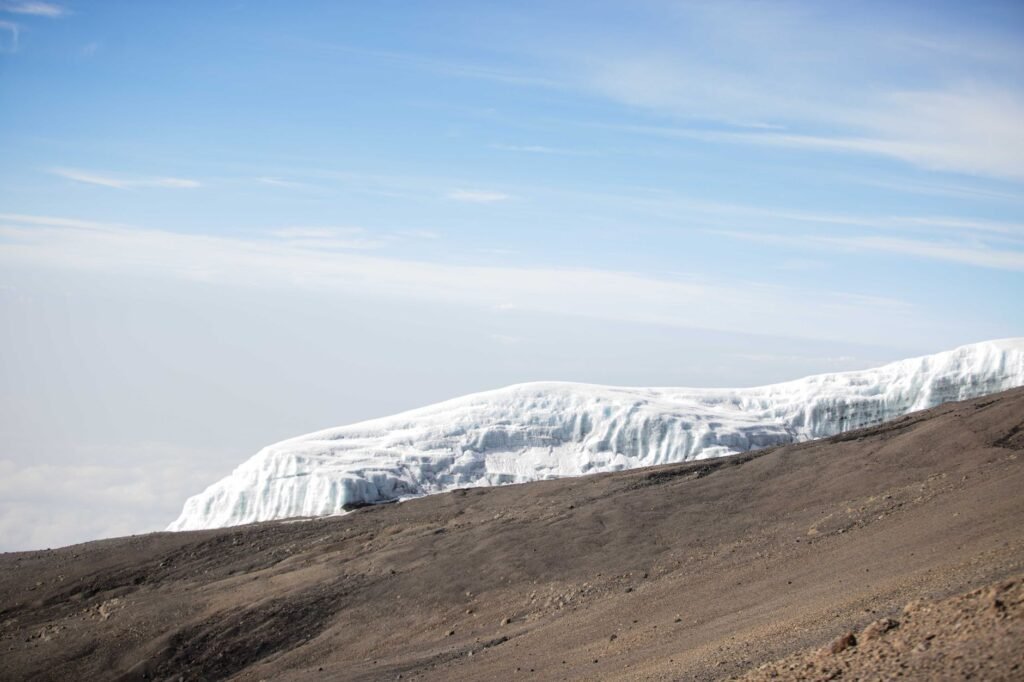
Standing at 5,895 metres above sea level, Mount Kilimanjaro is the highest peak in Africa and one of the most sought-after trekking destinations on the planet. Every year, tens of thousands of adventurers from the USA, Germany, France, Italy, the Netherlands, Japan, Russia, and beyond arrive in Tanzania with one goal: to touch the roof of Africa.
But here's the question almost every climber struggles with first: Which route should I take?
The answer matters more than most people realise. The route you choose will directly influence your summit success rate, the quality of your experience, crowd levels on the mountain, overall cost, and even the risk of altitude sickness. In this comprehensive Kilimanjaro routes comparison for 2026-2027, the expert team at Golden Trips Tanzania breaks down every major route so you can make the most informed decision possible.
Kilimanjaro is not a technical climb — no ropes or ice axes are needed. However, it is a serious high-altitude trek, and acclimatisation is everything. The route you choose determines how many days you spend on the mountain, how gradually your body adapts to altitude, and ultimately whether you reach Uhuru Peak or turn back.
Longer routes with more gradual altitude gain consistently produce higher summit success rates. That single fact should guide your entire decision.

Kilimanjaro has seven established climbing routes, each approaching the summit from a different direction:
Let's compare each one in depth.
Nickname: The Coca-Cola Route
Direction: Southeast
Distance: ~72 km round trip
Success Rate: ~65–70%
Difficulty: Moderate
Crowd Level: High
The Marangu route is the only Kilimanjaro route with hut accommodation, making it especially popular with trekkers from Europe who prefer a more structured shelter experience over camping. This is also the most affordable route and the one with the shortest minimum duration.
Pros:
Cons:
Best for: Budget-conscious trekkers, those with limited time, and climbers who strongly prefer hut sleeping.
Golden Trips Tanzania Tip: While Marangu is affordable, we generally recommend investing in a longer route. The difference in summit success rate is significant — and reaching Uhuru Peak is why you're making the journey in the first place.
Nickname: The Whiskey Route
Direction: Southwest
Distance: ~62 km
Success Rate: ~80–85%
Difficulty: Moderate to Challenging
Crowd Level: High to Very High
The Machame route is currently the most popular route on Kilimanjaro, and for good reason. It offers spectacular and varied scenery, excellent acclimatisation opportunities, and a satisfying sense of adventure. The 7-day version includes an important acclimatisation day that dramatically improves your chances of reaching the summit.
Pros:
Cons:
Best for: Fit trekkers who want a classic Kilimanjaro experience with strong summit odds and memorable scenery.
Climbers who combine Kilimanjaro with a Tanzania safari often choose Machame for its efficiency. If you're planning a broader East Africa adventure, our East Africa Safari Itinerary 10 Days: 2026 Ultimate Guide pairs beautifully with a Machame climb.
Nickname: No official nickname — simply the best
Direction: West
Distance: ~70 km
Success Rate: ~90%+
Difficulty: Moderate
Crowd Level: Low to Moderate
If we had to recommend one route for most international trekkers in 2026-2027, it would be Lemosho. This route enters Kilimanjaro from the west through pristine wilderness, offering exceptional scenery, low crowd density in the early days, and the best overall acclimatisation profile of any route of comparable length.
Lemosho traverses the stunning Shira Plateau, crosses the iconic Lava Tower for acclimatisation, and joins the Machame route for the final summit push — giving you the best of both worlds.
Pros:
Cons:
Best for: Trekkers who want the optimal balance of success rate, scenery, and experience. Ideal for first-time Kilimanjaro climbers.
Many of our clients from the Netherlands who combine Kilimanjaro with a wildlife safari choose Lemosho. Explore what a full Tanzania adventure looks like in our Tanzania Safari from Netherlands 2026: Ultimate Guide.
Nickname: The Northern Route
Direction: North (from Kenya border)
Distance: ~73 km
Success Rate: ~80%
Difficulty: Moderate
Crowd Level: Low
The Rongai route approaches Kilimanjaro from the north, near the Kenyan border. It is the least crowded of the main routes and the only one that approaches from the north. This makes it an excellent dry-season alternative when other routes experience more rainfall, as the northern slopes tend to be drier.
Pros:
Cons:
Best for: Trekkers seeking solitude, those climbing during shoulder seasons, and less experienced hikers.
Nickname: The Grand Traverse
Direction: West, circumnavigating to north
Distance: ~98 km
Success Rate: ~95%+
Difficulty: Moderate (long duration)
Crowd Level: Very Low
The Northern Circuit is the longest route on Kilimanjaro and boasts the highest summit success rate of any path — over 95% in ideal conditions. It begins like Lemosho on the western slopes, then circles around the northern side of the mountain before ascending to the summit. This extended traverse allows maximum acclimatisation time.
Pros:
Cons:
Best for: Serious trekkers, those who have struggled with altitude before, and anyone who wants the definitive Kilimanjaro experience without compromise.
Nickname: The Direct Route
Direction: South
Distance: ~53 km
Success Rate: ~60–65%
Difficulty: Very Challenging
Crowd Level: Very Low
The Umbwe route is the most direct and steepest path to the summit, rising rapidly through dense forest and rocky ridges. It is not recommended for most trekkers because the rapid altitude gain leaves the body very little time to acclimatise.
Pros:
Cons:
Best for: Very experienced, highly fit trekkers with prior high-altitude experience who understand the risks.
Nickname: N/A
Direction: West (via Shira Plateau)
Distance: ~66 km
Success Rate: ~85%+
Difficulty: Moderate
Crowd Level: Low
The Shira route is similar to Lemosho but begins at a higher altitude, which can paradoxically reduce acclimatisation quality since you ascend too quickly in the first day. Most operators now favour the Lemosho entry point, making Shira the less recommended of the two western approaches.
Best for: Trekkers whose operator specifies Shira — otherwise, choose Lemosho.
| Route | Duration | Success Rate | Difficulty | Crowds | Best For |
|---|---|---|---|---|---|
| Marangu | 5–6 days | 65–70% | Moderate | High | Budget travellers |
| Machame | 6–7 days | 80–85% | Moderate–Hard | Very High | Adventure seekers |
| Lemosho | 7–8 days | 90%+ | Moderate | Low–Moderate | Most trekkers |
| Rongai | 6–7 days | 80% | Moderate | Very Low | Shoulder season |
| Northern Circuit | 9–10 days | 95%+ | Moderate (long) | Very Low | Max success |
| Umbwe | 5–6 days | 60–65% | Very Hard | Very Low | Experts only |
| Shira | 7–8 days | 85%+ | Moderate | Low | Lemosho alternative |
For international trekkers planning in 2026-2027, timing matters alongside route selection.
Italian trekkers planning a combined Kilimanjaro and safari adventure should explore our comprehensive Tanzania Safari from Italy 2026: The Ultimate Guide for seasonal planning tips.
After guiding hundreds of climbers from across the USA, Europe, Japan, and beyond, our recommendation in 2026-2027 is clear:
We strongly advise against the 5-day Marangu route for anyone whose primary goal is reaching Uhuru Peak. The cost saving is not worth the dramatically reduced success rate.
One of the most rewarding ways to experience Tanzania is to combine a Kilimanjaro climb with a wildlife safari in Serengeti, Ngorongoro Crater, or Tarangire National Park. After the physical challenge of the summit, there is nothing quite like relaxing on a game drive watching elephants and lions in their natural habitat.
Explore our curated Tanzania Safari Packages to see how we build seamless Kilimanjaro-plus-safari itineraries for clients from around the world.
At Golden Trips Tanzania, we specialise in crafting personalised Kilimanjaro experiences that give every client the best possible chance of reaching the summit — safely and memorably. Our expert guides are certified, experienced, and deeply familiar with every route on the mountain.
Whether you are travelling from New York, Berlin, Paris, Rome, Amsterdam, Tokyo, or Moscow — we will design your Kilimanjaro journey from scratch, matching the perfect route to your fitness level, timeline, and budget.
Ready to start planning? Visit Golden Trips Tanzania and get in touch with our team today. Your Kilimanjaro adventure in 2026-2027 starts here.
This guide is updated regularly by the Golden Trips Tanzania expert team to reflect the latest route conditions, park fees, and climbing regulations for the 2026-2027 season.