
Tucked away in the verdant landscapes of Tanzania during Your Tanzanian Safari Holidays, the Ngorongoro Crater stands as a must-visit destination for safari enthusiasts. Home to a breathtaking array of wildlife and stunning vistas, this UNESCO World Heritage site offers an unparalleled adventure. Join us as we explore what makes a Tanzanian Safari Holidays in the Ngorongoro Crater truly unforgettable.
Discovering the Ngorongoro Crater: A Natural Wonder
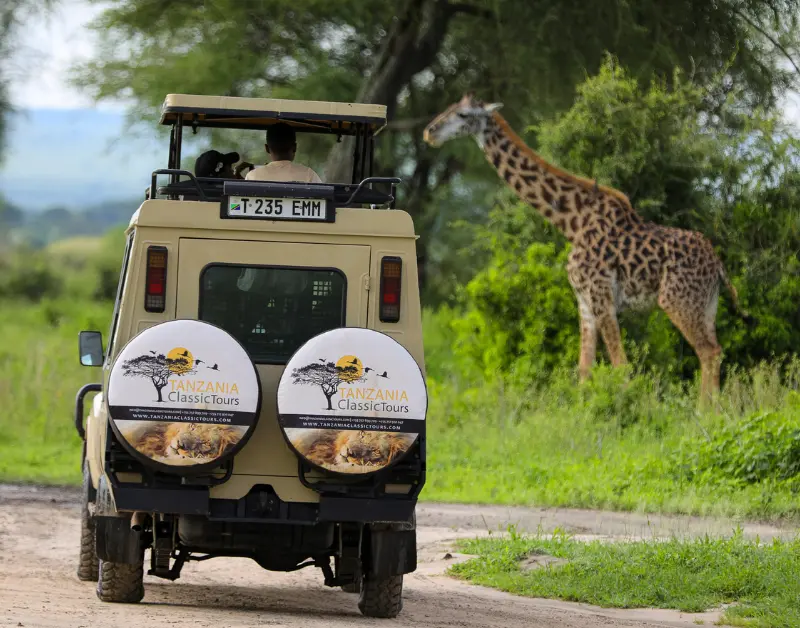
The Ngorongoro Crater, often referred to as Africa’s Eden, is the world’s largest inactive volcanic caldera. Formed millions of years ago, the crater spans approximately 260 square kilometers, hosting a diverse ecosystem harmoniously living within its walls. The geological history of this area is fascinating, with its rich soil and abundant rain supporting lush flora and a wide array of fauna. Visitors to the Ngorongoro Crater can observe not only the vibrant landscape but also the dynamic interplay of species that call this unique habitat home. It’s an unmatched destination for those looking to experience the primordial beauty of our planet.
The crater’s floor is covered with grasslands, diverse forest areas, and a saltwater lake, each adding to the stunning scenery. It is encircled by steep walls that rise 2,000 feet into the sky, forming a natural sanctuary for wildlife. Interestingly, the area’s diverse climates mirror its geographical features, resulting in a rich tapestry of habitats. This, coupled with the area’s sheer beauty, makes it a top destination for those seeking a true Tanzanian safari holidays. Exploring the crater by vehicle allows for a comprehensive view of the landscape, ensuring you do not miss any of its splendors. For more info visit here!
Wildlife Encounters: A Sanctuary for the Big Five
Ngorongoro Crater is home to a remarkable variety of wildlife, including the iconic Big Five: lions, leopards, elephants, rhinoceroses, and buffalo. The crater’s unique environment provides a perfect sanctuary for these animals, offering visitors an opportunity for thrilling close encounters. Lions are the most prominent, often seen lounging in the sun or prowling the crater’s floor in search of prey. The relative isolation of the crater also supports a small, but stable, population of critically endangered black rhinoceroses, making it one of the few places in Africa where they can still be seen in their natural habitat.
Apart from the Big Five, the crater also hosts an impressive variety of other species. Wildebeests, zebras, and gazelles roam freely across the plains, creating a spectacle of natural motion that captivates safari-goers. The presence of elephants in the crater is awe-inspiring; these gentle giants create a sense of ancient majesty as they move in their matriarchal herds. For bird enthusiasts, the crater is a paradise with nearly 500 bird species, including flamingos that flock to Lake Magadi, providing a pink halo against the verdant backdrop.
Cultural Immersion: Meeting the Maasai People
A visit to the Ngorongoro Crater is not complete without experiencing the rich culture of the indigenous Maasai community. Known for their vibrant clothing and age-old traditions, the Maasai offer a glimpse into a way of life that has remained largely unchanged for centuries. Their villages, often located on the crater’s rim, are a testament to a sustainable way of living in harmony with nature. Visitors are often invited to engage in traditional dance and song, which provide insight into their community spirit and cultural significance. Interacting with the Maasai, you gain a deeper appreciation for their wisdom in ecological stewardship and communal living.
The Maasai are renowned for their distinctive jewelry and intricate beadwork, which play an essential role in their cultural identity and expression. Their collective rites, such as the memorable Eunoto ceremony, signify the transition from warriorhood to adulthood and provide an unforgettable cultural experience for visitors. Understanding these traditions fosters respect and admiration for the Maasai’s resilience and adaptability in the modern world. Visitors can participate in guided tours to interact with these communities, providing an unparalleled cultural immersion that complements the natural wonders of the crater.
Planning Your Tanzanian Safari Holidays Adventure: Practical Tips
Planning a Tanzania safari in the Ngorongoro Crater involves careful consideration of the best times to visit, accommodation options, and wildlife viewing opportunities. Whether you prefer a guided tour or an independent exploration, understanding these elements can enhance your Tanzanian Safari Holidays experience. The crater is accessible year-round, but each season presents distinct advantages; for instance, during the dry season, wildlife tends to converge around the few remaining water sources, offering better viewing opportunities.
Accommodation within the Ngorongoro Conservation Area varies from luxurious lodges to more rustic campsites, allowing you to choose an experience that suits your preferences and budget. It’s advisable to book early, especially if you are visiting during peak tourist seasons. A well-planned itinerary should include time for leisurely exploration of the crater floor and also visits to surrounding attractions such as the Olduvai Gorge, known as the cradle of humankind. Equip yourself with a quality camera and binoculars to capture the extraordinary sights, ensuring you return home with unforgettable memories of your Tanzanian safari holidays.
Frequently Asked Questions (FAQs)
Q1. What makes the Ngorongoro Crater special for a safari holiday?
A. The Ngorongoro Crater is one of the most famous wildlife destinations in Africa. It is home to lions, elephants, rhinos, buffalo, and many other animals living inside a massive volcanic caldera. Visitors can enjoy game drives with incredible scenery and close wildlife encounters.
Q2. What is the best time to visit the Ngorongoro Crater?
A. The best time to visit is during the dry season from June to October because animals are easier to spot near water sources. However, the crater offers wildlife viewing throughout the year. Even during the green season, the landscape looks beautiful and less crowded.
Q3. Can families with children enjoy a Tanzanian safari holidays here?
A. Yes, families can enjoy a safari holiday in the Ngorongoro area because many lodges offer family-friendly services and guided tours. Children can safely experience wildlife, nature, and local culture. It is a great destination for both adventure and learning.
Q4. Which animals can tourists see in the Ngorongoro Crater?
A. Tourists can see the Big Five, including lions, elephants, leopards, rhinos, and buffaloes. The crater also has zebras, wildebeests, hippos, flamingos, and hyenas. Every game drive offers a different wildlife experience.
Q5. How many days are ideal for a Ngorongoro safari holiday?
A. A stay of 2 to 4 days is ideal for exploring the crater and nearby parks comfortably. This gives travelers enough time for multiple game drives and relaxing lodge experiences. Many visitors also combine it with the Serengeti National Park for a longer safari adventure.
Embark on Your Unforgettable Safari Journey
Embarking on a Tanzanian safari holidays in the Ngorongoro Crater is more than just an escape to the wilderness; it is an invitation to witness the world in its most raw and magnificent form. From the unforgettable wildlife encounters to the unique cultural experiences, this journey promises to leave a lasting impression. As you plan your next adventure, consider the Ngorongoro Crater for a Tanzania safari holiday that combines thrill with awe-inspiring beauty. Explore more about your Tanzanian safari holidays options and experiences on our homepage.