The Serengeti is open 365 days a year—and every month offers something genuinely remarkable. But "the best time to visit Serengeti" is not a single answer. It is the month that best aligns with your priorities: following the Great Migration, avoiding tourist crowds, managing costs, capturing stunning photographs, or combining your safari with a beach stay in Zanzibar.
This guide gives you a decision-making framework, not just a calendar. Use it to identify which season matches your goals, which region of the Serengeti to target, and how far in advance to book from the USA (see also: Tanzania safari tours for US travelers and honeymoon safari packages).
Before diving into months, it helps to understand the broad seasonal structure.
Dry Season (late June–October): This is the classic safari season. Vegetation thins, water sources concentrate, and wildlife—including predators—clusters around rivers and waterholes. Roads are generally firm and accessible across most zones. This is peak season, meaning higher lodge rates and more competition for bookings.
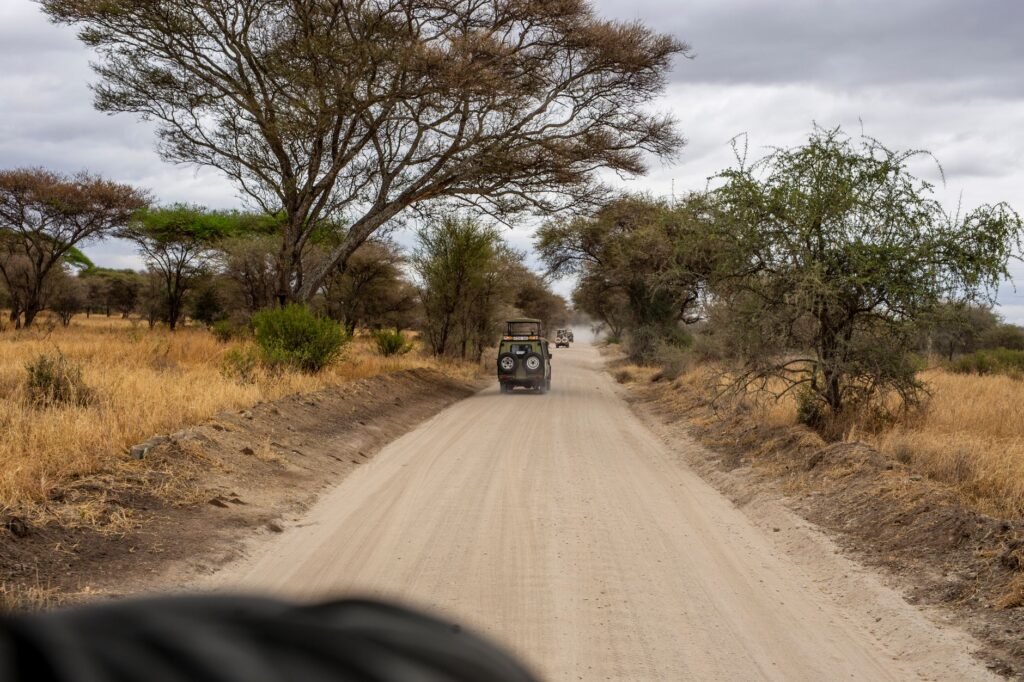
Wet / Green Season (November–May, with a short dry spell in January–February): Rain returns in two phases—the short rains (November–December) and the long rains (March–May). The landscape turns lush and green, crowds thin significantly, and rates at many camps drop. Certain roads, particularly in the Western Corridor and remote areas, can become challenging after heavy rainfall, but modern four-wheel-drive vehicles handle most routes used by reputable operators.
Neither season is universally superior. Each presents genuine trade-offs.

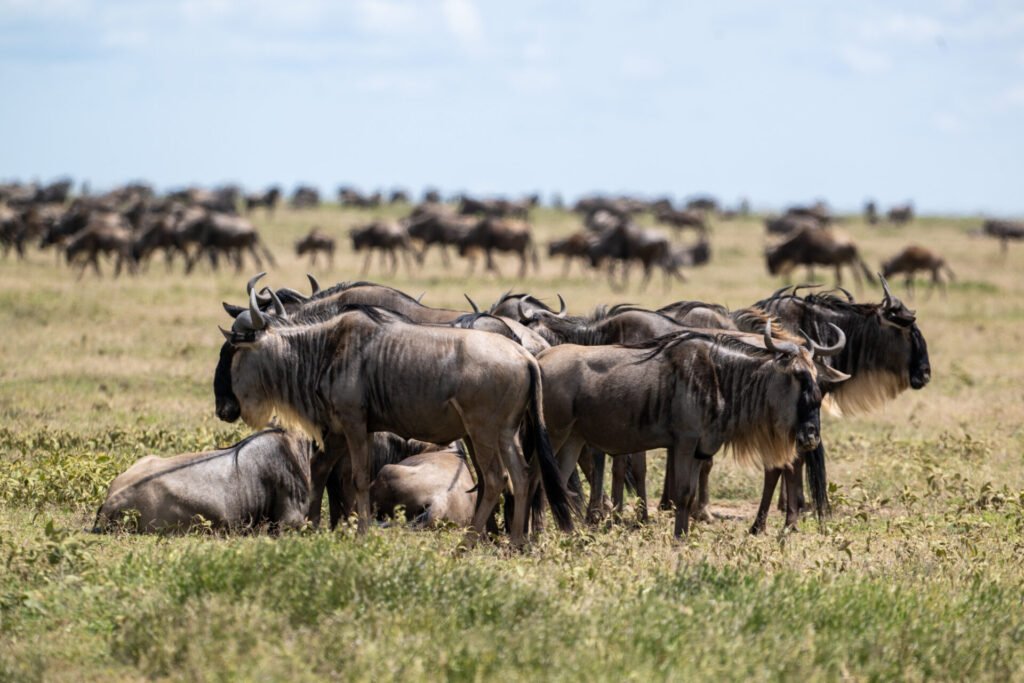
The Great Migration is one of the most iconic wildlife spectacles on Earth—roughly 1.5 million wildebeest, plus hundreds of thousands of zebra and gazelle, moving in a continuous loop across the Serengeti ecosystem and into Kenya's Masai Mara. Here is where the herds typically are, month by month:
| Month | Location | Key Event |
|---|---|---|
| January–February | Southern Plains / Ndutu | Calving season |
| March–April | Moving north through Central Serengeti | Migration in transit |
| May–June | Western Corridor | Grumeti River crossings |
| July–October | Northern Serengeti / Masai Mara border | Mara River crossings |
| November–December | Beginning return south | Dispersed movement |
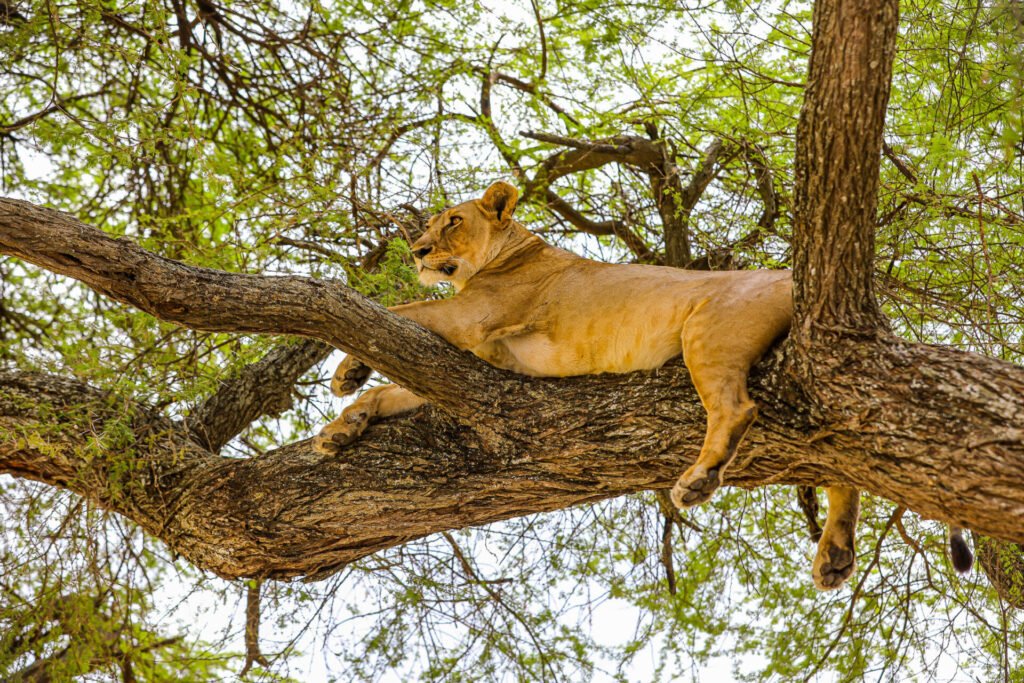
Calving season is one of the Serengeti's most underrated spectacles. Up to 8,000 calves are born daily during peak calving weeks in late January and February. This draws extraordinary predator activity—cheetah, lion, hyena, and wild dog are highly visible on the open southern plains. Crowds are moderate, weather is relatively dry (a lull between rain phases), and this period represents outstanding value for money compared to July–October peak rates.
Best for: Families, photographers, first-time safari travelers, budget-conscious visitors.
As the long rains ease, the herds push northwest toward the Grumeti River. Grumeti crossings are less dramatic than the Mara but far less crowded. June in particular offers a powerful combination: the herds are present, the landscape is still lushly green, and lodges begin transitioning toward peak-season pricing—meaning early June can still offer comparative value.
Best for: Travelers who want river crossings without the Northern Serengeti crowds.
This is the season most people picture when they imagine a Serengeti safari. The Mara River crossings—where thousands of wildebeest plunge into crocodile-filled water—are the defining drama. July and August are the peak of peak season: highest prices, most vehicles at crossing points, and the earliest booking requirements. September and October often deliver equally impressive crossings with slightly fewer visitors.
Best for: Travelers whose primary goal is witnessing a Mara River crossing.
Practical note for USA travelers: July–August coincides with American summer vacation. Flight availability from major US hubs (New York, Los Angeles, Chicago) to Kilimanjaro or Arusha fills early. Book 9–12 months in advance for July–August travel.
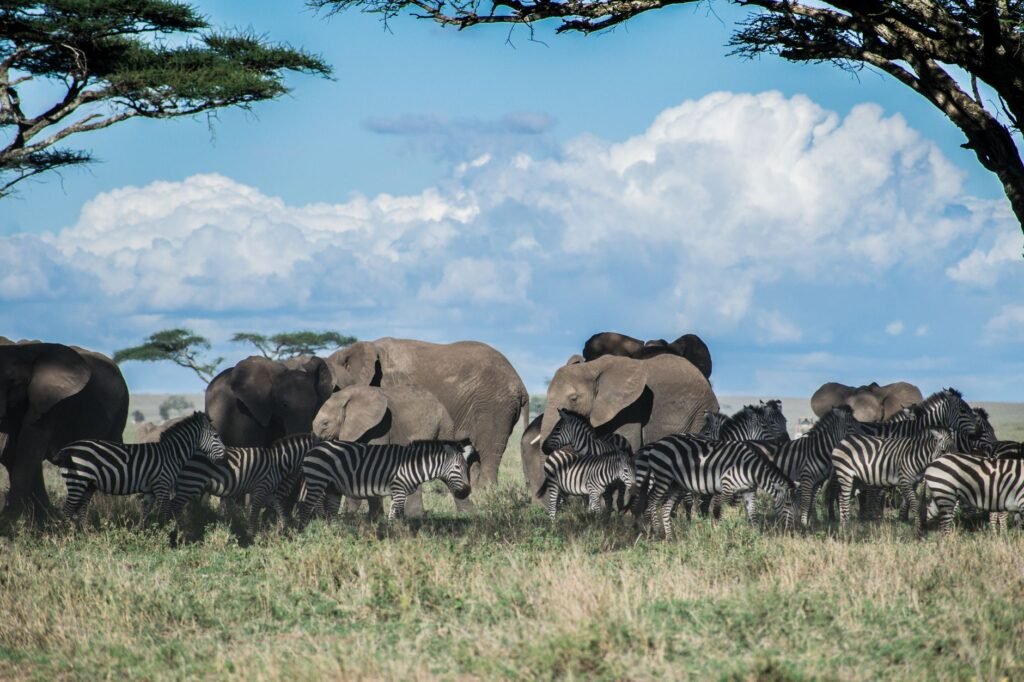
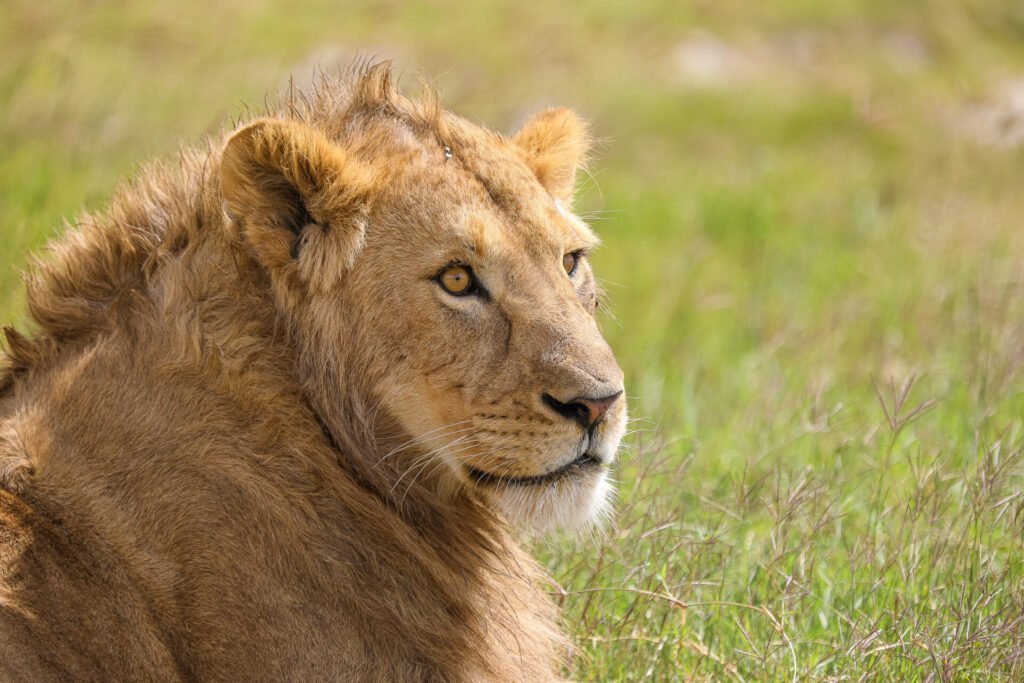
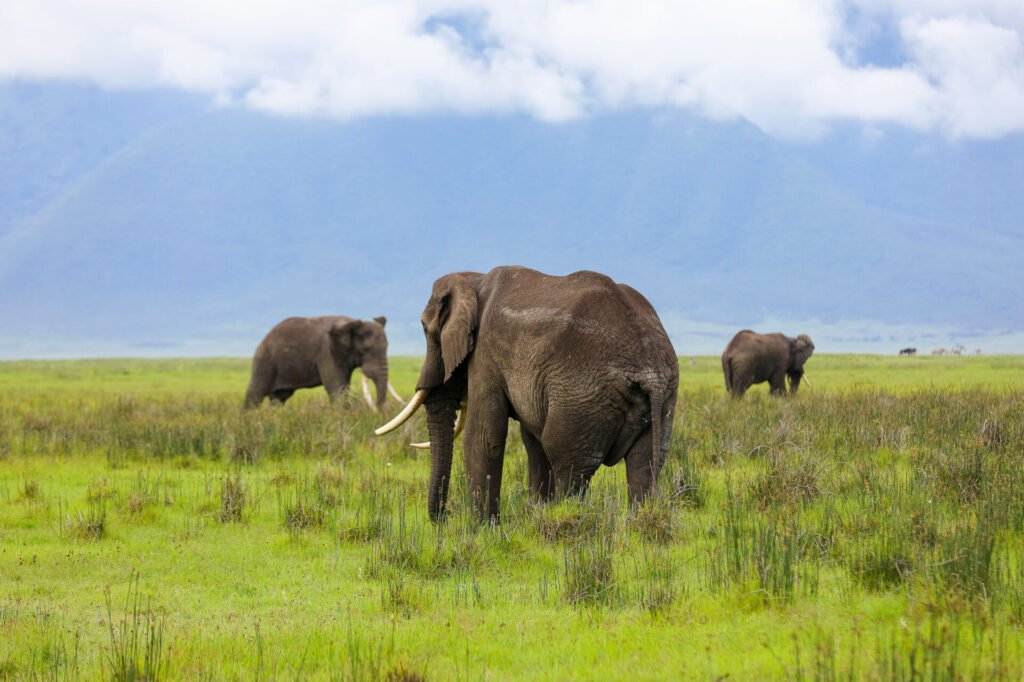
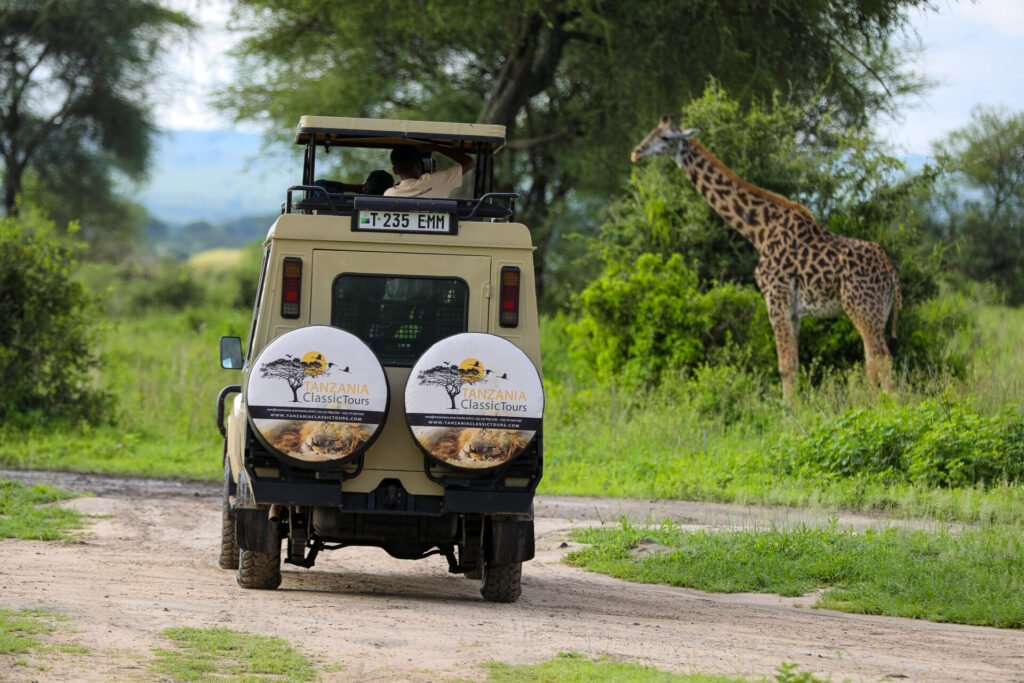
Many exceptional safari experiences have nothing to do with wildebeest. The Serengeti hosts one of Africa's densest populations of lion, leopard, cheetah, elephant, giraffe, hippo, and crocodile year-round. If migration is not your primary driver, these seasons deserve serious consideration:
October–November: An underappreciated window. The northern herds begin their return south. Crowds thin as European and American tour groups depart. Short rains arrive but are typically brief afternoon showers rather than all-day downpours. Excellent photography light and far fewer vehicles at sightings.
March–April (Long Rains): The quietest and most affordable period. Roads in some areas require experienced drivers and capable vehicles, but reputable operators manage this routinely. Birdwatching peaks dramatically—over 500 species are recorded in the Serengeti, and migratory birds from Europe and Asia are present in large numbers. The landscape is extraordinarily beautiful: vivid green, dramatic skies, and very few other tourists.
Best for: Birders, photographers seeking atmospheric conditions, budget-conscious travelers, and repeat safari visitors seeking a different Serengeti experience.
Peak season (July–October) commands premium pricing across virtually all lodge and camp categories. The most sought-after camps in the Northern Serengeti—particularly those with Mara River views—can sell out more than a year in advance for August.
Shoulder seasons (November, January–February, June) offer a meaningful balance: reasonable wildlife activity, moderate pricing, and manageable visitor numbers. These are the months that experienced safari operators often recommend to clients who want value without sacrificing quality.
Low season (March–May) brings the steepest discounts. Many luxury camps offer significant rate reductions during this period, and some temporarily close in April. For travelers flexible enough to travel in March or early May, the savings can be substantial—and the experience genuinely different.
US holiday calendar consideration: December through early January is a high-demand period globally. Christmas and New Year's travel to Tanzania is popular and expensive. If your window is December, book 10–12 months ahead. Thanksgiving week (late November) is a quieter time to visit—flight connections from the US are competitive, and the Serengeti sees modest visitor numbers.
Flights: Most US travelers connect through Amsterdam (KLM), Doha (Qatar Airways), Nairobi (various), or Istanbul (Turkish Airlines) to Kilimanjaro International Airport (JRO) or Julius Nyerere International Airport (DAR). Flight times from East Coast US cities total approximately 18–22 hours with connections. Allow a buffer day in Arusha before your first safari departure.
Visa: US citizens require a Tanzania e-Visa, which can be applied for online. Processing typically takes 3–10 business days. Apply at least 3–4 weeks before departure. The East Africa Tourist Visa (covering Tanzania, Kenya, and Uganda) is an option if you plan to cross into the Masai Mara side or visit Uganda.
Booking lead times by season:
A Serengeti safari pairs naturally with a Zanzibar beach extension—a combination that Tanzania Classic Tours has designed and refined for hundreds of international travelers. After the dust of the savanna, a few days on Zanzibar's white-sand beaches and turquoise water is an ideal reset. The best beach conditions in Zanzibar align well with the dry safari season (June–October), making a combined itinerary highly logical.
Explore our Zanzibar vacation packages to see how a seamless Serengeti-to-coast itinerary works in practice.
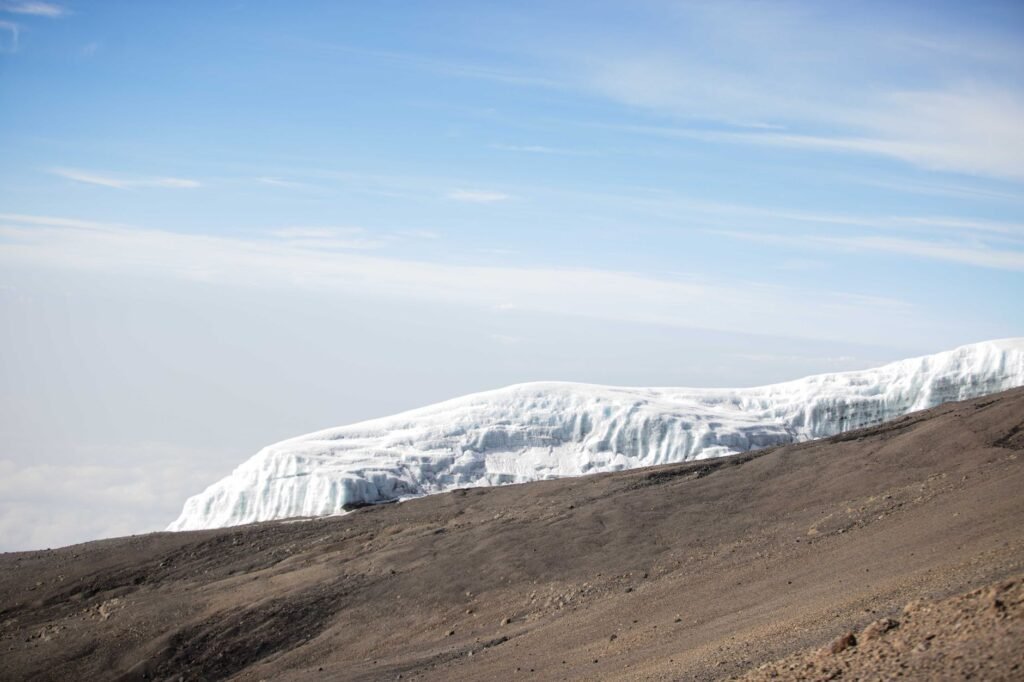
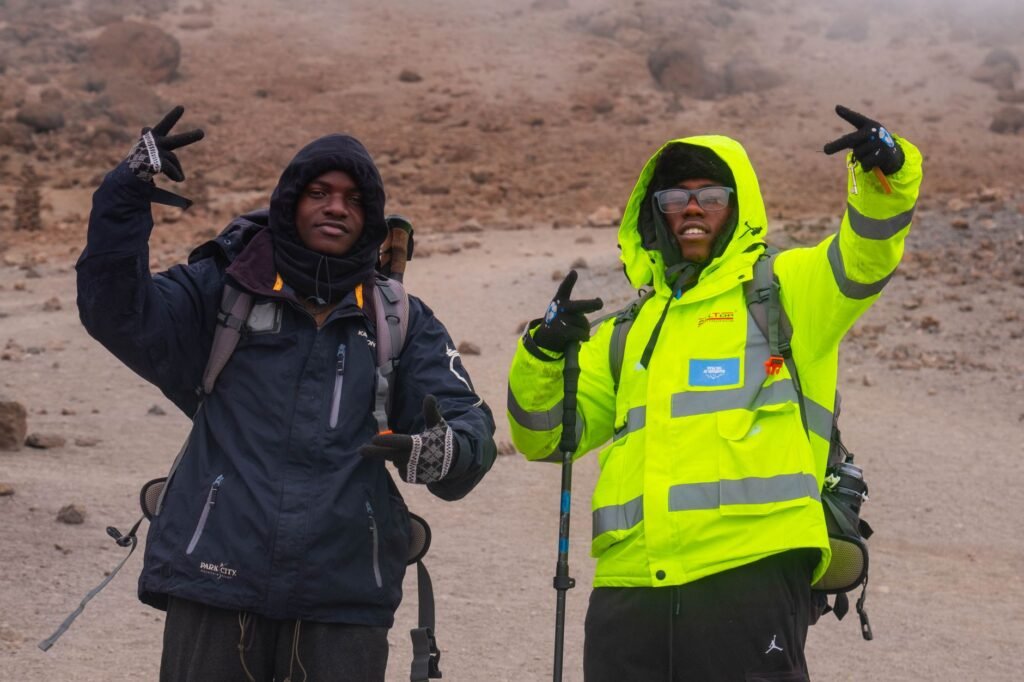
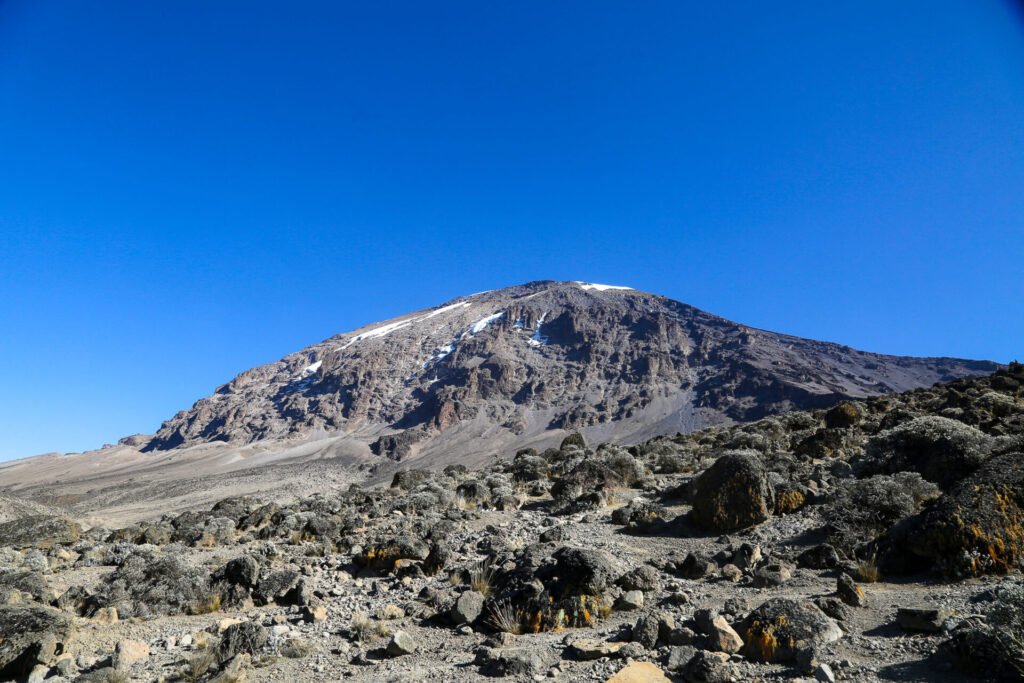
For travelers also interested in East Africa's other iconic experience, Mount Kilimanjaro climbs can be combined with a Serengeti safari—January–February and June–October are the most favorable climbing windows. Visit our Kilimanjaro climbing tours page for route and season details.
You can also browse all our Tanzania safari offerings on our destinations page.
| Your Priority | Best Months | Region Focus |
|---|---|---|
| Mara River crossings | July–October | Northern Serengeti |
| Calving + predators | January–February | Southern Plains / Ndutu |
| Budget + quiet | March–May | Central Serengeti |
| Value + good wildlife | November, June | Central / Western |
| Birdwatching | November–April | Park-wide |
| Photography (green) | January, November | Southern & Central |
| Grumeti crossings | May–June | Western Corridor |
| Combined Zanzibar trip | June–October | Northern / Central |
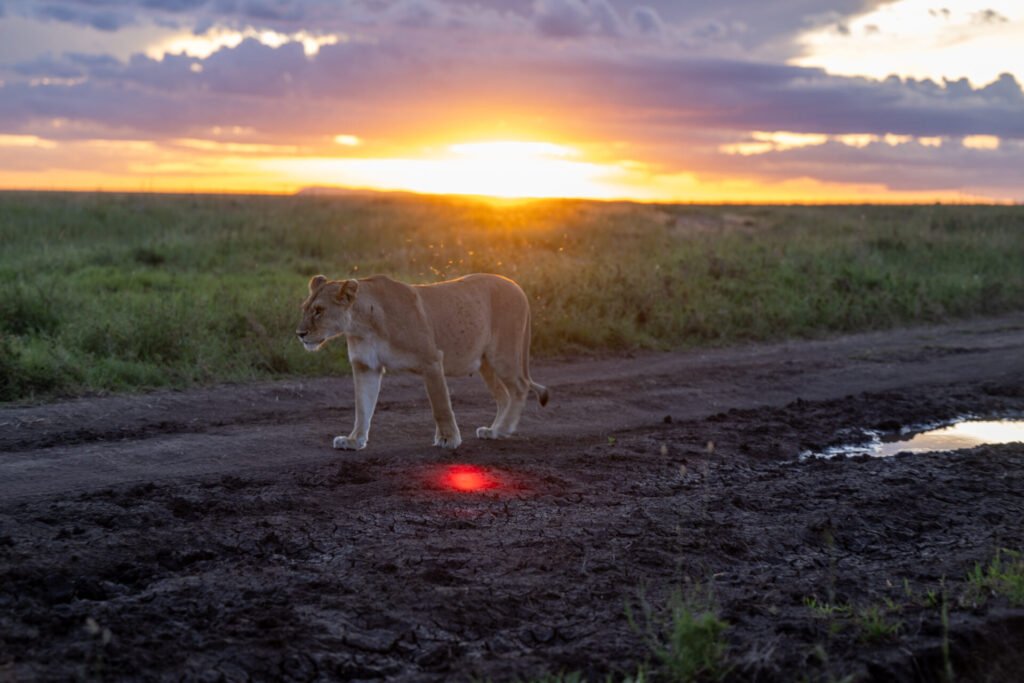
The best time to visit Serengeti in 2026–2027 is the month that matches what you actually want from your safari—not what any single calendar ranking tells you. The Great Migration is extraordinary, but so is watching a cheetah teach her cubs to hunt on the open southern plains in February, or photographing a lion pride silhouetted against a stormy green-season sky.
At Tanzania Classic Tours, our team of Tanzania specialists helps clients across the USA, Germany, Italy, Spain, and France design itineraries that reflect their real priorities—not a generic "best season" recommendation. We have first-hand knowledge of how each month feels on the ground, which camps deliver consistently in each zone, and how to coordinate complex multi-destination trips without wasted days or logistical stress.
Learn more about us and how we plan bespoke Tanzania safaris, or get in touch directly to start planning your 2026–2027 Serengeti safari with a specialist who knows the park intimately.