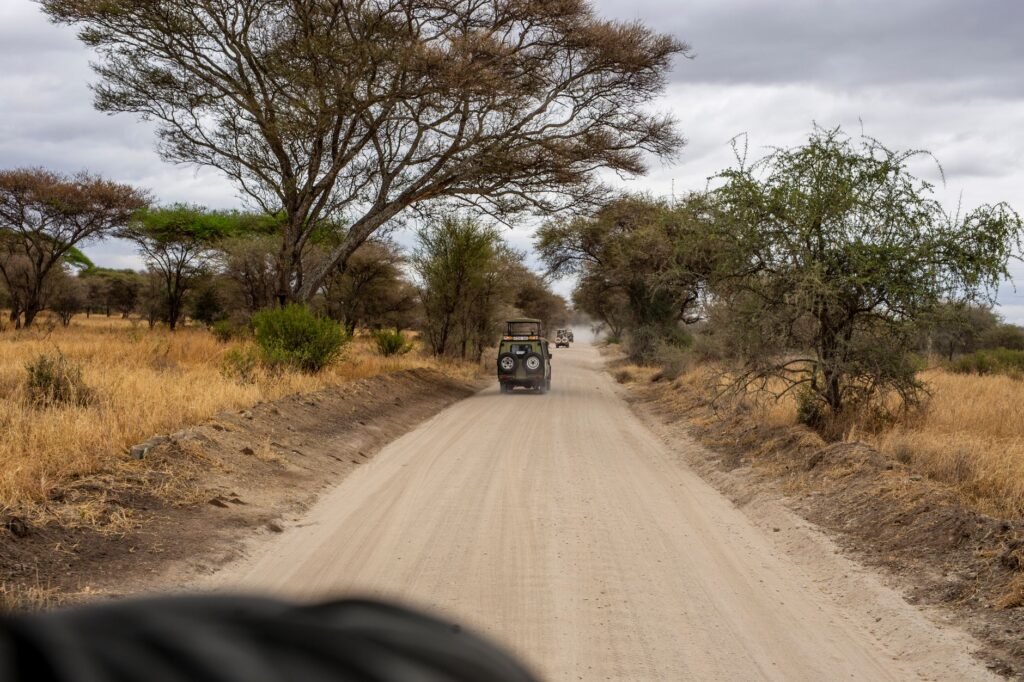
Tanzania consistently ranks among the world's premier wildlife destinations, and for good reason. The Serengeti's sweeping plains, the Ngorongoro Crater's dense wildlife, and Tarangire's ancient baobab forests collectively deliver the kind of safari experience that most travelers only dream about. But turning that dream into a well-planned, safe, and fairly priced trip requires more than a Google search. This guide gives you a structured framework — covering costs, seasons, safety, operator vetting, and logistics — so you can make a confident booking decision for 2026–2027.
One of the most common frustrations among first-time safari planners is the wide price range with little explanation of what drives the difference. Here's a realistic breakdown for 2026–2027, priced in USD per person per day (inclusive of accommodation, park fees, and guiding):
Budget safaris typically use shared group vehicles (7–10 passengers), basic tented camps, and set itineraries with limited flexibility. Park entrance fees for Serengeti National Park alone run approximately $70–$82 per adult per day (2025–2026 Tanzania National Parks Authority rates), which already consumes a significant portion of a budget package. Expect shared facilities, simple meals, and larger group dynamics. These tours are viable for travelers prioritizing access over comfort.
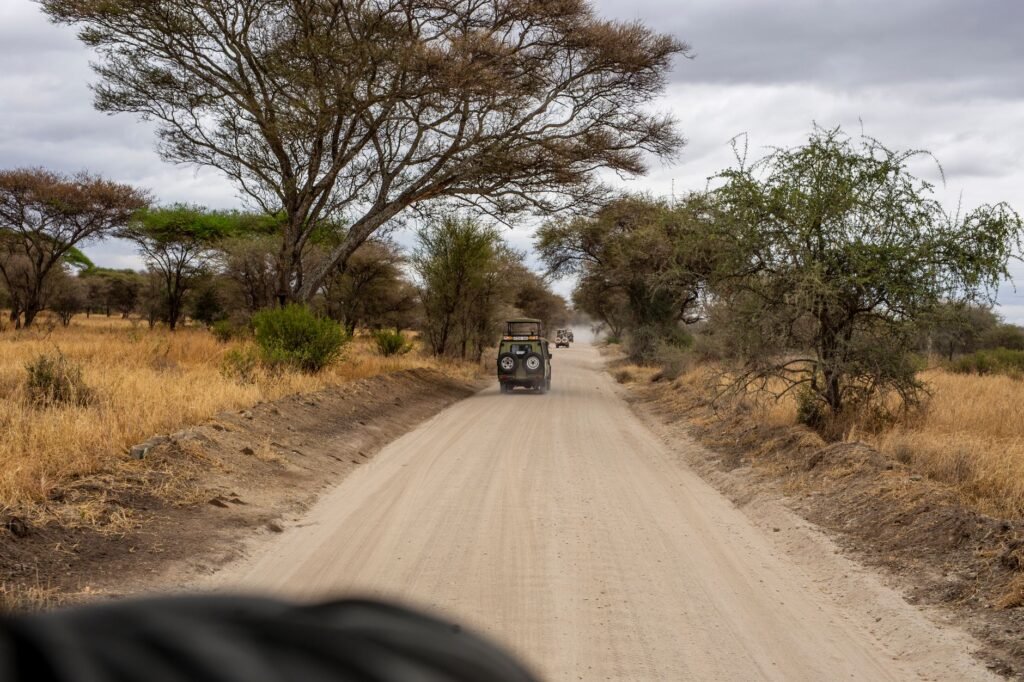
Mid-range packages use smaller group vehicles (4–6 passengers), comfortable tented lodges or mid-level lodges with en-suite bathrooms, and experienced professional guides. This is the most popular tier for US travelers and often represents the best value — combining genuine wildlife access with reasonable comfort. A 7-night mid-range Serengeti and Ngorongoro package typically costs $3,500–$5,500 per person, inclusive of most meals, park fees, and ground transfers from Arusha. (See also: Tanzania honeymoon safari packages for specialized itineraries.)
Luxury safaris feature private vehicles, exclusive-use fly camps or premium lodges (some with private plunge pools), gourmet dining, and highly personalized guiding — sometimes including specialist naturalists or photography guides. Private air transfers between parks replace long road drives. A 10-night luxury itinerary combining Serengeti, Ngorongoro, and Tarangire can reach $15,000–$20,000+ per person. These packages often include conservation levies and community partnerships as standard.
What drives price differences? Vehicle exclusivity, accommodation tier, guide-to-guest ratio, flight vs. road transfers, and whether park fees are bundled. Always request a detailed cost breakdown from any operator before signing — hidden fees for park fees, conservation levies, or airport transfers are a common source of sticker shock.
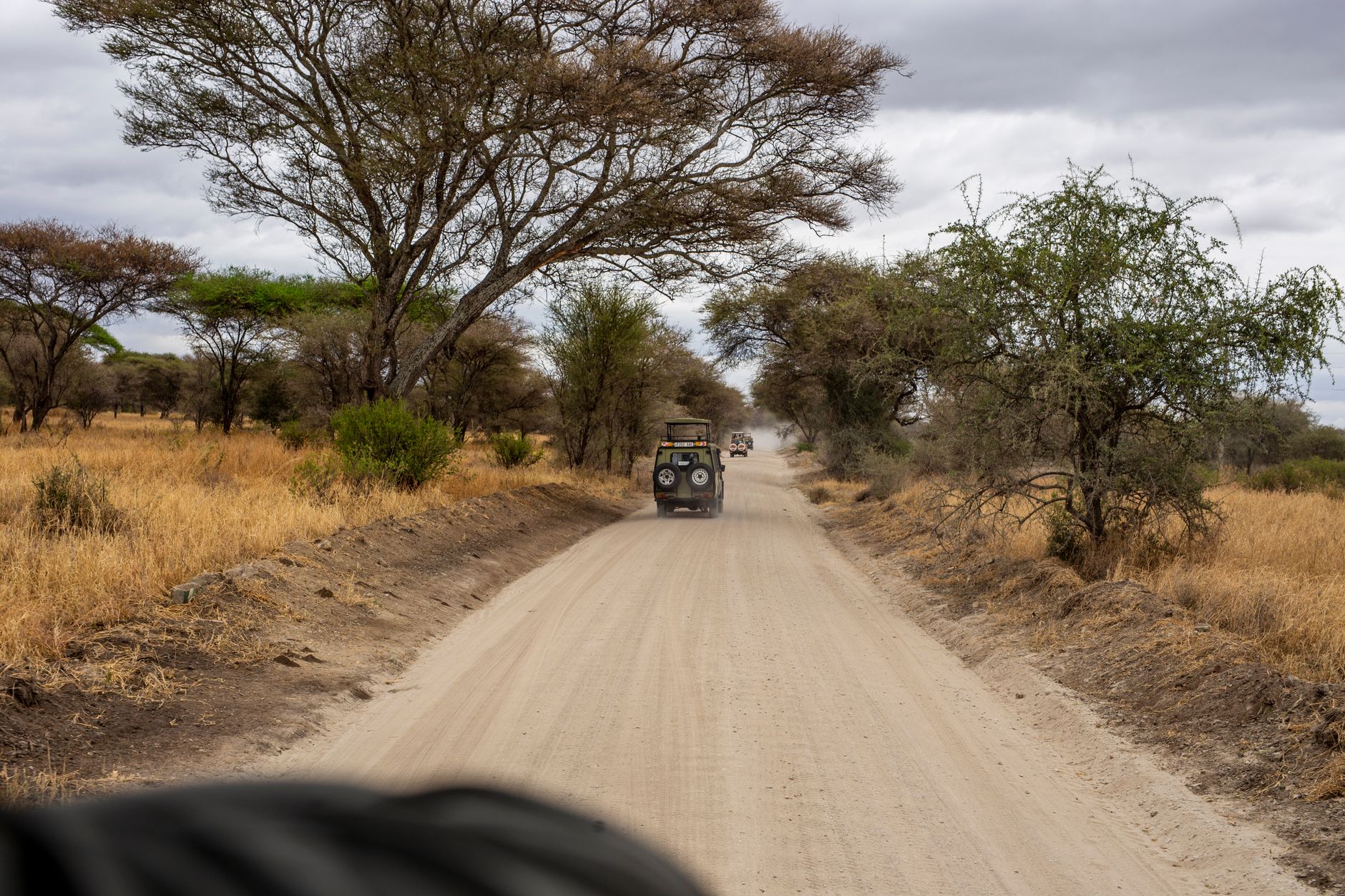
There is no universally perfect month — each season offers trade-offs, and the right timing depends on your priorities. (See also: best time to visit Serengeti for a detailed month-by-month breakdown.)
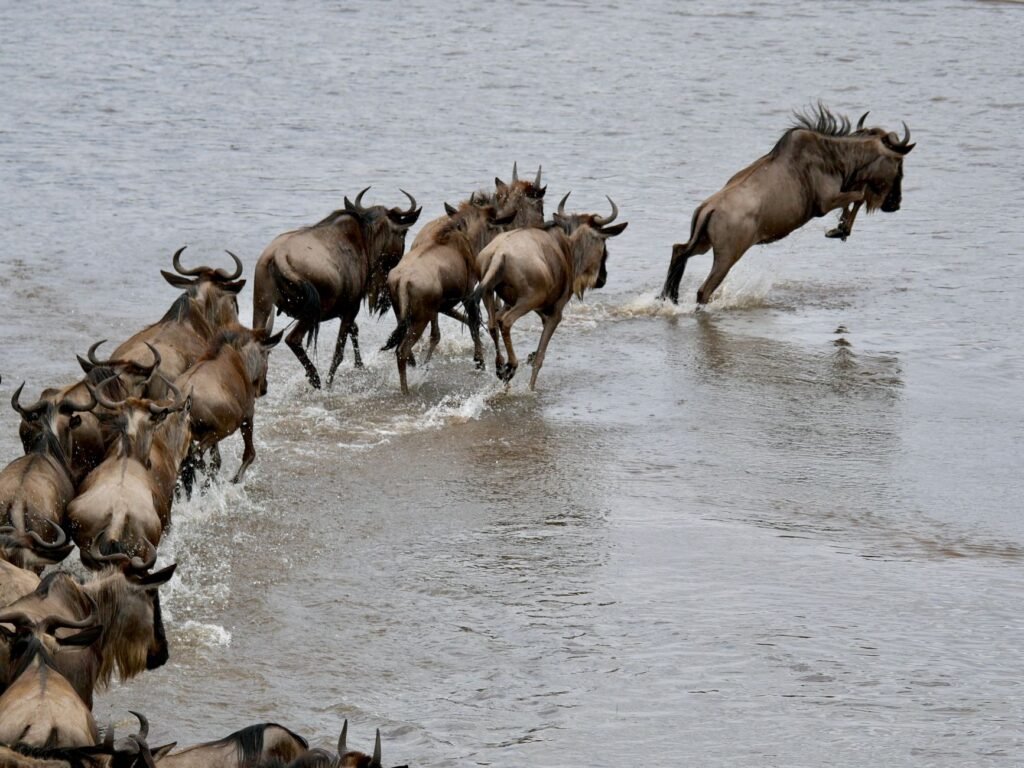
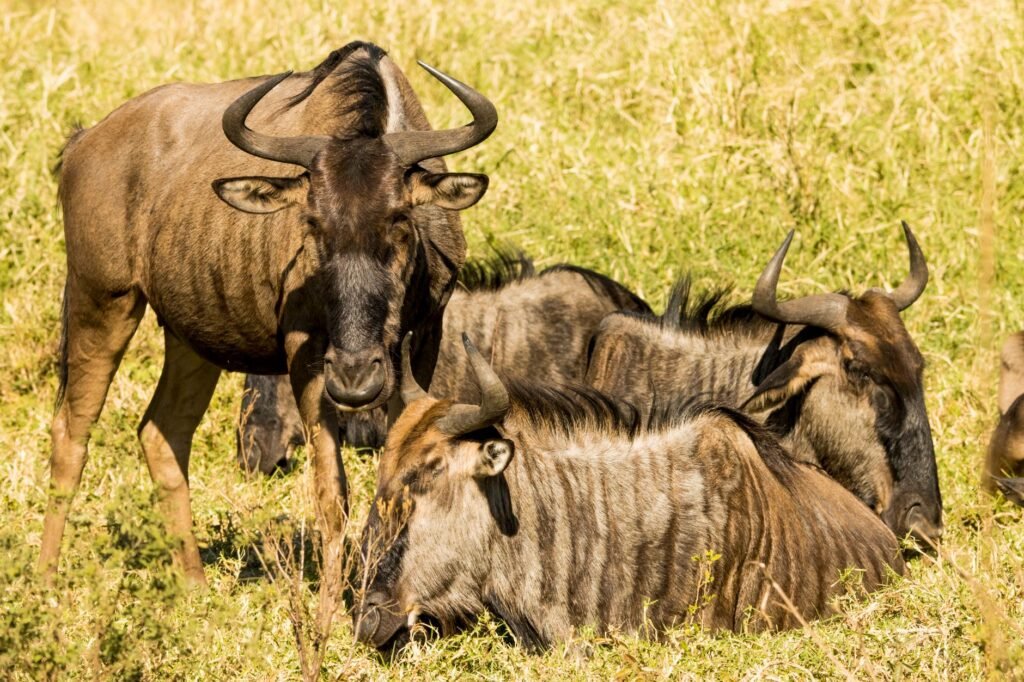
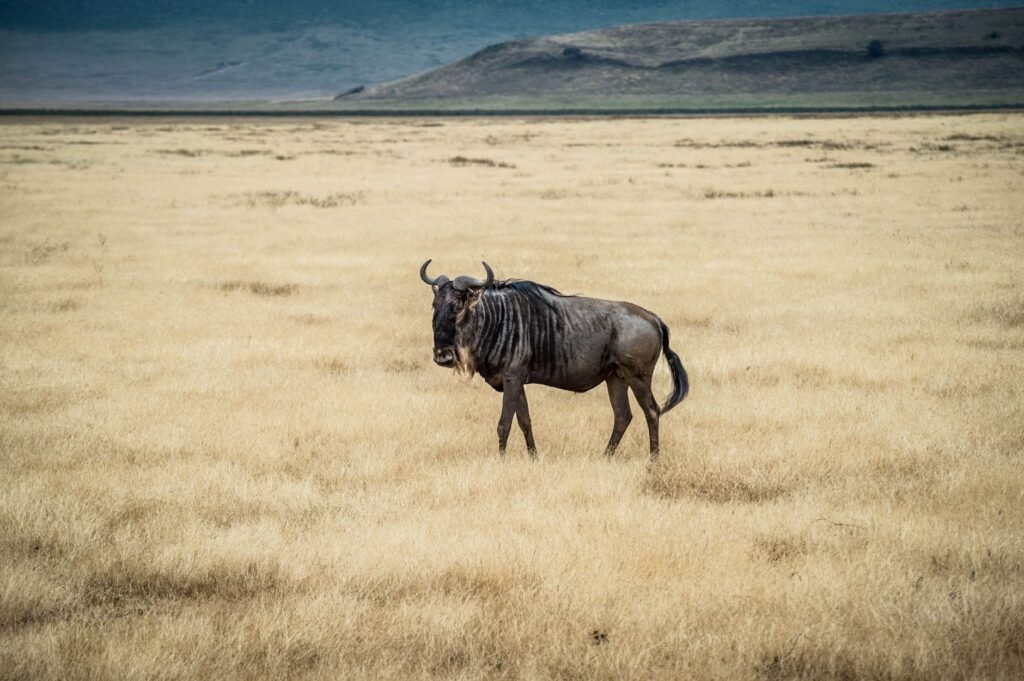
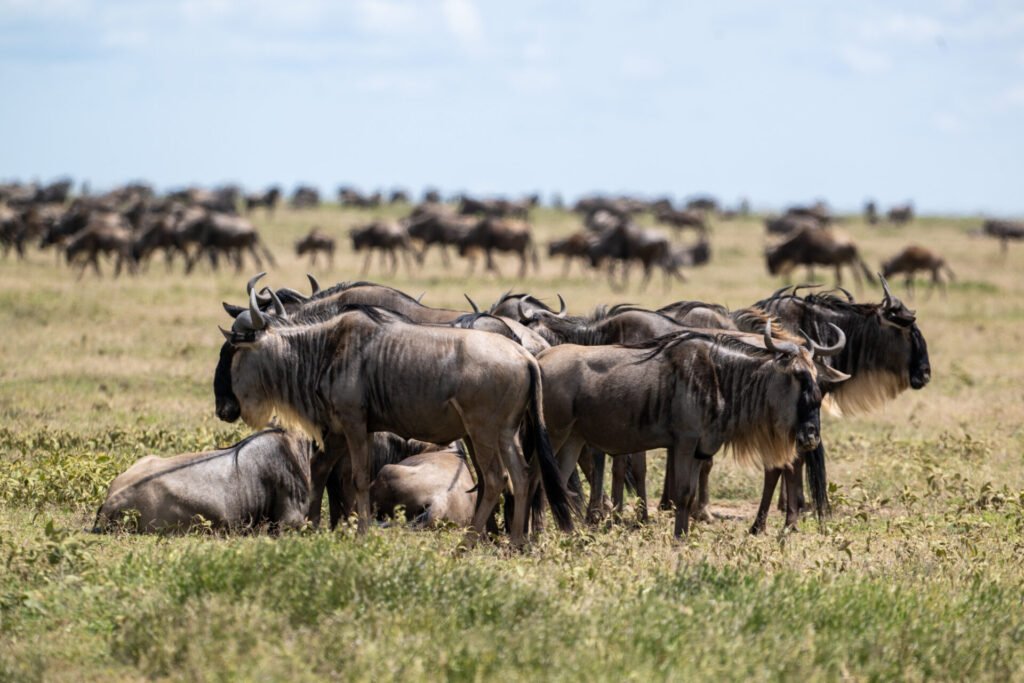
This is the classic safari window. Vegetation thins, water sources concentrate, and animals cluster around rivers and waterfalls — making wildlife viewing more predictable. The Serengeti's Great Wildebeest Migration river crossings typically occur July–September, drawing enormous interest. Expect higher prices (up to 30% above shoulder rates) and fuller lodges. Book 12–18 months in advance for peak months.
The short rains fall in November–December, and the long rains in March–May. Contrary to reputation, the green season offers genuine advantages: lower prices (up to 40% savings), fewer tourists, lush landscapes ideal for photography, and excellent bird-watching (November–April is peak for migratory birds). Calving season in Ngorongoro and southern Serengeti runs January–March, bringing predator activity. Road conditions in remote areas can be challenging in April–May — a trade-off worth discussing with your operator.
January–February and July–September represent the most popular windows for Americans balancing school calendars and wildlife density. For travelers with flexibility, November and December offer strong value with manageable conditions. Avoid April–May for first-time visitors unless specifically guided by an operator experienced in wet-season logistics.
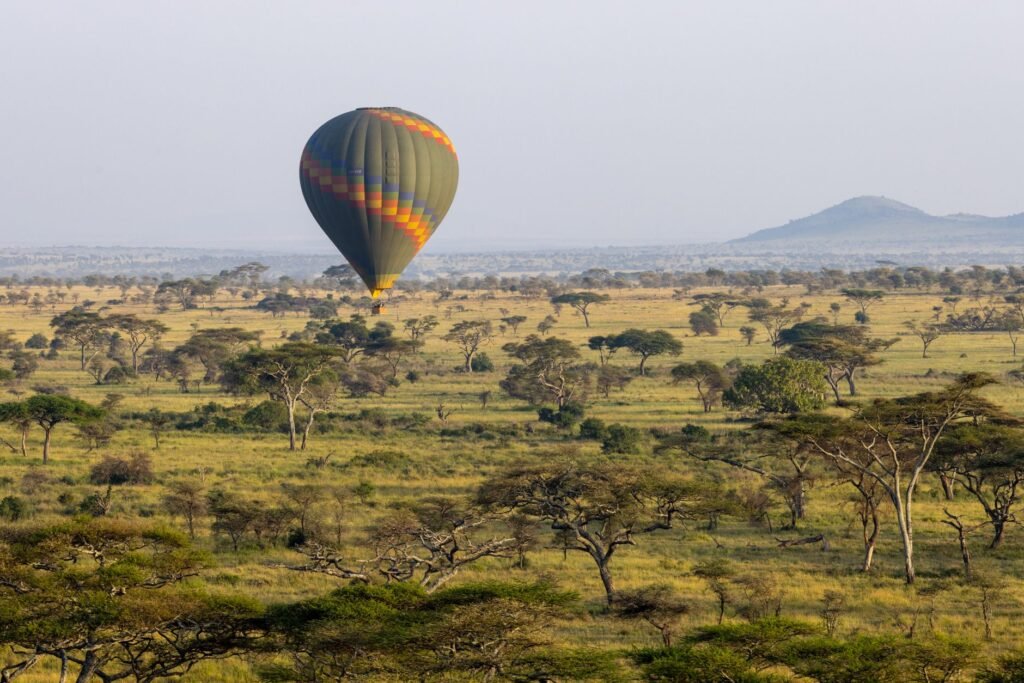
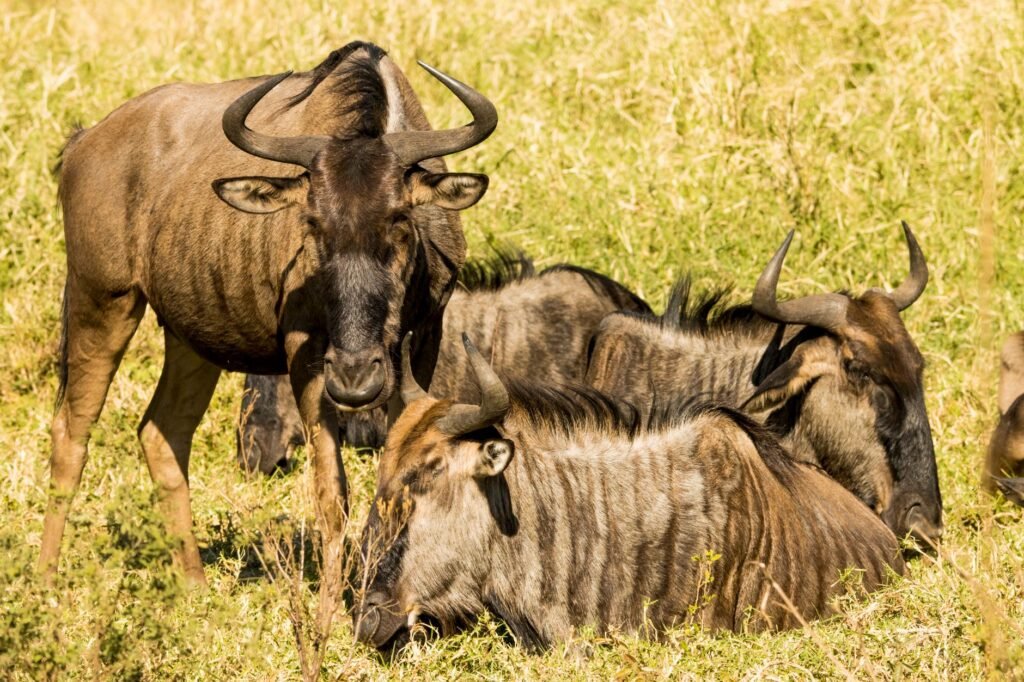
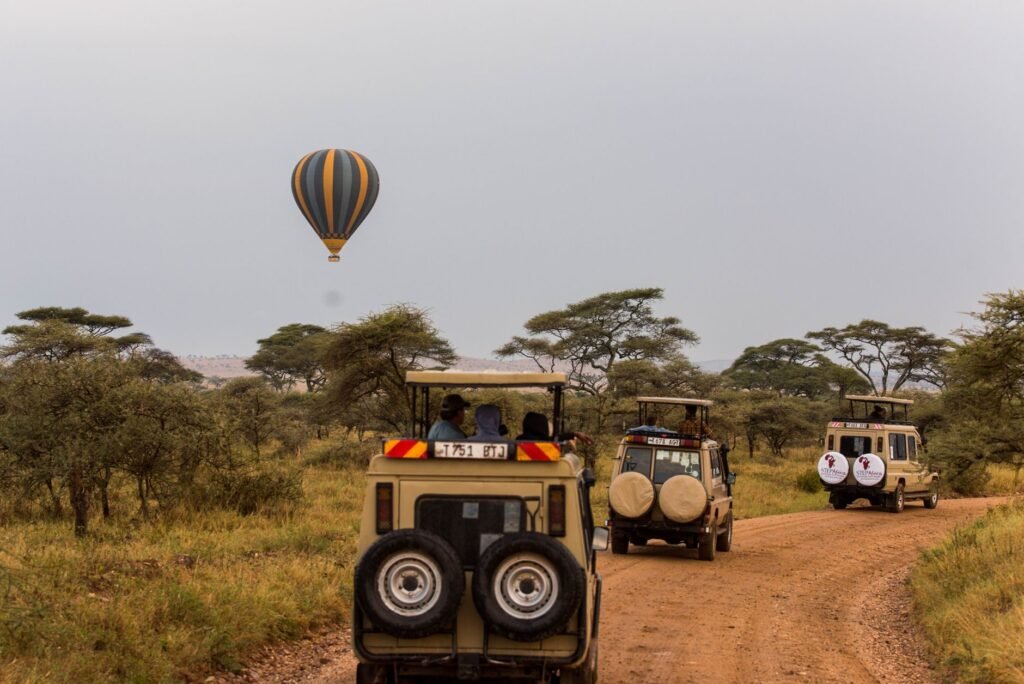
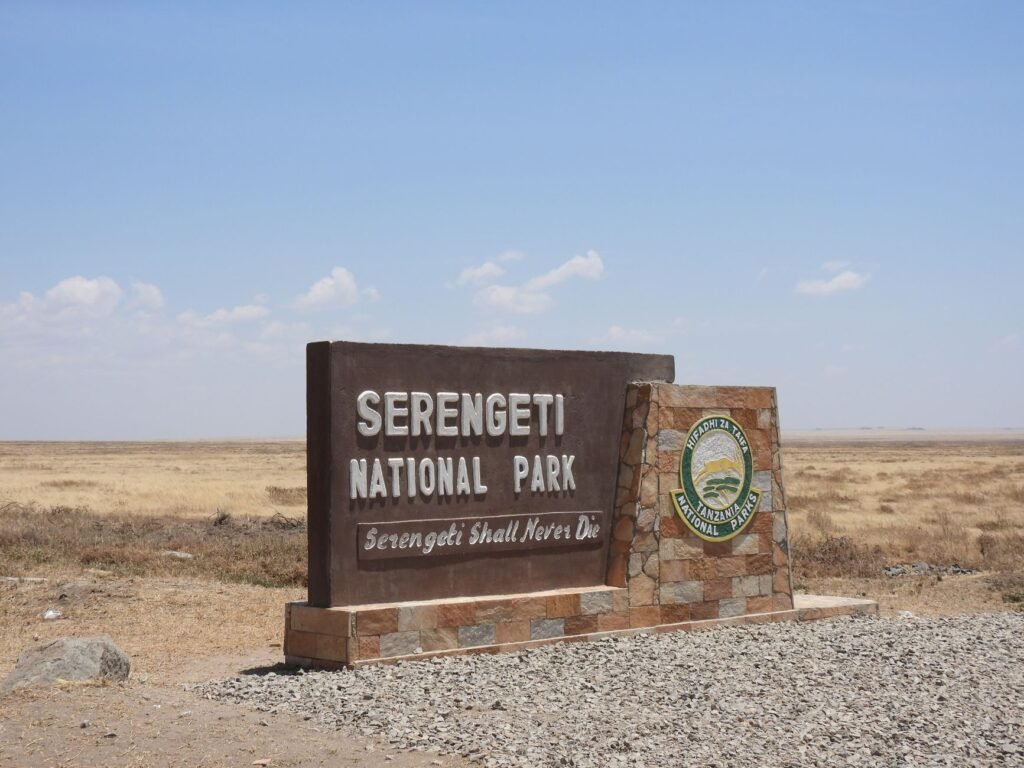
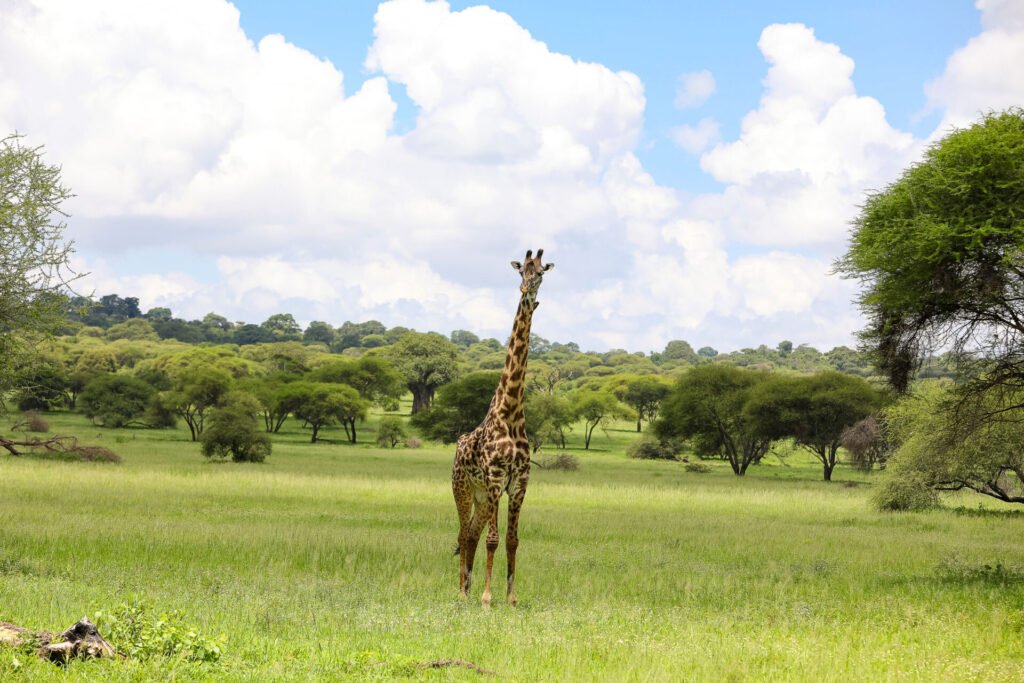
Serengeti National Park — Tanzania's flagship park, covering 14,750 sq km. Best known for the Great Migration but offers exceptional year-round game viewing. Central and northern Serengeti are prime zones depending on season.
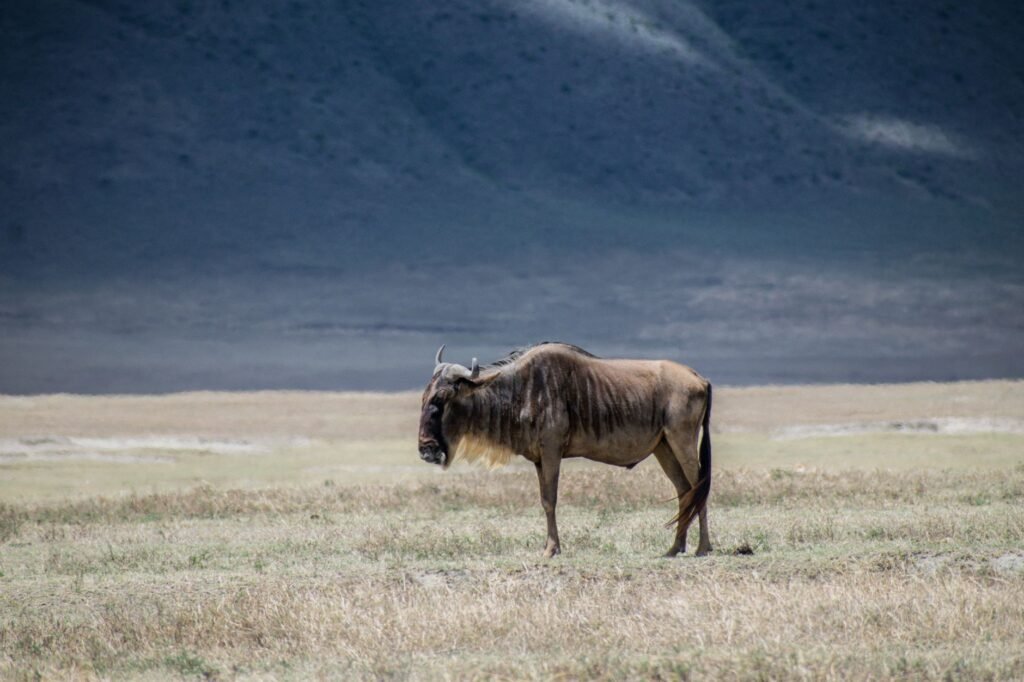
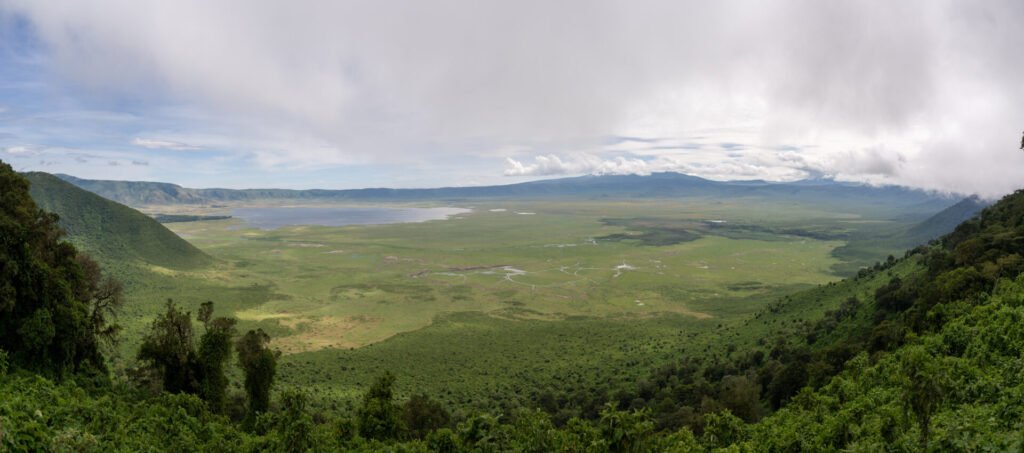
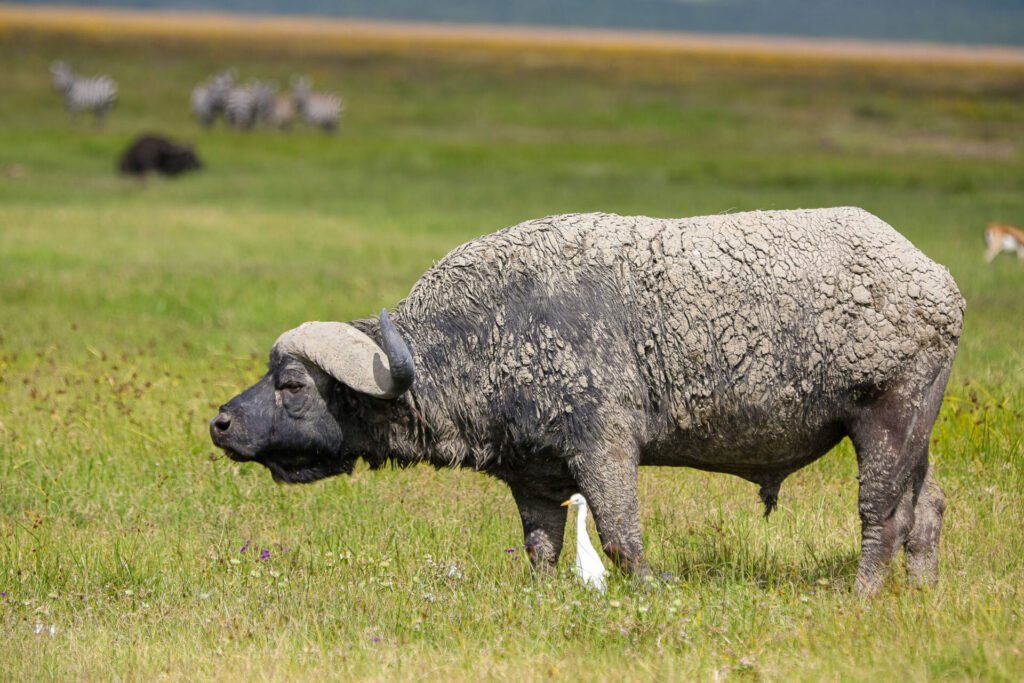
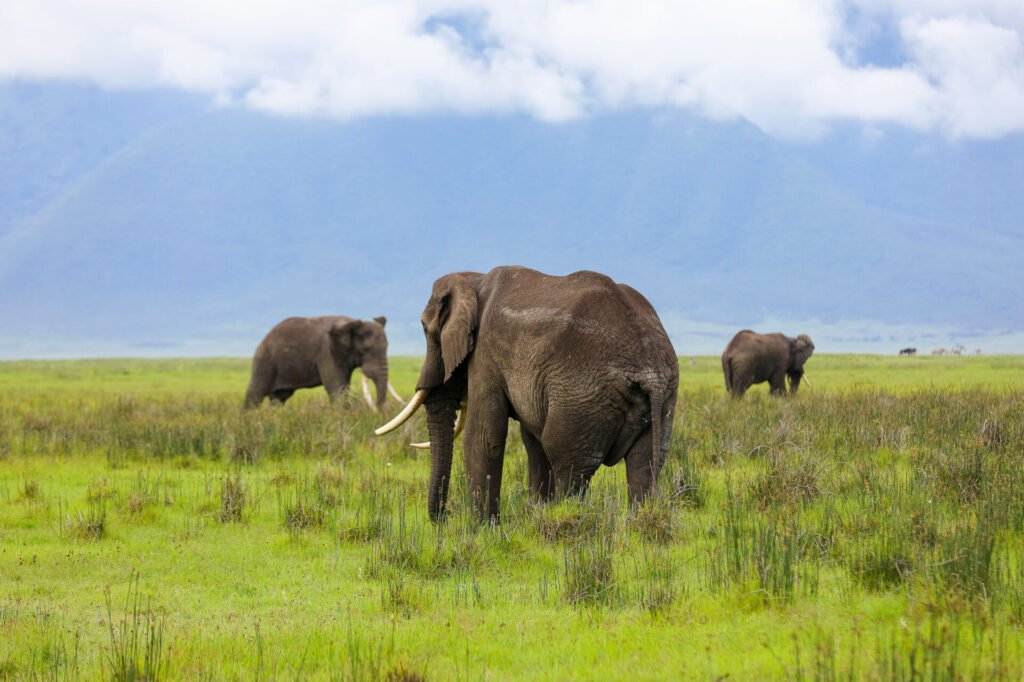
Ngorongoro Crater — A UNESCO World Heritage Site and one of the world's largest intact volcanic calderas. Its closed ecosystem supports one of Africa's densest wildlife populations, including a resident population of black rhinos. Day visits are standard; crater-rim lodges offer overnight stays.
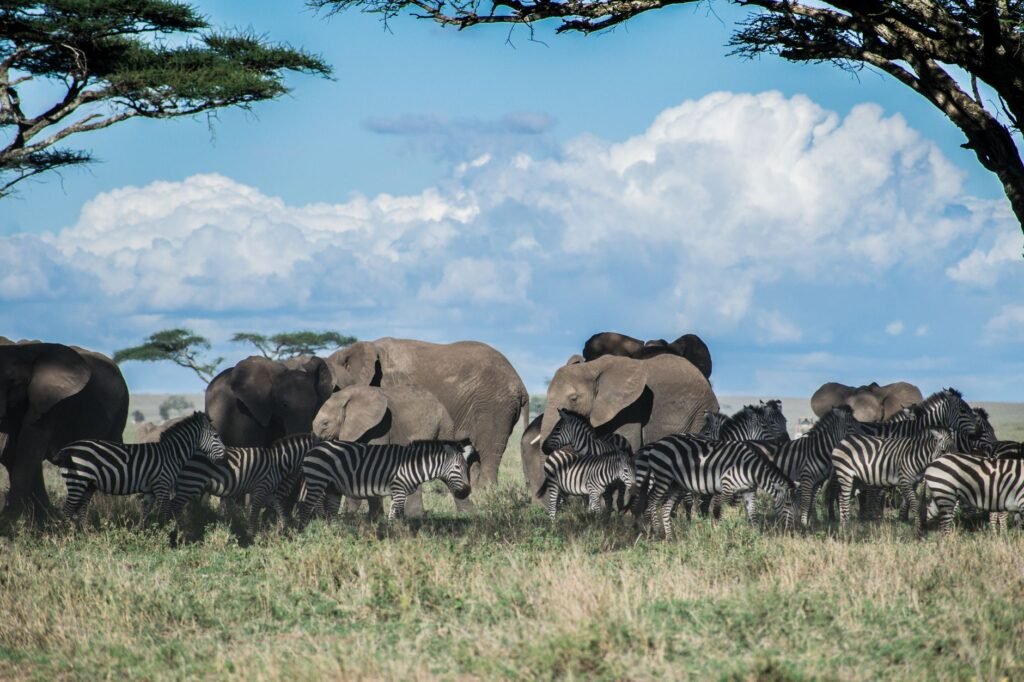
Tarangire National Park — Frequently underrated, Tarangire is exceptional June–October when elephant herds of 300+ gather along the Tarangire River. The ancient baobab landscape is unlike anywhere else in East Africa.
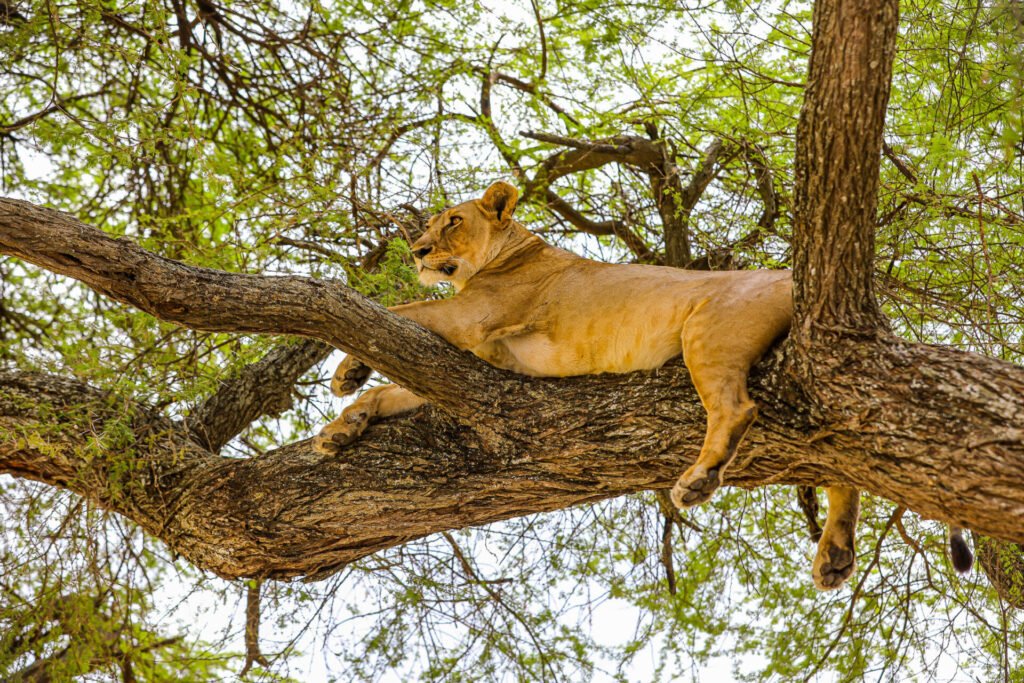
Lake Manyara National Park — Compact but diverse, with tree-climbing lions (observed but not guaranteed), flamingo aggregations, and a classic northern circuit connector role. Ideal as a one-day addition to a longer itinerary.
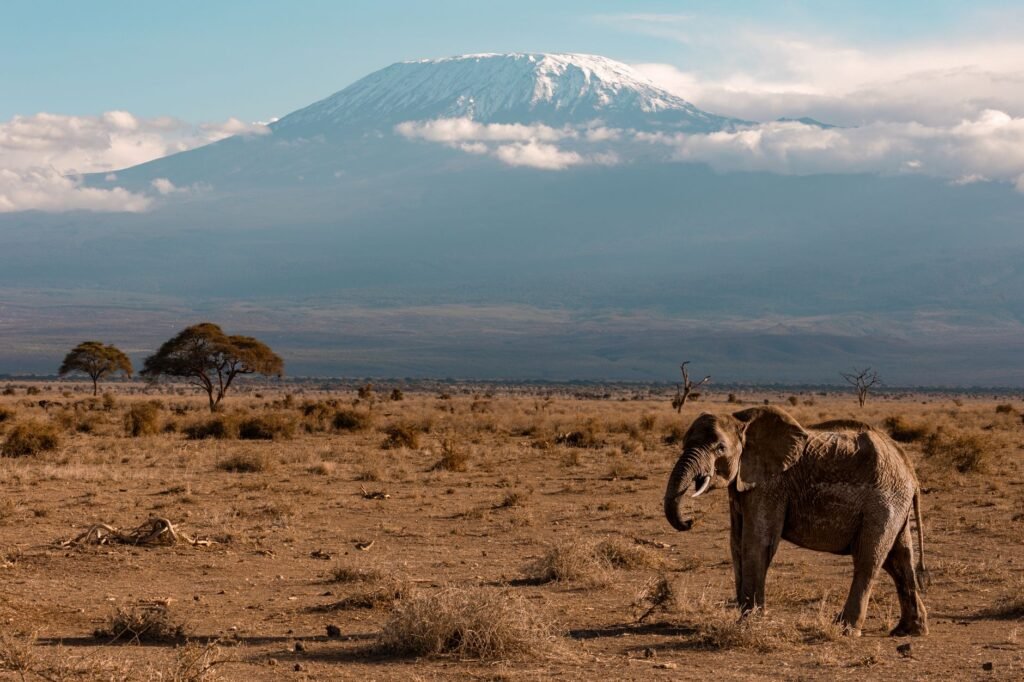
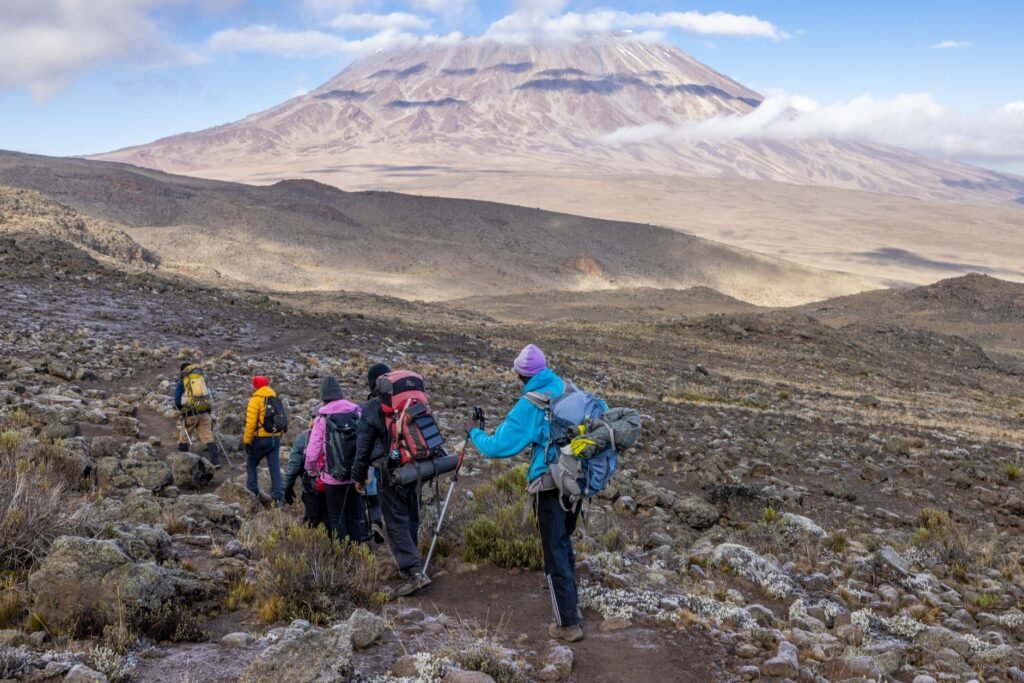
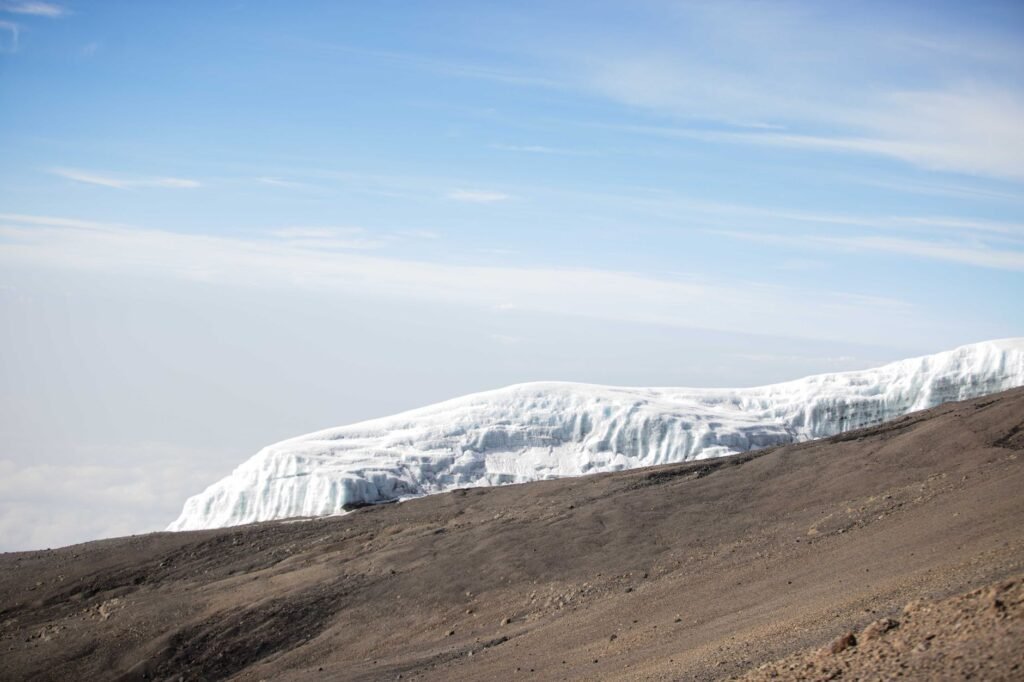
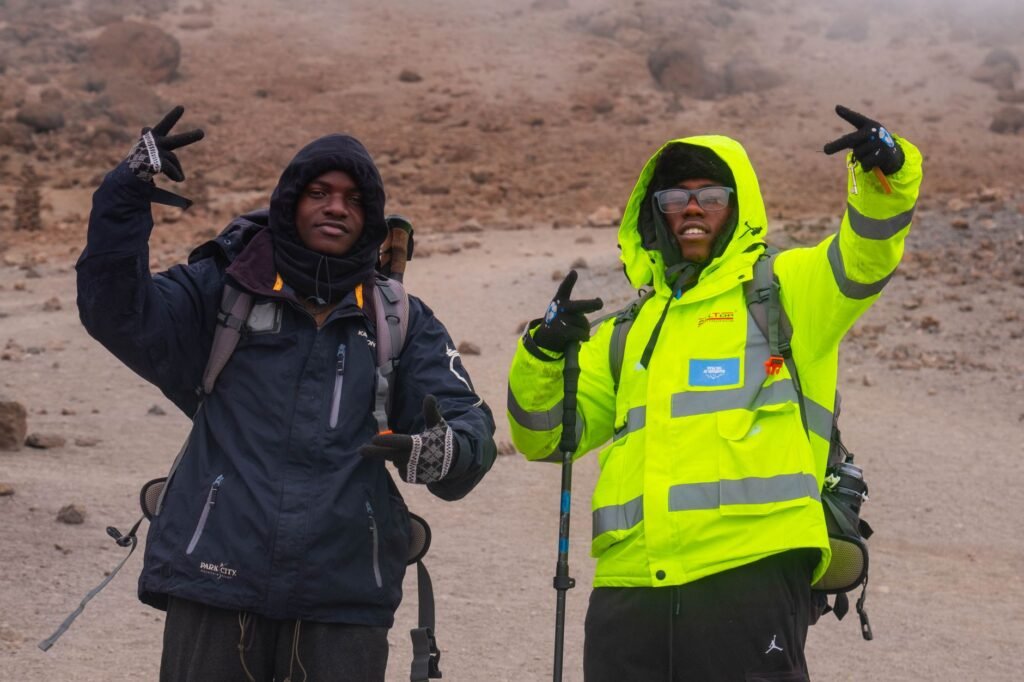
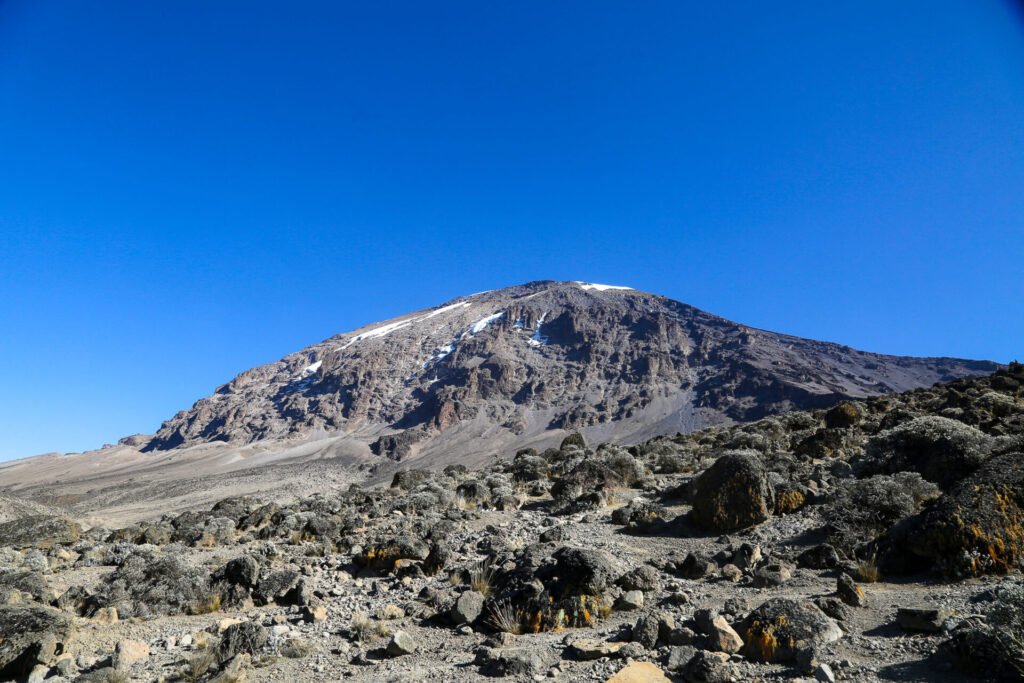
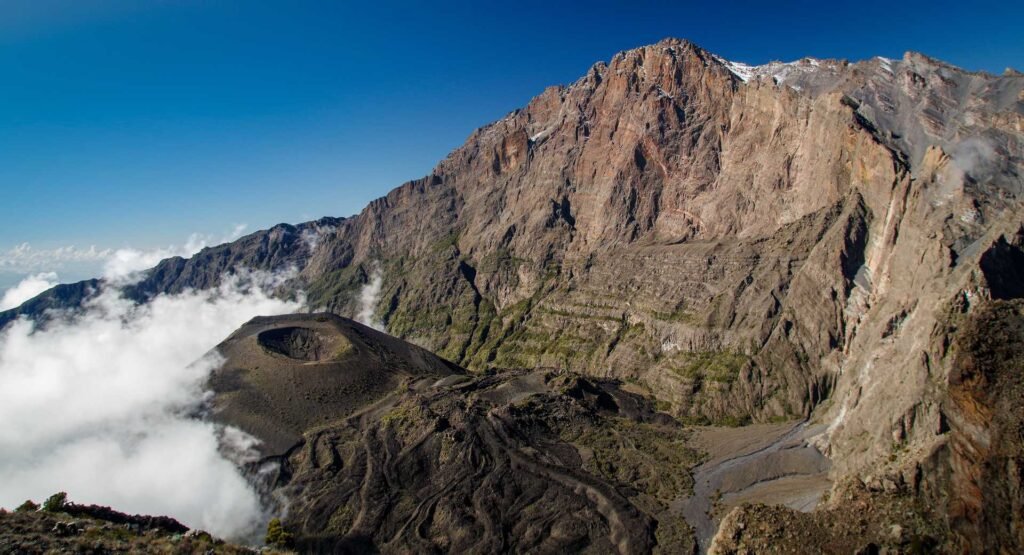
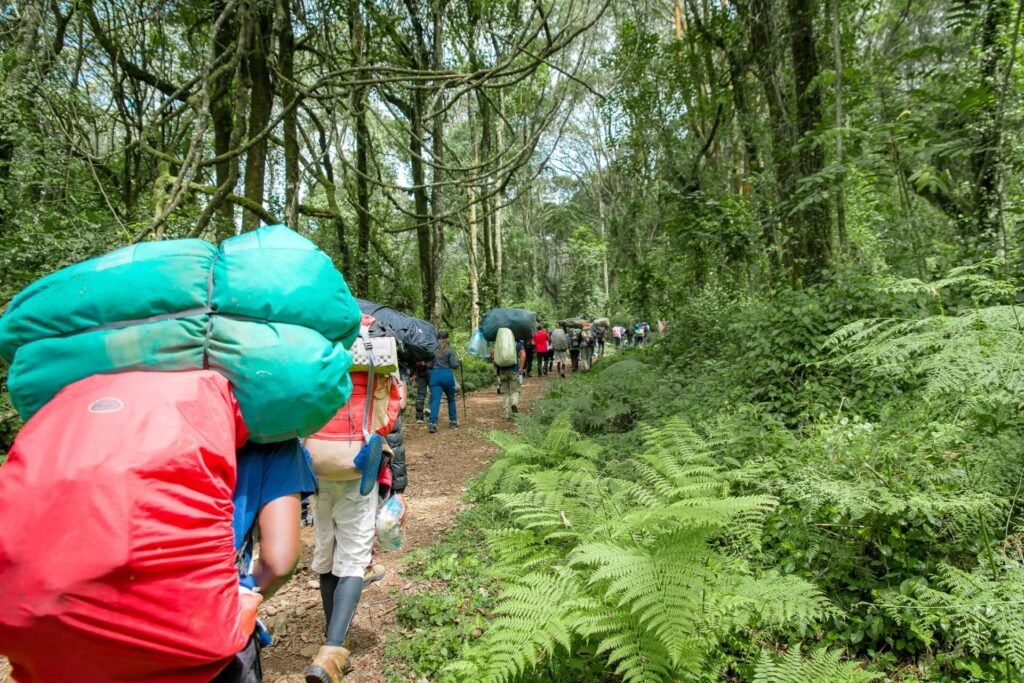
Mount Kilimanjaro Region — Africa's highest peak anchors the Kilimanjaro National Park and offers both trekking and a distinctive northern safari circuit. If you're considering combining a summit attempt with a safari, explore our Climbing options for detailed route and fitness guidance.
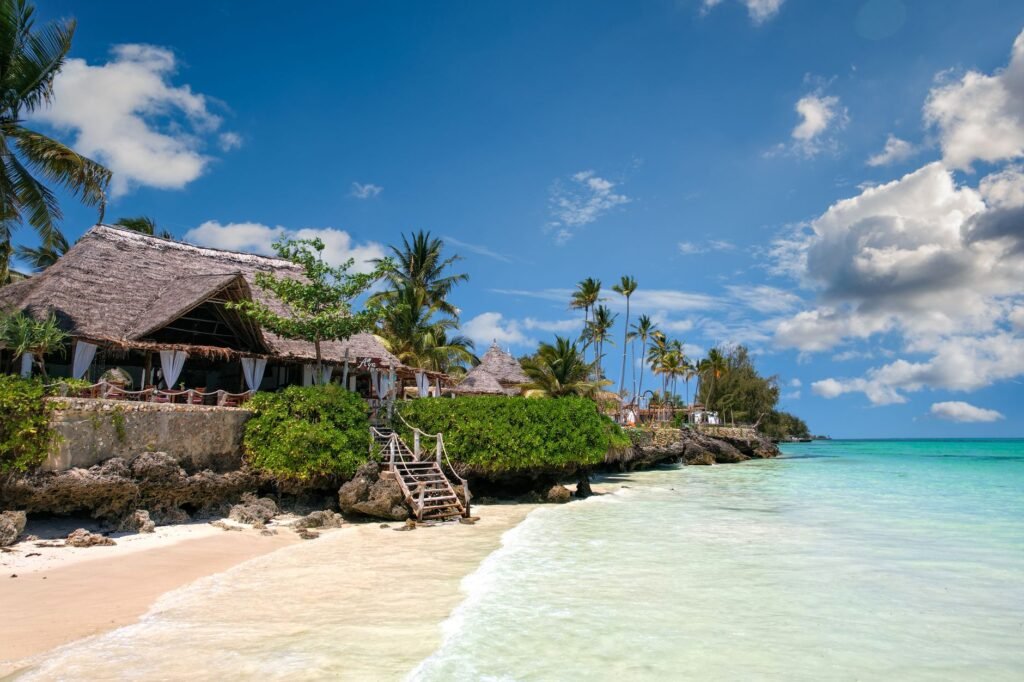
Zanzibar — Many US travelers extend their safari with a Zanzibar beach stay. The island's historic Stone Town, turquoise waters, and spice culture complement the mainland experience perfectly. See our Zanzibar packages for combination itinerary options.
For a full overview of all Tanzania destinations, visit our Destinations page.
As of 2025–2026, the US State Department assigns Tanzania a Level 2: Exercise Increased Caution advisory, citing petty crime, civil unrest in specific areas, and terrorism concerns in border regions. This is standard for much of East Africa and does not indicate widespread danger for tourists on established safari circuits.
Practical safety guidance for Americans:
Health requirements: Yellow fever vaccination is required if arriving from a yellow fever-endemic country. Malaria prophylaxis is strongly recommended for all safari areas — consult a travel medicine physician at least 6–8 weeks before departure. Hepatitis A and typhoid vaccinations are routinely advised. Tanzania does not currently require COVID-19 vaccination for entry, but this can change; verify current requirements via the CDC Tanzania health notice before travel.
Physical fitness: Standard game drive safaris require minimal fitness — you're seated in a vehicle for most activities. Walking safaris (available in select areas) require moderate fitness and comfort with unpaved terrain. Kilimanjaro climbs require serious cardiovascular preparation over several months. Be honest with your operator about fitness levels so they can recommend appropriate activities.
All-inclusive packages bundle accommodation, meals, park fees, guiding, ground transfers, and sometimes flights into a single quoted price. These are simpler to budget, reduce the risk of surprise costs, and are generally the recommended structure for first-time Tanzania visitors. The trade-off is less flexibility — activities, itinerary, and accommodation are largely pre-set.
À la carte / customizable tours allow you to select accommodation tier, duration, and add-ons independently. This suits experienced safari-goers, families with specific needs, or travelers combining multiple destinations (e.g., Serengeti + Kilimanjaro + Zanzibar). Customization typically costs more in aggregate but delivers a more personally tailored experience.
Common hidden costs to watch for: Tipping (guiding staff, camp staff — budget $15–$25/person/day total), alcohol at lodges, souvenir purchases, emergency medical services, and visa fees. A reputable operator will itemize what is and is not included before you pay a deposit.
This is where many travelers cut corners — and regret it. Here's a practical checklist:
Licensing and credentials:
Sustainability:
Reviews and transparency:
At Tanzania Classic Tours, we're happy to walk you through our credentials, itinerary structure, and sustainability commitments before any financial commitment is required.
As of 2025–2026, US citizens must obtain a visa to enter Tanzania. Options include:
Flight logistics from the USA: Most US travelers fly from New York (JFK), Washington Dulles (IAD), or Atlanta (ATL) via European hubs (Amsterdam, Doha, Istanbul, Nairobi) to Kilimanjaro International Airport (JRO), the primary gateway for northern safari circuits. Total travel time from the US East Coast typically runs 18–24 hours. Arusha, approximately 45 minutes from JRO, serves as the main staging city for northern Tanzania safaris.
Deciding on Tanzania safari tours involves layering several decisions — budget tier, seasonal timing, destination priorities, fitness considerations, and operator trust. The good news: Tanzania's diversity means there is a genuinely excellent safari for almost every budget and travel style.
Whether you're drawn to the Serengeti's iconic plains, Kilimanjaro's summit, or a Zanzibar beach extension, the right starting point is a conversation with an operator who treats transparency as standard practice.
Explore our full range of itineraries on our Destinations page, or contact our team directly to discuss a custom itinerary tailored to your dates, group size, and budget. We're here to help you plan with confidence.