Tanzania is one of Africa’s premier safari destinations, offering incredible wildlife encounters year-round. But if you're wondering, "When is safari season in Tanzania?", the answer depends on what you want to experience—whether it’s the Great Migration, predator sightings, or lush green landscapes.
This guide breaks down Tanzania’s safari seasons, including:
Peak season vs. low season pros and cons
Best months for the Great Migration
Ideal times for birdwatching and photography
Regional variations in weather and wildlife
By the end, you’ll know exactly when safari season in Tanzania falls based on your travel goals, preferences, and expectations.
When Is Safari Season in Tanzania? Understanding the Climates
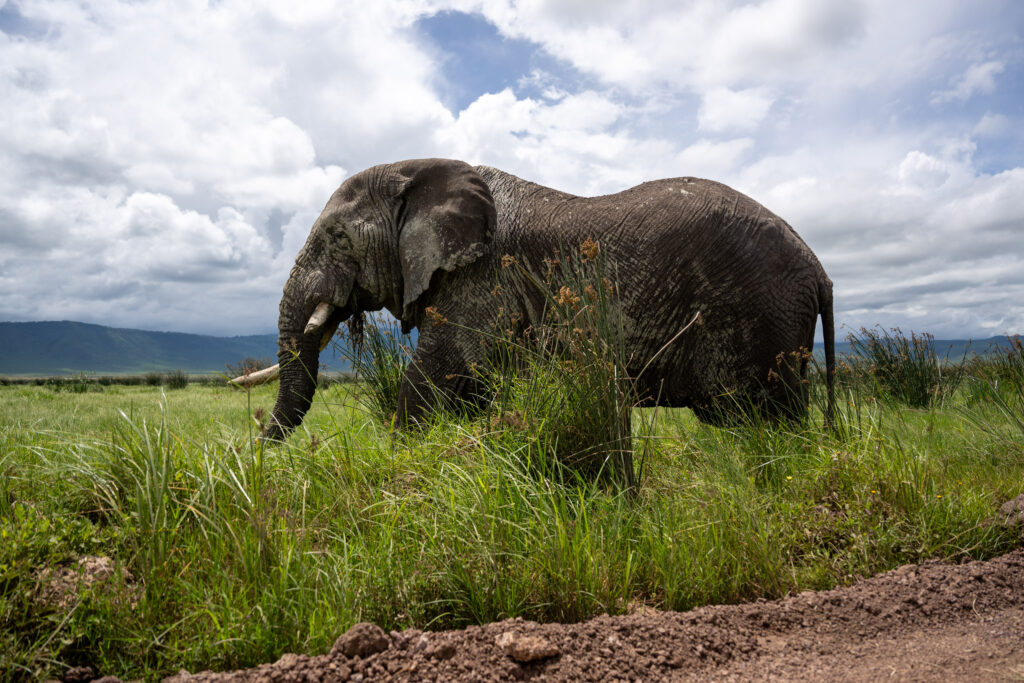
Tanzania has two main weather cycles—dry and wet seasons—which play a major role in shaping safari conditions and determining the best times for specific wildlife experiences.
1. Dry Season (June – October) – Peak Safari Season
This period is widely considered the prime time for safaris in Tanzania. If you're seeking the most rewarding game-viewing opportunities, this is often the best choice. For more info visit here!
Why it's ideal:
Wildlife congregates around waterholes, making animals easier to spot
Skies are mostly clear, ensuring great light for photography
Roads are accessible and less muddy, making travel between parks smoother
The Great Migration river crossings—some of the most dramatic wildlife scenes on Earth—take place during this time
Best for:
– First-time safari travelers
– Wildlife photographers
– Those prioritizing high-density sightings of big cats, elephants, and herbivores
– Tourists aiming to witness the famous Mara River crossings in the Northern Serengeti
Keep in mind: This is the busiest (and priciest) time of year, so early bookings are strongly advised.
2. Short Rainy Season (November – December) – Shoulder Season
This brief rainy window is a transitional phase between dry spells, offering a unique safari experience with lighter crowds and lush surroundings.
What to expect:
Afternoon or overnight showers that rarely disrupt full-day game drives
Greener scenery perfect for landscape photography
The arrival of migratory bird species, adding color and movement to your sightings
Greater lodge availability and more flexible itineraries
Best for:
– Budget-conscious travelers looking for quality at better rates
– Photographers seeking vibrant backgrounds
– Safari-goers who don’t mind a few showers in exchange for solitude
3. Long Rainy Season (March – May) – Low Season
Often underestimated, this is Tanzania's true off-season, and while it's the wettest time of the year, it comes with its own advantages.
What makes it special:
Dramatic thunderstorms and plush green landscapes
Calving season for many animals—especially wildebeest—creating rich predator-prey activity
Fewer tourists, meaning you’ll often have entire sightings to yourself
The most competitive rates on accommodations and private safaris
Best for:
– Avid birdwatchers
– Adventurers who prefer uncrowded parks
– Repeat safari travelers who’ve seen the "classic" season and want something new
– Couples or solo travelers looking for peaceful wilderness experiences
When Is Safari Season in Tanzania for the Great Migration?
One of the most sought-after safari experiences on Earth, the Great Wildebeest Migration takes place year-round but moves across different regions of the Serengeti.
Here’s a seasonal migration breakdown to help you plan:
December – March: Southern Serengeti
– Best for the calving season, where thousands of wildebeest give birth daily
– Prime time for predator action as lions, hyenas, and cheetahs follow the herds
April – June: Central to Western Serengeti
– Herds begin moving toward the Grumeti River
– The Western Corridor offers dramatic scenes of river crossings, though less publicized than the Mara
July – October: Northern Serengeti
– The famous Mara River crossings occur, with heart-pounding scenes of wildebeest dodging crocodiles
– Iconic for photographers and wildlife lovers alike
Pro Tip: The precise timing shifts slightly each year due to rainfall patterns. Always consult with a trusted safari planner for real-time insights.
Regional Variations: When Is Safari Season in Tanzania’s Top Parks?
Tanzania’s diverse ecosystem means that safari timing varies depending on the specific park or region. Here’s what you need to know:
1. Serengeti National Park
Best: June – October
Good Alternative: January – March (calving season)
– World-famous for the Great Migration and predator-prey interactions
– Offers excellent game viewing year-round, with changing scenery and wildlife behavior
2. Ngorongoro Crater
Year-Round Destination
Peak Viewing: June – September
– Due to its enclosed nature and rich resources, wildlife remains consistently abundant
– Excellent visibility during the dry season enhances crater floor exploration
3. Tarangire National Park
Peak Safari Season: July – October
Low Season Perks: April – May
– Famous for massive elephant herds and ancient baobab trees
– During dry months, animals congregate around the Tarangire River in dramatic numbers
4. Selous Game Reserve & Ruaha National Park (Southern Circuit)
Best Time: June – October
Birding Peak: November – April
– Lesser-visited parks that offer raw, untamed landscapes and excellent predator sightings
– During the rainy season, rivers swell and migratory birds flourish, making it a paradise for bird enthusiasts
Frequently Asked Questions (FAQs)
Q1. What is the best time of year to go on a safari in Tanzania?
A. The best time for a Tanzania safari is usually from June to October because the weather is dry and wildlife is easier to spot. Animals gather around water sources, making game viewing more exciting. This period is also perfect for exploring famous parks.
Q2. Can I visit Tanzania for a safari during the rainy season?
A. Yes, Tanzania safaris are possible during the rainy season from November to May. The landscapes become greener, and many animals give birth during this time. It is also a great season for bird watching and fewer crowds.
Q3. When is the Great Migration in Tanzania?
A. The Great Migration happens throughout the year as millions of wildebeest and zebras move across the Serengeti. From around July to October, visitors can often see dramatic river crossings. Other months offer chances to view different stages of the migration.
Q4. Which month is best for seeing wildlife in Tanzania?
A. July to September are among the best months for wildlife viewing because animals are more concentrated in open areas. The dry season improves visibility and safari conditions. However, each season offers a different wildlife experience.
Q5. Is Tanzania safari suitable for first-time travelers?
A. Yes, Tanzania is one of the best destinations for first-time safari travelers. The country has well-managed parks, experienced guides, and diverse wildlife. With proper planning, visitors can enjoy a safe and memorable safari adventure.
Final Thought: When Is Safari Season in Tanzania for You?
The best time to go on safari in Tanzania truly depends on your personal preferences:
- Want to see iconic wildlife in dry, open settings? Visit June–October
- Looking for green landscapes and savings? Try November–December
- Interested in birds, babies, or quiet parks? Consider March–May
- Chasing the Great Migration? Follow the herds year-round across Serengeti regions
By aligning your travel dates with your interests—whether it's big cats, baby antelopes, or rare birds—you’ll discover your own perfect safari season in Tanzania.