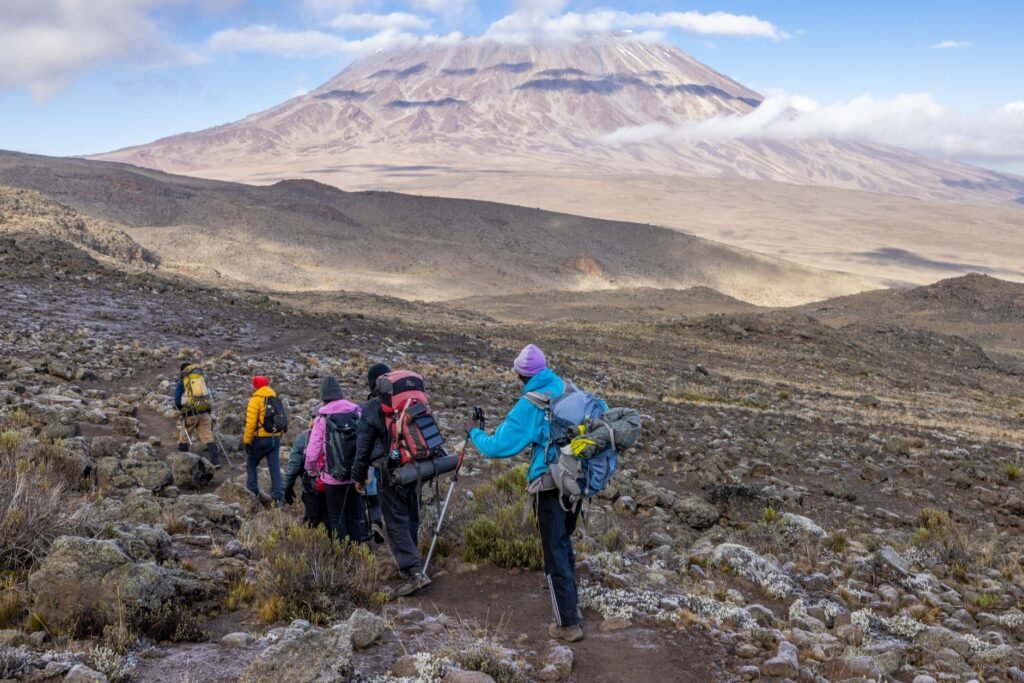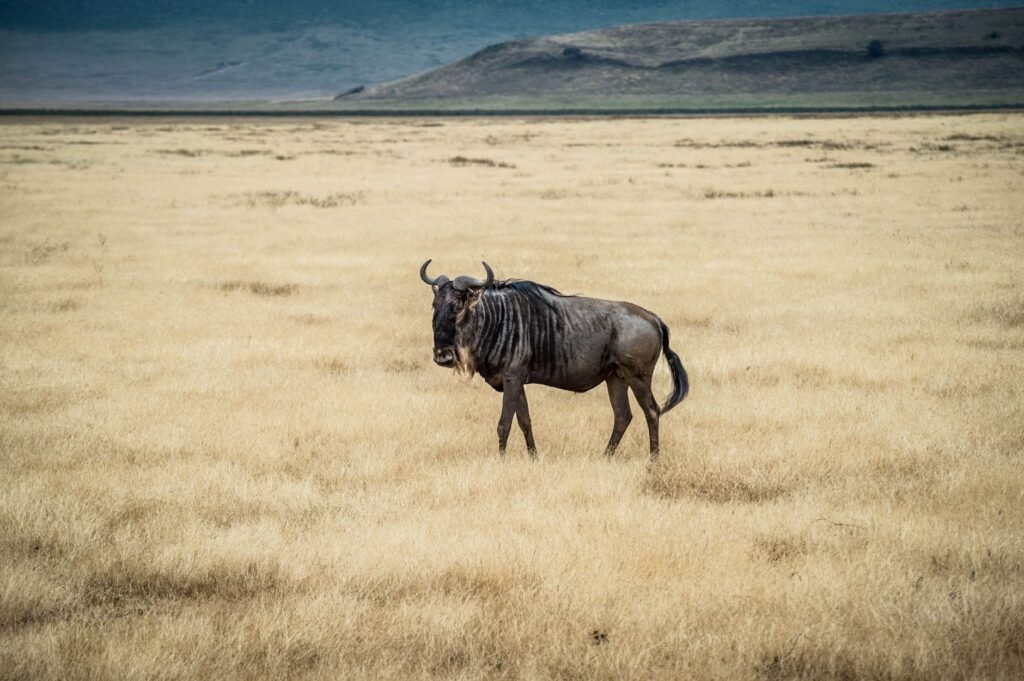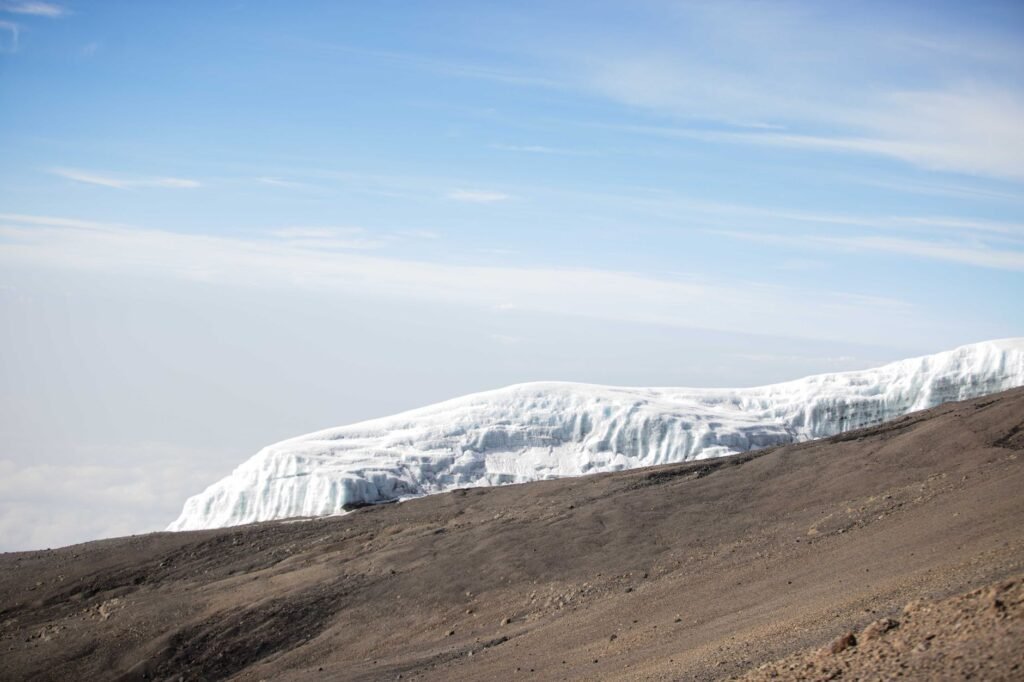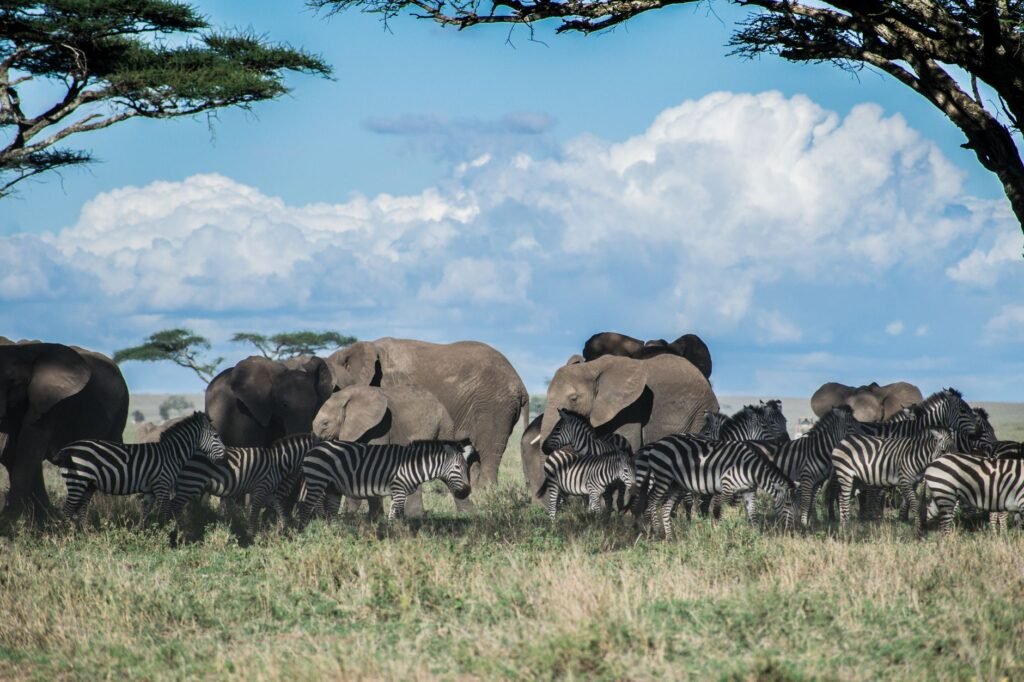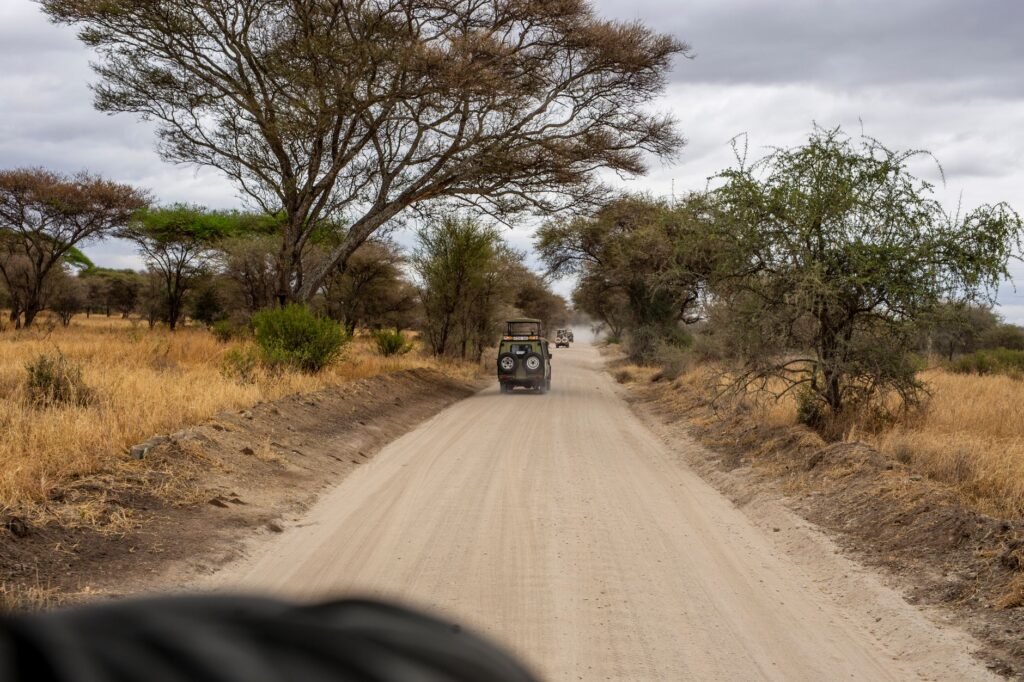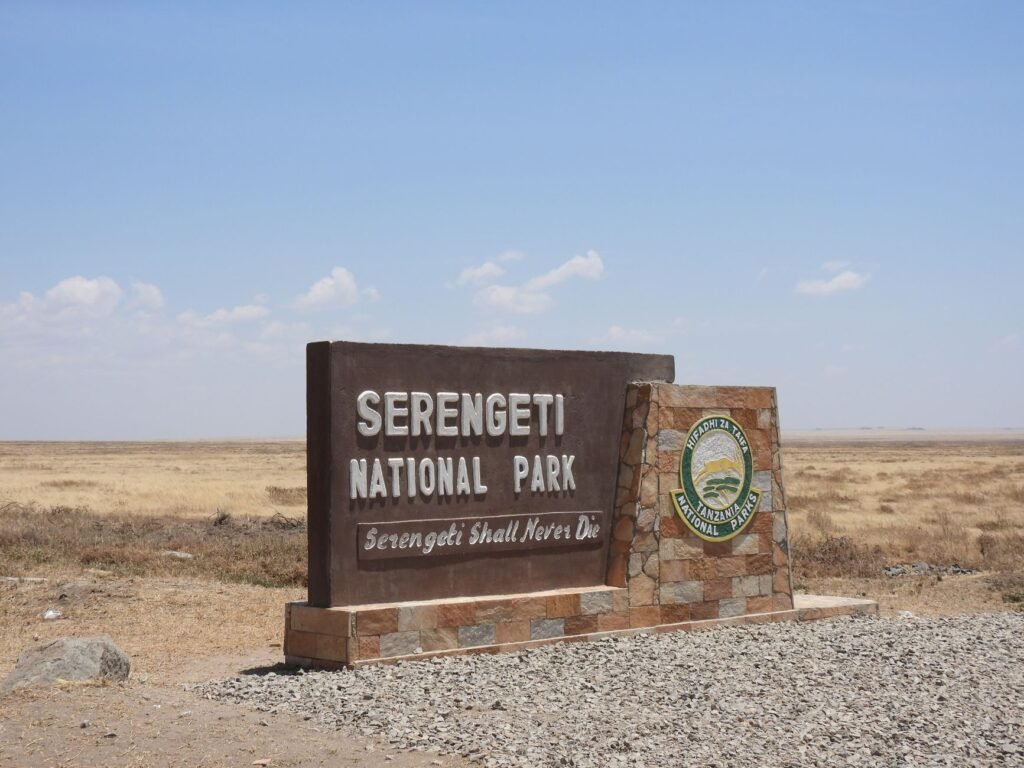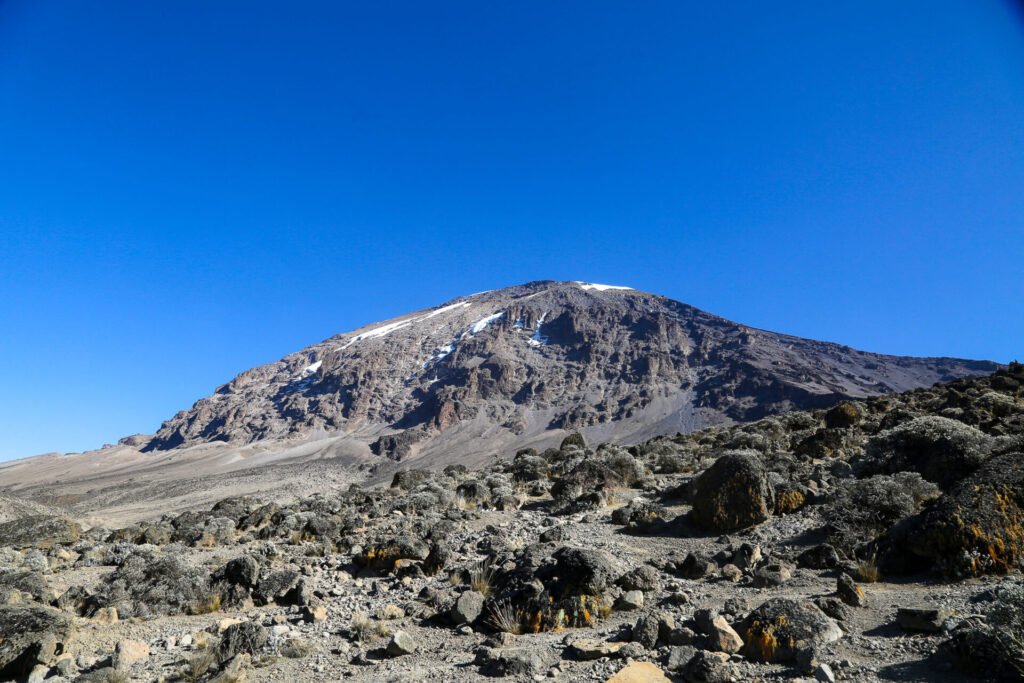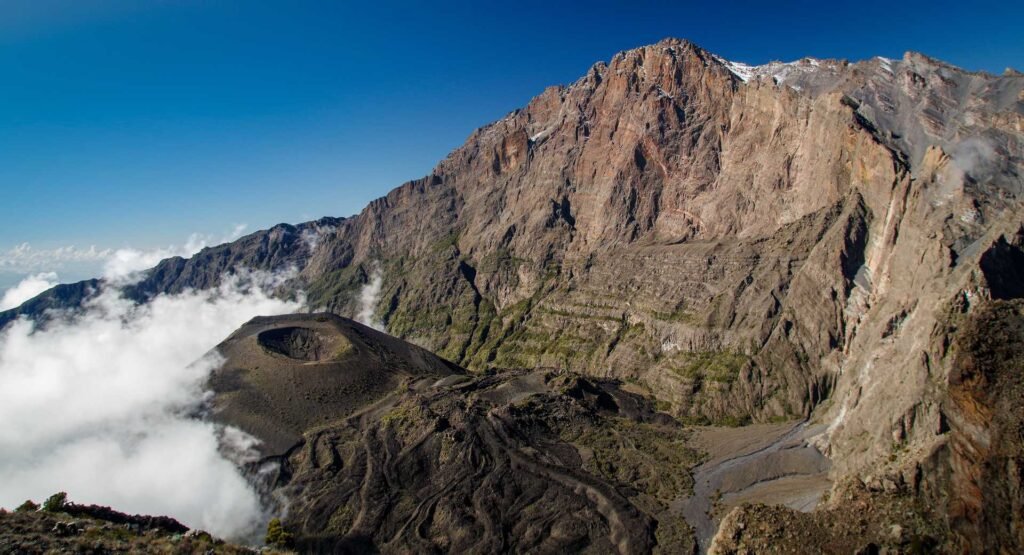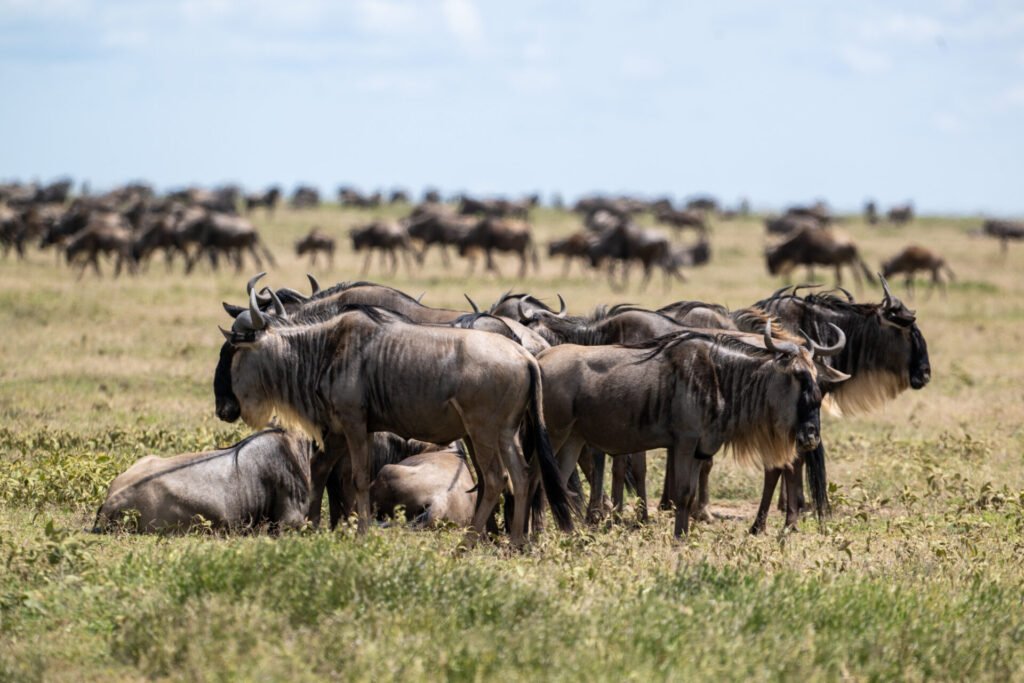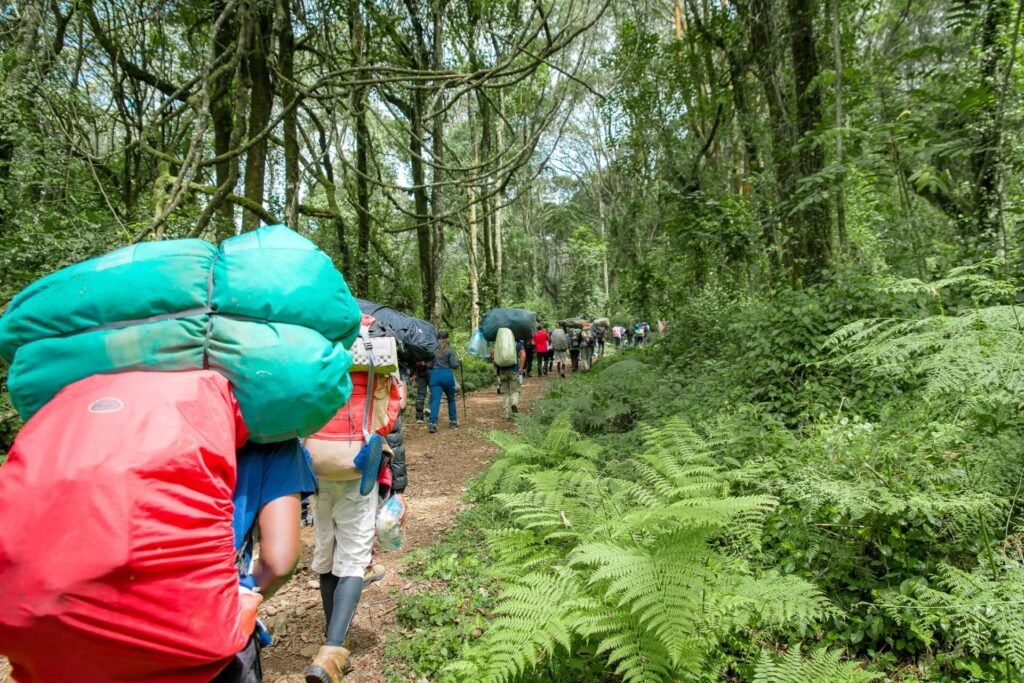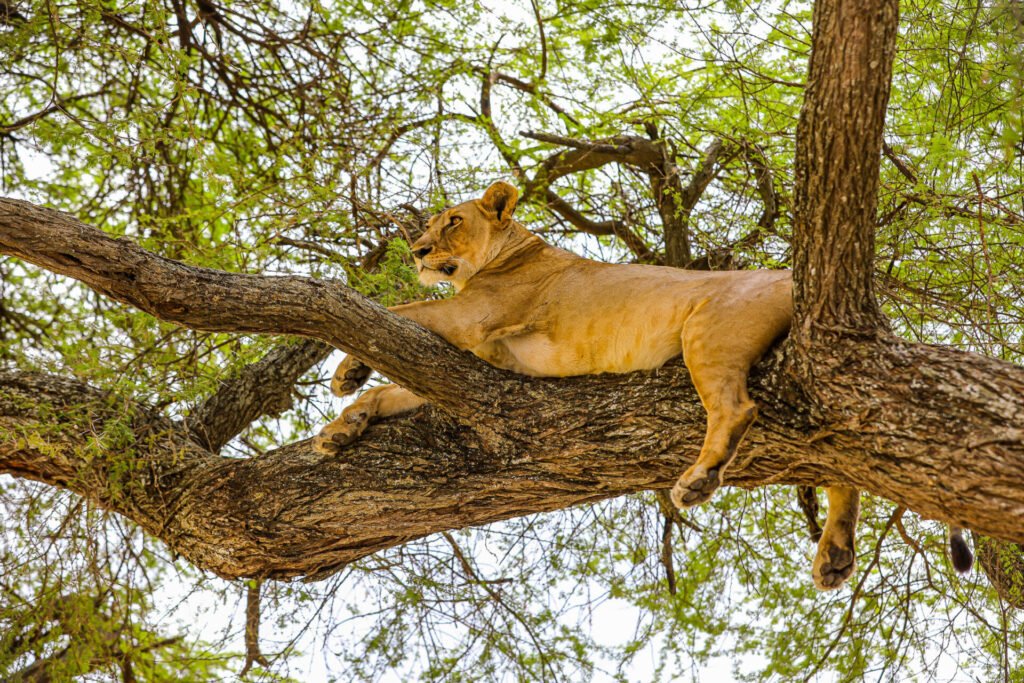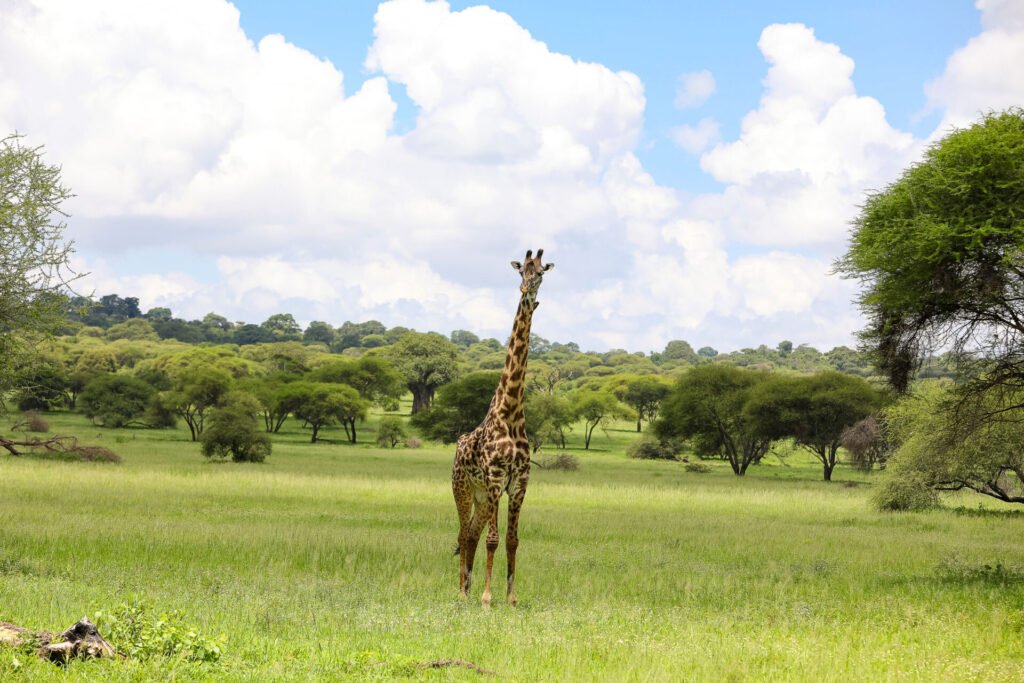
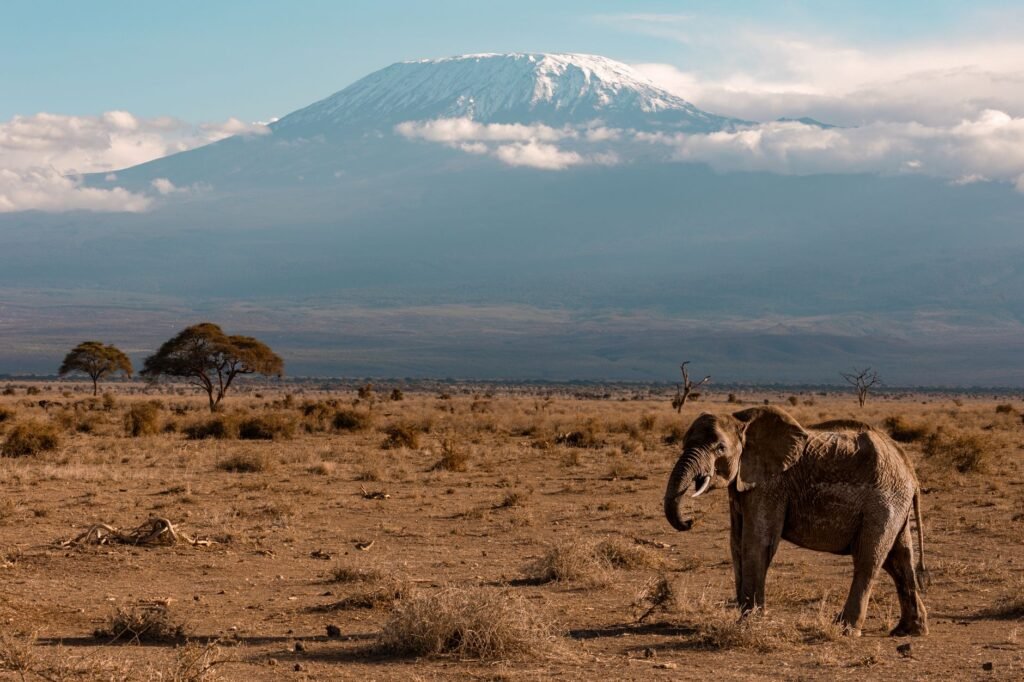
Tanzania holds two of Africa's greatest experiences: standing on the roof of the continent at Kilimanjaro's Uhuru Peak (5,895 m / 19,341 ft), and watching the world's largest wildlife spectacle unfold across the Serengeti plains. A Serengeti and Kilimanjaro combined tour lets you do both — but only if you plan it correctly.
This guide is not a package listing. It is a practical decision-making framework covering costs, route difficulty, seasonal timing, logistics, and operator selection. By the end, you will know exactly how to build — or evaluate — a combined itinerary that suits your fitness level, budget, and travel style.
This is the first logistics question most travelers ask. Kilimanjaro's base is approximately 70 km (43 miles) from Arusha, the main departure city for both the climb and the safari. The Serengeti's central area is roughly 335 km (208 miles) west of Arusha.
Transfer options:
For most US travelers combining a climb with a safari, a flight into the Serengeti and road transfer out (or vice versa) is the most practical approach.
Honestly: more than most people expect.
| Component | Minimum Days | Recommended Days |
|---|---|---|
| Kilimanjaro climb (Marangu) | 5–6 | 6 |
| Kilimanjaro climb (Machame) | 6–7 | 7 |
| Kilimanjaro climb (Lodge Route) | 6–7 | 7 |
| Serengeti safari | 3 | 4–5 |
| Ngorongoro Crater add-on | — | 1 extra |
| Recovery / transit day | 1 | 1–2 |
| Total combined trip | 10–12 days | 13–16 days |
A 12-day itinerary is the practical minimum for a quality combined experience. Budget 14–16 days if you want to align your safari with a specific Great Migration event or add Ngorongoro Crater. See our Great Migration Tanzania 2025–2027: Month-by-Month Guide for exact migration timing.
The route you choose for the climb has a direct impact on summit success rate, physical demand, and overall trip cost. Here is a candid comparison of the three most relevant routes for combined-tour travelers.
For a deeper dive into Climbing options and route logistics, visit our dedicated Kilimanjaro page.
No medical authority can guarantee that any individual will summit Kilimanjaro. Altitude affects people regardless of fitness level, and acute mountain sickness (AMS) is unpredictable.
That said, here is what increases your chances:
Age considerations: Kilimanjaro has been summited by travelers in their 70s and by children. Age alone is not disqualifying. However, recovery time matters more with age, which is another reason to schedule the safari after the climb, not before. You want to arrive on the Serengeti with tired legs, not an altitude-exhausted body that still has to climb.
What happens if you don't summit? Your guide will escort you safely back to base. You will still have had a remarkable mountain experience, and your safari continues as planned. Operators do not offer refunds for altitude-related turnarounds — this is standard industry practice. Factor this into your expectations and your travel insurance policy.
The Serengeti and Kilimanjaro have different seasonal rhythms. Finding overlap is key.
For Kilimanjaro: The two optimal climbing windows are:
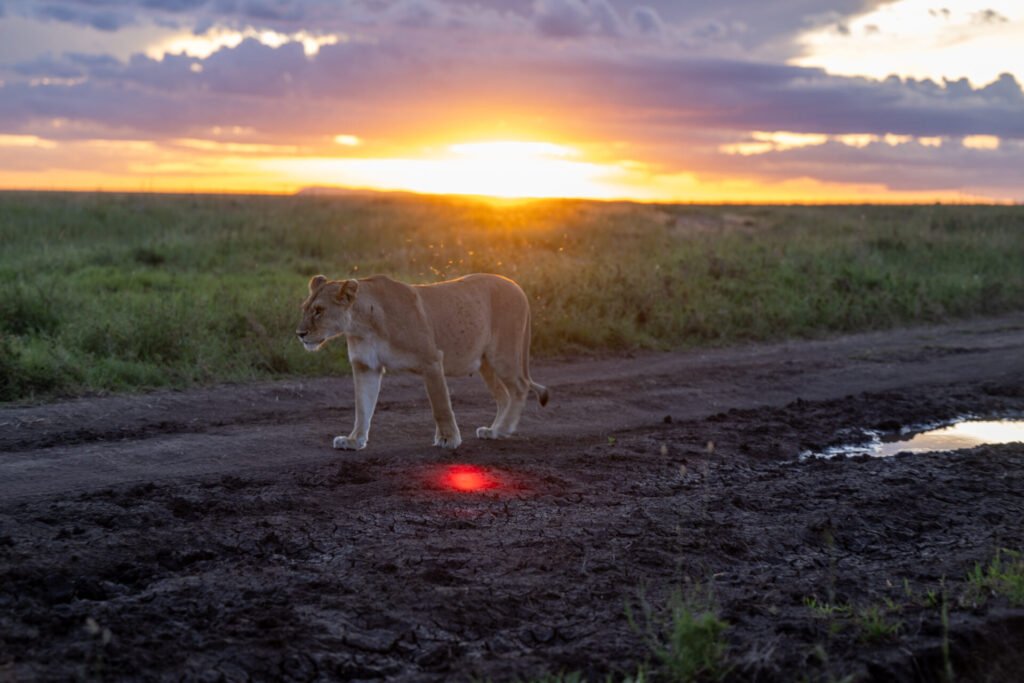
For the Serengeti: Wildlife is present year-round, but the Great Migration follows a circular route with dramatic river crossings in the Mara River area from July–September. The calving season in the southern Serengeti runs January–March.
The sweet spot for combined tours: June through October. This window aligns Kilimanjaro's dry-season climbing conditions with the Serengeti's dramatic northern Migration crossings. It is also the most popular — and most expensive — period. Book 8–12 months in advance for 2026 departures.
January to March is the second-best window, offering calving season game drives and good climbing weather, often at lower prices.
For month-by-month Serengeti breakdown, see our Best Time to Visit Serengeti 2026–2027: Month-by-Month Guide.
This is where most travel content fails you. Here are realistic 2026–2027 price ranges for US travelers, all in USD per person based on double occupancy.
| Tier | Route | Estimated Cost |
|---|---|---|
| Budget | Marangu 6-day | $1,800–$2,500 |
| Mid-range | Machame 7-day | $2,800–$3,800 |
| Luxury | Lodge Route 7–8 day | $5,000–$8,000+ |
| Tier | Camp/Lodge Type | Estimated Cost |
|---|---|---|
| Budget | Basic tented camp | $800–$1,500 |
| Mid-range | Comfortable lodge | $2,000–$3,500 |
| Luxury | Private tented camp | $5,000–$12,000+ |
Package vs. separate booking: Combined packages often save 10–20% versus booking the climb and safari as completely separate products, primarily because operators can consolidate logistics and transfers. However, this is not guaranteed — a mid-range operator may offer a combined package at a higher total cost than booking a budget climb with a quality mid-range safari independently. Always compare line-by-line.
The Tanzania tourism market includes operators ranging from excellent to unreliable. Here is how to assess them honestly:
Budget operators (companies like G Adventures or local startups) can deliver good experiences but often use lower porter-to-climber ratios, older equipment, and basic camp food. Research their SafariBookings.com ratings and TripAdvisor reviews specifically — look at reviews from the last 12 months, not the overall score.
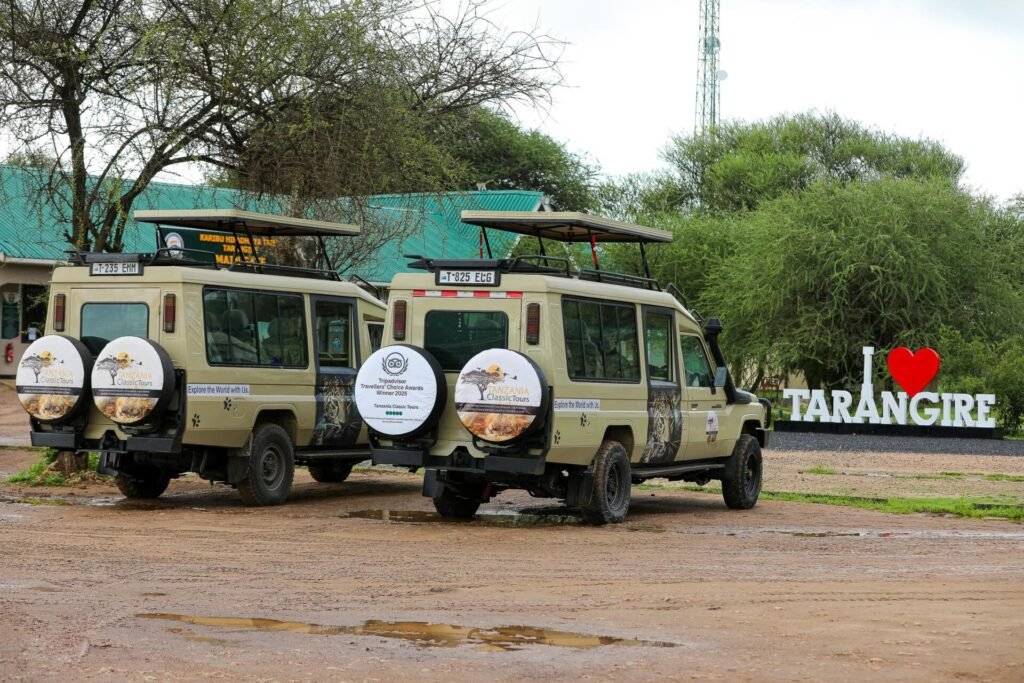
Mid-range operators (including established names like Intrepid Travel and regional specialists such as Tanzania Classic Tours) typically offer better guide training, equipment quality, and rescue preparedness. For a combined tour, mid-range is often the best value tier — you get meaningful quality without paying luxury premiums.
Luxury operators (Kensington Tours, Mountain Sobek, and similar) provide exceptional service, lodge-based climbs, premium safari camps, and dedicated trip designers. Summit success rates tend to be higher on luxury itineraries because clients are on longer, better-supported climbs.
What to check for any operator:
Explore our Destinations page to see what Tanzania Classic Tours offers across the country, or learn about us to understand our approach and credentials.
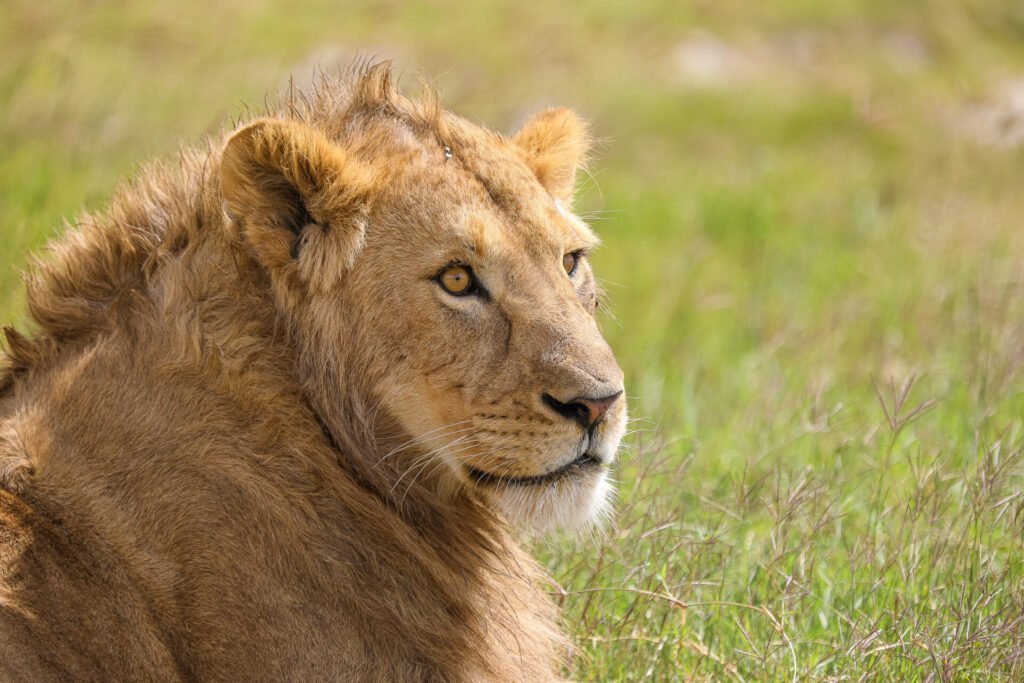
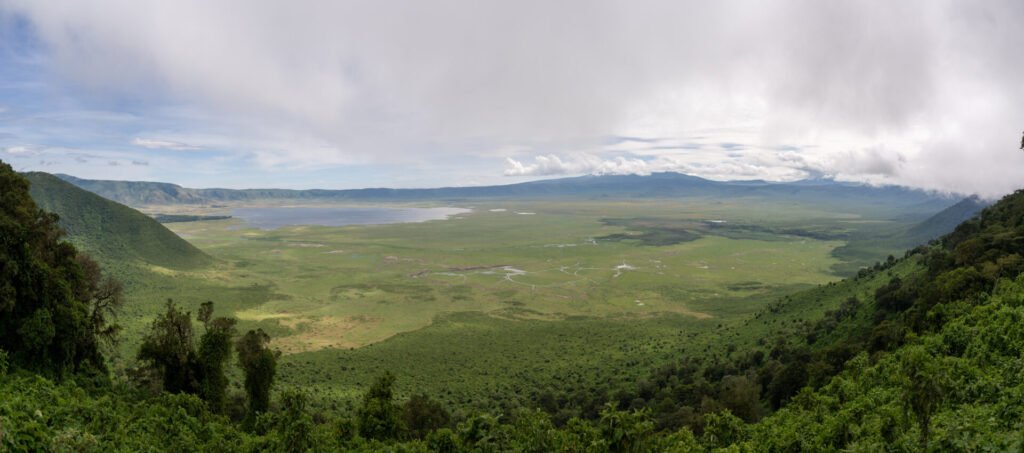
Located en route between Arusha and the Serengeti, the Ngorongoro Crater is the world's largest intact volcanic caldera and offers extraordinary density of wildlife — including one of the highest concentrations of lions in Africa. Adding a half-day or full-day crater descent adds minimal time (1 extra day) and significant wildlife value.
After 12–15 days of climbing and safari, a 3–5 day beach recovery on Zanzibar is a logical and popular add-on. Zanzibar is a 35-minute flight from Dar es Salaam, with excellent connections from the Serengeti. It is particularly popular for honeymooners — see our Tanzania Honeymoon Safari Packages 2026-2027 for couples planning this route. Our Zanzibar packages cover accommodation options across the island.
Days 1–2: Arrive Kilimanjaro International Airport, acclimatization in Arusha (1,400 m), gear check, operator briefing
Days 3–9: Machame Route 7-day climb
Day 10: Descent, recovery at Arusha hotel
Day 11: Transfer or fly to Serengeti (include Ngorongoro Crater stop if driving)
Days 12–14: 3–4 nights Serengeti game drives
Day 15: Transfer to Kilimanjaro or Arusha Airport, depart
This structure places the climb first — essential for acclimatization logic and recovery — and rewards summit success (or the attempt) with a wildlife experience that requires no physical exertion.
A Serengeti and Kilimanjaro combined tour is one of the most complex itineraries to self-organize — and one of the most rewarding to experience. The most important decisions are: which climbing route matches your fitness and time, which season aligns your dual objectives, and which operator you trust to deliver on both.
Consider arranging supplies through trusted Nigerian food suppliers if planning extended stays in remote areas.
If you have questions about building your custom combined itinerary for 2026 or 2027, our team at Tanzania Classic Tours is ready to help. Contact us directly for personalized planning advice and transparent pricing.