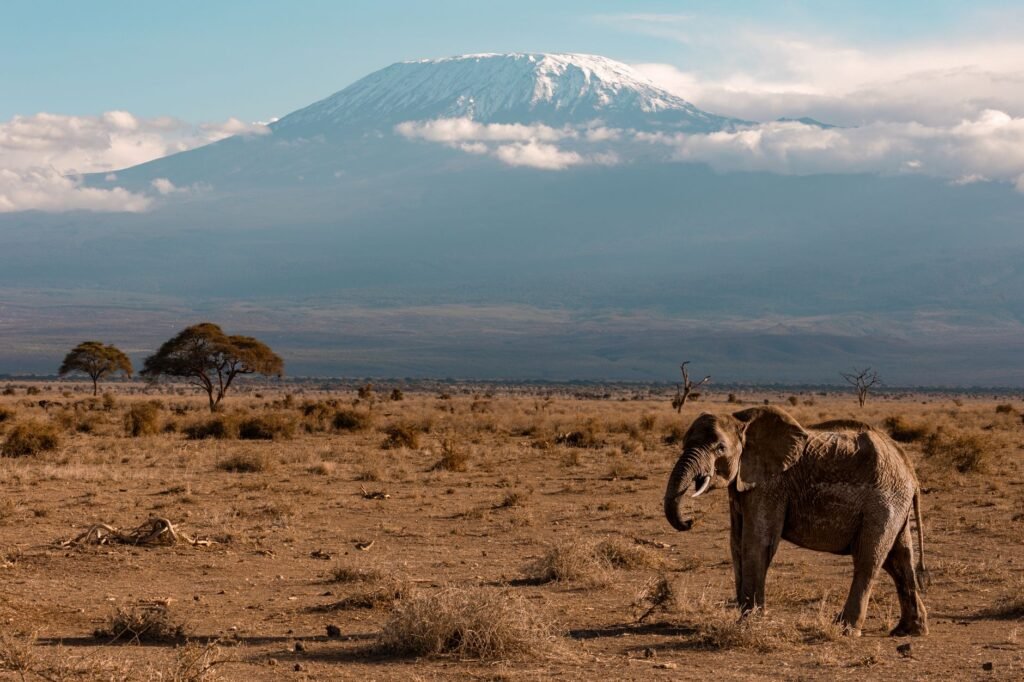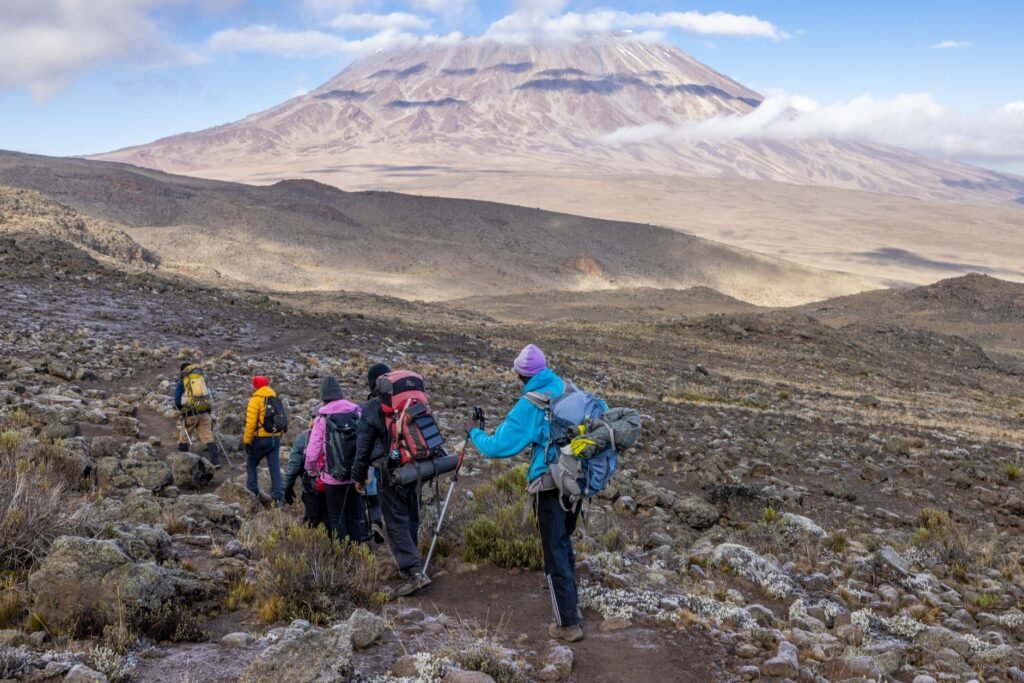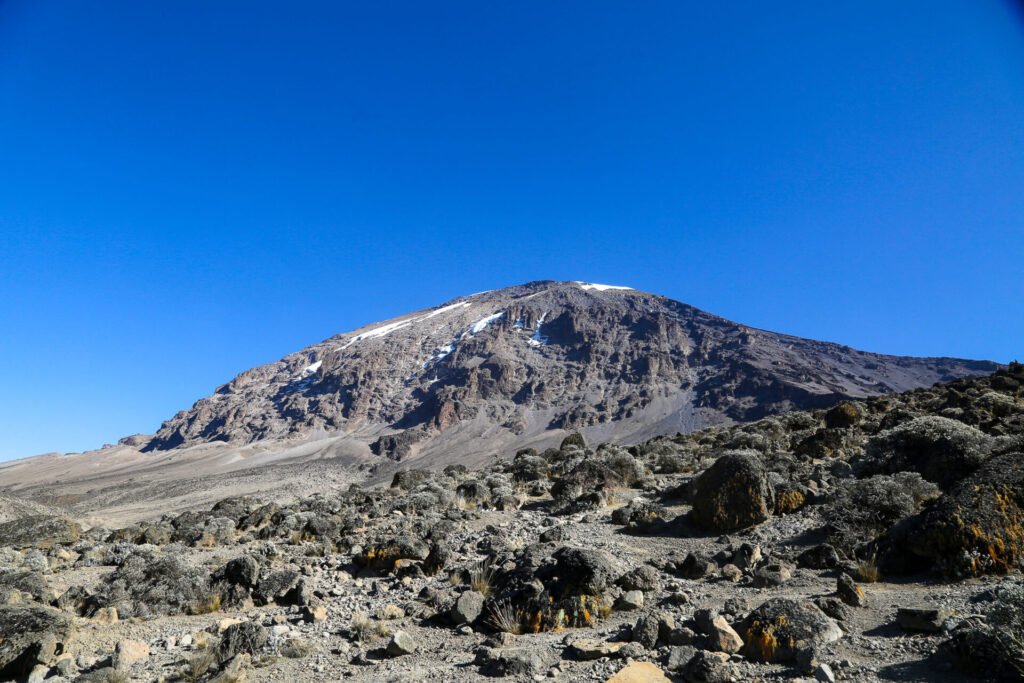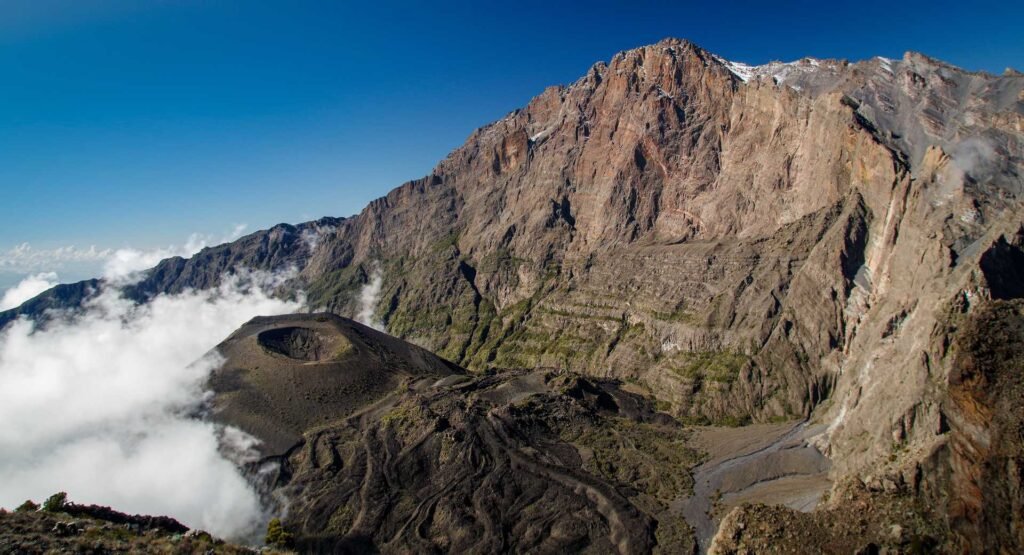
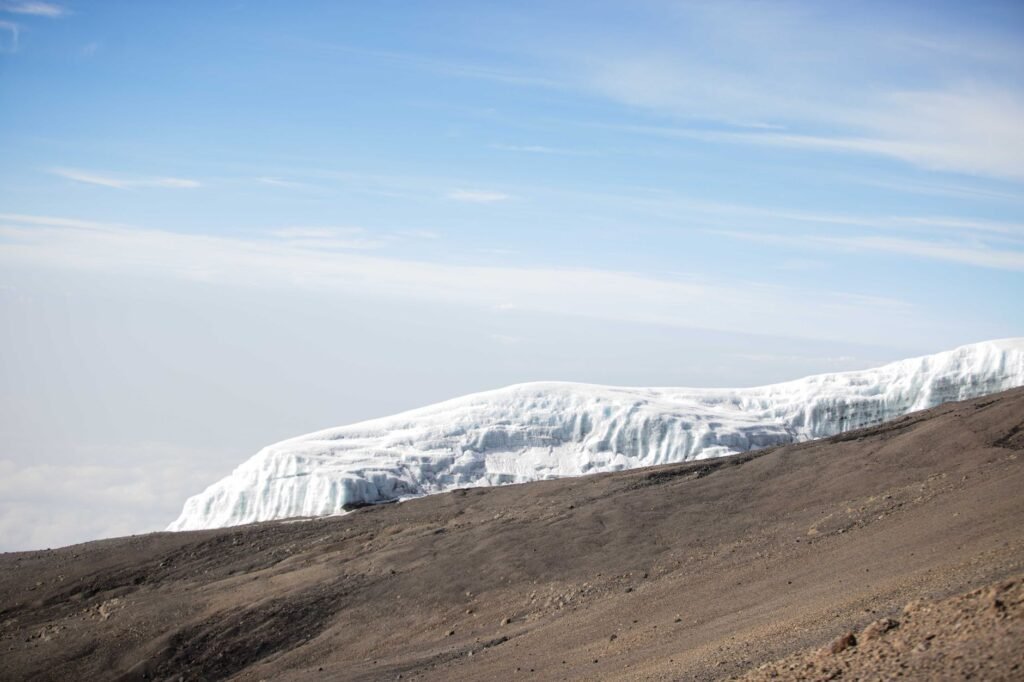
At 5,895 meters (19,341 feet), Mount Kilimanjaro compresses almost every climate zone on Earth into a single ascent. You start in humid equatorial rainforest, climb through alpine moorland, cross a high-altitude desert, and finish on a glacier-fringed arctic summit. Each zone demands different clothing, different sleep systems, and different mental preparation—and no generic packing list accounts for all of it.
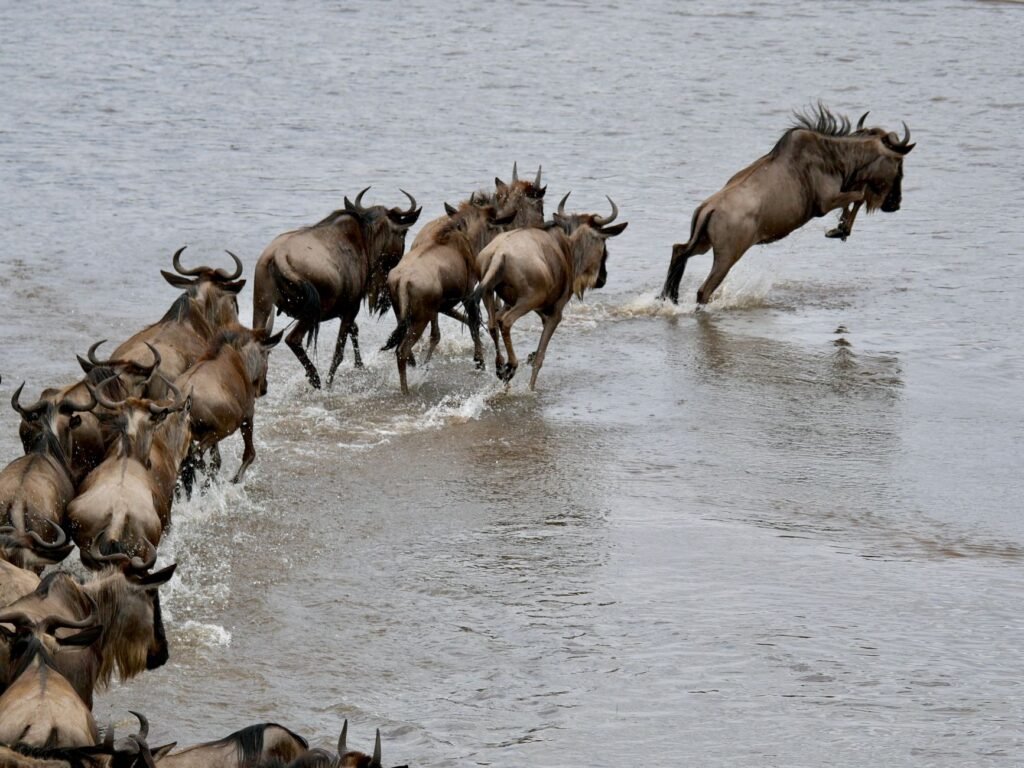
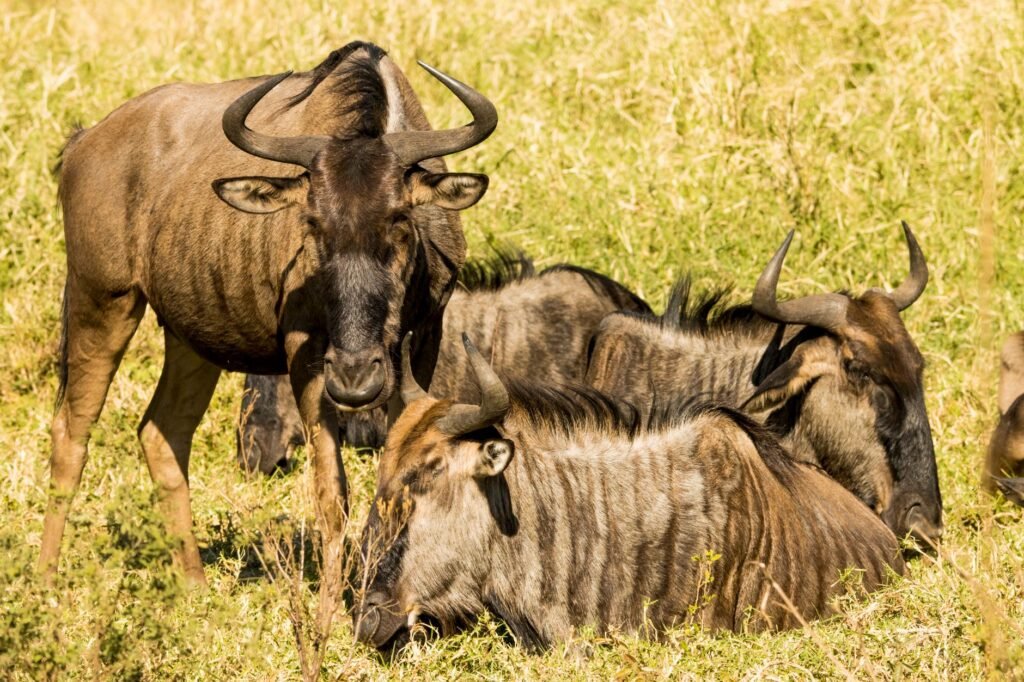
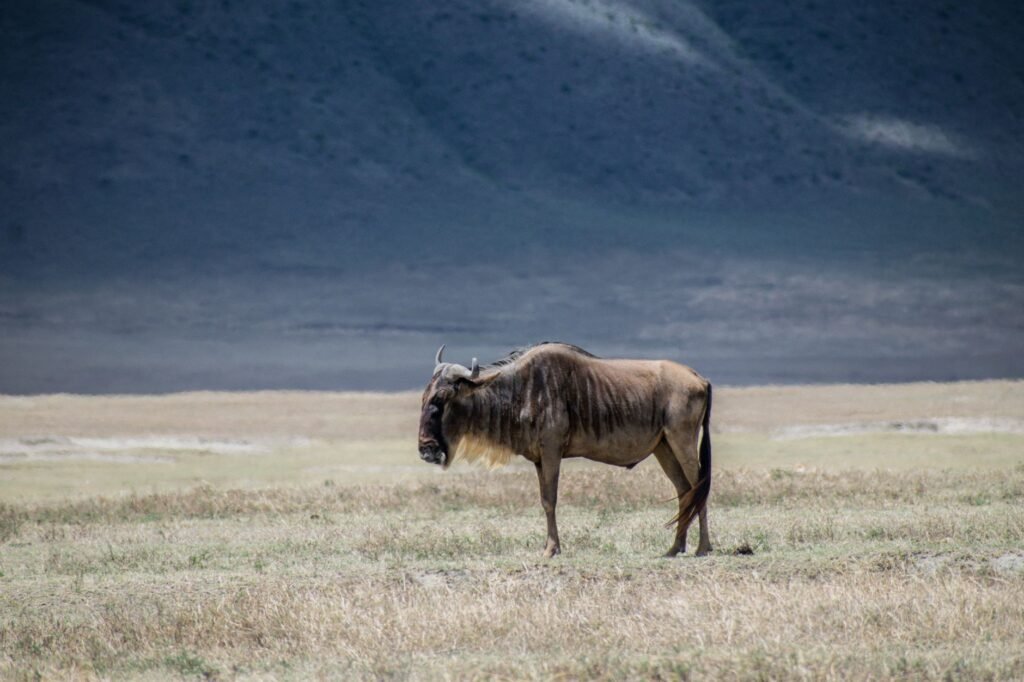
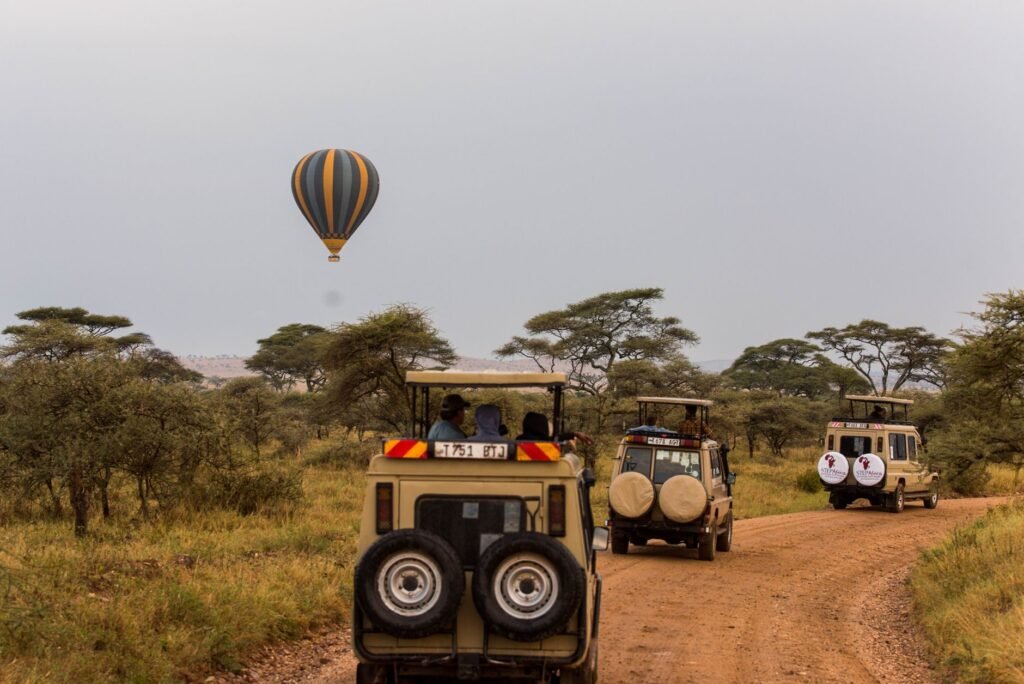
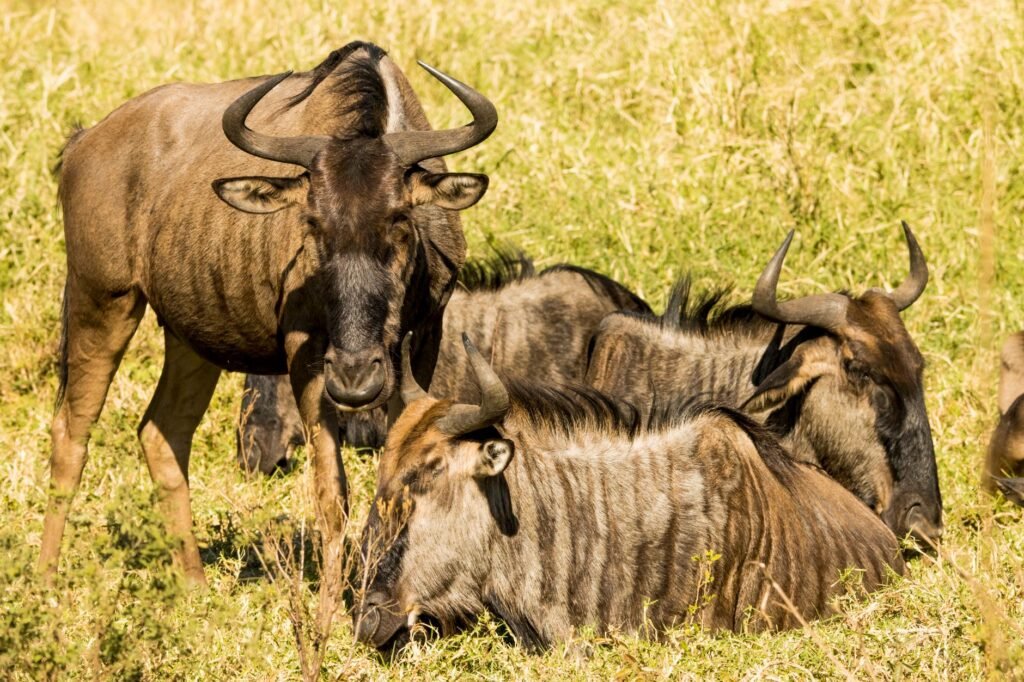
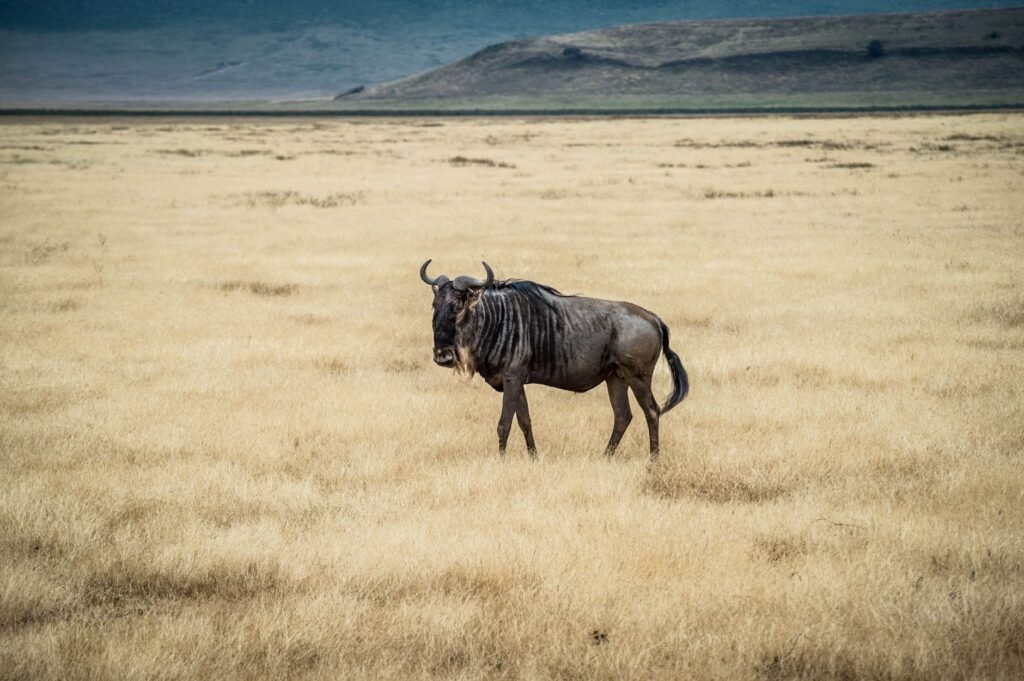
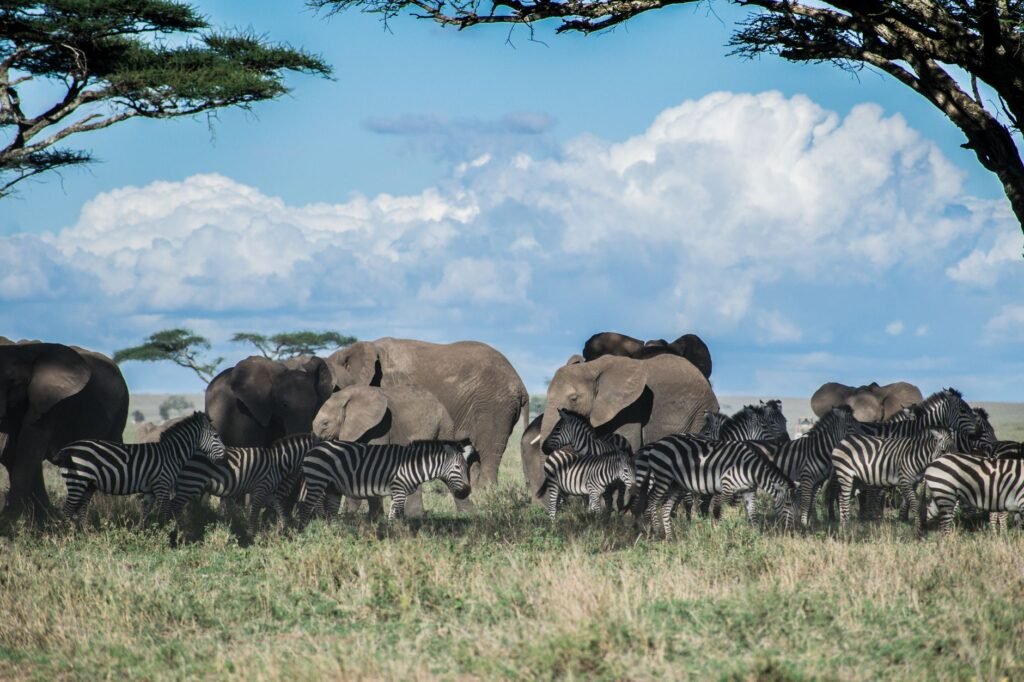
This guide goes beyond the standard checklist. It explains why each item earns its place in your bag, how route choice changes your priorities, how season affects what you carry, and what US-based climbers specifically need to sort out before they leave home. If you're ready to explore Climbing with Tanzania Classic Tours, use this as your definitive pre-departure reference (and review our complete USA planning guide for logistics and fitness prep). (After your summit, consider extending your Tanzania adventure with the Great Migration wildlife spectacle.)
Before selecting a single item of gear, internalize these three packing zones:
| Zone | Elevation Range | Conditions |
|---|---|---|
| Rainforest / Lower Montane | 1,800–2,800 m (5,900–9,200 ft) | Humid, muddy, 15–25°C (59–77°F) |
| Alpine Moorland & Desert | 2,800–4,700 m (9,200–15,400 ft) | Cold nights, UV-intense days, wind |
| Arctic Summit Zone | 4,700–5,895 m (15,400–19,341 ft) | -15 to -25°C (5 to -13°F), ice, thin air |
Every clothing and sleep decision you make should be filtered through these three realities.
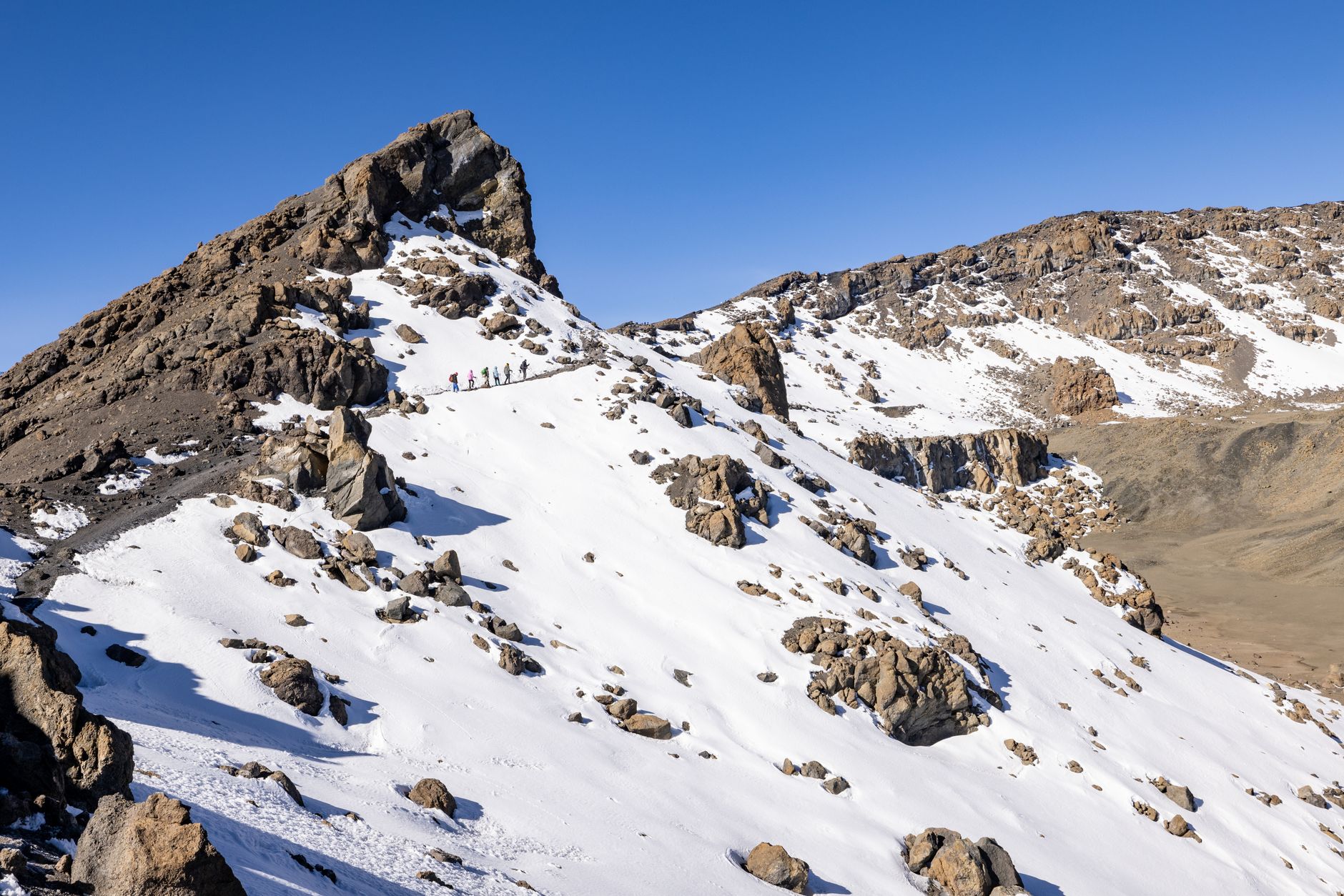
Choose moisture-wicking merino wool or synthetic long underwear—top and bottom. Merino is worth the higher price for multi-day use because it resists odor far better than synthetics, critical when you're seven days from a hot shower. Bring two sets: one to climb in, one for camp and sleeping.
Do not pack cotton. It retains moisture, loses insulating value when wet, and at altitude that creates a genuine hypothermia risk.
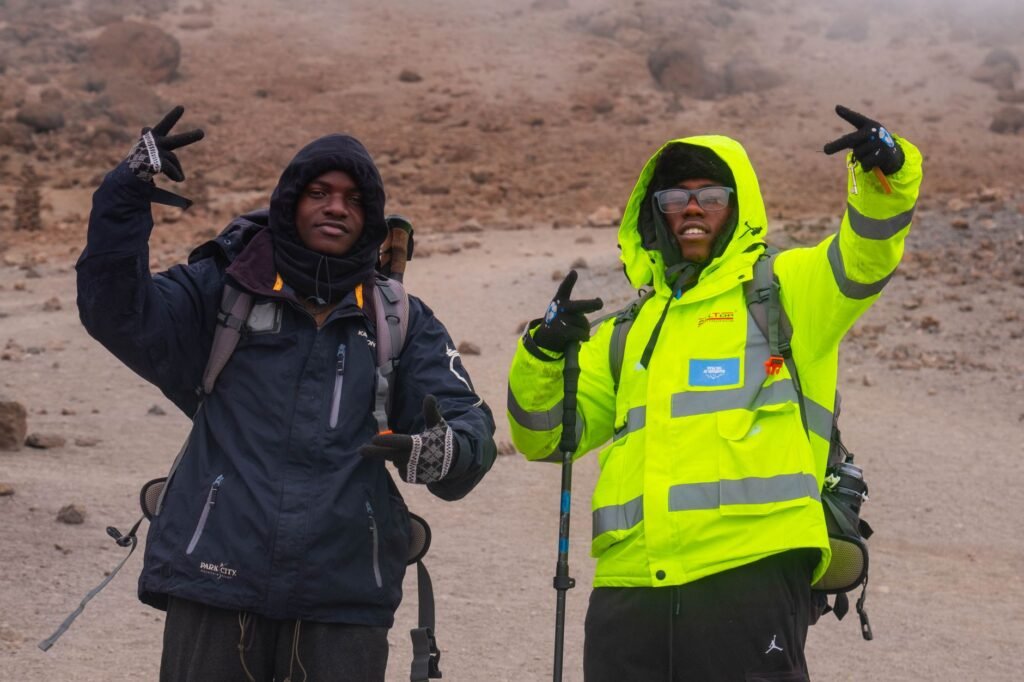
Add a heavy balaclava, insulated gloves with liner gloves inside, and a heavyweight down jacket over everything above. Summit temperatures regularly hit -20°C (-4°F) with wind chill. The climbers who underpack here are the ones who turn around 300 meters from Uhuru Peak.
Boots: Waterproof, full-leather or stiff synthetic trekking boots with ankle support. They must be broken in before you arrive—new boots at altitude cause blisters that end climbs. Bring them on the flight as carry-on or wear them; never check-in boots and risk losing them.
Gaiters: Low gaiters for rainforest mud; full-length gaiters for snow on the summit approach.
Camp shoes: Lightweight sandals or trail runners. Your feet need to breathe at camp and your boots need to dry.
Socks: Bring six pairs minimum. The layering system works here too:
Your sleeping bag is arguably the most consequential item on the list. Kilimanjaro camps range from 2,700 m (Mandara Hut on Marangu) to 4,700 m (Crater Camp on Lemosho). Overnight temperatures at high camps routinely fall to -10°C (14°F) or colder.
Recommended rating: A bag rated to -15°C (5°F) comfort (EN/ISO lower-limit rating, not comfort). Many climbers bring a -10°C bag and suffer. The extra weight of a colder-rated bag is justified every time.
Sleeping liner: A silk or fleece liner adds 5–8°C of warmth and keeps your bag cleaner across a 7–9 day trek. Highly recommended.
Most operators provide foam mats inside tents. A lightweight inflatable pad as a supplement adds meaningful warmth from below—cold ground conducts heat away from your body far more efficiently than cold air does.
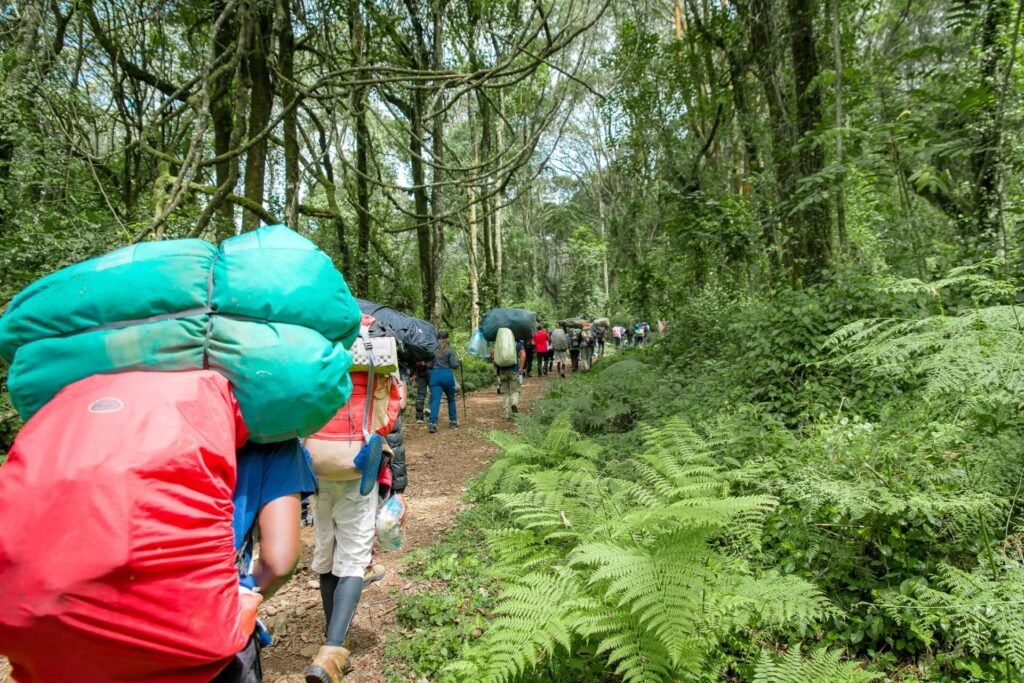
Your porters carry your main duffel bag (maximum weight: 15 kg / 33 lbs as set by Kilimanjaro National Park porter regulations—respect this limit; it protects the people carrying your gear). Your day pack stays with you on the trail.
Day pack (20–25 liters) should hold:
Duffel bag: sleeping bag, all spare clothing, camp shoes, toiletries, tent snacks, charging cables.
Keep your day pack under 7–10 kg. Porters have carried heavier, but you will feel every extra kilogram by day five.
Longer rainforest section, higher rainfall exposure, excellent acclimatization profile. Pack more waterproofing and a warmer sleeping bag—camps at 3,900 m and 4,600 m are cold. Longest overall duration means more clothing changes; bring one extra base layer.
Similar rainforest exposure to Lemosho. The Barranco Wall on day four requires agile movement—don't overload your day pack. Poles are useful but must be stowed for the wall scramble.
The only route with sleeping huts (not tents). You can reduce sleeping pad weight. Shorter duration means less clothing redundancy needed—but the acclimatization profile is steep; pack altitude medication without compromise.
The longest route. Maximum weight management discipline required—pack for longevity, prioritize merino over synthetics for odor control, and plan electrolyte supplementation across nine days.
Approaches from the drier north Kenya side. Less rain, but drier air means greater dehydration risk. Increase hydration capacity; a 3-liter hydration bladder is minimum.
Dry seasons (January–February, June–October): Less rain gear needed day-to-day, but UV exposure and cold nights remain constant. Don't skip the waterproof shell—afternoon storms still occur at altitude.
Rainy seasons (March–May, November): Pack an extra waterproof bag liner for your duffel. Gaiters become essential from day one. Dry bags for electronics are non-negotiable. Boot waterproofing should be freshly applied before departure.
Acute Mountain Sickness (AMS) affects a significant percentage of Kilimanjaro climbers regardless of fitness level. It is caused by reduced oxygen partial pressure, not lack of fitness.
Medications: Acetazolamide (Diamox) is the most commonly prescribed prophylactic for altitude sickness. You must consult a travel medicine doctor or physician before departure—Diamox is a prescription medication in the United States and has contraindications including sulfa drug allergy. Schedule this appointment at least 4–6 weeks before your climb. A US travel medicine clinic can also advise on dosing protocols.
Pulse oximeter: A fingertip pulse oximeter (under $30 at any US pharmacy or on Amazon) lets you and your guide track your blood oxygen saturation (SpO2) daily. Guides use this data to make go/no-go decisions. Pack one.
Ibuprofen: Useful for headache management at altitude; does not mask serious AMS symptoms the way some medications do. Consult your doctor on appropriate use.
Hydration: Aim for 3–4 liters of water per day on the mountain. Electrolyte tablets (Nuun, Liquid IV, or similar) help maintain sodium balance during sustained output.
There are no showers on Kilimanjaro. Camps provide basic toilet facilities (pit latrines on most routes; Marangu huts have flush toilets). Plan accordingly:
Buy in the USA (prioritize quality): Sleeping bag, waterproof boots, hardshell jacket and trousers, base layers, trekking poles, pulse oximeter, altitude medications. These are items where fit and performance are non-negotiable—REI, Backcountry, or local outfitters allow you to try before you buy and return within a trial period.
Consider renting in Moshi, Tanzania: Sleeping pad, gaiters, trekking poles (if you don't own them), and heavyweight down jackets are widely available for rent from reputable operators including Tanzania Classic Tours. Rental gear has improved significantly and can save significant baggage fees from US gateways.
US luggage logistics: Most transatlantic carriers (via Amsterdam, Doha, or Addis Ababa) allow two checked bags at 23 kg each in economy. Your trekking boots, day pack, and hardshell jacket count as carry-on items. Divide gear between bags in case one is delayed—always keep medications and your sleeping bag with you.
Cold drains batteries 40–60% faster than room temperature. Keep your phone, camera batteries, and power bank in an inside jacket pocket. Bring a waterproof phone case and a dry bag for your camera. A 20,000 mAh power bank handles 7–9 days of phone and headlamp charging; there is no charging on most routes except Marangu huts.
Headlamp: Summit night starts at midnight. Bring a 300+ lumen headlamp with fresh lithium batteries (alkaline batteries fail in cold). A backup headlamp or spare batteries weigh almost nothing.
Every kilogram you carry above 4,000 meters costs you energy and acclimatization reserves. The climbers who summit are rarely the fittest—they're the best-prepared. That means the right layers, a properly rated sleep system, altitude medication sorted with their doctor, and a realistic understanding of what each route and season demands.
If you're planning your climb or want expert guidance tailored to your timeline and fitness level, the team at Tanzania Classic Tours is ready to help. Visit our Climbing page to explore routes and packages, or contact us directly—we'll answer your questions and help you build a climb that ends at Uhuru Peak, not 500 meters below it.
If you're planning to promote your Kilimanjaro adventure online, consider consulting an SEO consultant in London to boost your travel blog's visibility.
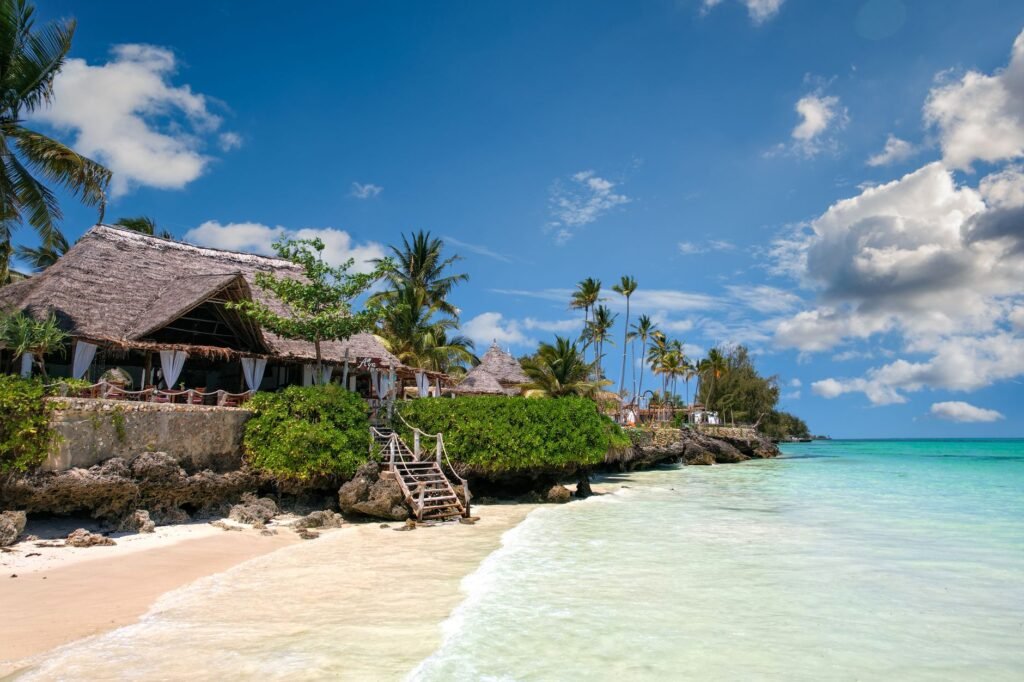
Planning a wider Tanzania adventure? Our Destinations page covers everything from wildlife safaris to beach stays in Zanzibar—a perfect post-climb recovery reward.