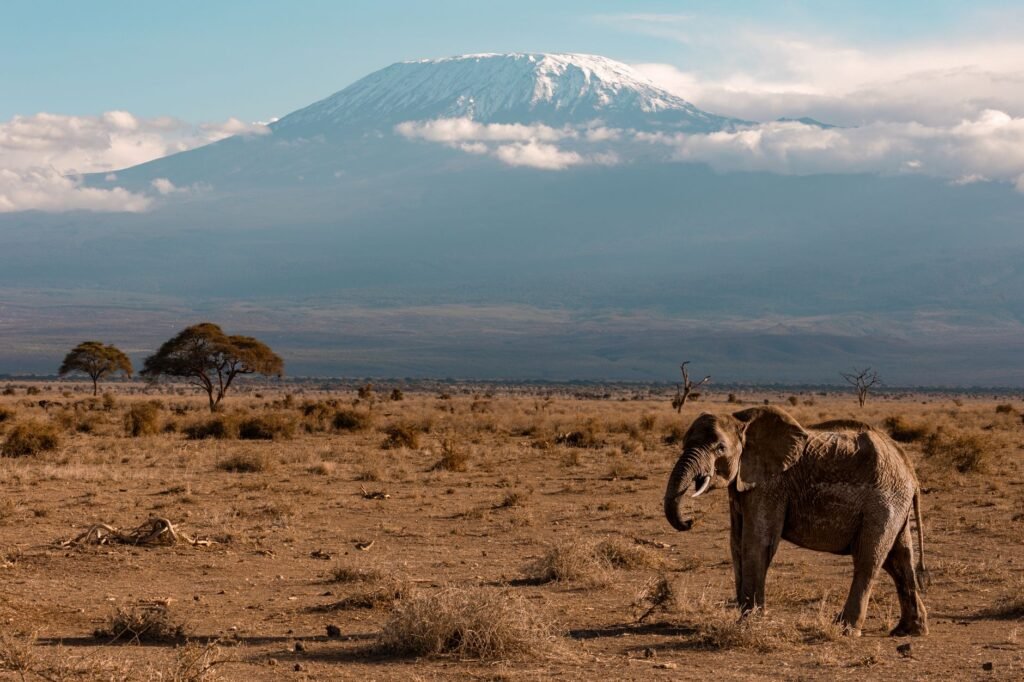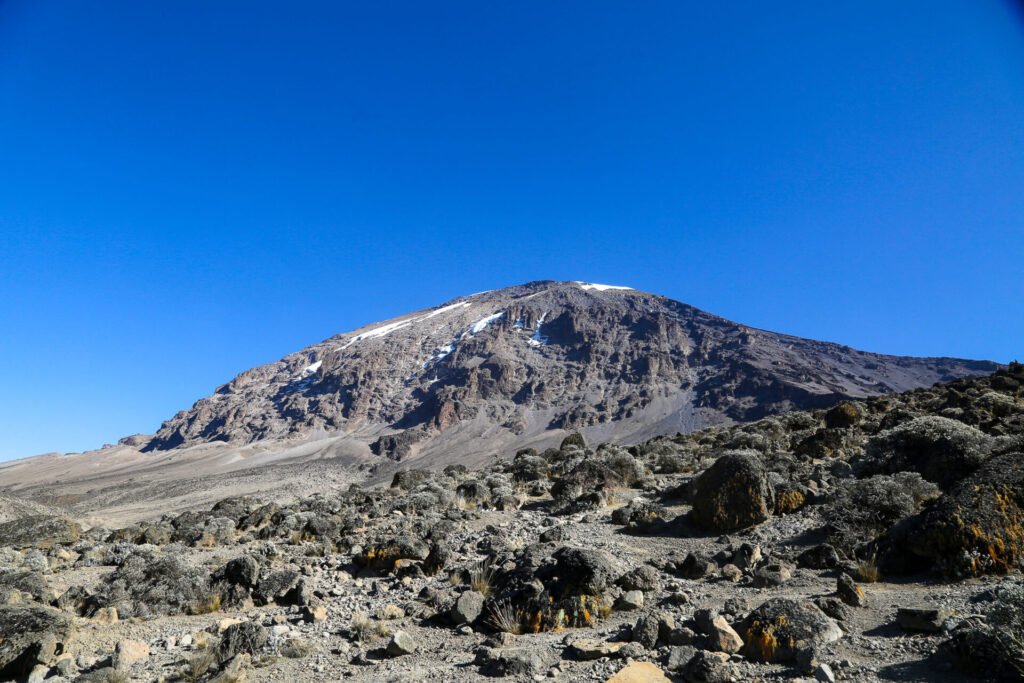
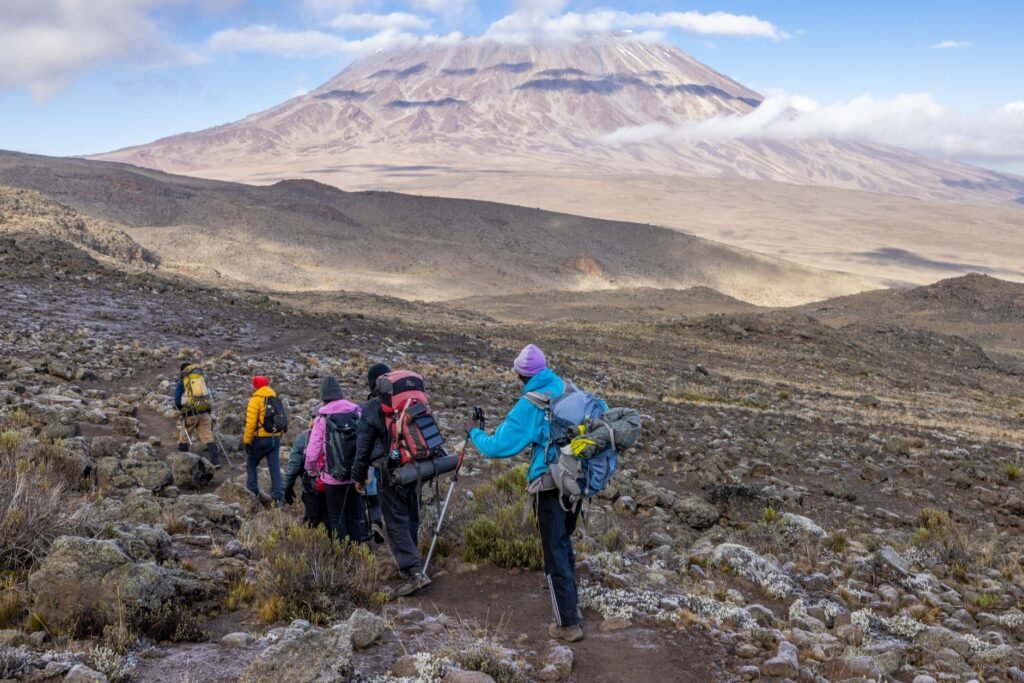
Every year, thousands of Americans stand at the Uhuru Peak summit sign at 19,341 feet—Africa's rooftop—and the number keeps growing. But most online guides stop at the climbing permit and a vague gear list. If you're planning to climb Kilimanjaro from the USA, you need answers that start at your front door: How much does this actually cost, end to end? When should you book? Which route fits your fitness level and schedule? What happens if altitude sickness hits?
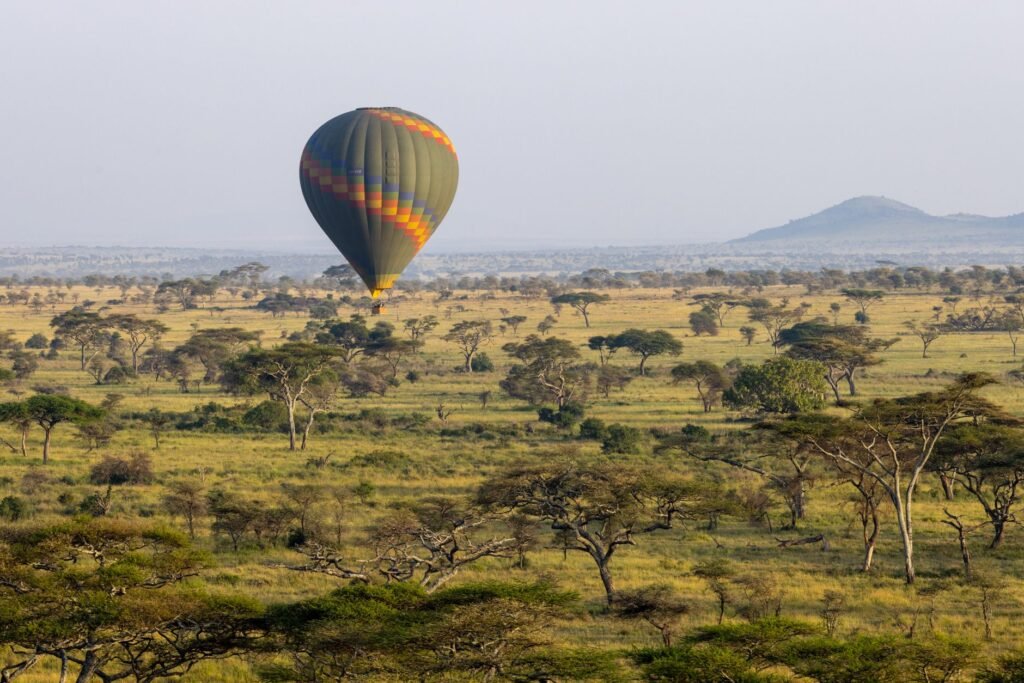
This guide covers all of it—honestly and specifically for US-based travelers planning a 2026–2027 climb. (Interested in pairing your summit with safari? See also: Serengeti and Kilimanjaro combined tour.)
This is where most guides fall short. They quote the operator fee and stop there. Here's the realistic all-in cost breakdown for a US traveler (see also: complete budget breakdown guide):
Reputable Tanzania-based operators typically charge $2,000–$3,800 per person for a full guided climb package (7–8 days), covering park fees, guides, porters, all meals on the mountain, and camping or hut accommodation. US-based outfitters generally charge $4,000–$6,500+ for similar packages—the premium pays for stateside logistics support and brand recognition, but not for a better climb experience.
Honest comparison: Booking directly with a vetted Tanzania operator like Tanzania Classic Tours can save you $1,500–$2,500 per person compared to US-based middlemen, with no loss in safety or quality—provided you vet the operator carefully.
Kilimanjaro National Park fees are set by TANAPA and are non-negotiable:
For a 7-day climb, park fees alone typically total $900–$1,100 per person, and these are included in reputable package prices.
Most climbers fly into Kilimanjaro International Airport (JRO), which is a 45-minute drive from Moshi. Some route to Julius Nyerere International Airport in Dar es Salaam and connect domestically—this adds time and cost.
US citizens require a visa to enter Tanzania. As of 2025–2026:
Do not skip this. Kilimanjaro sits above 19,000 feet, and helicopter evacuation from altitude is extraordinarily expensive without coverage. Look for policies that explicitly include:
Expected cost: $100–$300 depending on age and coverage level. US travelers often use providers like World Nomads, Allianz, or AIG Travel Guard—always read the altitude exclusion clauses carefully.
If you're buying new gear in the US, budget $500–$1,500 depending on what you already own. Key items include a -10°C or lower sleeping bag, waterproof hiking boots already broken in, trekking poles, and layering systems. Many operators offer basic gear rental in Moshi for supplemental items. See our detailed What to Pack for Kilimanjaro Climb 2026–2027: Route & Season Guide for a complete list.
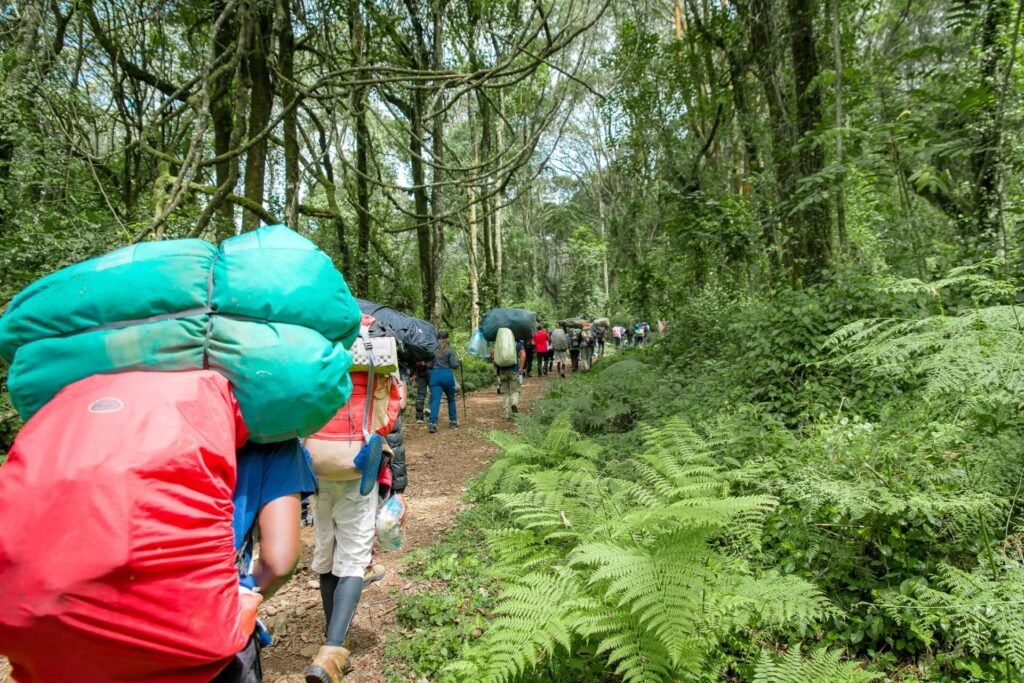
This is ethically important and often omitted from budgets. The recommended tip is $20–$30/day per porter and $30–$50/day for your lead guide, split among your group. For a 7-day climb with a typical support crew, budget $200–$400 per climber in tips.
| Expense | Budget Range (USD) |
|---|---|
| Operator package | $2,000–$3,800 |
| Flights (round-trip) | $900–$1,900 |
| Tanzania visa | $50 |
| Travel insurance | $100–$300 |
| Gear (new) | $500–$1,500 |
| Tips | $200–$400 |
| Pre/post-climb accommodation | $150–$600 |
| TOTAL | $3,900–$8,550 |
Budget travelers booking direct and using gear they already own can realistically complete this trip for under $4,500. Those going premium on flights, gear, and operator can spend $8,000+.
This is one of the biggest planning gaps for US climbers. The time zone difference between the US East Coast and Tanzania is +7 hours (EST) and +10 hours (PST). Combined with 16–22 hours of travel, you arrive significantly fatigued.
Recommendation: Arrive in Moshi or Arusha at least 2 full days before your climb begins. Use this time to:
Some experienced US climbers recommend a 3-day pre-climb arrival, especially for those flying from the West Coast.
Kilimanjaro has multiple routes, each with distinct profiles. Here's a practical breakdown for US climbers:
Kilimanjaro is a non-technical hike—there is no roping, no ice climbing, no technical mountaineering on the standard routes. That said, altitude is the great equalizer. You can be fit and still suffer from Acute Mountain Sickness (AMS).
Fitness baseline: You should be able to complete a 6–8 hour hike with a 10–15 lb pack on consecutive days before attempting Kilimanjaro. If you're currently sedentary, allow 4–6 months of structured fitness training.
Age and Kilimanjaro: Climbers in their 50s, 60s, and even 70s successfully reach Uhuru Peak regularly. Fitness level and acclimatization strategy matter far more than age. Consult your physician before undertaking any high-altitude trek—this is particularly important if you have cardiovascular or respiratory conditions.
Acute Mountain Sickness (AMS) affects a significant portion of Kilimanjaro climbers, regardless of fitness. Symptoms typically appear above 8,000 feet and include headache, nausea, fatigue, dizziness, and difficulty sleeping.
Signs that require immediate descent:
These are warning signs of High Altitude Pulmonary Edema (HAPE) or High Altitude Cerebral Edema (HACE)—both life-threatening. Descent is the primary treatment.
Preventive measures (discuss with your doctor):
Safety context: Kilimanjaro has a very small number of fatalities annually—most are altitude-related and occur when warning signs are ignored. Reputable operators carry supplemental oxygen and pulse oximeters and are trained to manage mountain emergencies.
What happens if you don't summit? A good operator will not pressure you to push through dangerous symptoms. You will be escorted down safely, and most reputable operators include this in their emergency protocols. Travel insurance should cover any medical evacuation costs.
Kilimanjaro has two primary climbing windows that align well with US vacation schedules:
Avoid April–May and November—these are the rainy seasons and visibility and trail conditions deteriorate significantly.
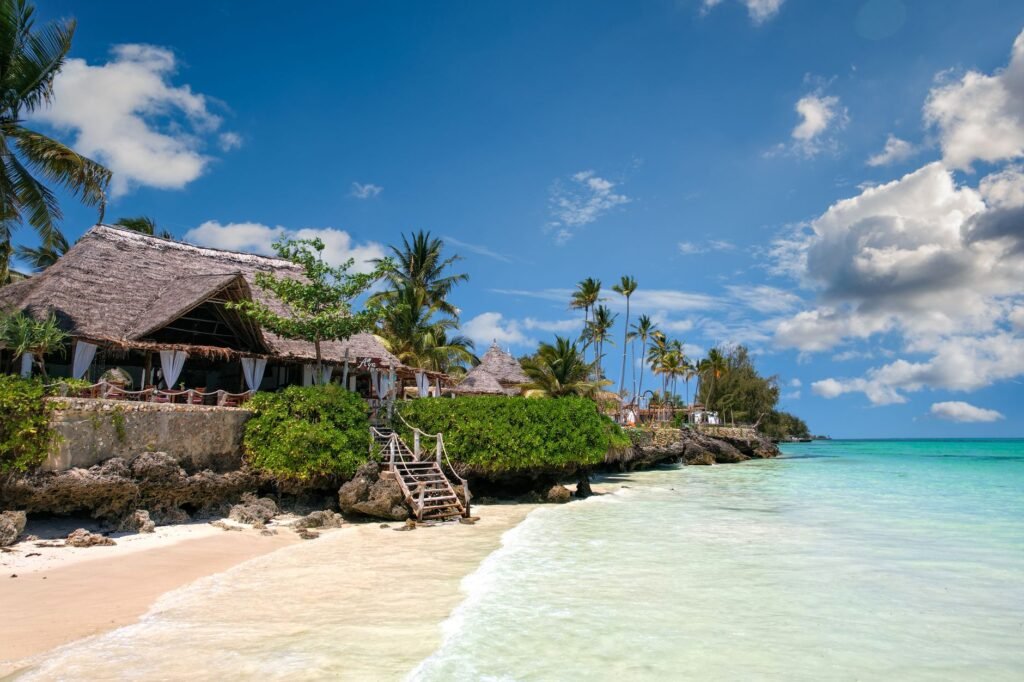
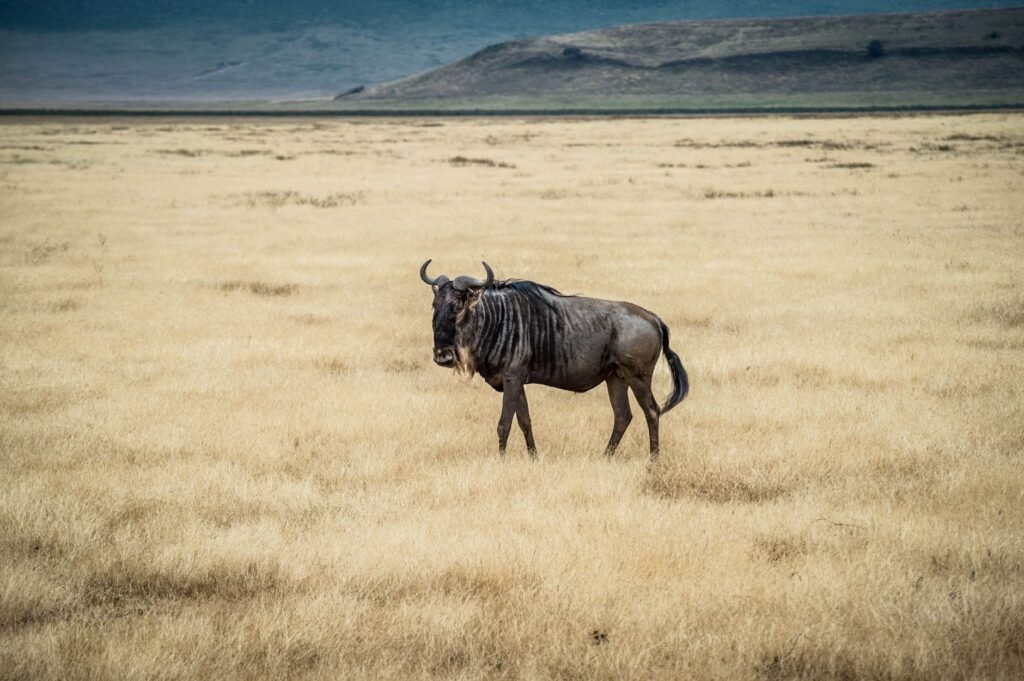
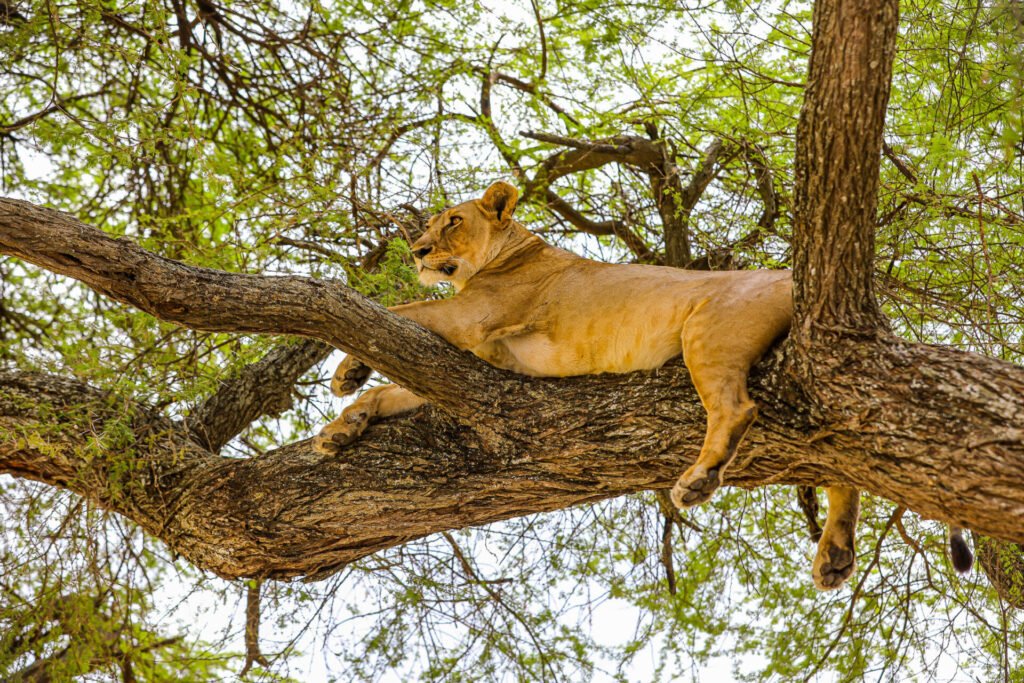
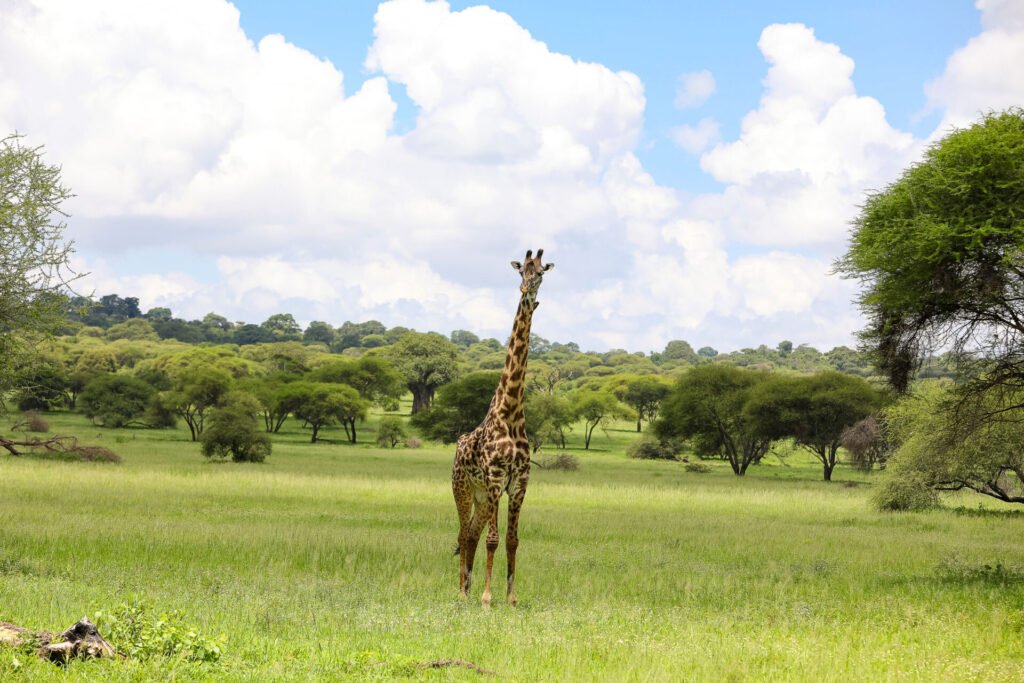
Climbing Kilimanjaro is just one reason to visit Tanzania. Many US climbers combine their summit with a Zanzibar beach recovery—a perfect physical and psychological reward after 7+ days on the mountain. Others add a wildlife safari, which Tanzania does better than almost anywhere on earth. See our Tanzania Safari Tours 2026–2027 guide for costs and planning details, or explore all Tanzania destinations to build your complete itinerary.
For couples planning the trip as a milestone adventure, our Tanzania Honeymoon Safari Packages guide shows how to combine a Kilimanjaro climb with a romantic Tanzania experience.
This matters enormously. Questions to ask any operator before booking:
A transparent, experienced operator will answer every one of these without hesitation. Learn more about Tanzania Classic Tours and how we approach guide training, porter ethics, and client safety.
Climbing Kilimanjaro from the USA in 2026 or 2027 is entirely achievable—if you plan far enough in advance, choose the right route for your fitness level, and work with an operator who prioritizes your safety over summit pressure. The all-in cost for most US travelers lands between $4,500–$7,000, and the experience consistently ranks among the most transformative adventures American travelers ever undertake.
Contact our team to discuss your dates, fitness level, and budget—we'll build a plan that gets you to Uhuru Peak and safely back home.