Planning a trip that delivers both adventure and breathtaking landscapes? Look no further than Tanzania! with variety of Tanzania tour packages This African gem offers some of the most thrilling wildlife experiences on the planet. In this guide, we'll walk you through the ultimate Tanzania tour packages that promise an unforgettable journey filled with incredible wildlife encounters.
The Serengeti National Park is perhaps the most famous wildlife sanctuary in the world, known for its massive annual migrations of wildebeest and zebra. Travelers come from all corners of the globe to witness this spectacular event, where over a million wildebeest traverse the plains in search of fresh grazing. Alongside their journey, you’ll also spot large herds of zebras and various antelope species, which add to the visual grandeur of the landscape. The term ‘Serengeti’ translates to ‘endless plains’ in the Maasai language, aptly describing the park’s vast, open landscapes, which are teeming with wildlife. The Serengeti also hosts the greatest concentration of predators in Africa, including lions, leopards, and cheetahs, making it a true biodiversity hotspot.
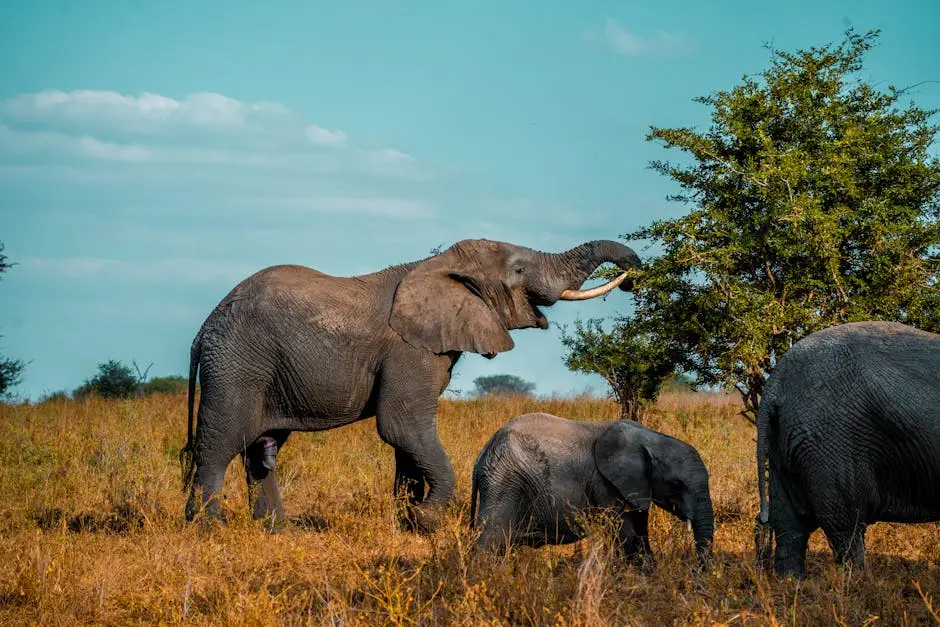
Exploring the Serengeti offers a unique opportunity to embrace the circle of life as it unfolds before your eyes. For a more immersive experience, consider joining a Private Tanzania Safari, allowing you to appreciate the untouched wilderness at your own pace. Imagine the thrill of observing a lion pride on a hunt or witnessing the tender bond between a mother elephant and her calf. Each safari drive unveils new surprises, making the Serengeti an ultimate destination for wildlife enthusiasts. The park’s varying ecosystems, from grassy plains to riverine forests, offer different habitats for its diverse inhabitants, ensuring that your adventure is both enriching and eye-opening.
Planning a trip that delivers both adventure and breathtaking landscapes? Look no further than Tanzania! This African gem offers some of the most thrilling wildlife experiences on the planet. In this guide, we’ll walk you through the ultimate Tanzania tour packages that promise an unforgettable journey filled with incredible wildlife encounters.
While the Great Migration is a highlight, the Serengeti is a year-round destination offering plenty to see and do. During the dry season from June to October, wildlife congregates around water sources, providing prime viewing opportunities. If you’re drawn towards a quieter, more intimate safari experience, visit during the wet season from November to May when the park is lush and green. Regardless of the time of year, the Serengeti never fails to captivate visitors with its raw beauty and abundant wildlife. For a unique perspective, consider a hot air balloon safari at sunrise, which offers breathtaking views of the sprawling savannah and its inhabitants from above.
Home to a diverse ecosystem that draws a high density of wildlife, the Ngorongoro Crater offers visitors a chance to see an incredible variety of animals within the dramatic setting of a collapsed volcano and a part of Tanzania Tour Packages. Dubbed the “eighth wonder of the world,” this UNESCO World Heritage Site is a natural marvel that must not be missed. With its lush, green basin, the crater supports some of the densest wildlife populations in Africa. From the majestic elephants and endangered black rhinos to the muddy hippos wallowing in the Ngoitokitok Springs, the Ngorongoro Crater promises up-close encounters with some of Africa’s iconic species.
The basin of the crater acts as a natural amphitheater for wildlife. Here, the Big Five roam freely, presenting unrivaled opportunities for wildlife photography. A visit to the crater is also an excellent chance to spot predatory action, as its enclosed environment makes hunting visible. Aside from the large mammals, the crater hosts over 500 species of birds, including flamingos that transform the soda lakes into vibrant pink spectacles. For those who enjoy birdwatching, this is a paradise. The Ngorongoro Conservation Area is more than just a safari spot. It’s a place where culture and wildlife coexist. Take some time to learn about the Maasai communities that inhabit the area, who have harmoniously coexisted with wildlife for generations.

For those craving an Tanzania Tour Packages adventure, a trek up Mount Kilimanjaro, Africa’s highest peak, provides not only a formidable challenge but also unique ecosystems and wildlife encounters along the climb. Known as the ‘Roof of Africa’, Mount Kilimanjaro attracts thousands of trekkers from around the world each year who are eager to conquer its snow-capped summit. The climb takes you through five distinct climate zones, from lush rainforest at its base to arid alpine desert as you ascend. This journey presents not just a test of endurance and willpower, but also opportunities to witness nature’s resilience in such extreme environments.
Explorers will be captivated by the rich flora and fauna along the lower slopes of Kilimanjaro. Dense, verdant forests house a myriad of wildlife, including colobus monkeys swinging through the trees and an array of birdlife singing overhead. The mountain’s varied ecozones host fascinating vegetation, such as endemic lobelias and senecios, which create surreal landscapes against the rugged terrain. While reaching the summit, known as Uhuru Peak, is the ultimate goal, the journey itself offers breathtaking vistas and unique insights into this iconic mountain’s ecological significance. Remember, preparation and choosing the right trekking package is crucial for making this an unforgettable experience. Engage with local guides who share deep insights and cultural stories, adding a rich layer to your adventure.
After your wildlife adventures another part of Tanzania Tour Packages is unwinding on the pristine beaches of Zanzibar. This tropical paradise offers beautiful sands, clear waters, and a rich cultural history to explore. Known as the ‘Spice Island’, Zanzibar’s allure lies in its exotic charm and laid-back atmosphere. The island is surrounded by crystal-clear waters teeming with vibrant coral reefs—a snorkeler’s dream—and its beaches are perfect for basking in the sun or enjoying a refreshing swim. From exploring the winding alleyways of historic Stone Town with its Arab-inspired architecture to partaking in a spice tour that highlights the island’s agricultural bounty, there’s no shortage of activities to enrich your stay.

Zanzibar is also famed for its lively cultural tapestry, woven from the influences of Africa, Arabia, and India. This is a place where you can savor delicious seafood feasts by the water or take a sunset dhow cruise for a romantic end to your day. The island’s cultural harmony is reflected in the diverse culinary offerings that can be savored at local eateries, showcasing flavors as vibrant as Zanzibar itself. With tour packages like 6 Days in Zanzibar Holiday, you’re set to discover the perfect blend of adventure and relaxation tailored to create lasting memories. Whether you’re seeking solitude on secluded shores or eager to dive into the local culture, Zanzibar offers an idyllic enclave to complement your Tanzanian safari experience.
Embarking on a wildlife adventure in Tanzania with Tanzania Tour Packages is more than just a vacation—it’s a chance to connect with nature and experience the incredible diversity of life it has to offer. With the right tour package, you can immerse yourself in the wonders of the Serengeti, explore the beauty of the Ngorongoro Crater, and relax on Zanzibar’s beautiful beaches. Choose your adventure and get ready for the trip of a lifetime!
Embark on a captivating journey through the unparalleled beauty of Tanzania’s wilderness. A luxury safari here offers not just intimate glimpses of majestic wildlife, but also a dip into opulent elegance amidst nature’s bounty. With a promise of unforgettable experiences, let’s explore how a luxury safari Tanzania presents an enchanting blend of nature’s raw allure and sophisticated comfort.

Tanzania boasts one of the richest arrays of wildlife on earth. From the iconic Serengeti to the breathtaking Ngorongoro Crater, discover the diverse habitats that host an abundance of extraordinary creatures. Witness the thrilling spectacle of the Great Migration and encounter the Big Five amid the stunning vistas.
Imagine tracking lions through the vast expanse of the Serengeti, with the sun setting the savannah aglow. As you experience the movement of herds and the raw beauty of untouched landscapes, you will come to realize why a luxury safari Tanzania is unrivaled. This is where nature’s beauty meets its wild heart, offering the ultimate blend of adventure and serenity.
Experience the pinnacle of comfort and elegance in Tanzania’s luxury safari camps. These lodges offer lavish accommodations with panoramic views, gourmet cuisine, and exceptional service. Enjoy the perfect blend of rustic charm and modern amenities tailored for a discerning traveler.
Each camp, uniquely situated, provides an oasis of tranquility. Imagine waking up to the calls of the wild, followed by a sumptuous breakfast overlooking the pristine wilderness. The camps’ architectural designs pay homage to the surrounding landscapes, ensuring that while you are enveloped in luxury, you remain deeply connected to nature. This harmonious combination enhances every moment of your stay.
Moreover, these camps offer more than luxurious lodgings. With a dedicated team focused on personalized service, your desires are catered to with precision. Whether it’s indulging in spa treatments or savoring a bush dinner under a starlit sky, these experiences are designed to be as memorable as the wildlife encounters.

Beyond classic game drives, indulge in exclusive activities designed to enhance your safari experience. Hot air balloon rides over the Serengeti at sunrise, private bush dinners, and immersive cultural tours are just a few of the diverse experiences awaiting you.
Consider an early morning hot air balloon ride, where you’ll float silently over the plains, catching sight of the awakening world below. This breathtaking perspective lets you appreciate the grandeur of the Serengeti from a unique vantage point, making it a cherished memory on your safari journey.
Tanzania offers rich cultural experiences that are as captivating as its wildlife. Engage with the indigenous Maasai tribes, learn about their traditions, and understand their harmonious relationship with nature. These authentic encounters enrich your journey, offering insights into the diverse heritage of the land.

Participating in community visits can be both enlightening and rewarding. You might find yourself captivated by a Maasai dance or involved in traditional crafts, gaining insights into a way of life that has changed little over centuries. More than just observers, visitors are often welcomed as guests, making these experiences deeply personal and profound.
A luxury safari Tanzania is more than a vacation; it’s an awakening of the senses and a deep dive into the soul of Africa’s stunning landscapes. It provides a perfect backdrop for exquisite wildlife encounters, wrapped in unparalleled luxury and comfort. As you plan your next adventure, consider the unique charm and elegance that only Tanzania can offer.
Mount Kilimanjaro, Africa's highest peak at 5,895 meters, is a dream destination for adventurers worldwide. With its snow-capped summit and diverse ecosystems, Kilimanjaro offers one of the most accessible high-altitude trekking experiences. Our Mount Kilimanjaro climbing packages cater to all levels of hikers, from beginners to experienced mountaineers.
This guide covers everything you need to know about Mount Kilimanjaro climbing packages, including the best routes, costs, preparation tips, and what to expect on your journey to the "Roof of Africa."
Booking Mount Kilimanjaro climbing packages ensures a safe, organized, and memorable experience. Here's why:

Kilimanjaro has seven official routes, each with unique features. The best Mount Kilimanjaro climbing packages offer these routes:
The most iconic option in Mount Kilimanjaro climbing packages, the Marangu Route earns its "Coca-Cola" nickname from its historic popularity and hut accommodations. Many budget-friendly Mount Kilimanjaro climbing Trips feature this route due to its unique characteristics:
Key Features of Marangu Route Mount Kilimanjaro Climbing Packages:
Daily Breakdown in Marangu Mount Kilimanjaro Climbing Packages:
Advantages in Mount Kilimanjaro Climbing trips:
✔ Sheltered sleeping quarters (no tents)
✔ Established trail with clear markers
✔ Lower cost than other routes in comparable Mount Kilimanjaro climbing packages
Challenges to Consider:
Best For:
Pro Tip: Reputable Mount Kilimanjaro climbing packages always recommend the 6-day Marangu option - the extra acclimatization day at Horombo Hut nearly doubles summit success rates compared to 5-day itineraries.
This classic route remains a staple in Mount Kilimanjaro climbing packages, particularly for those prioritizing comfort and cost over wilderness solitude. When comparing Mount Kilimanjaro climbing trips, note that Marangu's hut system makes it the only route where you won't need camping equipment.

The Machame Route stands as the most popular choice in premium Mount Kilimanjaro climbing packages, earning its "Whiskey" moniker from its steeper, more challenging character compared to the "Coca-Cola" Marangu route. Most high-quality Mount Kilimanjaro climbing trips feature this route due to its exceptional success rates and scenic diversity.
Why Machame Dominates Mount Kilimanjaro Climbing Packages:
Daily Itinerary in Machame Mount Kilimanjaro Climbing Packages:
Unique Advantages in Machame Route Packages:
✔ Highest success rates among Mount Kilimanjaro climbing trips
✔ Spectacular views of Kilimanjaro's western breach
✔ Multiple acclimatization opportunities built into the itinerary
Physical Demands to Consider:
Best For:
Expert Tip: The 7-day Machame option in Mount Kilimanjaro climbing packages adds a critical acclimatization day at Karanga Camp, increasing summit success rates to 90%+ while reducing fatigue. Most reputable operators strongly recommend this extended version.
This route remains the gold standard in Mount Kilimanjaro climbing tripss, offering the perfect balance of challenge, scenery, and summit success probability. When comparing Mount Kilimanjaro climbing packages, note that Machame's camping-only experience provides a more authentic wilderness adventure than hut-based routes.

The Lemosho Route represents the pinnacle of premium Mount Kilimanjaro climbing packages, renowned for combining high summit success rates with breathtaking scenery. Most luxury-focused Mount Kilimanjaro climbing packages feature this route as their flagship offering due to its unparalleled wilderness experience and gradual ascent profile.
Why Lemosho Tops Premium Mount Kilimanjaro Climbing Packages:
Detailed Itinerary in Lemosho Mount Kilimanjaro Climbing Packages:
Exclusive Benefits in Lemosho Route trips:
✔ Longest acclimatization period of any Mount Kilimanjaro climbing packages
✔ Best wildlife spotting opportunities (including colobus monkeys)
✔ Most varied photographic perspectives of the mountain
Considerations for Climbers:
Ideal For:
Pro Insight: The 8-day Lemosho option in Mount Kilimanjaro climbing packages includes a critical extra acclimatization day at Shira Camp and Karanga Camp, making it the safest choice for altitude-sensitive climbers. Many operators now combine this route with a descent via Mweka for complete circuit experience.
This route sets the standard for luxury Mount Kilimanjaro climbing trips, offering the perfect marriage of wilderness immersion, safety, and visual rewards. When evaluating Mount Kilimanjaro climbing packages, note that Lemosho's extended duration provides the most comfortable path to Uhuru Peak while showcasing Kilimanjaro's full ecological spectrum.

Included in many mid-range Mount Kilimanjaro climbing trips, the Rongai Route offers a unique northern approach to the summit. This route stands out in Mount Kilimanjaro climbing packages for several key reasons:
Why Choose Rongai in Your Mount Kilimanjaro Climbing Package?
What to Expect in Rongai Route Mount Kilimanjaro Climbing Packages:
Best For:
Considerations in Rongai Mount Kilimanjaro Climbing trips:
Most quality Mount Kilimanjaro climbing trips offering the Rongai Route include an extra acclimatization day at Mawenzi Tarn, significantly improving summit success rates. When comparing Mount Kilimanjaro climbing packages, note that Rongai's 7-day option has nearly double the success rate of the 6-day version.
This route perfectly complements other options in comprehensive Mount Kilimanjaro climbing packages, particularly for those seeking a different perspective on the mountain or traveling during wetter months.

The Northern Circuit represents the most exclusive option in high-end Mount Kilimanjaro climbing packages, offering unmatched summit success rates approaching 98%. This elite route featured in top-tier Mount Kilimanjaro climbing packages combines extended acclimatization with breathtaking solitude across Kilimanjaro’s untouched northern slopes.
Why Northern Circuit Reigns Supreme in Luxury Mount Kilimanjaro Climbing Packages:
Detailed 9-Day Journey in Northern Circuit Packages:
Elite Advantages in Northern Circuit Packages:
✔ Private toilet tents standard in luxury Mount Kilimanjaro climbing packages
✔ Helicopter evacuation coverage (premium packages)
✔ Certified altitude medicine specialists on staff
Investment Considerations:
Perfect For:
VIP Tip: The most exclusive Mount Kilimanjaro climbing packages combine this route with private weather forecasting, heated dining tents, and supplemental oxygen systems for maximum comfort.
This crown jewel of Mount Kilimanjaro climbing packages delivers what others promise – near-guaranteed summits with five-star wilderness luxury. When comparing Mount Kilimanjaro climbing packages, the Northern Circuit stands alone for those who accept only the absolute best Kilimanjaro experience

Most Mount Kilimanjaro climbing packages include:
✔ Park fees, permits, and taxes
✔ Experienced guides and porters
✔ Meals and drinking water
✔ Camping equipment (tents, sleeping mats)
✔ Airport transfers (optional)
Luxury packages may also include:
Whether you choose the scenic Lemosho Route or the classic Machame Route, Mount Kilimanjaro climbing packages provide a once-in-a-lifetime adventure. With proper preparation and the right guide, reaching Uhuru Peak is an achievable dream.
Ready to conquer Kilimanjaro? Book your Mount Kilimanjaro climbing package today!
If you're planning a trip to Zanzibar, one of the first questions you might ask is: "Is there an airport in Zanzibar?" The answer is yes! Zanzibar has its own international airport, making it easily accessible for tourists from around the world.
In this detailed guide, we’ll cover everything you need to know about Zanzibar’s airport, including:
✔ Flight options & airlines
✔ Terminal facilities & services
✔ Transportation from the airport
✔ Visa & entry requirements
✔ Tips for a smooth arrival
By the end, you’ll have all the answers to "Is there an airport in Zanzibar?" and how to make the most of your journey.
When travelers ask, "Is there an airport in Zanzibar?", they’re usually referring to Zanzibar International Airport (ZNZ), also known as Abeid Amani Karume International Airport. Located just 5 km from Stone Town, this airport serves as the main entry point for visitors flying into Zanzibar.
So, if you were wondering, "Is there an airport in Zanzibar?", rest assured—getting there is easy!

Since we’ve confirmed that there is an airport in Zanzibar, let’s look at which airlines operate here:
✔ Precision Air (Dar es Salaam, Nairobi)
✔ Air Tanzania (Domestic & regional flights)
✔ Ethiopian Airlines (Addis Ababa)
✔ Turkish Airlines (Istanbul)
✔ KLM (Amsterdam via Dar es Salaam)
✔ Qatar Airways (Doha)
Many travelers also fly into Julius Nyerere International Airport (DAR) in Dar es Salaam and take a short 20-minute domestic flight to Zanzibar.
Now that we’ve answered "Is there an airport in Zanzibar?", let’s explore what to expect upon arrival.
✔ Currency exchange & ATMs
✔ Duty-free shopping
✔ Cafés & snack bars
✔ Free Wi-Fi (limited)
✔ VIP lounges (for business class passengers)
While Zanzibar Airport is relatively small, it has all the essentials for a smooth arrival.
Since there is an airport in Zanzibar, the next question is: How do you get to your hotel?
Pro Tip: Always agree on a fare before entering a taxi!
Since Zanzibar has an airport, you’ll need to clear immigration. Here’s what to know:
✔ Visa on Arrival: Available for most nationalities (50forUScitizens,50forUScitizens,100 for Canadians)
✔ Yellow Fever Certificate: Required if arriving from a high-risk country
✔ Passport Validity: Must have 6+ months remaining

Now that you know there is an airport in Zanzibar, when should you visit?
Yes! Zanzibar has its own international airport (ZNZ), making travel to the island convenient. Whether you’re flying from Europe, Africa, or elsewhere, getting to Zanzibar is easier than ever.
Now that you know there is an airport in Zanzibar, you can confidently plan your tropical getaway!
u003cstrongu003eYes!u003c/strongu003e Zanzibar International Airport (ZNZ) handles both domestic and international flights.
Yes, airlines like KLM, Turkish Airlines, and Qatar Airways offer direct/connecting flights.
About u003cstrongu003e30–60 minutesu003c/strongu003e by car, depending on your hotel location.
Major airlines include u003cstrongu003ePrecision Air, Ethiopian Airlines, Turkish Airlines, Qatar Airways, and KLMu003c/strongu003e, with connections from Africa, Europe, and the Middle East.
u003cstrongu003eYesu003c/strongu003e, most nationalities can obtain a u003cstrongu003evisa on arrivalu003c/strongu003e (u003cbru003e50u003cemu003e US citizensu003c/emu003e,100 for Canadians).u003cbru003e
u003cstrongu003eYesu003c/strongu003e, but it’s often slow. Some cafés and lounges offer better connectivity.
u003cstrongu003eYesu003c/strongu003e, but exchange rates are better in Stone Town. Withdraw Tanzanian Shillings (TZS) for local expenses.
u003cstrongu003e2 hours for domestic flights, 3 hours for international flightsu003c/strongu003e (security can be slow).
u003cstrongu003eYesu003c/strongu003e, official airport taxis cost u003cstrongu003e15u003cbru003e–15–25 to Stone Townu003c/strongu003e. Always agree on a fare first!
u003cstrongu003eGenerally yesu003c/strongu003e, but pre-arranged transfers are recommended for late arrivals.
One of the most common questions travelers ask when preparing for an African safari is: "Can I wear shorts on safari in Tanzania?" The answer isn’t a simple yes or no—it depends on several factors, including weather conditions, cultural norms, and safety considerations.
In this comprehensive guide, we’ll cover:
✔ Pros and cons of wearing shorts on safari
✔ Best clothing alternatives for game drives
✔ Cultural considerations in Tanzania
✔ Weather and insect protection tips
✔ Packing list recommendations
By the end, you’ll know exactly what to wear (and what to avoid) for the ultimate safari experience.
The quick response to "Can I wear shorts on safari in Tanzania?" is:
Yes, but with important caveats.
While shorts are technically allowed, most safari experts recommend long pants for these key reasons:
However, there are situations where shorts might be acceptable:

While we’ve answered "Can I wear shorts on safari in Tanzania?", let’s explore why most seasoned travelers opt for long pants:
Tanzania sits near the equator, meaning strong UV rays year-round. Lightweight, long-sleeved shirts and pants with UPF protection prevent sunburn during extended game drives.
Mosquitoes (malaria risk) and tsetse flies (can transmit sleeping sickness) are common in safari areas. Long clothing treated with permethrin adds crucial protection.
Game drives often involve:
Contrary to assumptions, lightweight, breathable long pants often keep you cooler than shorts by:
While not strictly enforced, many Tanzanian communities appreciate modest dress (covered knees/shoulders), especially when visiting villages or local markets.

To fully answer "Can I wear shorts on safari in Tanzania?", here are exceptions where shorts may work:
✔ At your lodge/camp during downtime
✔ On beach extensions (e.g., Zanzibar)
✔ If they’re convertible pants with zip-off legs
✔ For young children who struggle with long pants (apply extra insect repellent)
Best safari shorts (if worn):
Now that we’ve addressed "Can I wear shorts on safari in Tanzania?", here’s what to pack instead:
Top Half:
Bottom Half:
Extras:
Beyond the practical answer to "Can I wear shorts on safari in Tanzania?", cultural norms matter:
✔ In cities/ towns: Cover knees and shoulders (especially for women)
✔ In Muslim communities (e.g., Zanzibar): Modest dress is appreciated
✔ At lodges: More flexibility, but smart casual is typical
What to avoid:

| Category | Recommended Items |
|---|---|
| Tops | 3 long-sleeved, breathable shirts |
| Bottoms | 2 convertible pants, 1 lightweight hiking pants |
| Footwear | Sturdy walking shoes + comfortable sandals |
| Accessories | Wide-brim hat, sunglasses, buff/bandana |
| Extras | Light jacket, swimsuit, sleepwear |
The expert recommendation: Pack primarily long pants and bring one pair of convertible shorts for lodge relaxation. This balances comfort, protection, and cultural respect.
Now that you know the answer to "Can I wear shorts on safari in Tanzania?", you can pack smartly for an unforgettable adventure!
u003cstrongu003eYes, but long pants are strongly recommendedu003c/strongu003e for sun protection, insect prevention, and cultural respect. Shorts are better suited for lodge downtime or beach visits.
Avoid u003cstrongu003ebright colors (red, white, blue)u003c/strongu003e and u003cstrongu003eblacku003c/strongu003e (attracts tsetse flies). Stick to u003cstrongu003eneutral tonesu003c/strongu003e like khaki, olive, or beige.
u003cstrongu003eYesu003c/strongu003e, if they’re made of thick, breathable material. Avoid very tight or thin fabrics that may not protect against thorns or insects.
You u003cstrongu003edon’t need expensive safari gearu003c/strongu003e, but opt for u003cstrongu003elightweight, quick-dry, and neutral-colored pantsu003c/strongu003e for comfort and practicality.
u003cstrongu003eNo—wear closed-toe shoesu003c/strongu003e (hiking boots or sneakers) for protection. Sandals are only for lodges or beach areas.
u003cstrongu003eYesu003c/strongu003e, lightweight long sleeves protect against sunburn and insects while keeping you cooler than exposed skin.
Choose u003cstrongu003ebreathable, moisture-wicking fabricsu003c/strongu003e like cotton, linen, or technical safari clothing with UPF/insect protection.
u003cstrongu003eIn cities and cultural sites, yesu003c/strongu003e (out of respect). On safari, u003cstrongu003elong pants are preferredu003c/strongu003e, but knee-length shorts are acceptable at lodges.
u003cstrongu003eYesu003c/strongu003e, but cover up when visiting u003cstrongu003eStone Town or local villagesu003c/strongu003e (shoulders and knees). Beach resorts are more relaxed.
One of the most common questions travelers ask is: "How much does safari in Tanzania cost?" Rather than listing specific prices that quickly become outdated, it's more valuable to understand what factors cause safari costs to vary so dramatically. This guide will help you navigate the key elements that influence pricing for your dream Tanzanian safari.
When asking "how much does safari in Tanzania cost?", it's important to recognize that prices can vary by hundreds or even thousands of dollars per person based on several key factors. Here's a deeper look into what causes such variation.
The time of year you visit significantly impacts How much does safari in Tanzania cost:
Even a shift of a few weeks can significantly affect how much your safari in Tanzania costs, so flexibility can mean substantial savings.
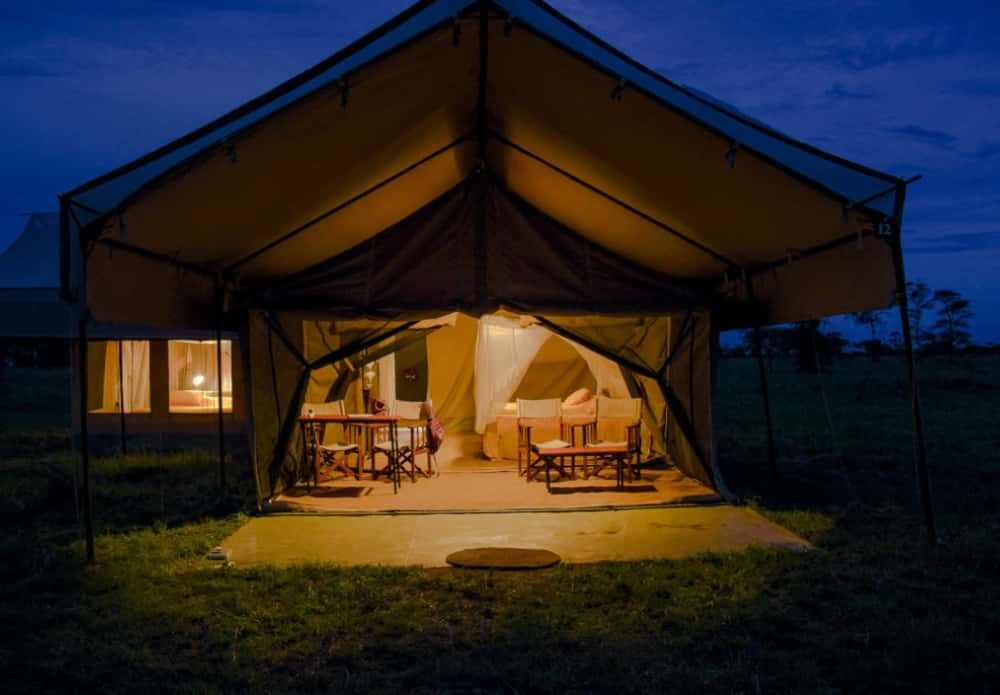
Your choice of lodging is one of the biggest variables in How much does safari in Tanzania cost:
Each accommodation tier doesn’t just change your comfort level but also directly affects How much does safari in Tanzania cost from start to finish.
The longer and more diverse your trip, the higher the overall cost—but also the richer the experience. Factors include:
The more elaborate your itinerary, the more you’ll need to invest—but the payoff is a truly unforgettable safari experience.

How much does safari in Tanzania cost can change drastically based on how many people you're traveling with:
Group dynamics directly influence How much does safari in Tanzania cost, so consider your travel style and budget when choosing.
The finer details can significantly influence how much safari in Tanzania costs:
Beyond the more obvious cost components, several subtle elements play a role in determining how much safari in Tanzania costs.
These fees often account for up to 30% of your total safari cost.

When determining how much safari in Tanzania costs should be for your needs, look beyond the final figure and evaluate value:
✔ Operator Reputation and Reviews:
Check Google, TripAdvisor, and SafariBookings for honest feedback.
✔ Clear Inclusions and Exclusions:
A transparent quote avoids surprises and ensures you're comparing apples to apples.
✔ Guide Experience and Local Knowledge:
The right guide can make or break a safari. Don’t compromise here.
✔ Sustainability Commitments:
Choose operators with ethical tourism practices that benefit local communities and ecosystems.
✔ Local vs. Foreign Ownership:
Local companies may offer better value and insights while contributing more directly to Tanzanian communities.

While we can't state exact figures for How much does safari in Tanzania cost, these strategies can help travelers stay within budget:
Rather than focusing solely on "how much does safari in Tanzania cost?" in dollar terms, we recommend a more holistic approach:
By grasping these cost drivers, you’ll be better equipped to choose a safari that delivers exceptional memories within your budget.
Quality of guiding, accommodation standards, and exclusive access to private areas create price variations.
Private safaris offer customized itineraries and flexibility that group tours can't match.
Peak wildlife viewing periods command premium pricing due to higher demand.
Private conservancies often have higher fees but offer exclusive experiences.
No - some include special experiences like night drives or walking safaris that affect pricing.
Extremely - top guides with years of experience command higher salaries.
Logistical challenges of operating in isolated locations increase expenses.
Permanent luxury tents often rival or exceed lodge pricing due to their unique experience.
International flights, visas, premium drinks, and staff gratuities are common exclusions.
Reputable operators have fixed costs, but early booking or last-minute deals may offer savings.
Tanzania is one of Africa’s premier safari destinations, offering incredible wildlife encounters year-round. But if you're wondering, "When is safari season in Tanzania?", the answer depends on what you want to experience—whether it’s the Great Migration, predator sightings, or lush green landscapes.
This guide breaks down Tanzania’s safari seasons, including:
✔ Peak season vs. low season pros and cons
✔ Best months for the Great Migration
✔ Ideal times for birdwatching and photography
✔ Regional variations in weather and wildlife
By the end, you’ll know exactly when safari season in Tanzania falls based on your travel goals, preferences, and expectations.
Tanzania has two main weather cycles—dry and wet seasons—which play a major role in shaping safari conditions and determining the best times for specific wildlife experiences.
This period is widely considered the prime time for safaris in Tanzania. If you're seeking the most rewarding game-viewing opportunities, this is often the best choice.
Why it's ideal:
✔ Wildlife congregates around waterholes, making animals easier to spot
✔ Skies are mostly clear, ensuring great light for photography
✔ Roads are accessible and less muddy, making travel between parks smoother
✔ The Great Migration river crossings—some of the most dramatic wildlife scenes on Earth—take place during this time
Best for:
– First-time safari travelers
– Wildlife photographers
– Those prioritizing high-density sightings of big cats, elephants, and herbivores
– Tourists aiming to witness the famous Mara River crossings in the Northern Serengeti
Keep in mind: This is the busiest (and priciest) time of year, so early bookings are strongly advised.
This brief rainy window is a transitional phase between dry spells, offering a unique safari experience with lighter crowds and lush surroundings.
What to expect:
✔ Afternoon or overnight showers that rarely disrupt full-day game drives
✔ Greener scenery perfect for landscape photography
✔ The arrival of migratory bird species, adding color and movement to your sightings
✔ Greater lodge availability and more flexible itineraries
Best for:
– Budget-conscious travelers looking for quality at better rates
– Photographers seeking vibrant backgrounds
– Safari-goers who don’t mind a few showers in exchange for solitude
Often underestimated, this is Tanzania's true off-season, and while it's the wettest time of the year, it comes with its own advantages.
What makes it special:
✔ Dramatic thunderstorms and plush green landscapes
✔ Calving season for many animals—especially wildebeest—creating rich predator-prey activity
✔ Fewer tourists, meaning you’ll often have entire sightings to yourself
✔ The most competitive rates on accommodations and private safaris
Best for:
– Avid birdwatchers
– Adventurers who prefer uncrowded parks
– Repeat safari travelers who’ve seen the "classic" season and want something new
– Couples or solo travelers looking for peaceful wilderness experiences

One of the most sought-after safari experiences on Earth, the Great Wildebeest Migration takes place year-round but moves across different regions of the Serengeti.
Here’s a seasonal migration breakdown to help you plan:
December – March: Southern Serengeti
– Best for the calving season, where thousands of wildebeest give birth daily
– Prime time for predator action as lions, hyenas, and cheetahs follow the herds
April – June: Central to Western Serengeti
– Herds begin moving toward the Grumeti River
– The Western Corridor offers dramatic scenes of river crossings, though less publicized than the Mara
July – October: Northern Serengeti
– The famous Mara River crossings occur, with heart-pounding scenes of wildebeest dodging crocodiles
– Iconic for photographers and wildlife lovers alike
Pro Tip: The precise timing shifts slightly each year due to rainfall patterns. Always consult with a trusted safari planner for real-time insights.

Tanzania’s diverse ecosystem means that safari timing varies depending on the specific park or region. Here’s what you need to know:
✔ Best: June – October
✔ Good Alternative: January – March (calving season)
– World-famous for the Great Migration and predator-prey interactions
– Offers excellent game viewing year-round, with changing scenery and wildlife behavior
✔ Year-Round Destination
✔ Peak Viewing: June – September
– Due to its enclosed nature and rich resources, wildlife remains consistently abundant
– Excellent visibility during the dry season enhances crater floor exploration
✔ Peak Safari Season: July – October
✔ Low Season Perks: April – May
– Famous for massive elephant herds and ancient baobab trees
– During dry months, animals congregate around the Tarangire River in dramatic numbers
✔ Best Time: June – October
✔ Birding Peak: November – April
– Lesser-visited parks that offer raw, untamed landscapes and excellent predator sightings
– During the rainy season, rivers swell and migratory birds flourish, making it a paradise for bird enthusiasts

Final Thought: When Is Safari Season in Tanzania for You?
The best time to go on safari in Tanzania truly depends on your personal preferences:
By aligning your travel dates with your interests—whether it's big cats, baby antelopes, or rare birds—you’ll discover your own perfect safari season in Tanzania.
Late June through September offers the most reliable wildlife viewing.
No - each season offers unique advantages, though April can be challenging.
March through May typically offers the best deals.
November (green landscapes) and June (golden light) are photographer favorites.
River crossings peak July-September in Northern Serengeti.
Yes - great for green landscapes and the start of calving season.
Most reopen by early June for the peak season.
November through April when migrants are present.
February tends to be hottest before the long rains.
April and May see the fewest visitors.
When travelers ask "What are the best safari companies in Tanzania?", one name consistently rises to the top: Tanzania Classic Tours. With over 15 years of crafting exceptional wildlife experiences, they've earned their reputation as leaders in Tanzanian safaris. But what exactly makes them stand out among the best safari companies in Tanzania? Let's explore the seven key reasons in exhaustive detail to understand why they're the premier choice for discerning travelers seeking an authentic African safari experience.
Among the best safari companies in Tanzania, Tanzania Classic Tours boasts the most knowledgeable guides in the industry. Their rigorous guide training program lasts six months - twice as long as most competitors - ensuring unparalleled wildlife expertise. Each guide specializes in particular areas:
This exceptional knowledge transforms game drives into immersive educational experiences. Where other companies simply show you animals, Tanzania Classic Tours' guides help you understand intricate ecosystem relationships and conservation challenges. Their recent innovation - specialized night vision equipment for nocturnal wildlife viewing - demonstrates their commitment to cutting-edge safari experiences.
The best safari companies in Tanzania understand that cookie-cutter tours don't satisfy today's sophisticated travelers. Tanzania Classic Tours' customization process begins with an in-depth consultation assessing:
Their signature "Safari Design Lab" employs former luxury travel concierges who craft hyper-personalized itineraries. Recent innovations include:
✓ Private vehicle guarantees for all bookings
✓ Flexible meal scheduling at remote bush locations
✓ Exclusive-use camp options for complete privacy
✓ Behind-the-scenes conservation experiences

When evaluating the best safari companies in Tanzania, ethical operations are non-negotiable. Tanzania Classic Tours' sustainability initiatives set industry benchmarks:
Wildlife Conservation
Community Empowerment
Environmental Stewardship
The best safari companies in Tanzania must deliver exceptional game viewing consistency. Tanzania Classic Tours' advantages include:
Exclusive Access
Seasonal Specialization
Innovative Viewing Methods
Consistently ranked among the best safari companies in Tanzania, their service excellence is validated by:
Recent Accolades
Service Differentiators
Safety protocols at Tanzania Classic Tours exceed industry norms:
Health Preparedness
Vehicle Safety
Crisis Management

While premium experiences command premium prices, Tanzania Classic Tours delivers exceptional value through:
Inclusive Excellence
Exclusive Perks
Satisfaction Guarantee

After examining all criteria that define the best safari companies in Tanzania, Tanzania Classic Tours emerges as the clear choice for travelers seeking:
For travelers truly seeking the best safari companies in Tanzania, Tanzania Classic Tours represents the pinnacle of African safari experiences - where every detail is perfected to create your ultimate wildlife adventure.
Planning a trip to the beautiful islands of Zanzibar? Understanding the ins and outs of the airport will ensure a smooth start to your journey. In this Zanzibar Airport guide, we'll cover everything travelers need to know about navigating Zanzibar's primary gateway.
Abeid Amani Karume International Airport, located in the heart of Zanzibar, is the main entry point for visitors to this stunning archipelago. Named after the island's first president, the airport comprises several terminals, with Terminal 3 handling the majority of international flights since its opening in October 2020. Visitors can expect modern facilities including a spacious waiting lounge, duty-free shops, and a variety of dining options. With flights connecting Zanzibar to major East African hubs, Europe, and the Middle East, the airport is a bustling hive of activity throughout the year. Understanding its layout can greatly enhance your airport experience, making the process smoother whether you're arriving or departing. From the architectural design to the services offered, the airport reflects the rich culture and hospitality that Zanzibar promises, setting the tone for an unforgettable stay on this island paradise.
Navigating through the airport is straightforward, with an emphasis on traveler convenience. The newer Terminal 3, dedicated to international operations, features a range of passenger support facilities such as prayer rooms, dedicated smoking areas, and a VIP lounge, ensuring both comfort and accessibility throughout your journey. These enhancements underscore the commitment to improving the travel experience in an increasingly competitive tourism landscape. Whether you're a first-time visitor or a seasoned traveler, the airport's setup is designed to cater to all your needs, right from arrival with clear signage guiding every step of the way, to departure, where you can relax in style, awaiting your flight while perusing the plethora of retail and dining options. Understanding the points of entry and facilities laid out across the terminals empowers travelers to navigate efficiently, ensuring a seamless experience from check-in to takeoff.

For most travelers arriving at Zanzibar, a valid visa is essential. Visitors can easily acquire a visa on arrival, which costs $100 for a multiple-entry visa valid for 90 days, making it convenient for those who plan to extend their stay. However, it's advisable to process your visa in advance through Tanzania e-Visa for expedited entry. This process starts with ensuring your passport is valid for at least six months beyond your intended stay. Citizens from certain countries, like South Africa, do not require a visa to enter and can benefit from streamlined processing. Make sure to have all required documentation, including return tickets and proof of accommodation, readily available to avoid delays. Visitors are encouraged to contact their local Tanzanian embassy to clarify specific entry requirements, as these can vary depending on nationality. These measures are not only necessary for entry but also play a part in ensuring a secure and seamless travel experience within Tanzania.
Vaccination is another important consideration, especially for travelers arriving from specific regions. It's highly recommended, though not mandatory, to have a yellow fever vaccination certificate if you're coming from high-risk areas. This health precaution extends into Zanzibar, where malaria is prevalent, and preventative medication is advisable. Zanzibar Travel Insurance provide useful insights for health measures, suggesting Health Insurance as part of preparation. Staying informed about the latest health guidelines and entry regulations can prevent any last-minute hiccups at the airport and ensure a stress-free start to your vacation. Embarking on your journey to Zanzibar is made significantly smoother with awareness of both entry and health requirements, so take the time to research and prepare adequately.
Clearing customs and security at Zanzibar Airport is generally a straightforward process. Upon arrival, be prepared to present your completed arrival form—these are usually distributed during your flight. The airport staff are generally quite efficient, but keeping your documents organized will facilitate a faster clearance. Commonly, you'll need your passport, visa or proof of entry eligibility, and health certificates if applicable. Zanzibar Airport has enhanced its customs process over the years to accommodate the growing number of tourists, ensuring that your transition from airplane to paradise is as smooth as possible. Zanzibar Airport customs officers are strict about carrying plastic bags, as these are banned to protect the local environment.
Security procedures are in place to ensure the safety of all passengers. Upon landing, you'll pass through a baggage screening area where it is standard protocol for all luggage to be scanned, a measure designed to safeguard both tourists and locals. It’s recommended to declare any high-value items to avoid complications. Familiarizing yourself with these security protocols in advance can be beneficial. Additionally, the friendly airport staff are usually at hand to guide and assist travelers through these processes, making the experience efficient and welcoming.
After landing at Zanzibar Airport, travelers have several transportation options to choose from to reach their accommodations. The most popular method is hiring an airport taxi; these are reliable and can be easily found outside the terminal. It’s wise to agree on a fare beforehand, ensuring a smooth transition from airport to destination. For the budget-conscious traveler, local dala-dalas, though often crowded, present an authentic and economical travel experience Zanzibar Airport Terminal 3. For an added touch of convenience, many resorts offer private shuttles—often included with your booking—that guarantee direct service to your lodging.
Those seeking more flexibility can opt for car rental services available at the airport. This option is particularly useful for travelers wanting to explore Zanzibar beyond the popular tourist sites, offering the freedom to travel at your own pace. A word of caution: familiarize yourself with local driving laws and common road conditions to ensure safe travels. For a seamless start to your Zanzibar adventure, organizing your airport transfer in advance is strongly recommended. Your hotel or a reputable provider can arrange transfers, allowing you to effortlessly begin immersing yourself in all that this beautiful destination has to offer.

Zanzibar Airport offers various services and amenities designed to enhance your travel experience. The new Terminal 3, known for its modern design, features ample waiting areas and business zones complete with Wi-Fi access. Should you require cash, currency exchange services are present, although it’s advisable to carry some local currency in advance due to variable exchange rates. Duty-free shopping is available for those interested in purchasing local products and souvenirs, offering a selection of items to commemorate your journey.
Food and beverage options cater to a range of tastes, with cafes and restaurants serving local and international cuisine. Whether you're looking for a quick snack or a leisurely meal, the airport provides ample choices to satisfy your palate. Families traveling with children can make use of dedicated kid-friendly areas, while infants and parents will appreciate the family restrooms and changing facilities. The airport’s thoughtful approach to comprehensive passenger care ensures that everyone, from solo adventurers to large families, can travel comfortably.
To make the most of your time at Zanzibar Airport, a few additional tips can go a long way. First, consider travel insurance to cover unexpected medical needs, cancellations, or theft, prioritizing peace of mind as you explore the island. Using technology, such as flight tracking apps and digital boarding passes, can simplify logistics and help you stay informed of any changes. Packing essentials like a portable charger ensures your devices remain functional, ideal for communication or navigation upon arrival.

To navigate Zanzibar’s unique climate, dress comfortably, and carry essentials like sunscreen and a refillable water bottle. Staying hydrated is key in the tropical heat, and leveraging the airport's amenities to make transitions seamless can ensure your travel is both efficient and enjoyable. Moreover, staying connected with locals through simple Swahili phrases or cultural gestures is a wonderful way to enrich your vacation. Each of these details contributes to a successful travel experience, leaving you free to enjoy everything that Zanzibar has to offer.
With this comprehensive guide to Zanzibar Airport, you're equipped with the essentials to navigate like a pro. Whether it's knowing about entry requirements or organizing transportation after arrival, a bit of preparation goes a long way in ensuring a seamless travel experience.
Nestled in the heart of the Serengeti, Seronera Campsite is a paradise for nature enthusiasts and adventure seekers alike. Whether you're yearning for a breathtaking safari or a peaceful retreat under the African stars, this campsite offers a wealth of exciting activities to make your stay unforgettable.

Experience the thrill of witnessing the majestic wildlife of the Serengeti. A safari at Seronera offers up-close encounters with elephants, lions, zebras, and more. Guided tours provide insights into the park's unique ecosystem and the behaviors of its inhabitants, offering a truly immersive experience. You might find yourself captivated by the rhythmic movements of a herd of elephants or the solitary grace of a leopard resting in a tree. Each safari is a chance to learn about the preservation efforts that help keep these environments thriving.
The Serengeti is not just about big animals. As you venture deeper into the campsite, you'll discover the smaller gems that make this ecosystem so vibrant. Watch in awe as a cunning jackal hunts, or spot a curious meerkat standing sentinel. Each outing offers a new story and connection to the intricate tapestry of life, making every safari a unique experience.
Rise early to catch the stunning sunrise over the vast savannah or relax in the evenings as the sun dips below the horizon. The vibrant colors painting the sky turn every sunrise and sunset into a photographer's dream, perfect for capturing unforgettable moments. The atmospheric changes not only create a stunning visual but also signal shifts in the animal behavior; predators winding down from their night hunts or grazers stepping out to feed. It's this blend of visuals and wildlife that makes each dawn and dusk an event in its own right.
For the best shots, position yourself atop the rolling hills surrounding the campsite, where panoramic views unfold before your eyes. As the soft light envelops the landscape, even the familiar acacia trees take on a new charm, casting long, dramatic shadows across the terrain.
For those who enjoy exploring on foot, the nature trails around Seronera campsite offer spectacular views and a chance to connect with the untouched wilderness. Whether you're a seasoned hiker or a casual walker, these trails provide a serene escape into nature's heart. Walking quietly through the savannah, you'll appreciate the smaller details of the ecosystem, from the busy ants carrying loads much larger than themselves to the tiny ephemeral flowers poking through the earth.
As you traverse the trails, the serenity is occasionally punctuated by the distant roars of a lion or the bird calls above. Each step presents a new soundscape, a reminder of your place within this vibrant environment. It's not only a physical journey but a meditative one, allowing you to unplug and rejuvenate amid one of the world's most incredible natural landscapes. Keep a lookout for interpretive signs that provide fascinating insights into the flora and fauna you encounter.

Home to diverse bird species, Seronera Campsite is a haven for birdwatchers. From colorful passerines to majestic raptors, birdwatching tours offer a glimpse into this vibrant avian world, enhancing your appreciation for the Serengeti's biodiversity. The sight of a fish eagle soaring against the morning sun or the melodious songs of woodland kingfishers will captivate both novice and seasoned birders.
Organized birdwatching walks with a local guide can turn a simple stroll into an educational journey, revealing the hidden lives of these feathered creatures. Capture the spirited antics of lilac-breasted rollers or the regal silhouette of a secretary bird stalking its prey. Birdwatching in Seronera campsite is more than observing; it's about connecting with the rhythm and flow of the African landscape.
After a day filled with adventure, unwind with some stargazing. The clear skies of Seronera Campsite reveal a blanket of stars above, offering a tranquil moment to reflect on the day's experiences and the beauty of the natural world. With little light pollution, the serenity of the African night sky can leave you feeling a profound sense of connection to the universe.
Consider joining a guided stargazing session to enrich your experience. Learn about the southern constellations, planets visible to the naked eye, and tales of African nights linked to the celestial phenomena. It's a peaceful activity that rounds off your day with the perfect mix of wonder and relaxation.
Just a short drive from the campsite, the Mawe Meupe Picnic Site provides an idyllic setting for a leisurely afternoon. Enjoy a packed lunch amidst sweeping landscapes and perhaps spot a few giraffes peacefully browsing nearby. This scenic spot offers both a change of pace and a deeper dive into the Serengeti's inviting environment. Beyond the obvious appeal of dining al fresco, it's an opportunity to stretch your legs and maybe even indulge in a bit of sketching or writing, inspired by the breathtaking backdrop.

Immerse yourself in the rich cultural heritage of the area. Interacting with local communities provides a unique perspective on traditional Maasai customs and their harmonious relationship with the land, enhancing your adventure with cultural enlightenment. Through stories and shared experiences, gain insights into their sustainable practices, age-old traditions, and how they’ve adapted to modern challenges while preserving their cultural identity.
Visits to Maasai villages often include a peek into the colorful artistry of beadwork or a chance to participate in traditional dances. It's a bonding experience that opens a window into the resilient spirit and wisdom of the Maasai, allowing you an authentic glimpse into a lifestyle intricately woven into the tapestry of the Serengeti.