Booking a Tanzania safari with flights from Germany is not a niche move—it is a deliberate routing strategy used by US travelers who are already in Europe, who have family in Germany, or who found a better fare departing Frankfurt than departing New York. Done right, it can save money and add a European stopover. Done wrong, it adds confusion around visas, jet lag, and package inclusions that a Germany-based booker would never encounter.
This guide is written specifically for the US traveler departing from a German airport—not a German resident—and it addresses every gap that generic Tanzania safari content skips over.
Three real scenarios drive this choice:
What does not usually drive the decision: a belief that a Germany-packaged tour is inherently cheaper than booking the same safari through a US-facing specialist. That assumption deserves scrutiny.
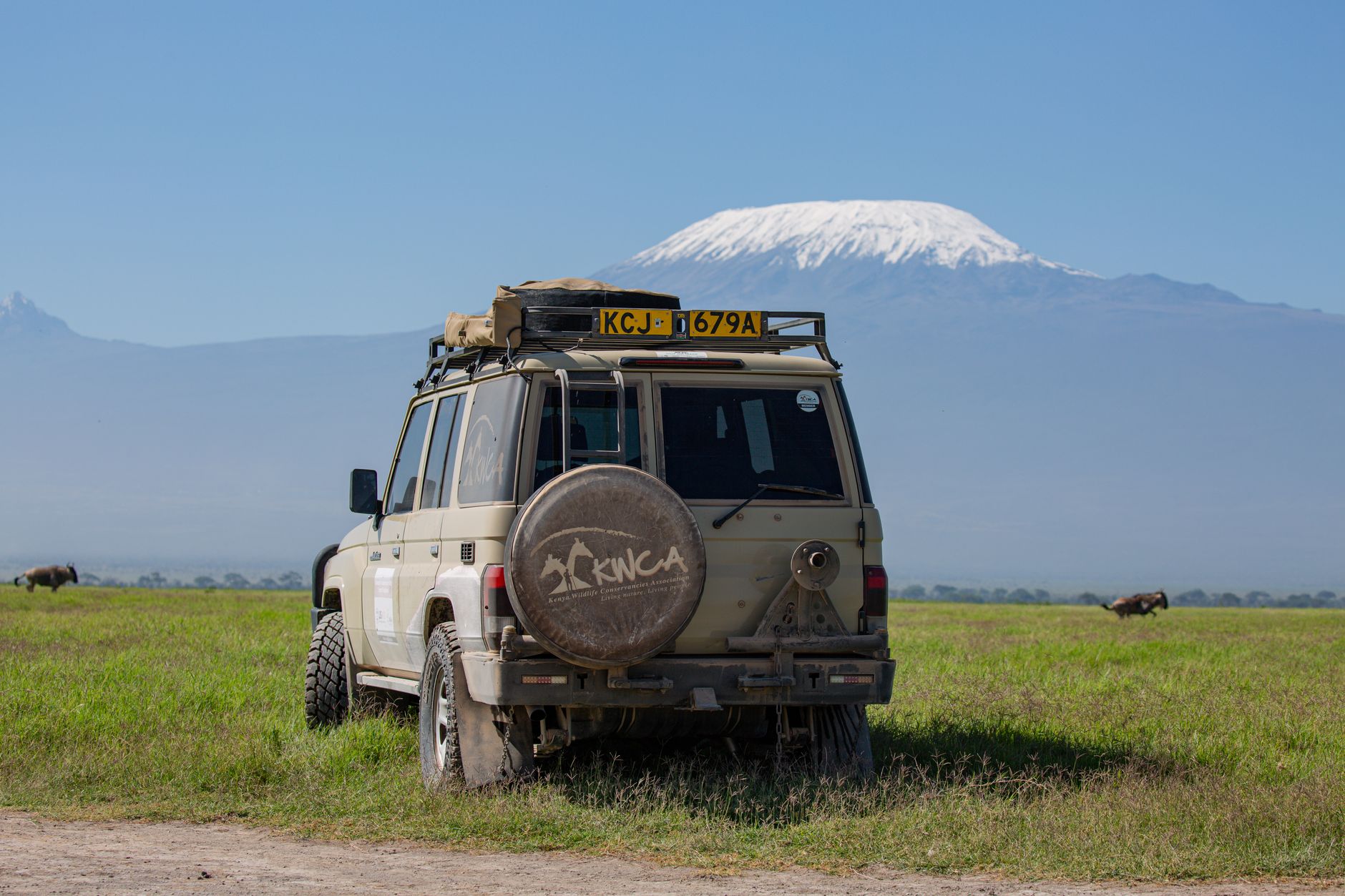
Frankfurt is the strongest gateway. Ethiopian Airlines operates FRA–ADD–JRO with a layover in Addis Ababa (typically 2–4 hours). Total journey time: roughly 14–17 hours gate to gate, not counting your US–Frankfurt leg. Qatar Airways routes FRA–DOH–JRO, often with competitive business-class pricing and a Doha layover of 2–5 hours. Kenya Airways connects FRA–NBO–JRO for travelers whose itinerary includes Nairobi.
Lufthansa partners with Kenya Airways and Ethiopian out of MUC. Expect one stop in Nairobi or Addis Ababa. Total flight time to JRO is comparable to Frankfurt—15–18 hours—but Munich connections sometimes require an overnight stop in Nairobi depending on the schedule, which adds a hotel cost that US travelers often fail to budget for.
Berlin has fewer direct options. Most routing goes BER–FRA or BER–AMS before connecting south. If you are starting from Berlin, budget an extra 3–5 hours of total travel compared to a Frankfurt departure. For a US traveler already in Germany, this is worth noting: positioning yourself to Frankfurt for departure is usually worthwhile.
If your US–Germany flight lands in Frankfurt at 7:00 AM and your Tanzania connection departs at 23:00, you have a full day in Frankfurt—not wasted time, but an opportunity to begin adjusting to East Africa Time (UTC+3), which is 8–9 hours ahead of US Eastern time. Booking this intentionally, rather than scrambling for a same-day connection, reduces safari-start fatigue significantly.
Total travel time from a US East Coast city to JRO via Germany: 22–28 hours. From the US West Coast: 26–32 hours. Build in a Nairobi or Arusha arrival night before your first game drive.
Your passport determines your Tanzania visa requirements—not your departure country. As a US passport holder, you are eligible for a Tanzania e-Visa, which should be applied for before departure through the official Tanzania immigration portal. Approval typically takes 3–10 business days; apply at least 3 weeks before travel to allow buffer time.
Important: visa policy can change. Always verify current requirements directly with the Tanzanian Embassy or official immigration authority before booking. Do not rely on package confirmations from operators as visa approval guarantees—they are not authorized to provide this.
If your itinerary includes Kenya (Nairobi stopover, Masai Mara extension), you will need a separate Kenya ETA as a US passport holder. Factor this into your pre-departure checklist.
The phrase "Tanzania safari with flights from Germany" bundles at least four separate cost components. Understanding each is essential before evaluating any package quote.
| Component | Entry Tier | Mid Tier | Premium Tier |
|---|---|---|---|
| Germany → JRO flights (economy) | €550–€900 | €900–€1,400 | €2,500–€5,000 (business) |
| Safari ground package (7–10 nights) | €1,200–€2,000 pp | €2,500–€4,500 pp | €6,000–€12,000 pp |
| Zanzibar beach add-on (4–5 nights) | €400–€700 pp | €800–€1,500 pp | €2,000–€4,500 pp |
| Internal Tanzania flights (JRO–Zanzibar etc.) | €150–€300 pp | €200–€400 pp | €400–€800 pp |
| Realistic total per person (excl. US–Germany) | €2,500–€4,000 | €5,000–€8,000 | €11,000–€22,000 |
Prices are indicative for 2026–2027 bookings and subject to availability, season, and currency fluctuation. EUR/USD exchange rate at time of writing: approximately 1.08–1.12. Budget accordingly.
Is it cheaper from Germany than from the US? Not necessarily for the safari ground component—that is priced in USD by Tanzanian operators regardless of where you book. The flight leg may be cheaper or more expensive depending on the season and how far in advance you book. The real saving, if any, comes from combining a European trip with a Tanzania itinerary rather than making two separate transatlantic journeys.
For a fuller breakdown of what safari packages include at each price level, see our Tanzania Safari Tours 2026-2027: Costs, Best Times & How to Choose.
This is a planning conflict that almost no packager acknowledges explicitly. German school holiday calendars cluster around:
Now overlay Tanzania's wildlife calendar:
The conflict: German summer holidays (July–August) land squarely in Tanzania's premium dry season—meaning maximum demand, maximum price, and minimum availability. Families booking during school holidays should expect to pay 20–35% more than shoulder-season prices and should book 9–12 months in advance.
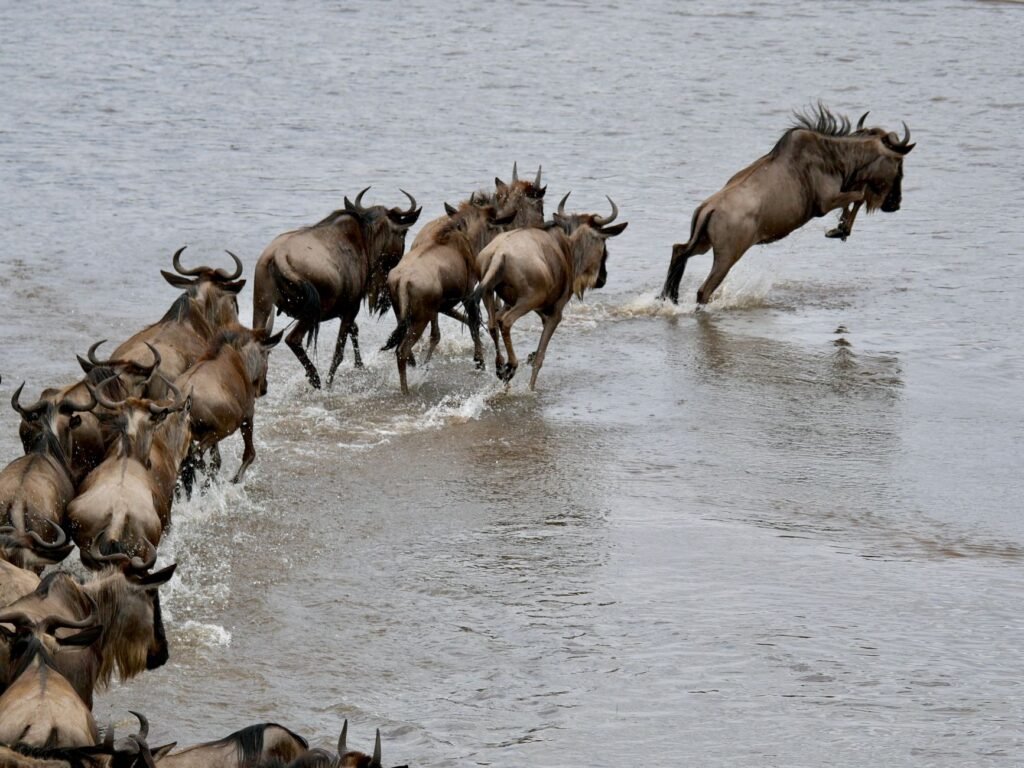
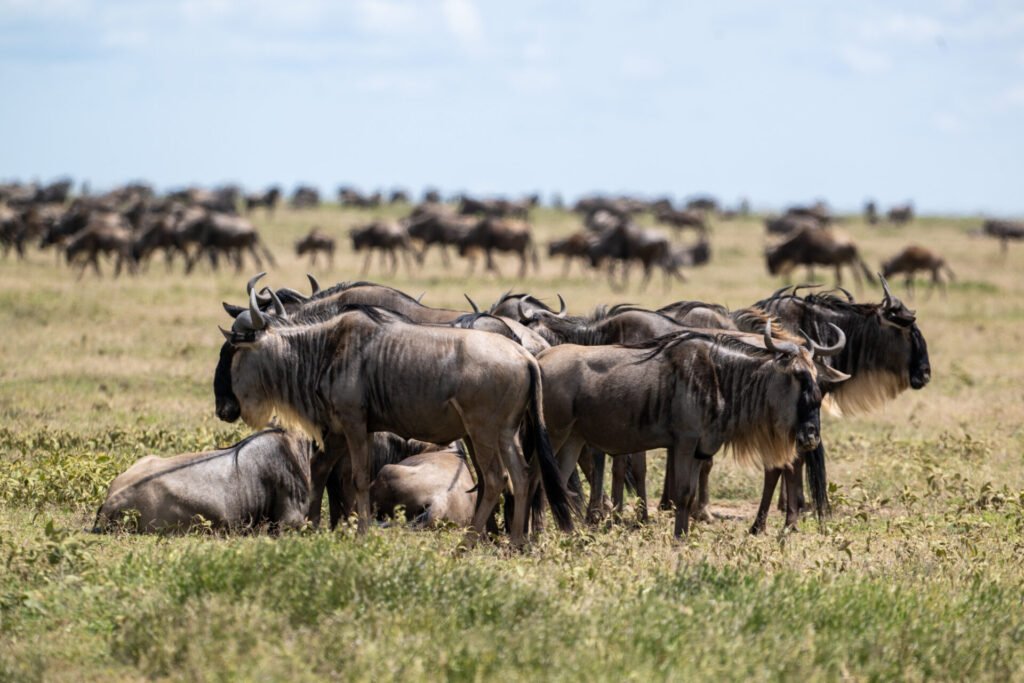
The opportunity: German Easter holidays (late March–April) overlap with the tail end of Tanzania's green season—lower prices, fewer crowds, and the baby animal spectacle in the Serengeti. For flexible travelers, this is the underrated sweet spot.
For month-by-month Serengeti timing guidance, see Best Time to Visit Serengeti 2026–2027: Month-by-Month Guide.
All-inclusive Germany-departure packages from European operators typically bundle:
What is frequently excluded: visa fees, travel insurance, tips for guides and camp staff (budget $10–$15 USD per day per guide as a standard), personal drinks, and any Kilimanjaro climbing component.
À la carte booking means purchasing flights separately, then booking a ground operator directly in Tanzania. This approach gives you more flexibility and often a lower total cost if you have time to research, but it requires you to coordinate logistics across multiple providers. If a flight is delayed and you miss your first game drive, nobody coordinates the fix for you automatically.
Recommendation for US travelers: Use a specialist ground operator based in Tanzania who works with US-facing clients and understands the departure-from-Germany logistics—rather than a German package holiday operator whose contracts are designed for Frankfurt residents flying return. The pricing transparency is better, and you avoid paying a European retail markup on the safari component.
Not all Tanzania parks are created equal for a Germany-departure itinerary, partly because of internal transfer times.
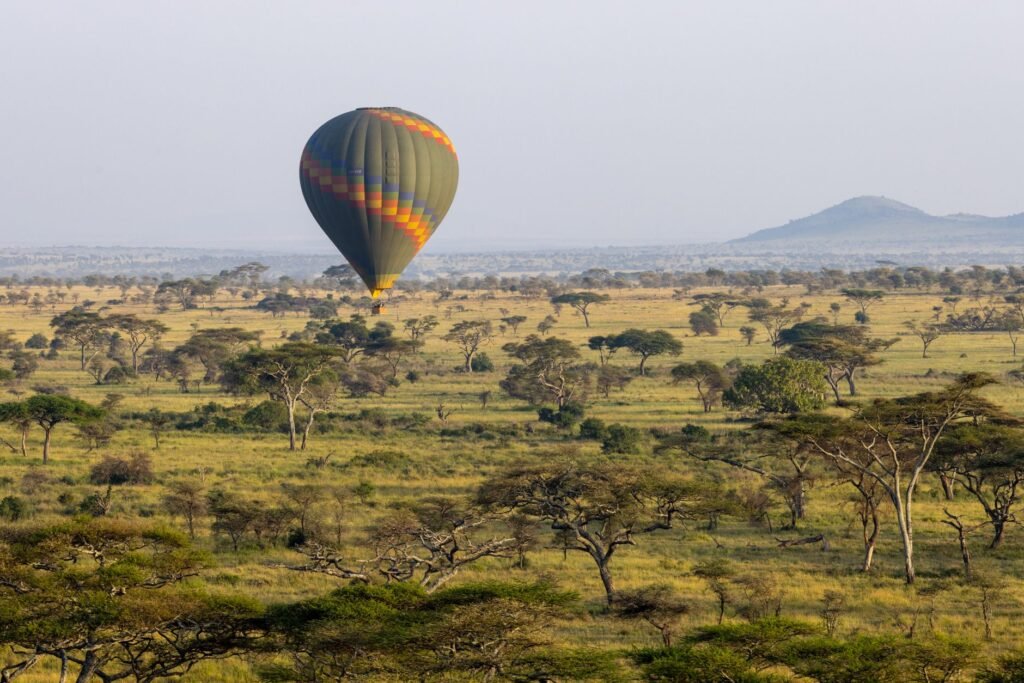
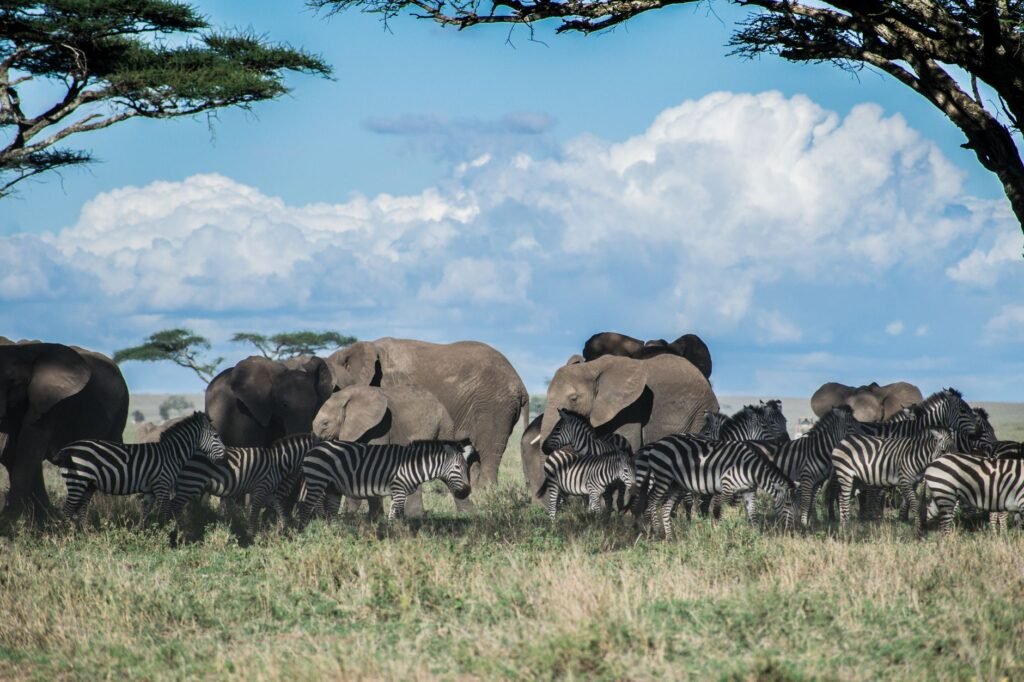
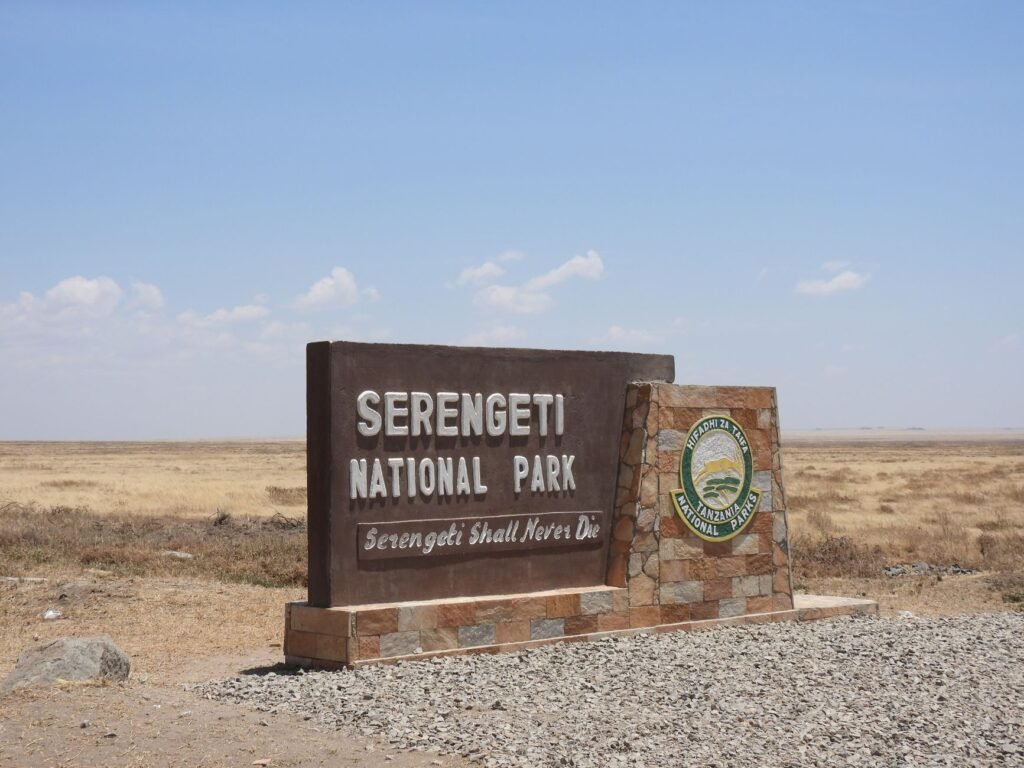
Serengeti National Park — The flagship. Accessed from JRO via Arusha (approximately 7-hour road transfer or 1-hour domestic flight). Best for the Great Migration, big cat density, and classic safari photography. Higher park fees, more visitors in peak season. Worth it for a first Tanzania safari. See our Great Migration Tanzania 2025–2027: Month-by-Month Guide for timing specifics.
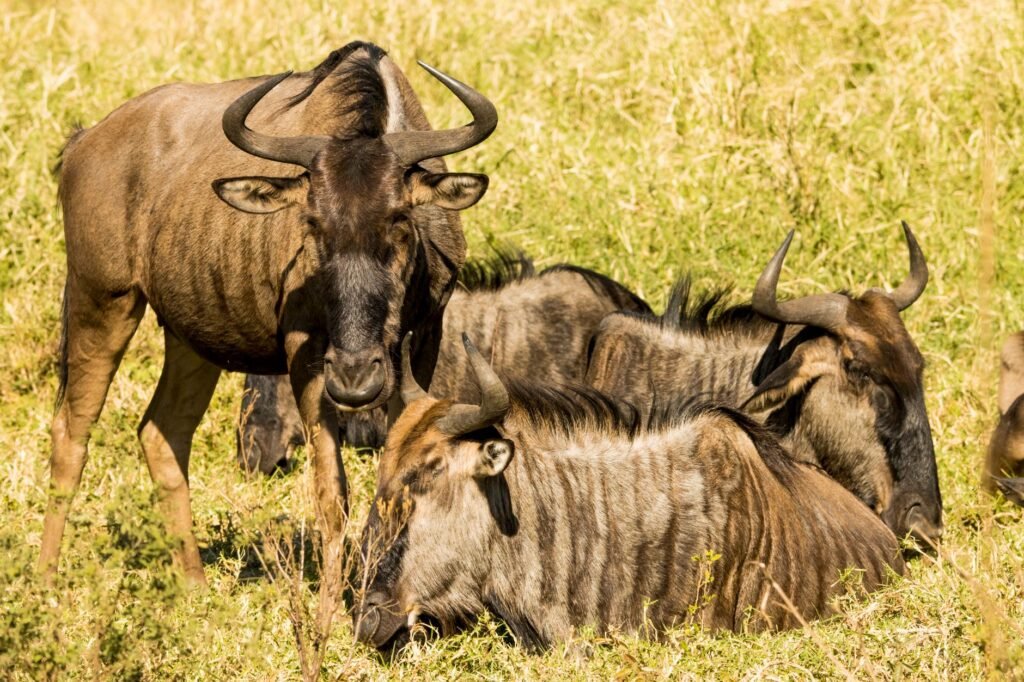
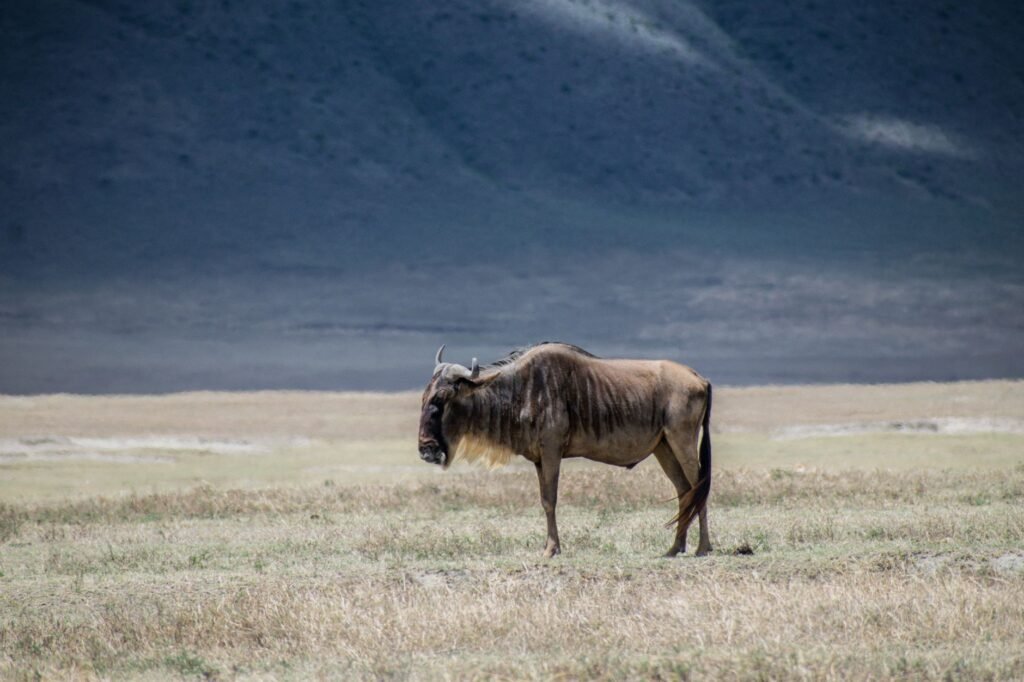
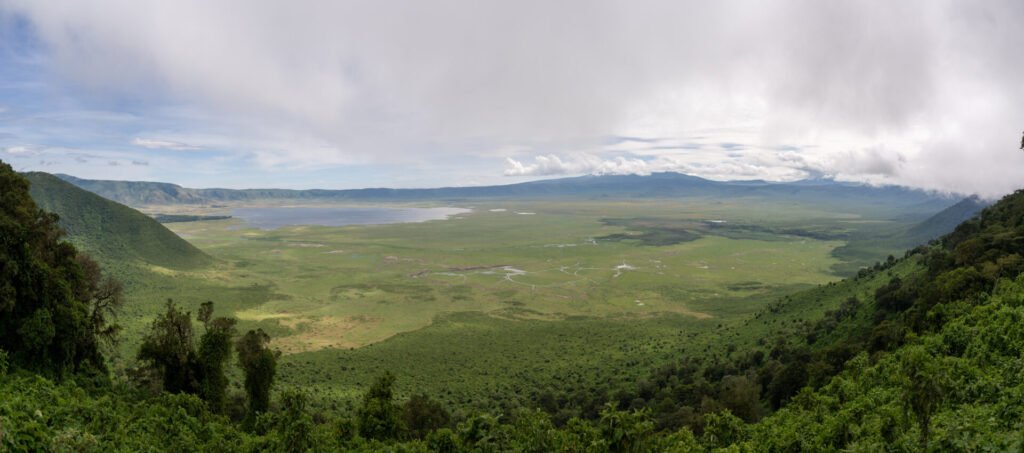
Ngorongoro Crater — Typically combined with Serengeti as a circuit. The crater floor holds an extraordinary density of wildlife year-round, including black rhino. Requires a crater descent fee on top of park fees. Combine with Serengeti for a complete northern circuit.
Mikumi National Park — In southern Tanzania, accessible from Dar es Salaam. Cheaper to access, fewer crowds, and excellent for budget-conscious travelers who want to combine Dar es Salaam arrival with a 5-hour road transfer to the park. Less iconic than Serengeti but genuinely rewarding.
Nyerere National Park (formerly Selous) — Africa's largest protected area, in the south. Best accessed by domestic flight from Dar es Salaam (45 minutes). Walking safaris and boat safaris are permitted here—experiences unavailable in northern parks. Excellent for repeat safari visitors or those specifically seeking remote, crowd-free environments. Higher domestic flight costs apply.
This decision has a significant cost and comfort impact:
For itineraries of 10 days or more, budgeting for at least two or three domestic flight segments is almost always worth it.
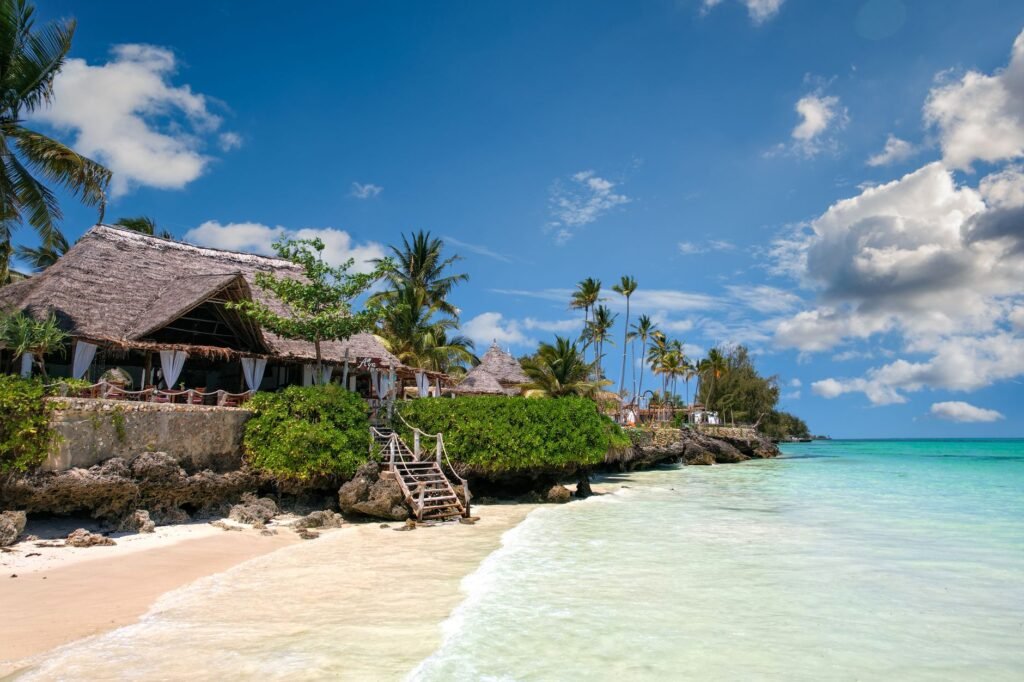
Zanzibar works best as the final component of your itinerary—not the first. Arriving in Zanzibar after 5–7 days on safari gives you a genuine decompression: from dust and early mornings to turquoise water and seafood. The reverse order (beach then safari) tends to feel anticlimactic.
Flight from JRO or Dar es Salaam to Zanzibar (ZNZ): approximately 1 hour, $120–$250 per person depending on operator.
Seasonal note: Zanzibar has its own weather pattern. The long rains (April–May) and short rains (November) can disrupt beach days but rarely ruin a trip entirely. July–October and January–March are the driest periods. If you are traveling during German summer holidays (July–August), Zanzibar weather aligns well. For more detail, see Zanzibar Beach Holiday Packages from USA: 2026-2027 Guide.
Whether you book through a European packager or directly with a Tanzania-based specialist, ask these questions:
For a framework on evaluating Tanzania safari operators as a US traveler, see Tanzania Safari Tour Operator USA Guide 2026-2027.
Ready to explore specific itineraries? Browse our Safari packages for 2026–2027 departures, or see the Best Tanzania Safari Packages 2026-2027: Price Guide, Safety & How to Choose for a complete comparison across budget levels.
A Tanzania safari with flights from Germany makes genuine strategic sense for US travelers who are already in Europe or who find advantageous German-departure fares. It does not automatically mean a cheaper trip, and it introduces specific logistics complexity—US–Germany positioning, EUR/USD cost exposure, visa self-management, and multi-hop fatigue—that a direct-from-US booking avoids. Understand what is and is not included in any quote, match your travel dates to Tanzania's wildlife seasons rather than defaulting to German school holiday peaks, and give yourself enough buffer days on both ends of the safari to absorb international travel delays. Do those three things, and a Germany-departure Tanzania safari can be one of the most efficient and memorable trip structures available.