
Climbing Kilimanjaro is a genuine life ambition for thousands of Americans every year — but figuring out what it actually costs is surprisingly difficult. Most operator websites quote a single number that masks what's included, what's excluded, and what will blindside you at the airport or base camp. This guide cuts through the noise with a transparent, category-by-category breakdown of every dollar a US-based climber should expect to spend in 2026–2027.
Let's start with the number you came here for: a realistic all-in Kilimanjaro climb from the USA costs between $6,500 and $12,500+, depending on your route, operator tier, season, and departure city. Budget-oriented climbers who cut corners aggressively might approach $5,000, but that figure carries meaningful safety and ethical trade-offs discussed below. Premium guided expeditions with reputable operators regularly exceed $10,000 all-in when flights are included.
Here's how that breaks down:
| Cost Category | Budget Range (USD) | Notes |
|---|---|---|
| Round-trip flights from USA | $1,200 – $2,500 | Varies by hub city and season |
| Climbing package (on-ground) | $2,000 – $5,500+ | Route and operator dependent |
| Park fees (TANAPA) | $700 – $1,000 | Included in most legit packages |
| Guide and porter tips | $250 – $500 | Rarely included; often underestimated |
| Travel insurance | $150 – $400 | Evacuation coverage is essential |
| Tanzania e-visa | $50 | Fixed government fee |
| Gear (rental or purchase) | $200 – $1,500 | First-timers often underestimate this |
| Pre/post accommodation | $100 – $600 | Nights in Moshi or Arusha |
| Total (all-in estimate) | $5,000 – $12,500+ | Route, operator, and origin city dependent |
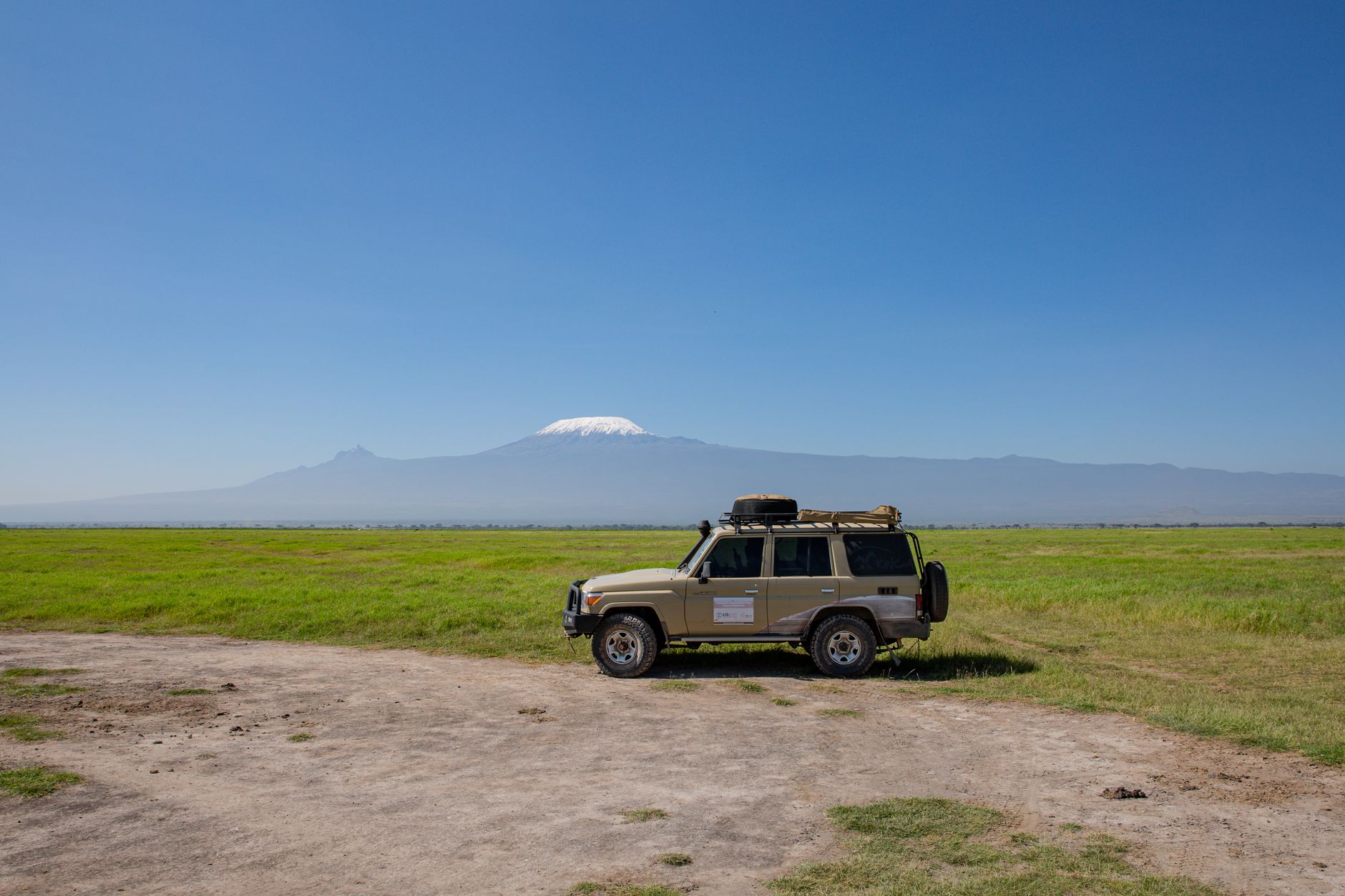
Flights are often the largest single expense and the one most operator quotes conveniently ignore. The nearest major international gateway is Kilimanjaro International Airport (JRO), though many routes connect through Nairobi (NBO) or Dar es Salaam (DAR). Many climbers also combine their Kilimanjaro expedition with Tanzania safari packages to maximize their East Africa trip.
Typical round-trip flight costs from major US cities to JRO (2026–2027 estimates):
Booking 4–6 months in advance and traveling in shoulder season (March–May or October–November) typically saves $300–$600 per ticket. Airlines like Ethiopian Airlines, KLM, Qatar Airways, and Turkish Airlines frequently offer competitive fares on these routes.
Key insight: Flights represent roughly 20–35% of your total Kilimanjaro investment. When comparing operator packages, always add flight costs to make a true comparison.
The on-ground package is what most operators quote — and where the widest variance exists. Prices differ dramatically by route, duration, and operator quality.
Marangu Route (5–6 days)
The only route with hut accommodation. Lower cost on paper, but lowest summit success rates.
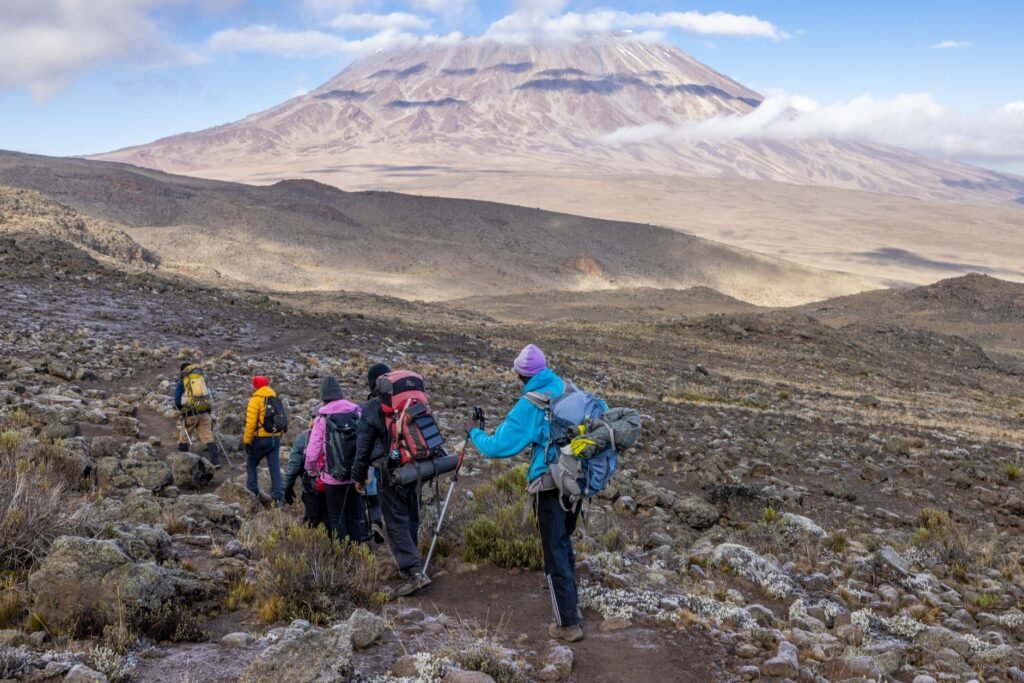
Machame Route (6–7 days)
Most popular route, strong acclimatization profile, camping-based.
Lemosho Route (7–8 days)
Widely considered the best balance of scenery, acclimatization, and summit success. Favored by reputable operators.
Rongai Route (6–7 days)
Approaches from the north; drier, less crowded, good for shoulder-season climbing.
For a detailed breakdown of routes and what each demands physically and logistically, visit our Climbing page or read our dedicated guide: Climb Kilimanjaro from USA: Complete Guide 2026–2027.
This is where climbers most often get surprised. A transparent operator should clearly itemize inclusions. Here's what legitimate packages typically include:
✅ Park fees and conservation levies (paid to TANAPA)
✅ All meals on the mountain
✅ Camping equipment (tents, sleeping pads)
✅ Licensed guide(s) and porters
✅ Airport transfers to/from Moshi or Arusha
✅ Rescue fee (required by TANAPA)
What is almost never included:
Tipping is not optional on Kilimanjaro — it is the primary income for guides and porters who make your summit possible. The Kilimanjaro Porters Assistance Project recommends:
For a 7-day Lemosho climb with a crew of 10–15 people, expect to budget $350–$600 in tips. Budget operators who quote suspiciously low prices are often underpaying their crews — and passing the ethical burden to you.
First-time high-altitude climbers frequently underestimate gear costs. A proper kit (insulated boots, layering system, trekking poles, sleeping bag rated to -20°C) can cost $800–$1,500 to purchase new. Quality rental gear at reputable Moshi outfitters runs $150–$300, but availability and condition vary.
Standard travel insurance is insufficient for Kilimanjaro. You need a policy that covers high-altitude trekking and emergency helicopter evacuation. Providers like World Nomads, Battleface, and Ripcord Rescue Travel offer appropriate coverage. Budget $150–$400 depending on age, trip duration, and policy limits. A rescue without insurance can cost $10,000–$30,000.
This is the most important judgment call you'll make. A $1,800 all-in package and a $5,500 package are not delivering the same experience — or the same safety.
What budget operators ($1,500–$2,500) often cut:
What premium operators ($4,500–$6,000+) typically deliver:
Well-regarded operators like Alpine Ascents International, Ian Taylor Trekking, and Tusker Trail price their expeditions at the premium end for documented safety and quality reasons. Tanzania Classic Tours operates with the same standards — transparent crew wages, proper equipment, and licensed guides — because on a mountain at 5,895 meters, these details are not cosmetic.
Prices and conditions vary significantly by season:
From a USA travel perspective, summer departures (July–August) align with peak season and peak flight prices — a double premium. October and January can offer better value while maintaining good summit conditions.
Joining a group departure is the most cost-effective option for solo US travelers. Packages are priced per person with shared crew costs, typically saving $500–$1,500 versus a private expedition.
Private expeditions offer custom scheduling, dedicated crew, and flexibility — important for corporate groups, special occasions, or climbers with specific acclimatization needs — but add $1,000–$3,000 to on-ground costs.
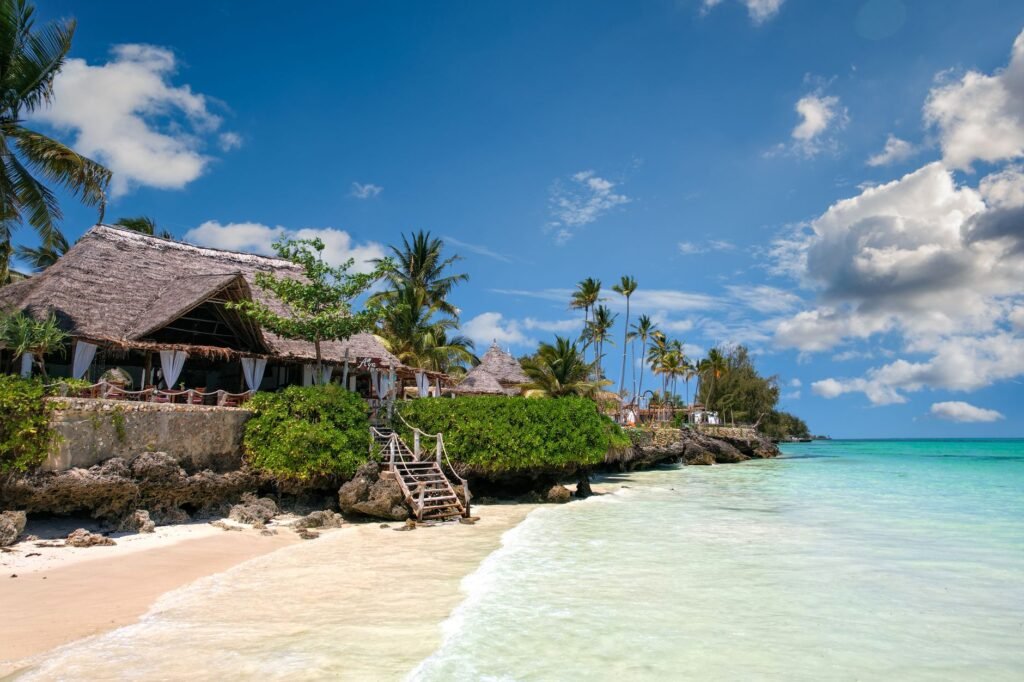
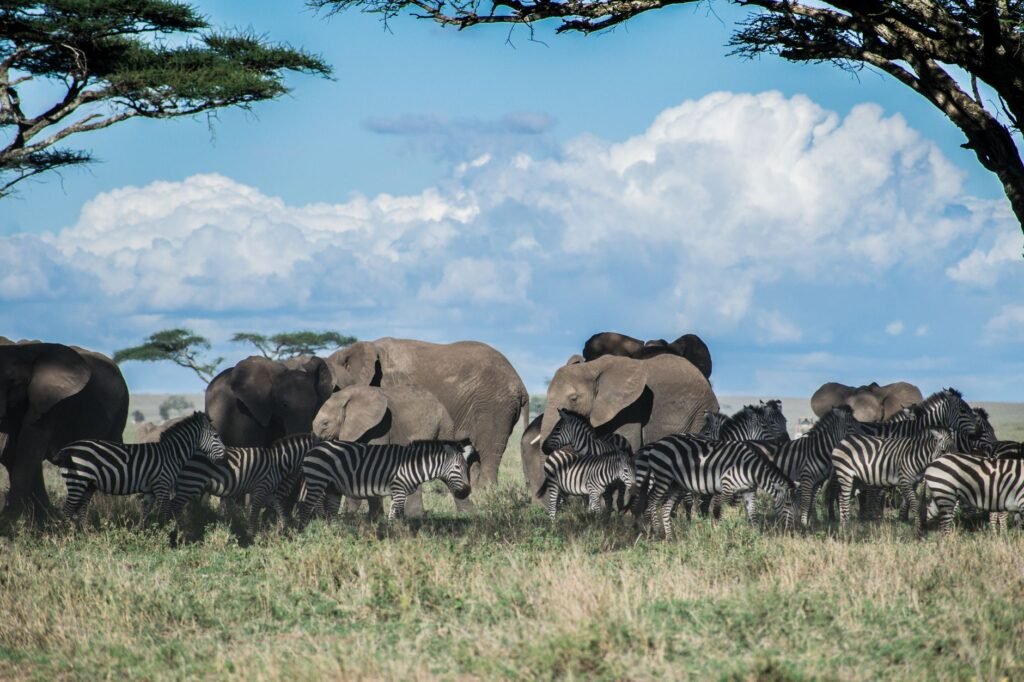
Most climbers from the USA don't fly 9,000 miles for just the mountain. A Zanzibar beach extension or Tanzania wildlife safari is the natural complement to a summit achievement.
Explore our full range of Tanzania experiences on the Destinations page.
Before booking, any reputable Kilimanjaro operator should provide:
At Tanzania Classic Tours, we believe transparency is the foundation of trust. Contact us directly to receive a fully itemized quote for your preferred route and travel dates, or learn more about us and our approach to guided climbing.
For the most comprehensive planning resource available, bookmark our Climb Kilimanjaro from USA: Complete Guide 2026–2027 — it covers fitness preparation, acclimatization strategies, gear lists, and everything between booking and summit day.
For travel insurance and international trip planning resources, consider exploring global travel services before finalizing your climb details.
Pricing data reflects 2025–2026 published operator rates and TANAPA fee schedules. All figures are in USD. Exchange rate fluctuations (USD/TZS) may affect on-ground costs; confirmed bookings with reputable operators lock in pricing at agreement date. Last reviewed: 2025.