Planning a Tanzania safari from the United States involves more moving parts than a typical vacation. You need international flights, park entry permits, daily game drive vehicles, accommodation, and internal transfers—all coordinated across thousands of miles. Most travel sites show you either flight prices or tour costs, never both together. This guide provides the full picture: total spend by departure city, daily safari costs by accommodation tier, visa requirements, seasonality pricing, and complete 7, 10, and 14-day itinerary budgets.
Tanzania's two main international gateways are Kilimanjaro International Airport (JRO), near Arusha and the northern safari circuit, and Julius Nyerere International Airport (DAR) in Dar es Salaam. For most US safari travelers, JRO is the smarter arrival point—it puts you 45 minutes from Arusha, the safari capital, with no extra internal flight required.
Typical round-trip economy airfares (2026 estimates based on Kayak, Google Flights, and airline direct pricing):
| Departure City | To JRO (Kilimanjaro) | To DAR (Dar es Salaam) |
|---|---|---|
| New York JFK | $1,100–$1,600 | $1,000–$1,500 |
| Atlanta ATL | $1,200–$1,700 | $1,100–$1,600 |
| Los Angeles LAX | $1,400–$2,000 | $1,350–$1,900 |
| Chicago ORD | $1,250–$1,750 | $1,200–$1,650 |
East Coast travelers consistently find cheaper fares because the primary hub connections—via Amsterdam (KLM), Istanbul (Turkish Airlines), Doha (Qatar Airways), Dubai (Emirates), and Addis Ababa (Ethiopian Airlines)—are geographically closer. West Coast travelers typically pay $200–$400 more per round trip.
JRO is almost always the better choice for safari travelers. Flying into DAR and then traveling overland or on a connecting domestic flight to Arusha adds $150–$300 per person and 6–10 hours of travel time. The only exception: if you're beginning your trip in Zanzibar, DAR gives you a shorter ferry or short-haul connection.
Expect 18–24 hours of total travel time from most US cities, including one layover of 1–4 hours. Common connecting hubs:
Book flights 4–6 months in advance for peak season (July–October). Prices rise sharply within 90 days of departure.

US passport holders must obtain a Tanzania visa before or upon arrival. As of 2026, Tanzania has streamlined the process through its e-Visa portal (immigration.go.tz).
Apply online at least 3 weeks before departure. The e-Visa is attached to your passport number and confirmed via email—print a copy to carry with your travel documents.
Your accommodation choice is the single biggest variable in your daily Tanzania safari budget. Costs below are per person, per night and typically include accommodation, all meals, daily game drives, and park fees unless otherwise noted.
Public campsites in the Serengeti, Ngorongoro Conservation Area, and Tarangire National Park fall into this range. Expect basic tented camping with shared facilities, self-catering or simple meals, and group safari vehicles. Simba Public Campsite in the Serengeti is a well-known example. Park fees ($70–$80/person/day in most northern circuit parks) are sometimes separate at this tier.
Permanent tented camps and mid-range lodges dominate this tier. Properties like Kibo Safari Camp near Amboseli or Maramboi Tented Camp near Lake Manyara offer en-suite facilities, hot showers, full-board meals, and guided game drives. Park fees are generally included. This is the most popular tier for independent US travelers.
All-inclusive private camps—including some of the world's most celebrated safari properties in the Serengeti's remote northern zones—fall here. Properties like Four Seasons Safari Lodge Serengeti, andBeyond Ngorongoro Crater Lodge, or Singita Grumeti include private game drives, premium dining, spa services, and butler service. These camps typically include all park fees, all meals, and all activities.
For full daily rate context with more options, see our Tanzania Safari Tours 2026-2027: Costs, Best Times & How to Choose.
Tanzania has two primary safari seasons, and timing your trip directly affects both wildlife quality and price.
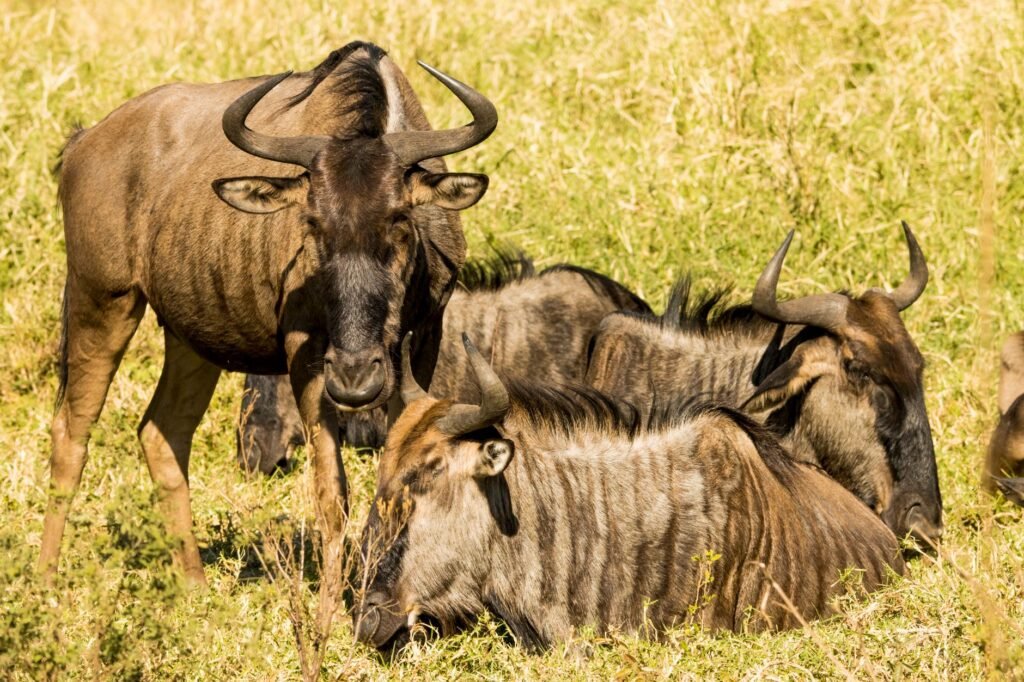
Peak Season (July–October): The dry season coincides with the Great Wildebeest Migration's dramatic Mara River crossings in the northern Serengeti. Wildlife is concentrated around water sources, making sightings exceptional. Prices are at their highest—lodge rates can be 30–50% above shoulder-season pricing, and flight costs rise accordingly. Book 6–9 months in advance.
Shoulder Season (January–March): The short dry spell in January–February offers excellent wildlife viewing in the Ngorongoro Crater and Tarangire. The Serengeti's southern plains host calving season (February), which is dramatic in its own right. Lodge prices drop 20–35%, and flights are 15–25% cheaper than peak season.
Green/Low Season (April–June, November): Heavy rains reduce wildlife concentration and some camps close. However, rates drop 40–60% at lodges that remain open, and the landscape is lush and photogenic. This is the best period for budget travelers who prioritize savings over optimal wildlife density.
US travelers have two main booking approaches:
Option 1 – Book flights separately, book safari package directly with a Tanzania operator. This gives maximum flexibility. You control flight timing, can earn frequent flyer miles, and often secure better safari rates by working directly with an in-country specialist like Tanzania Classic Tours. The trade-off: more coordination required, and no single point of contact if something changes.
Option 2 – Book a flight-inclusive package through a US-based travel agency. Convenient, single invoice, and occasionally better pricing on bundled economy-class airfare. However, US agencies typically mark up in-country components by 20–40%. You also lose direct operator access, which matters if itinerary adjustments are needed on the ground.
Our recommendation: Book flights independently using comparison tools (Google Flights, Kayak) and book your in-country safari directly with a specialist Tanzania operator. This approach typically saves $300–$600 per person on a 10-day trip while giving you better on-ground support. For a full breakdown of how US packages are structured, visit our Tanzania Safari Tour Operator USA Guide 2026-2027.
All figures below are per person based on double occupancy and include: round-trip economy airfare from New York JFK, visa fee, mid-range lodge accommodation, all meals, daily game drives, park fees, and airport-to-lodge transfers. Flights from LAX add approximately $400 per person.
Itinerary: Serengeti (3 nights) + Ngorongoro Crater (2 nights) + Tarangire (1 night)
For a detailed pricing breakdown of this format, see Tanzania Safari Packages from USA: 2026–2027 Pricing Guide.
Itinerary: Tarangire (2 nights) + Serengeti (4 nights) + Ngorongoro (2 nights) + 1 night Arusha
Itinerary: Northern circuit safari (8 nights) + Zanzibar beach (5 nights)
For luxury-tier equivalents, add 80–150% to the accommodation line items above.
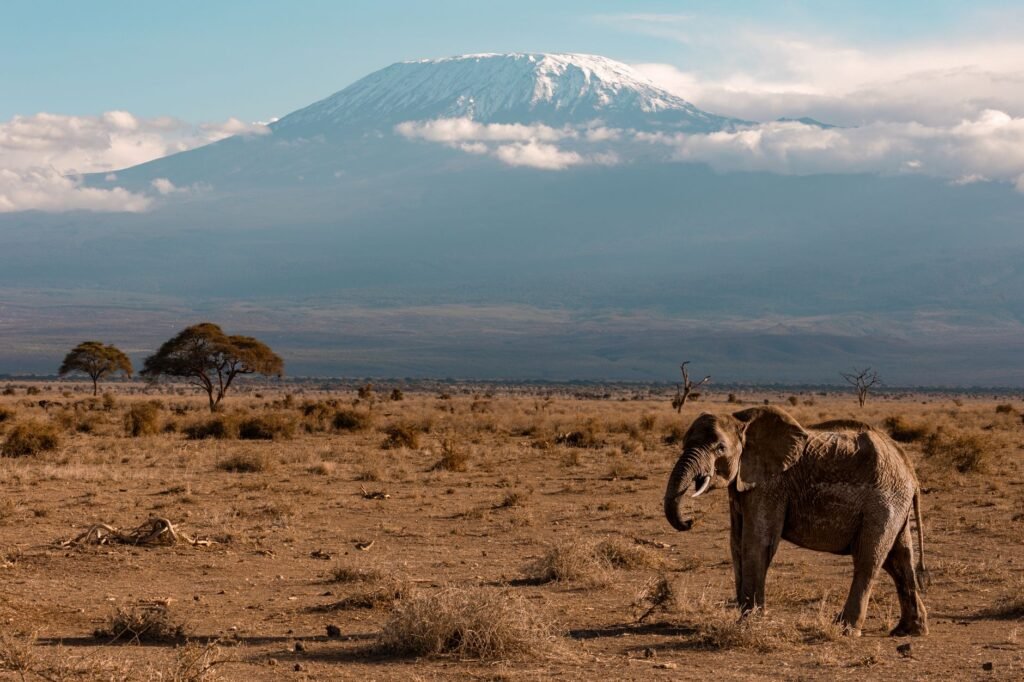
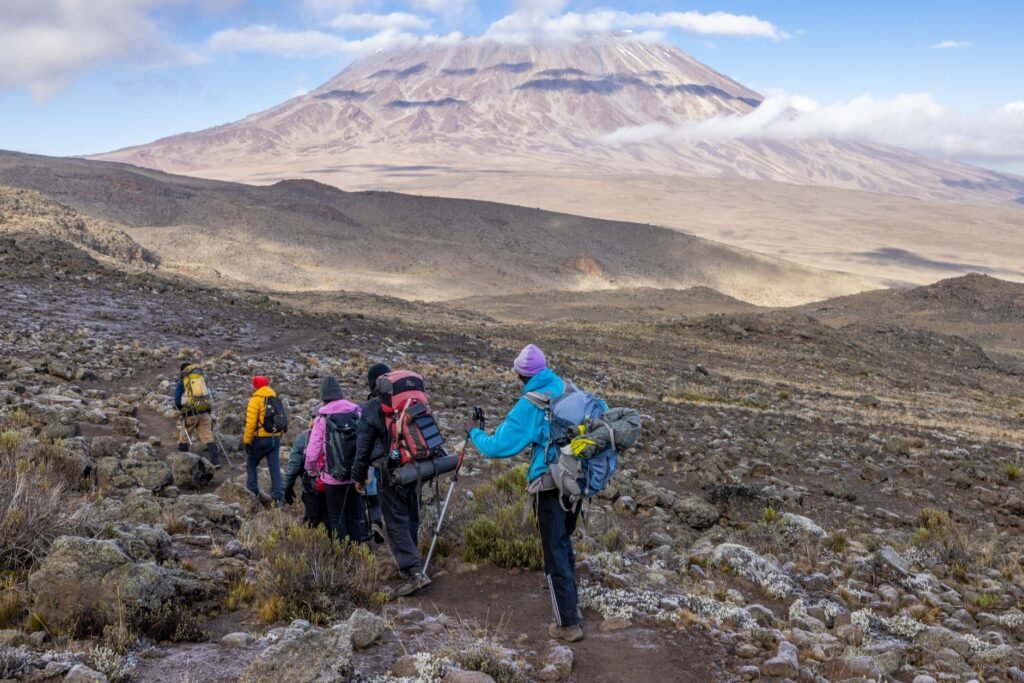
Mount Kilimanjaro Climb: Adding Africa's highest peak before or after your safari typically costs $2,200–$3,800 per person for a guided 7–8 day climb (Machame or Lemosho route), including all park fees and crew. See the full breakdown in our Kilimanjaro Climb Cost from USA: 2026–2027 Budget Breakdown.
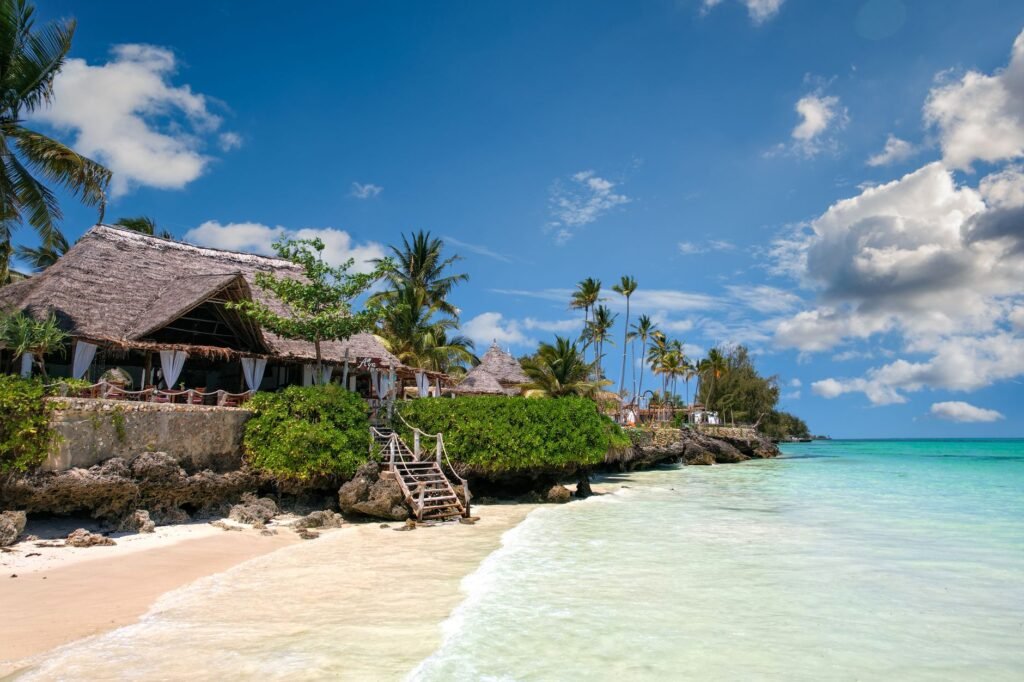
Zanzibar Beach Extension: A 4–5 night Zanzibar stay adds $600–$1,500 per person depending on resort category, plus a $180–$250 internal flight from Arusha or Dar es Salaam. Full details at Zanzibar Beach Holiday Packages from USA: 2026-2027 Guide.
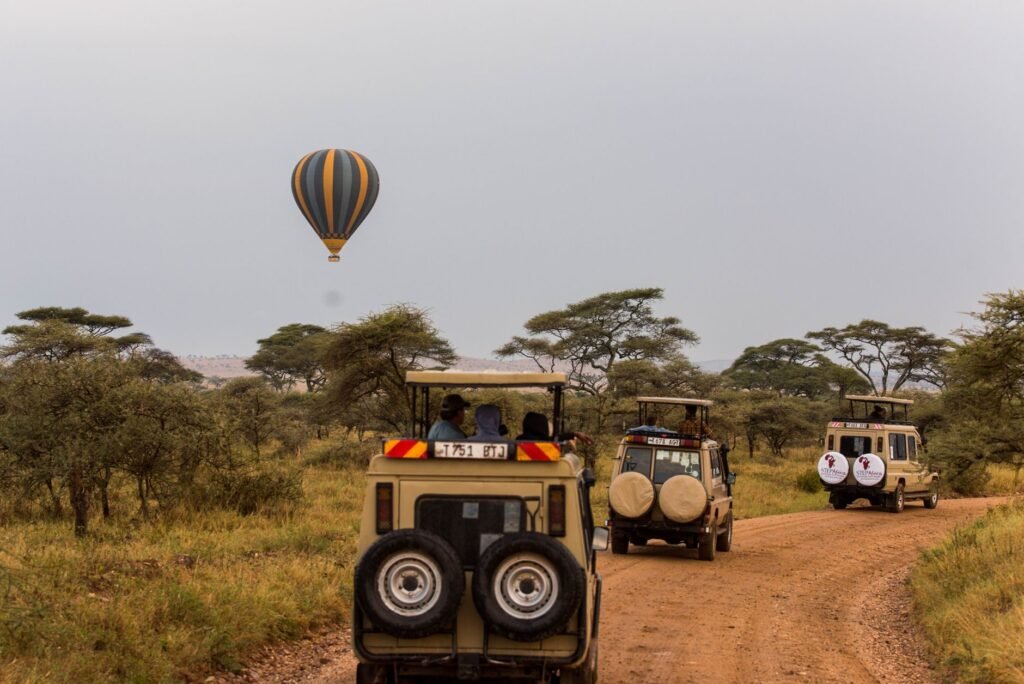
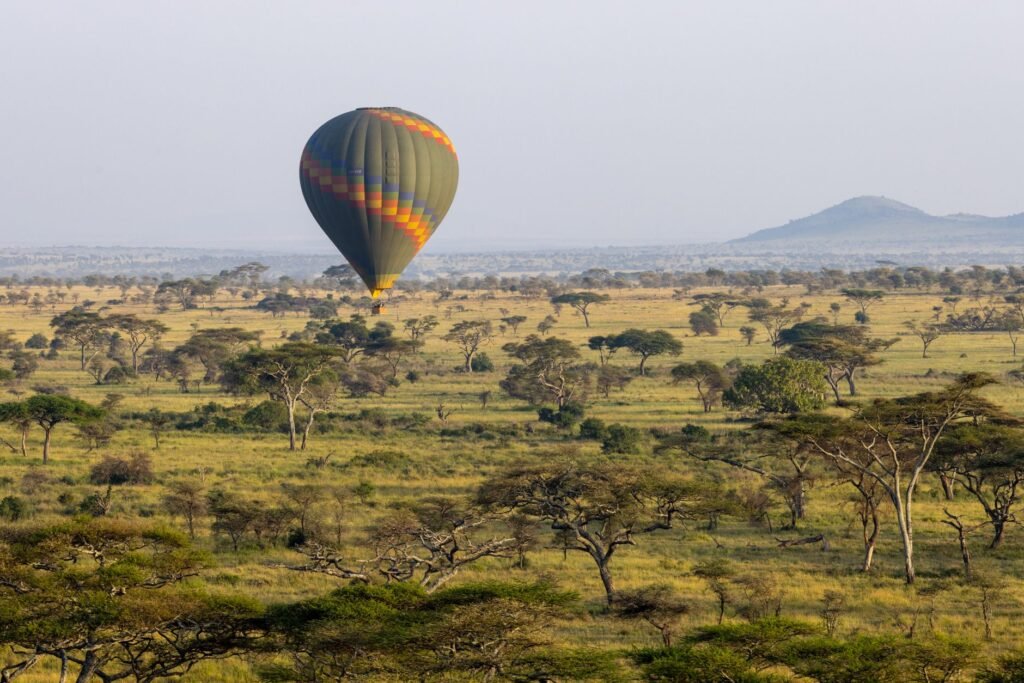
Hot Air Balloon Safari over the Serengeti: One of Tanzania's most iconic experiences, balloon flights launch at dawn over the central Serengeti and cost $599–$699 per person (Serengeti Balloon Safaris is the main operator). Includes champagne bush breakfast on landing. Book in advance—peak season flights sell out weeks ahead.
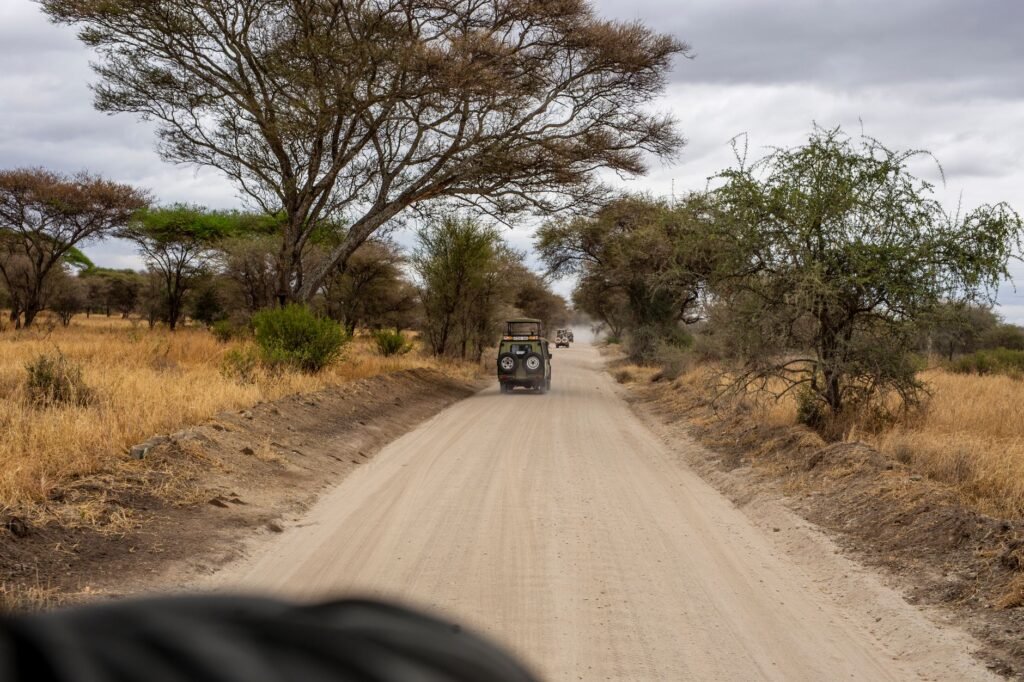
Once you land at Kilimanjaro International Airport, here's what the ground journey looks like:
A common hidden cost: operators who don't include internal park-to-park flights quote lower package prices but deliver inferior wildlife access. Always confirm whether transfers between parks are by road or light aircraft, and factor in travel time lost to long road transfers when comparing packages.
Tanzania Classic Tours specializes in designing safari itineraries specifically for US travelers, with transparent pricing that covers flights guidance, park fees, accommodation, and all ground logistics from one point of contact. Whether you're looking for an affordable first safari or a luxury honeymoon experience, our team can build an itinerary matched to your budget and travel dates.
Explore our curated resources:
Ready to move from planning to booking? Contact Tanzania Classic Tours directly for a custom itinerary quote that includes all costs—flights advice, visa, accommodation, park fees, and every transfer in between.