Planning a safari adventure in Tanzania is exciting, but understanding the local currency can be a bit daunting for first-time visitors. In this guide, we'll explore everything you need to know about Tanzania currency to make your trip as smooth and enjoyable as possible.
The official currency of Tanzania is the Tanzania currency Shilling, often abbreviated as TZS. It comes in both coins and notes, offering a wide range of denominations to ensure convenience for all kinds of transactions. Coins typically range from 50 to 500 TZS, while banknotes can range from 1,000 to 10,000 TZS. This variety means you need to carry different denominations for ease while traveling, especially for day-to-day expenses in local markets or for transportation. The exchange rate for TZS can fluctuate, so it’s a good idea to keep an eye on conversions to popular currencies like USD or EUR before and during your visit. This way, you can know exactly how much your money is worth and plan your budget accordingly. For current rates, websites like xe.com can offer reliable information.
Tanzania currency offers more than just a method of transaction; it’s etched with the country's rich cultural heritage and natural wonders. Banknotes are beautifully designed with images of native wildlife, notably the African elephant and giraffe, and other iconic landscapes such as Mount Kilimanjaro. This adds an educational and aesthetic value, making each note a little piece of Tanzanian culture. When receiving change, make sure the banknotes are in good condition, as damaged notes are often refused by vendors. It’s also worth mentioning that US dollars are widely accepted in tourist areas, but you'll find that using local shillings might offer a better deal, especially in local markets where prices can often be inflated for dollars.

Exchange your money in reputable places such as banks or authorized currency exchange bureaus to get the best rates. It's advisable to avoid exchanging currency at airports or hotels where rates can be less favorable. For a smoother exchange process at banks or official exchange points, have your passport handy as it may be required. Also, beware of unofficial exchange locations that might offer slightly better rates at the risk of counterfeit currency—it's not worth the gamble. Staying aware of current exchange rates can help you make informed decisions. Visiting official websites or using currency conversion apps can provide you with real-time updates and allow you to budget your trip effectively.
When planning your budget, consider splitting your cash reserves between Tanzania currency Shillings and US Dollars. While US Dollars are widely used, particularly in tourism and for larger expenses like booking safaris or accommodations, Tanzania currency Shillings are crucial for small transactions, such as buying souvenirs or dining in smaller, localized eateries. Having a bit of both currencies will not only ensure smooth transactions but might also help you save as local vendors might charge a premium for payments in USD. For instance, when purchasing souvenirs or utilizing services in markets, using Shillings can often yield better prices. Explore local banks such as CRDB or NMB for exchanging larger amounts as they generally offer competitive exchange rates.
While credit and debit cards are accepted in urban areas and tourist hotspots, it's important to carry cash for transactions in rural areas or local markets where cards might not be accepted. Many luxury hotels, high-end restaurants, and major tourist attractions do allow for card payments; however, a transaction fee of around 3-5% might be added, so it's wise to check with your bank on international transaction fees. Prior to your trip, inform your bank of your travel plans to prevent your cards from being unexpectedly blocked due to suspicion of fraud. It’s also a good idea to keep the bank’s international contact number handy for any issues that may arise during your travels. Utilizing banks like Barclays or Standard Charted in larger cities can also provide a reliable ATM service for cash withdrawals if needed.
In Tanzania, especially in less commercialized areas, cash is king. While places that cater significantly to international visitors, like Zanzibar or Arusha, often accept cards, smaller businesses, local vendors, and rural establishments primarily transact in cash. As a tip, carry both TZS and USD as backup; the former for daily expenditures and the latter for more substantial payments or as an emergency fund. For added convenience, apps like Google Pay or Apple Pay are being increasingly recognized, although not yet universally accepted. Remember to draw cash during daytime hours in safe, busy areas and avoid carrying large sums at once to minimize potential losses.
One unique aspect of Tanzania is that some places may allow for payment in other major currencies such as Euros or British Pounds, though these are the exception rather than the norm. Therefore, it is advisable to have predominantly Tanzania currency Shillings for smaller transactions. If bringing cash from abroad, make sure notes are in pristine condition as damaged or overly worn bills may not be accepted. Additionally, travelers should consider travel credit cards that offer benefits like no foreign transaction fees, travel insurance coverage, or free currency exchange, adding safety and convenience to your journey. Keep these insights in mind when preparing for your safaris, city adventures, or lounging in beautiful Tanzanian beaches.
Keeping small denominations for convenient transactions is crucial in Tanzania, where having the exact or close-to-exact change can speed up the purchasing process. The importance of practical cash handling cannot be overstated, as it will contribute significantly to an enjoyable travel experience. Use money belts or hidden pouches under your clothing to keep your cash secure, especially in crowded areas or bustling market streets, which can be quite vibrant but also avenues for pickpockets. Being discreet when handling cash is always a good practice, drawing as little attention as possible. While ATMs in major cities are generally reliable for withdrawals, it's best to plan your cash flow ahead, as rural areas may not offer such facilities easily.
Additionally, carrying a small change pouch makes everyday purchases much more straightforward. This way, you can keep larger denominations safely stored in a money belt or your hotel safe while using smaller bills for on-the-go expenses like cab fares, street food, or tipping. If possible, draw out just enough cash for a day or two to minimize losses should your wallet be misplaced. For accommodation, most established hotels provide safes for valuables, giving you confidence in their security while you explore the beautiful terrains of Tanzania. Besides, keeping track of your expenditures will help you stay budget-conscious, especially in enthusiastically bustling environments where it's easy to lose track of spending. Remember, a little planning goes a long way when it comes to managing your travel finances.

Another valuable tip is to separate your cash reserves; keep some in a secure location like a hotel safe, another portion within your money belt, and perhaps a small sum in a readily accessible wallet. This ensures you are not left in a difficult situation should you misplace part of your funds. In eventuality of losing some cash, always having a backup ensures that your adventures stay on track. For added safety, record transactions either manually or using an app to track your spending habits. Ensuring a mix of digital and tangible payment options will facilitate smooth financial operations during your Tanzanian excursion.
Tipping in Tanzania is quite appreciated, but the absence of it won’t cause offense. Gratuities are a thoughtful way to show recognition for the exceptional service you might receive during your stay. Knowing customary tipping practices in Tanzania is one method to immerse yourself in the cultural landscape and appreciate the hospitality offered by local providers. Generally, a tip of 5-10% of the bill is welcomed at restaurants, while for safari guides and lodge staff, tipping $10 per day is considered respectful.
Many lodges and hotels maintain common tip boxes at the reception. This system ensures that all staff members, including those working behind the scenes, receive a fair share of the tips. When it comes to safaris, the tip is typically provided to guides during a farewell ceremony. It’s essential to consider the good services you’ve experienced and express this through a tip, but never feel compelled to do so. Tipping guidelines may vary depending on the type of service, the quality provided, and personal preference, but they all contribute positively to the tourism industry and local economy.

Family ventures into Tanzania's spectacular wilderness can often mean shared expenses, including tips. It’s helpful to decide as a group on the amount to give, ensuring transparency and satisfaction. Tipping culture, although not obligatory, plays a role in supporting a vibrant tourism industry and ensuring service quality in Tanzania. For those who gain enrichment from engaging with local experiences, it can be rewarding to connect with your guides, rangers, or lodge employees by expressing gratitude with a tip.
Armed with this knowledge about Tanzania currency , you're now ready to embrace your safari adventure with confidence. Whether you're bargaining at local markets or sipping coffee in a café, you’ll be well-prepared to navigate the financial aspects of your trip.
Embarking on a safari in Tanzania 2025 promises breathtaking vistas, rich wildlife, and unforgettable memories. Whether you're a seasoned traveler or planning your first adventure, understanding the essentials can ensure your journey is nothing short of magical. In this guide, we'll explore how to make your Tanzanian safari dream a reality.

Tanzania's unique landscape offers a stunning backdrop for a diverse array of wildlife. From the iconic Serengeti to the majestic Mount Kilimanjaro, Tanzania remains a top destination for safari enthusiasts. In 2025, new conservation efforts and tourist-friendly policies make it an even more attractive choice. One of the most compelling draws is the opportunity to witness the Great Migration in the Serengeti, a mesmerizing spectacle of nature's choreography as millions of wildebeest and zebras traverse the plains. Whether you're visiting for the wildlife or the majestic landscapes, Tanzania never fails to captivate the heart of every traveler.
But it's not just about the wildlife. Tanzania is a cultural tapestry that offers authentic interactions with local Maasai tribes, coastal Swahili communities, and the Hadzabe bushmen. Engaging with these communities can offer profound insights into a way of life unchanged for centuries. This rich cultural experience complements the diverse fauna, making Tanzania an unforgettable fusion of adventure and learning. Moreover, initiatives in eco-tourism have ensured that your visit contributes to conservation and community development, making your travel experience responsible and enriching.
Timing is crucial when planning your Tanzanian safari. The best months for wildlife viewing are typically from June to October, during the dry season, when creatures gather around water sources. However, visiting during the wet seasons reveals lush landscapes and fewer crowds, offering a different kind of charm. In fact, the wet months between November and May bring life to the savannas, with vibrant greenery and the arrival of migratory birds—a dream for avid birdwatchers.
Moreover, each season brings its own unique experiences. For instance, the great wildebeest migration offers thrilling predator-prey interactions, mostly occurring from June to September. If you're captivated by calving season, the period between January and March is ideal, providing incredible opportunities to witness new life in the Serengeti. Each part of the year offers something special, so aligning your visit with your interests is key to experiencing the best of Tanzania.

From luxurious lodges to rugged camping adventures, your safari options in Tanzania are varied. Consider your comfort level, desired itinerary, and budget when choosing between private tours, group excursions, or self-driven adventures. Tanzania Classic Tours offers a range of tailor-made itineraries that can cater to different interests and preferences. Their 5-day Tanzania lodge safari, for example, promises thrilling wildlife encounters along with cultural experiences like the Maasai village visit, perfectly blending adventure with cultural immersion.
For those seeking a more grounded experience, budget camping safaris provide the chance to connect deeply with nature. Camping under the expansive Tanzanian sky, surrounded by the sounds of nocturnal wildlife, is an experience that few forget. Alternatively, if comforts and privacy are paramount, consider a luxury lodge or tented camp safari. These options often include gourmet meals, expert guides, and breathtaking views right from your accommodation. No matter your choice, each type of safari leaves you with unique memories, ensuring you'll have a personal adventure to cherish.
Understanding local customs and traditions enhances your travel experience. Engaging with communities and appreciating their cultural heritage fosters meaningful connections and enriches your journey. When visiting tribal areas, such as those inhabited by the Maasai, respect for traditions is paramount. Tanzanian people are renowned for their hospitality, but being sensitive and respectful can go a long way in ensuring your interactions are genuine and rewarding.

Dress modestly, particularly in rural areas, and always ask for permission before photographing people. Swahili phrases like 'Jambo' (Hello) or 'Asante' (Thank you) are appreciated and can greatly enhance your interaction with locals. Additionally, participating in culturally immersive activities, such as visiting local markets or attending a traditional dance, offers deeper personal insights and supports local economies. These experiences can profoundly enrich your safari, turning it from merely a sightseeing trip into a meaningful journey of cultural discovery.
A Tanzanian safari promises to be a life-changing experience filled with wonder, adventure, and connection to the raw beauty of nature. With proper planning and a touch of curiosity, 2025 could be the year you make memories on the vast savannas that last a lifetime.
A Safari of a Lifetime is not just a journey; it's a profound adventure that leaves a lasting imprint on our hearts and minds. For those yearning for a truly unforgettable experience, understanding the elements that contribute to a remarkable safari is essential.

The destination sets the tone for your safari adventure. Different locations offer diverse wildlife experiences, landscapes, and cultural encounters. For the most breathtaking wildlife experiences, consider Tanzania, recognized for its iconic sites like the Serengeti and Ngorongoro Crater. Explore the world with us for the ultimate safari experience.
Tanzania is celebrated for its vast landscapes and rich wildlife diversity. The Selous Game Reserve is home to large herds of elephants, hippos, and Tanzania’s last black rhinos, providing unparalleled opportunities to witness wildlife in its natural habitat.
Choosing your safari location involves understanding what each destination offers. While some might be drawn to Botswana's Okavango Delta, others might find the thrill they seek in Tanzania's sweeping plains, where the land teems with life in a way that writes its own story on the African canvas.
Timing can make all the difference. Witnessing the Great Migration, where millions of wildebeests and zebras move in a harmonic dance, is a bucket list event. The best times to catch this spectacle in Tanzania's Serengeti are from July to October.
Beyond migration, Tanzania's climate varies across the year. From June to September, the skies are clear, and the wildlife is vibrant, perfect for game viewing. However, each season offers unique spectacles; visit during the short rains for lush landscapes and fewer crowds.
Understanding weather and wildlife patterns is essential. For instance, visiting the Selous Game Reserve between June and December ensures favorable conditions for both game viewing and exploring its stunning terrain.
A knowledgeable guide is indispensable during a safari. Their deep understanding of the land, the wildlife, and local customs transforms your experience. At Tanzania Classic Tours, our guides like Paul, Fredi, and Leonard not only ensure sightings of the Big Five but enrich it with insights that stay long after the journey ends.
Guides are not only navigators; they are storytellers and protectors. They interpret animal behaviors, leading you safely through nature's wonders. Their expertise ensures that every moment, from spotting a hidden leopard to witnessing a lion's roar, is captured in its full essence.
Guides play a pivotal role in enhancing your safari experience. Their narratives breathe life into the landscapes, and their seasoned eyes spot the unseen, making every sighting more profound. They share tales of the wild and the wisdom of the land that elevates every travel story into a lesson of life.
Interacting with local communities adds an enriching dimension to your safari. Tours facilitated by Tanzania Classic Tours often include cultural experiences with the Maasai, offering a glimpse into their vibrant traditions and way of life.
Safaris aren't just about wildlife. They open doors to connect with cultures that have thrived alongside nature. From iconic Maasai warriors to the Hadzabe hunter-gatherers, every interaction enriches your journey, turning it into a tapestry of shared stories and enduring friendships.
The local culture is an integral part of the safari experience. Learning traditional dances, tasting local cuisine, or participating in community-led initiatives fosters a greater connection to the land and its people. Such experiences bring intangible value, creating memories beyond the wildlife encounters.

Balancing comfort with sustainability ensures a fulfilling Safari of a Lifetime. Choose accommodations that align with eco-friendly practices to preserve the beauty of these natural habitats for future generations. Luxe eco-lodges in Tanzania often provide both comfort and the pleasure of minimal impact travel.
Sustainability in safaris involves more than eco-friendly lodges. It’s a commitment to supporting local economies and preserving wildlife. Opt for tour operators invested in conservation efforts, ensuring that your presence on safari contributes positively to the host ecosystem.
Modern safaris like those offered by East Africa Safari Ventures redefine luxury as a connection to nature, offering experiences that are both enriching and conscious of the environment.
Creating a safari of a lifetime is about more than spotting the Big Five; it's a blend of unique experiences, knowledgeable guides, comfortable stays, and cultural connections. When all these elements come together, they create cherished memories that last a lifetime.
Embarking on a luxury safari in Tanzania is more than just a trip; it's an unforgettable journey through some of the most incredible landscapes on Earth. From the unspoiled beauty of the Serengeti to the majestic presence of Mount Kilimanjaro, Tanzania offers a unique blend of adventure and relaxation that captivates every traveler. In this blog, we'll explore the enchanting allure of a luxury safari in Tanzania and what makes it a must-do experience.

The Serengeti is perhaps Tanzania's most famous safari destination. Known for its stunning landscapes and incredible wildlife, including the Big Five, the Serengeti offers a unique blend of beauty and adventure. Witnessing the Great Migration is a once-in-a-lifetime experience, where millions of wildebeest and zebras traverse the plains in search of greener pastures.
One of the most enchanting times to visit the Serengeti is during the Great Migration, a phenomenon that attracts countless visitors from around the globe. This extraordinary event sees over two million wildebeest, zebras, and gazelles journeying across the plains, accompanied by predators who trail in their wake. Picture yourself amidst this natural spectacle, with the sun setting over the horizon, bathing the landscape in hues of orange and pink. It's a sight that stays etched in your memory forever.
For those seeking an intimate encounter with nature, the Serengeti offers remarkable opportunities to spot the majestic Big Five: lions, elephants, leopards, rhinoceroses, and buffaloes. Each game drive is an adventure, offering new sights and thrilling experiences. The diversity of wildlife is matched only by the stunning variety of landscapes you traverse, from golden grasslands to acacia-dotted savannahs, each corner of the Serengeti reveals a new facet of its beauty.
The Ngorongoro Crater, often referred to as the 'eighth wonder of the world,' is a breathtaking natural marvel that defines the Tanzanian wildlife experience. This UNESCO World Heritage Site is located within the Ngorongoro Conservation Area and offers one of the most dense concentrations of wildlife in Africa. As you descend the crater walls, you'll enter a world teeming with life, from the leisurely grazing zebras to the stealthy big cats prowling through the grasslands.
Visitors to the crater are often struck by its unique topography. The Crater encompasses over 100 square miles of open grassland, forests, and saltwater lakes, forming a self-contained ecosystem that's home to over 25,000 large animals. As you drive through this majestic landscape, you're likely to spot endangered black rhinos, elusive leopards, and large elephant herds, all set against the dramatic backdrop of the towering crater rim.

Tanzania’s luxury safari accommodations are a dream come true for those seeking both opulence and authenticity. Renowned for their impeccable service and stunning settings, these lodges and camps blend seamlessly with the natural environment, providing a truly immersive experience. For an Example Guests at the Serengeti Bushtops can enjoy the comfort of their tented suites while overlooking the plains where giraffes and elephants graze.
Each day on safari concludes with the joy of returning to a haven of luxury. Imagine sinking into a plush sofa with a refreshing cocktail in hand after a day of wildlife adventures. The facilities at these lodges often include world-class spas, infinity pools overlooking the savannah, and gourmet restaurants where every meal is an indulgence.
In addition to stunning landscapes and wildlife, a luxury safari in Tanzania frequently provides opportunities to engage with the local Maasai and Hadzabe tribes. These encounters offer deep insights into the rich cultural tapestry that characterizes this fascinating country. As you connect with the Maasai, adorned in their traditional shuka cloth, you'll gain a glimpse into a lifestyle that has been carefully preserved for generations. This intimate look at their customs and daily life is an enriching aspect of any Tanzanian safari adventure.
For those eager to learn more about local cultures, additional activities can be arranged, such as visits to tribal villages or participation in traditional ceremonies. Guides, often fluent in the local dialects, bridge the gap between visitors and local communities, enhancing understanding and appreciation. Such interactions not only enrich your personal experience but also contribute to the economic development and sustainability of these indigenous peoples.

After the excitement of game viewing, Tanzania's coastline offers a tranquil escape. Places like the Zanzibar Archipelago beckon with their idyllic beaches and vibrant cultures. Here, you can unwind under swaying palms, snorkel through colorful coral reefs, and explore the storied streets of Stone Town — a UNESCO World Heritage Site known for its rich history and architecture.
A visit to Zanzibar completes the Tanzanian adventure trifecta of wildlife, culture, and relaxation. The island not only captivates with its white sandy beaches but also its unique blend of African, Arab, and Indian influences that is reflected in its architecture, cuisine, and traditions. Stroll through lively marketplaces, savor Zanzibari cuisine, and immerse yourself in the island’s vibrant music scene, adding a relaxing yet enriching finish to your Tanzanian journey.
Tanzania’s luxury safaris are a testament to the diverse beauty and wildlife that the African continent has to offer. With endless opportunities for adventure, relaxation, and cultural discovery, a safari in Tanzania is truly magical. It allows you to connect with nature in one of its most pristine forms, tailored to provide comfort and unforgettable experience. Whether it’s a family vacation or a romantic getaway, a luxury safari in Tanzania promises memories that will last a lifetime.
Climbing Mount Kilimanjaro is a dream for many adventurers. In this comprehensive guide, we’ll cover everything you need to know to prepare for your journey, from the best routes and when to go, to what to pack and how to stay safe. Whether you're an experienced climber or a first-timer, this guide will equip you with the essential information to make your Kilimanjaro experience unforgettable.
Mount Kilimanjaro, the highest peak in Africa, stands majestically at 5,895 meters (19,341 feet) above sea level. This volcanic mountain is not only a geological wonder but also a dream destination for trekkers from around the world. Kilimanjaro is often called a 'free-standing mountain' due to its stunning prominence rising up from the surrounding plains. Understanding its unique geology and ecosystems is essential before embarking on your climb.
The diverse ecosystems found on Kilimanjaro range from lush rainforests at the base to alpine deserts and finally, the icy summit. This dramatic shift in climate results in a wide variety of flora and fauna, making the trek an exciting exploration of nature. As trekkers ascend, they can expect to encounter different habitats, including the montane forest, heath and moorland, and the arctic zone at the peak.
Kilimanjaro is a UNESCO World Heritage Site and holds deep cultural significance for the local communities. The Chaga people, who inhabit the region around the mountain, have developed rich traditions and practices that you might learn about during your climb, adding a fascinating cultural dimension to your adventure.

When planning your trek, choosing the right route is fundamental to your experience. Kilimanjaro offers several routes, such as the Marangu, Machame, Lemosho, and Rongai routes, each with unique characteristics. The Marangu Route is the only one with hut accommodations, making it a popular choice for those who prefer a more comfortable climb. In contrast, the Machame Route, known for its scenic beauty, provides a more challenging adventure with camping options.
The Lemosho Route is recommended for those looking for a less crowded experience and a longer acclimatization period, which may increase the chances of summiting successfully. On the other hand, the Rongai Route, which begins on the northern side, offers a completely different perspective of the mountain, making it a unique choice for climbers seeking a quieter ascent.
Consider factors such as your fitness level, the type of experience you're looking for, and how much time you have available. Each route varies in difficulty and duration, typically ranging from five to nine days. Be sure to discuss your preferences with your tour operator, like Tanzania Classic Tours, to choose the best option tailored to your desires.
The climate on Mount Kilimanjaro significantly affects the best time to embark on your climbing adventure. The peak climbing season typically runs from January to March and June to October, when the weather is generally dry and pleasant, making for optimal trekking conditions. During these periods, you can expect clear skies, stunning views, and less chance of rain.
However, it's also essential to consider the regional climate variations that occur throughout the year. The long rainy season from March to May can bring heavy rainfall, particularly on the southern slopes. The short rainy season during November and December can also impact trekking conditions, making the trails muddy and slippery.
For those who prefer a quieter experience with fewer crowds, January and February are also excellent months to climb, allowing for a more personal interaction with nature and fellow hikers. No matter when you choose to climb, proper preparation and awareness of climate conditions will be critical to your success on the mountain.

Packing the right gear is vital to ensure a safe and enjoyable experience while climbing Mount Kilimanjaro. Start by investing in quality trekking boots that are waterproof and provide good ankle support. Proper clothing is essential, as you'll encounter a range of temperatures, from warm days in the jungle to freezing conditions near the summit.
Layers are key to managing the various climates you'll experience. Opt for moisture-wicking base layers, insulating mid-layers, and waterproof outer layers. Don't forget essentials like a good quality sleeping bag, sunscreen, and a hat for sun protection. A backpack with ample space and a hydration system will also be helpful as you trek across the varying landscapes.
If you're unsure about what to bring, consider consulting with your tour operator, like Tanzania Classic Tours, who can provide you with a detailed packing list to ensure you have everything you need. Packing wisely will not only enhance your comfort but also help you maintain your energy for the trek ahead.
Physical preparation is crucial to successfully climbing Mount Kilimanjaro. Engaging in regular aerobic exercises, strength training, and endurance activities will help your body adapt to the demands of high-altitude trekking. Activities such as hiking, running, swimming, or cycling can greatly enhance your cardiovascular fitness and overall strength.
In addition to physical training, mental preparation plays an equally important role. A positive mindset can significantly impact your ascent, so it’s essential to practice mental visualization and affirmations. Many climbers often find that meditation or mindfulness practices help them remain calm and focused during strenuous sections of the climb.
It's beneficial to also participate in practice hikes, ideally at altitude, to help your body acclimatize to climbing conditions. These hikes will allow you to understand the challenges you may face and help build your confidence as you prepare for your Kilimanjaro adventure.
Safety should always be a top priority when climbing Mount Kilimanjaro. One of the most critical aspects is acclimatization. Ascend gradually to give your body time to adjust to higher altitudes, and be sure to follow the recommended itinerary set by your guide. Watch for symptoms of altitude sickness, which can affect any climber regardless of experience.
Stay hydrated by drinking plenty of water, ideally more than three liters a day, and take advantage of hydration packs. A well-balanced diet that includes carbohydrates and proteins can keep your energy levels stable throughout the climb. Always listen to your body — if you’re feeling unwell or overly fatigued, do not hesitate to communicate with your guide.
Utilizing a reputable tour operator, like Tanzania Classic Tours, ensures you receive proper guidance and support throughout your journey. They will provide experienced guides who know the mountain inside and out, making your safety their utmost priority. With the right measures, you can have a safe and successful climb.

As you embark on your climbing adventure, prepare for a multi-day journey that will challenge you both physically and mentally. From the moment you set foot on the trail, you will be greeted by the breathtaking beauty of Kilimanjaro's unique landscapes, including verdant rainforests, gentle moorlands, and the stark beauty of alpine deserts.
Days will typically begin early, with your team rising at dawn to enjoy a hearty breakfast. Then, you’ll embark on your trek, which can range anywhere from six to eight hours of hiking each day, depending on the route and the specific itinerary. Along the way, your experienced guides will help keep spirits high with stories, songs, and valuable insights about the mountain.
At night, the camps are set up with a dining tent and sleeping accommodations, providing space for relaxation and preparation for the next day's trek. It's during these moments that you'll forge connections with fellow climbers, sharing experiences and building camaraderie as you all strive for the same goal: to reach the summit.
Having a knowledgeable and trusted guide by your side can make all the difference during your Kilimanjaro experience. The mountain's varied terrains and unpredictable weather conditions can pose challenges for climbers, making the expertise of a guide invaluable. They provide not only essential navigation but also ensure your safety while on the mountain.
Guides are often locals with deep familiarity of Kilimanjaro’s trails and challenges. They can share insights into the flora and fauna encountered along the journey, enhancing your connection with the mountain. Their understanding of the physical and mental demands of the climb allows them to help you manage your pace, ensuring proper acclimatization.
When choosing a tour operator, ensure they have good reviews and a solid reputation, like Tanzania Classic Tours, which prides itself on experienced guides dedicated to providing an exceptional climbing experience. Their years of experience and commitment to your safety can translate into a transformative climb.

As you embark on the breathtaking journey up Mount Kilimanjaro, capturing these incredible moments through photography will be essential. First, be sure to bring a reliable camera, whether it's a compact point-and-shoot or a DSLR. This will allow you to document the stunning landscapes and unique experiences along your trek.
Lighting plays a crucial role in photography, so consider hiking during the early morning or late afternoon when the sun is low on the horizon, producing softer light. Don’t forget to capture candid moments with your fellow climbers; these memories can become some of your most cherished keepsakes.
Try to experiment with different angles and perspectives to create visually captivating images. Consider including a guide or fellow climber in the foreground with Kilimanjaro's iconic landscapes in the background, framing the moment in a way that tells a story of your adventure. With thoughtful planning, your photographs will serve as lasting memories of your incredible climb.
Climbing Mount Kilimanjaro is not just a physical challenge but a journey filled with breathtaking views, unique experiences, and personal growth. With the right preparation and knowledge, this adventure can be one of the most rewarding experiences of your life. We hope this guide helps you in planning your ascent and inspires you to tackle the mountain with confidence and excitement.
Embarking on an African safari can be one of the most exhilarating experiences of your life. With its breathtaking landscapes, diverse wildlife, and rich cultures, Africa offers a unique adventure that calls to travelers from all corners of the globe. In this guide, we present our top 10 picks for the best African safari tours that promise unforgettable memories and awe-inspiring sights.

African safari tours encompass a wide variety of experiences, tailored to every kind of traveler. At their core, safaris are about immersing oneself in the natural world, witnessing the majestic beauty of wildlife in their natural habitats. Whether you prefer game drives, walking safaris, or river cruises, the choices are abundant. Each safari brings its unique thrill, with options ranging from intimate and secluded journeys to larger group experiences, allowing you to connect with both nature and fellow adventurers.
Choosing the right safari can initially feel overwhelming, especially with so many destinations and tour options available. From the sprawling savannahs of the Serengeti to the dense jungles of the Congo, each region offers distinct landscapes and wildlife. A well-chosen tour will not only enhance your understanding of Africa's ecosystems but also enable you to witness remarkable wildlife interactions and stunning vistas that are unique to the area.
Moreover, many safari companies provide additional experiences such as cultural interactions with local communities, which can enrich your adventure. Learning about the traditions and daily lives of local tribes adds a layer of depth to your travels that goes beyond mere sightseeing. Ultimately, selecting the right tour involves considering what type of adventure resonates with your spirit and the memories you wish to create.
There are several types of safari experiences to choose from, catering to various interests and comfort levels. For those who appreciate the thrill of the hunt, a game drive might be the most popular choice. These excursions typically take place in open-air vehicles, allowing for close encounters with Africa's incredible wildlife. You sit atop, camera ready, as your guide navigates through the wild, sharing insights into each animal’s behavior and habits.
If you're a nature lover looking for a more immersive experience, bushwalking safaris offer an intimate way to connect with the landscape. Led by knowledgeable guides, these tours allow you to traverse the wilderness at a slower pace, focusing on the smaller details of the environment—flora, tracks, and bird calls. This hands-on approach can give you a new appreciation for the ecosystem and all its inhabitants.
For a touch of luxury in your adventure, consider a fly-in safari. This type of tour combines private air travel with personalized multi-day experiences at exclusive lodges or tented camps. Enjoying the excitement of soaring over wildlife hotspots not only saves time but also presents breathtaking aerial views you wouldn’t want to miss. Meanwhile, the accommodations often come with upscale amenities, allowing for a truly indulgent experience amidst the wild.

When it comes to selecting the premier safari tours, several options stand out, and each offers its own flavor of adventure. These top picks are esteemed not just for their wildlife encounters, but also for the unique cultural experiences and stunning scenery they provide. Each location invites inquiries while promising an abundance of memories that will consider them a must-see during your African Safari journey.
The following tours exemplify incredible artistry when it comes to creating safari experiences that captivate the traveler’s heart and soul. Dedicated local guides steer you through each destination, sharing their profound knowledge and passion. From the vast open plains to the dense forested areas, every option holds the potential for surprise and wonder. Buckle up as we dive into the details and make your exploration easier!
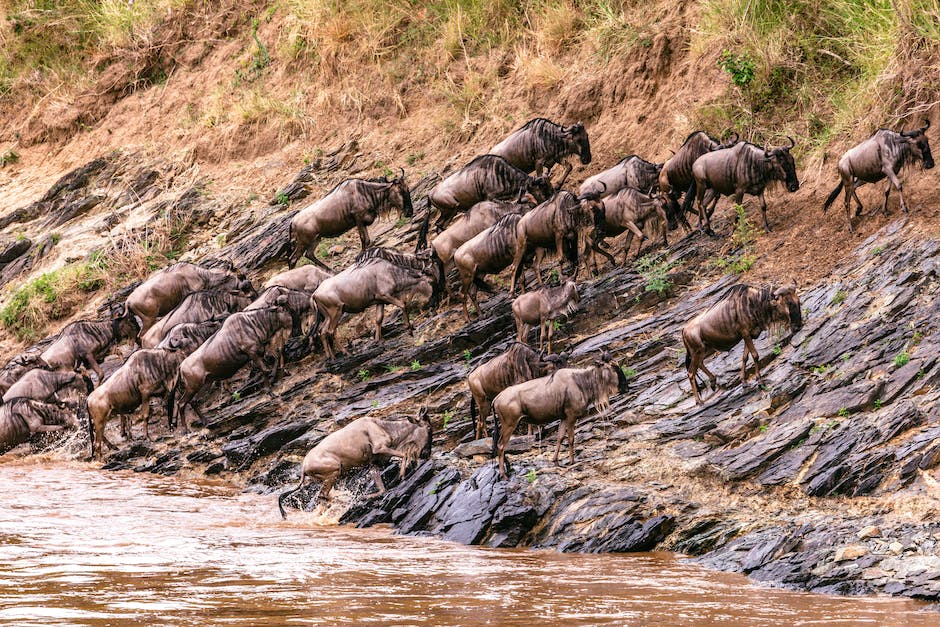
Serengeti National Park is perhaps the crown jewel of African safaris, renowned for its exhilarating annual Great Migration. This exceptional event occurs when millions of wildebeest and zebras traverse the plains in search of fresh grazing grounds, closely followed by predators eager to claim their meal. Witnessing this natural phenomenon is akin to seeing nature's theater come alive before your very eyes.
Beyond the migration, the Serengeti presents a stunning landscape marked by rolling hills, rocky outcrops, and vast grasslands. It’s a haven for diverse wildlife, including elephants, lions, and cheetahs. Many safari operators offer tented camps scattered throughout the park, providing you with the opportunity to fall asleep to the sounds of the wild and wake up to breathtaking views. It's a magical environment that blends adventure with serenity.
Kruger National Park stands out as one of Africa's largest game reserves, boasting an expansive area of diverse ecosystems that supports a remarkable variety of wildlife. Home to the 'Big Five'—lion, leopard, elephant, rhinoceros, and buffalo—Kruger is often considered a top destination for those hoping to check these animals off their bucket list. But it is not simply about the major players; the park also harbors countless species of birds, reptiles, and smaller mammals.
A unique aspect of Kruger is the wide array of accommodation options, ranging from luxury lodges to budget-friendly camping sites. Tailoring your stay to fit your tastes ensures a well-rounded experience, whether you want to unwind in lavish surroundings or immerse yourself in the heart of nature. Furthermore, Kruger’s extensive road network enables self-drive safaris, allowing you full control over your adventure while soaking in the mesmerizing sights at your own pace.
The Maasai Mara is celebrated for its stunning wildlife encounters, which come alive throughout the year. While it also offers views of the Great Migration, with wildebeest and zebra making their dramatic river crossings, it’s equally known for its resident lions and cheetahs, easily seen on game drives. There's something quite exhilarating about coming across a pride of lions basking in the sun or watching a cheetah in pursuit of its prey across the savannah.
The cultural experiences available in the Maasai Mara are equally captivating. Engaging with the local Maasai people and witnessing their vibrant traditions adds depth to your safari. Visitors often have the opportunity to visit traditional villages, participate in dance ceremonies, and learn about their rich history and connection to the land. It’s a reminder that safaris are not just about wildlife, but also about connecting with the diverse cultures that call Africa home.
Chobe National Park is primarily known for its vast population of elephants, making it one of the best places in Africa to see these gentle giants in their natural setting. The park offers varied ecosystems, including floodplains, woodlands, and rivers, allowing for unique wildlife experiences. Boat safaris on the Chobe River provide an incredible perspective, offering opportunities for close encounters with elephants bathing and drinking at the water’s edge.
Additionally, Chobe is a prime location for birdwatching, with hundreds of species inhabiting the park. As you glide along the river, keep your eyes open for colorful kingfishers, storks, and herons. Guided boat safaris not only enhance your wildlife sighting experience but also allow for relaxing views of breathtaking sunsets over the river, creating lasting memories.

Etosha National Park is often described as a hidden gem among safari enthusiasts, characterized by its unique salt pans and arid landscapes. The park’s vast expanse offers a different safari experience, where waterholes play a crucial role in attracting wildlife. During the dry season, herds of elephants, giraffes, and antelope congregate around these water sources, offering spectacular viewing opportunities—often just a stone's throw away from camps and viewing platforms.
One of the park's standout features is the opportunity for self-drive safaris, allowing visitors to explore at their own pace while seeking out wildlife. With a well-marked network of roads, travelers can be their own guide while enjoying the thrill of spotting exotic animals in the wild. Additionally, the stark contrast between the dry landscapes and the vibrant wildlife creates a captivating photographic backdrop that is irresistible to many.
Ngorongoro Crater, often referred to as a 'natural wonder of the world,' is a unique safari destination. The crater, formed by a collapsed volcano, holds an entire ecosystem within its walls and is home to a high concentration of animals year-round. As you descend into the crater, you are greeted by lush grasslands, wetlands, and a diverse array of wildlife, creating a thrilling atmosphere completely different from other safari experiences.
Not only can you expect to see the Big Five here, but you may also encounter rare black rhinos, which thrive in the protected environment of the crater. The relatively short distance from the craters' rim to the floor allows for stunning game drives, making Ngorongoro an ideal place for those keen on viewing wildlife. Additionally, the breathtaking landscape and opportunities to meet the Maasai people add layers of adventure to your journey in this UNESCO World Heritage site.
Tarangire National Park, often overshadowed by its more famous neighbors, offers a unique safari experience known for its dramatic landscapes and large elephant herds. The park's signature baobab trees create striking backdrops against its savannah plains, making it a photographer's paradise. As one of Tanzania's lesser-known parks, it provides the thrill of a more intimate wildlife experience, away from the crowds.
As you traverse this stunning park, keep your eyes peeled for diversity in wildlife, including the Lesser Kudu and gerenuk, as well as the annual migration of wildebeest and zebras. The park is also home to some of East Africa’s most incredible birdlife; with over 500 species, birdwatchers are guaranteed an unforgettable experience. Tarangire encapsulates the raw beauty of Tanzania, offering an authentic view of nature in a pristine environment.
Engaging local guides during your safari can tremendously enhance your experience. Their intimate knowledge of the terrain, wildlife behavior, and cultural context can provide insights that extend far beyond what most guides would share. With a local guide by your side, you're more likely to spot elusive animals and understand the nuances of their habits and habitats.
Local guides also have connections to the land and the communities residing within it. This allows travelers a rare glimpse into the lives of the people who share their habitat with wildlife. Many guides enjoy sharing their stories and traditions, creating layers of cultural understanding and appreciation amidst the wilderness adventures.

On your safari, whether in a vehicle or on foot, expect every moment to be filled with excitement and discovery. Early morning game drives often yield the best wildlife sightings, as animals are most active during the cooler hours. As sunrise breaks through the horizon, you may witness the magical interplay of light and wildlife awakening before your eyes—a truly enchanting experience that sets the day’s adventure in motion.
Throughout the day, there will be opportunities to engage with nature, listen to the symphony of sounds echoing across the savannah, and relish the breathtaking views of iconic landscapes. Black-backed jackals, herds of graceful antelopes, and the regal lion basking under the sun might become part of your story. Similar moments etched in your memory will speak to the magic of African Safari.
When planning your safari, consider the best times to visit each destination. Seasonal changes affect wildlife behavior and accessibility, with peak times often coinciding with major migrations and wildlife concentrations. Additionally, assessing the types of experiences you wish to pursue—whether that's luxury lodges, guided tours, or self-drive adventures—will help you make more informed decisions.
Packing light yet smart is crucial. Essentials include good binoculars for wildlife spotting, a quality camera to capture memories, and attire suited for both warm days and cool nights. Being prepared allows you to fully engage with your surroundings and embrace the adventures that unfold. In the end, your perspective, curiosity, and sense of adventure will make your safari unforgettable.
Ultimately, choosing the right safari tour for your adventure depends on your interests, budget, and the types of experiences you wish to have. Whether you're eager to witness the Great Migration, explore the lush forests, or relax by a tranquil watering hole, our curated list offers something for every type of traveler. Start planning your journey today and prepare for an experience of a lifetime!
Planning a luxury travel adventure in Tanzania can be an exciting yet daunting experience. With its diverse landscapes, exotic wildlife, and rich cultural heritage, Tanzania offers a unique blend of adventure and luxury. This blog will guide you through the top 5 tips to ensure your trip is nothing short of extraordinary.
The timing of your trip can significantly impact your experience. Tanzania has two main safari seasons: the dry season (June to October) and the wet season (November to May). Each season offers different advantages, so it's important to choose the right time based on your preferences and the experiences you desire. For instance, the dry season is perfect for viewing wildlife around water sources, while the wet season offers lush landscapes and fewer crowds.
If witnessing the Great Migration is on your bucket list, plan your visit between June and September when the herds are typically in the northern Serengeti. Watching over a million wildebeest and zebras thundering across the plains can be a once-in-a-lifetime experience. Alternatively, if you prefer a quieter and greener environment, consider visiting during the shoulder months just before or after the peak seasons for a more intimate experience.
Weather can vary greatly, so packing appropriately is crucial. Lightweight clothing for the warm days, layers for the cool nights, and waterproof gear for unexpected showers will keep you comfortable throughout your trip. Remember, planning your visit around these seasonal changes can make all the difference in creating memorable adventures.

Luxury travel is all about comfort and exclusivity. Tanzania boasts a range of high-end accommodations, from lavish safari lodges and tented camps to beachfront resorts. Research and book well in advance to secure the best spots. For instance, the Tanzania Luxury Tour 6 Day package includes stays at some of the finest lodges in the country, ensuring a five-star experience amid the wilderness.
Each accommodation offers unique features tailored to enhance your stay. Imagine waking up to the sounds of nature while enjoying a gourmet breakfast on a private balcony overlooking the Serengeti. Alternatively, unwind in a luxurious lodge with spa amenities after a day of thrilling game drives. For those who enjoy waterfront views, Zanzibar’s exclusive beach resorts provide an idyllic setting for relaxation, complete with private pools and personalized services.
Opting for accommodations that prioritize sustainability and community involvement can add depth to your stay. Many luxury lodges in Tanzania are committed to eco-friendly practices and support local communities through various initiatives. This not only ensures a comfortable stay but also allows you to contribute positively to the places you visit.
A luxury safari isn’t just about seeing the Big Five; it’s about personalized experiences. Opt for tailor-made safari tours that cater to your interests, whether it’s photography, bird-watching, or a private game drive. Tanzania Classic Tours offer highly customizable itineraries that allow you to design the perfect safari experience tailored to your preferences.
Private game drives offer a more intimate experience compared to group tours. Having your own guide and vehicle means you can spend as much time as you prefer at each sighting, ask questions, and focus on what interests you the most. Whether it’s tracking a pride of lions, capturing the perfect sunrise, or observing the intricate behaviors of bird species, personalized safaris provide unmatched flexibility and comfort.
For those who enjoy extreme adventures, consider combining your safari with other activities like hot air ballooning over the Serengeti or climbing Mount Kilimanjaro. These breathtaking excursions can be tailored to fit seamlessly into your safari itinerary, ensuring you make the most out of your Tanzanian adventure.

Tanzania's cultural diversity is as captivating as its natural beauty. Engage with local communities, explore traditional markets, and participate in cultural activities for a truly enriching experience. A visit to a Maasai village can provide insight into traditional nomadic life, offering a unique blend of cultural immersion and discovery.
Cultural tours often include visits to historic sites and interactions with local artisans. For example, exploring the Stone Town in Zanzibar gives you a glimpse into the island’s rich history and cultural tapestry. From learning about the spice trade to enjoying traditional Swahili music and dance, these experiences add layers of depth and meaning to your journey.
Supporting local communities during your travels can enhance your experience. Shopping for handmade crafts, dining at locally-owned restaurants, and participating in community-based tours not only provide unique cultural insights but also support the local economy. It's a wonderful way to travel responsibly while leaving a positive impact.

Luxury travel in Tanzania wouldn’t be complete without indulging in its exquisite cuisine. From gourmet meals in the middle of the Serengeti to fresh seafood on Zanzibar's beaches, the culinary experiences are endless. Many luxury lodges and resorts offer world-class dining options that highlight both international and local flavors.
Cooking classes and food tours are excellent ways to immerse yourself in Tanzania’s culinary traditions. Learn how to prepare Tanzanian dishes with fresh, local ingredients, and discover the stories behind each recipe. This interactive approach not only tantalizes your taste buds but also deepens your connection to the culture.
For a truly unique dining experience, consider a bush dinner under the stars. Many luxury safari lodges offer this exclusive option, where you can enjoy a candlelit meal amid the African wilderness. The combination of fine dining, exceptional service, and a magical setting creates unforgettable memories.

Embarking on a luxury travel adventure in Tanzania promises to be an unforgettable experience. Whether you're exploring the majestic Serengeti, relaxing on the pristine beaches of Zanzibar, or indulging in world-class cuisine, these tips will ensure your journey is seamless and extraordinary.
The Ngorongoro Crater is one of the world's most breathtaking natural wonders, offering a unique glimpse into the diverse wildlife and landscapes of Tanzania. Whether you're a seasoned traveler or planning your first safari, here's what you need to know about this magical destination before packing your bags.

Discover the fascinating geological history behind the Ngorongoro Crater and how it became one of the largest intact calderas in the world. Formed about two to three million years ago, the crater was a result of a massive volcanic eruption that caused the original volcano to collapse, leaving behind this magnificent caldera. With a depth of about 600 meters, Ngorongoro was once taller than Mount Kilimanjaro itself, making it a geological spectacle alongside its scenic beauty. Today, it stands as a testament to Earth's volcanic activity and offers a stunning natural enclosure for vibrant flora and fauna 12 fascinating facts about the Ngorongoro Crater.
Learn about the incredible variety of animals that call the crater home, including the Big Five and other unique species. The crater is renowned for its dense concentration of wildlife, with around 30,000 mammals inhabiting its floor. This incredible diversity includes lions, elephants, black rhinos, buffalos, and leopards. However, it's not only the Big Five that make this region special—the crater's floor supports a plethora of other creatures, such as zebras, wildebeests, and hyenas. What's more, the absence of giraffes due to the steep crater walls adds a unique element to the landscape 12 amazing facts about the Ngorongoro Crater.
Explore the diverse ecosystems within the crater, from lush forests to open grasslands, and understand how the climate influences them. The Ngorongoro Crater supports an array of ecosystems, thanks to its variety of habitats that include swamps, lakes, grasslands, and forests. Each of these areas hosts unique species and vegetation, creating a dynamic ecosystem that remains an essential sanctuary for wildlife. The climate of this high-altitude region is cooler and less humid than other parts of Tanzania, making it an appealing destination for many species.
Despite its distinct climates throughout the year, the crater floor remains a bastion of life. Rainfall patterns define two major seasons. During the dry period between June and October, you're likely to encounter wildlife gathered around dwindling water sources, making it perfect for safari adventures 10 facts about Ngorongoro Crater.

Uncover the rich cultural history of the Ngorongoro region and its significance to the indigenous Maasai people. The Maasai have lived alongside the wildlife in this area for centuries, becoming an integral part of the conservation efforts. They continue to uphold traditions and cultural practices and have adapted to coexist with the region's unique ecology. Moreover, the Ngorongoro Conservation Area is a vital archaeological site due to its history of hominin fossils discovered in the nearby Olduvai Gorge, offering insights into early human evolution Ngorongoro Crater: A Wildlife Haven.
Find out the ideal times of year to visit the crater for optimal wildlife viewing and pleasant weather conditions. The dry season, from June to October, presents perfect conditions for spotting wildlife due to the sparse vegetation and animals flocking to water sources. Additionally, the wildebeest calving season from January to February is spectacular to witness, showcasing nature's cycle of life in all its glory Top 10 amazing facts about the Ngorongoro crater.
Explore the various ways to tour the Ngorongoro Crater, including guided safaris and self-drive options, to find what suits your adventure style. Whether you choose a guided tour for in-depth knowledge or prefer a self-guided drive, there are options to suit every taste. Many tours include insightful guides who can unveil the subtle intricacies of the wildlife behaviors and ecological dynamics in this awe-inspiring landscape Ngorongoro Crater:A Wildlife Haven.
Discover the range of lodging options available, from luxurious lodges to budget-friendly camps, all offering stunning views of the crater. Accommodation in the Ngorongoro Conservation Area caters to various preferences, providing travelers with splendid opportunities to unwind amidst stunning vistas of the crater rim and the surrounding landscapes. Whether you opt for a luxury lodge with breathtaking views or a modest campsite, the experience will be memorable Ngorongoro Crater Accommodation Details.
Learn about the ongoing efforts to protect the unique flora and fauna of the crater and how you can contribute responsibly as a visitor. The Ngorongoro Conservation Area Authority is at the forefront of these initiatives, implementing anti-poaching patrols and promoting cohabitation between humans and wildlife. Visitors are encouraged to engage in eco-friendly practices, reducing their footprint while contributing to the region's prosperity 10 Facts About Ngorongoro Crater You Should Know.

Equip yourself with practical travel tips, including what to pack, and health precautions to enjoy your journey to the fullest. When embarking on your Ngorongoro adventure, consider packing light, breathable clothing, sunscreen, and binoculars for the best wildlife-viewing experience. Staying hydrated and protecting yourself against insects are essential steps in ensuring a pleasant trip, while keeping respect for the local culture and regulations will make for a smooth safari Interesting Facts About the Ngorongoro Crater.
Embrace the extraordinary experience of visiting the Ngorongoro Crater, a place where nature's wonders never cease to amaze. With its monumental beauty and an astounding range of wildlife, a trip to this UNESCO World Heritage Site is akin to stepping into a bygone era, where the harmony of nature and humanity was most evident. Join us at Tanzania Classic Tours and let your adventure start here.
Mount Meru trekking is a hidden gem for adventure enthusiasts. Whether you're an experienced hiker or a nature lover seeking a new challenge, Mount Meru offers an unforgettable experience. In this blog, we'll explore the reasons why Mount Meru should be at the top of your bucket list.

Mount Meru, standing majestically at 4,566 meters, is Tanzania's second-highest peak and often dubbed the 'little brother' to the more famous Mount Kilimanjaro. Yet, it offers a distinct and captivating trekking experience all its own. Positioned within the vibrant Arusha National Park, it presents an opportunity to witness a wonderland of biodiversity. As you embark on this journey, you'll traverse through lush rainforests, mesmerizing moorlands, and even alpine deserts, creating an unparalleled trekking narrative. Unlike its more crowded counterpart, Mount Meru offers a tranquil, less congested path, where you'll likely encounter various wildlife species.
What truly sets Mount Meru apart is its vibrant wildlife encounters, a feature not as pronounced on Kilimanjaro's slopes. The lower slopes of Meru teem with life, providing trekkers a safari-like experience. Imagine spotting giraffes, buffaloes, and even elephants as you make your way up the mountain. This rare combination of trekking and wildlife spotting adds a unique layer to the adventure. Additionally, the chance to explore Meru's dramatic volcanic features, such as the stunning views from the summit's ash cone, makes it a captivating trek once overlooked, now gaining well-deserved recognition.
For those intrigued by volcanic landscapes, Meru offers a visually striking terrain, especially the crater rim and the chance to observe its geological marvels up close. This trek isn't just about reaching the summit; it's a journey through ever-changing ecological zones, providing stunning vistas of the Great Rift Valley and the distant peaks of Kilimanjaro. Each turn offers a new perspective, making the trek both challenging and rewarding. If your senses thrill at the diversity of nature, Mount Meru Trekking should be a definite addition to your bucket list.
The logistical aspect of the trek is also a reason for its uniqueness. Unlike Kilimanjaro, Meru requires an armed ranger for certain sections of the trek due to the abundance of wildlife, elevating the sense of adventure and safety simultaneously. This well-managed trail system ensures that your trek on Meru is as safe as it is exhilarating. Such management also aids in conserving the natural beauty of the area, allowing more adventurers to enjoy its offerings responsibly.
Mount Meru Trekking enthusiasts often consider climbing Mount Meru as a warmup for Kilimanjaro, yet its own merits make it a worthy standalone trek. The summit provides unrivaled views, particularly at sunset or sunrise, over the African landscapes, offering experiences that contribute significantly to its growing repute as a must-do trek for anyone interested in the lesser-known treasures of Tanzania.

Embarking on a trek up Mount Meru involves certain preparations to ensure a successful and enjoyable climb. The trek is considered moderately challenging, requiring a degree of physical fitness. Therefore, focusing on cardio exercises like hiking, running, and cycling a few months before the trek can significantly enhance your endurance and make the climb more manageable. Aside from physical preparation, understanding the trek's logistics is vital. Trekkers will need to acquire the necessary permits, which can typically be arranged through the tour operator or directly at Arusha National Park.
It's wise to plan your trekking gear ahead. Essential items include high-quality trekking boots, layered clothing to adjust to the various climates, a reliable rain jacket, and a warm sleeping bag, as nights on the mountain can be chilly. Since Meru's trails see trekkers through forests, moorlands, and alpine deserts, versatile clothing is key to tackling such diverse environments comfortably. Also, pack eco-friendly insect repellent and sunscreen as the sun's rays are particularly harsh at altitude.
Choosing the best time to trek is equally crucial. Mount Meru Trekking is accessible year-round, but the optimal months are June through February, avoiding the rainy season from March to May when trails can be slippery. During these months, the weather conditions are relatively stable, providing clear skies and spectacular views. Bookings can usually be made for guided tours, which provide the additional safety of trekking with expert guides familiar with the terrain, which is recommended especially for novice adventurers.
Many trekkers opt for a four-day itinerary which allows for better acclimatization to altitude changes, increasing the chances of reaching the summit without discomfort from altitude sickness. To aid acclimatization, trekkers follow a 'walk high, sleep low' strategy, a proven method for adjusting more effectively to the altitude. Therefore, building time and flexibility into your schedule for ascending gradually is advantageous.
The ascent to Mount Meru’s summit follows the scenic Momella Route, a trail that begins at Momella Gate and stretches through a rich tapestry of landscapes. Over the span of four days, trekkers rise from the montane forest, home to an array of wildlife, through heather and moorlands while catching glimpses of majestic waterfalls and unique rock formations. The route is well-paced and strategically set for optimizing climbers' acclimatization, ensuring a better summit experience.
Day one leads you through lush forests alive with the sounds and sights of wildlife and culminates at Miriakamba Hut. Here, at around 2,500 meters, you’ll enjoy a picturesque sunset often followed by a starry night sky unfazed by light pollution. As you proceed to Saddle Hut on the second day, be prepared for a sting of incline but also panoramic views that are worth the effort. This segment provides an optional visit to Little Meru, an acclimatization hike that is perfect for those ready to explore more.
The climax is the journey to the summit, Socialist Peak, commencing pre-dawn and offering an unforgettable display as the sun rises over Africa. Reaching the summit of Mount Meru means conquering an intense yet rewarding challenge, with vistas that stretch across the horizon showing off neighboring Kilimanjaro as the day breaks. It's a scene that not only marks the endpoint of your climb but adds innumerable memories to your adventure narrative.
Completing the round trip, your descent promptly revisits landmarks seen in other contexts, providing new perspectives on previously trekked paths. The downward route offers a gentle denouement to the adventure, where trekkers often reflect on their journey while immersed once again in the vibrant life of the lower forests. The experience is not just a physical challenge but a philosophical one, promising a new understanding of Tanzania's wild beauty and the rewards of persistent effort.

Mount Meru Trekking is not only an exercise in physical endurance but also a journey through an impressive biosphere teeming with wildlife. As you ascend, the trek doubles as a walking safari, where chance sightings of giraffes, elephants, buffaloes, and antelopes embellish your hiking experience. Located within Arusha National Park, the lower slopes of Meru provide a rare opportunity to observe these animals in their natural habitat, adding layers of intrigue and excitement to the journey.
Bird enthusiasts will find themselves in a haven of avian diversity. The park is home to vibrant birdlife, including colorful trogons, hornbills, and even the striking crowned crane. The lakes mirrors the beauty of East Africa's feathered treasures with time-defying elegance. As such, the pathways of Mount Meru become avenues of discovery for both seasoned bird spotters and casual observers keen on collecting moments of avian serendipity.
Captivatingly, the ecosystem around Mount Meru sustains a complex web of life, from the tinier yet no less significant creatures like butterflies and insects that play essential roles in pollination, pushing the biodiversity narrative deeper. This vibrancy of life found at every step makes the expedition feel like a privileged glimpse into the wilderness of East Africa, appealing to a wilder spirit within us all, eager to connect with nature.
With such abundant biodiversity, the trek becomes a thrilling narrative wherein every turn brings the promise of adventure. The presence of armed rangers adds not just a layer of safety but also a source of knowledge, with local guides often shedding light on the intricate relationships between the land and its inhabitants, further enriching the Mount Meru trekking experience.
Mount Meru trekking promises a unique adventure brimming with natural beauty and personal discovery. As you consider your next adventure, remember the allure of Mount Meru and make sure it zooms onto your bucket list.
Seronera Serengeti, located in the heart of Tanzania's Serengeti National Park, is an extraordinary destination for safari enthusiasts. Known for its stunning landscapes and diverse wildlife, Seronera offers an unforgettable adventure and a unique opportunity to witness nature's grandeur. In this blog, we'll explore why Seronera should be at the top of every safari lover's travel list.
Seronera's central location in the Serengeti National Park is often referred to as the 'heart' of the park. This prime spot is not just about geography; it's where the beauty of the Serengeti comes alive in its fullest glory. Here, you're surrounded by expansive savannas, intersecting rivers, and diverse terrains, making it an ideal place for year-round wildlife observation. Being in the center means Seronera offers easy access to both the northern and southern sections of the park, allowing visitors to experience the full breadth of the Serengeti's splendor. According to Serengeti National Park - Tanzania Classic Tours, Seronera is indeed the beating heart of the Serengeti, connecting travelers to endless plains and breathtaking vistas.
The landscape itself is a work of art, sculpted over thousands of years, featuring lush grasslands dotted with acacia trees and dramatic kopjes that serve as both lookouts for predators and shelter for wildlife. Visitors are often awed by the sight of lions basking on these rocky outcrops, bordered by the sweeping Serengeti Plains. The magic of Seronera lies in its ability to balance tranquility with the thrill of wildlife sightings, making each day an exhilarating safari experience. More than just the scenery, it's the lively sounds and vibrant hues of nature that make Seronera resonate with every traveler, as detailed in Central Serengeti & Seronera Valley.

Seronera stands out as a wildlife spectacle, home to the iconic Big Five and a myriad of other species. The region's diversity is astonishing; from the majestic elephants roaming in families across the plains to the stealthy leopards hidden within the acacia trees, every encounter feels like a personal glimpse into the wild. It's here where you can witness a gamut of animal behaviors—from lions basking in the sun to hippos wallowing lazy in the waterholes. According to the Seronera Valley, it's a memorable wildlife journey that enriches your love of nature.
The phrase 'Big Cat Capital of Africa' isn't an exaggeration when it comes to Seronera. This area is renowned for its thriving populations of predators, including lions, leopards, and cheetahs, often spotted prowling within a day. Beyond the big cats, it's the dance of herbivores and the avian symphony in the sky that add layers of wonder to Seronera's expansive terrains. Whether you're capturing a herd of elephants bathing or diving into the colorful world of birds such as the lilac-breasted roller or the stately martial eagle, the Seronera experience is nothing short of magical, as explored by the Serengeti National Park Safari – Enjoy Timeless Moments.
Every year, the Great Migration unfolds one of nature's most epic survival stories, drawing the attention of wildlife enthusiasts globally. Seronera's strategic central location provides a front-row seat to this spectacle where over a million wildebeest, zebras, and other animals traverse the plains. The chaotic yet rhythmic movement of the herds, paired with the tension-filled crossings of the Grumeti and Mara Rivers, underscores the park's living pulse. Visitors at Seronera get the opportunity to witness this incredible journey and the myriad dramas of survival that play out during the migration, as described in Central Serengeti & Seronera Valley – Discover Africa.
Coinciding your visit with the migration can amplify your Serengeti adventure. The sensory overload of sights and sounds—from the thundering hooves to the tense predator chases—provides adrenaline and awe. Seronera is more than just a vantage point for the migration; it's a stage for ongoing wildlife stories that are as unpredictable as they are breathtaking. Whether observing river crossings or witnessing the nurturing of new life during calving season, this central Serengeti wonder is a cornerstone of the migration cycle.
Timing is everything when planning a safari in Seronera. Each season in the Serengeti unveils a different aspect of the park's charm and wildlife spectacles. The dry season from June to September is typically the best time for viewing large concentrations of wildlife as the foliage thins and water sources draw animals in droves, offering clear sightings and unforgettable moments. Moreover, during this period, the absence of rain makes the conditions perfect for enjoying extensive game drives and makes bush paths more accessible as noted in Serengeti National Park - The Ultimate Safari Guide.
However, visiting during the rainy season has its own merits. The landscape transforms into verdant plains, teeming with life and vibrant colors. Birdlife is especially prolific at this time, providing excellent opportunities for birdwatching enthusiasts. The park is less crowded, ensuring a more private and serene experience. It's a great time to witness the unique interplay of life—from the rejuvenating showers to the burgeoning wildlife. Whether during the lush, blooming rainy season or the wildlife-centric dry spell, Seronera offers a treasure trove of experiences throughout the year, tailoring an unforgettable journey no matter when you visit.
Embarking on your first safari is both thrilling and daunting, but with the right preparation, your Seronera experience can be seamless and rewarding. One of the first considerations is how to get there; Tanzania Classic Tours provides streamlined travel services, ensuring convenient access to the heart of the Serengeti. When packing, remember to bring layers for variable temperatures, a hat, sunscreen, and a quality camera to capture your adventure.

Choosing guided tours can enrich your understanding of the Serengeti's ecosystem and increase your chances of sighting the elusive wildlife, as expert guides share their knowledge and insights into this vast wilderness. It's also crucial to respect the park's rules, maintaining a safe distance from wildlife and minimizing your environmental impact. By following these tips and immersing yourself in the local culture, as amplified by interactions with the Maasai communities, you'll not only have a remarkable safari but also contribute to the conservation efforts that protect this majestic landscape for future generations.
For those contemplating a longer stay, Tanzania Classic Tours offers various itineraries such as a 4-days safari journey or even a full week on the migration trail, giving you a complete and unhurried experience. Whether you choose an aerial view through hot air ballooning or a more grounded safari drive, Seronera awaits to unveil its wonders and etch an indelible mark on your safari memories.
Seronera Serengeti encapsulates the essence of a wild African safari, offering unparalleled wildlife encounters and breathtaking scenery. Whether you're a seasoned traveler or new to the safari experience, Seronera promises awe-inspiring moments that stay with you long after your journey ends. Plan your trip, pack your camera, and get ready for an adventure of a lifetime in this must-visit safari destination.