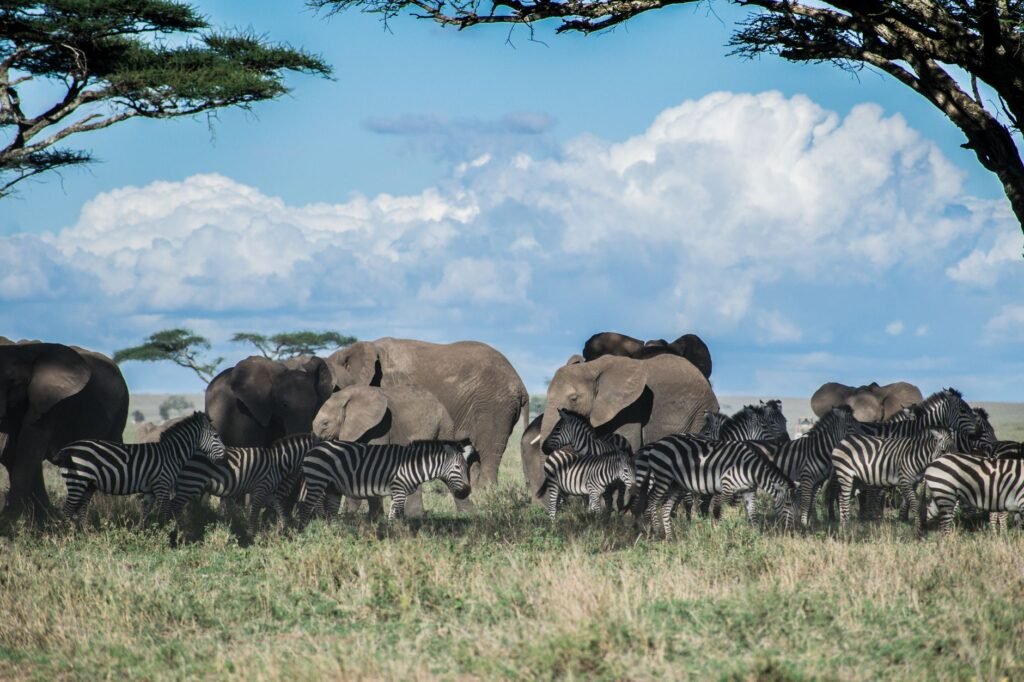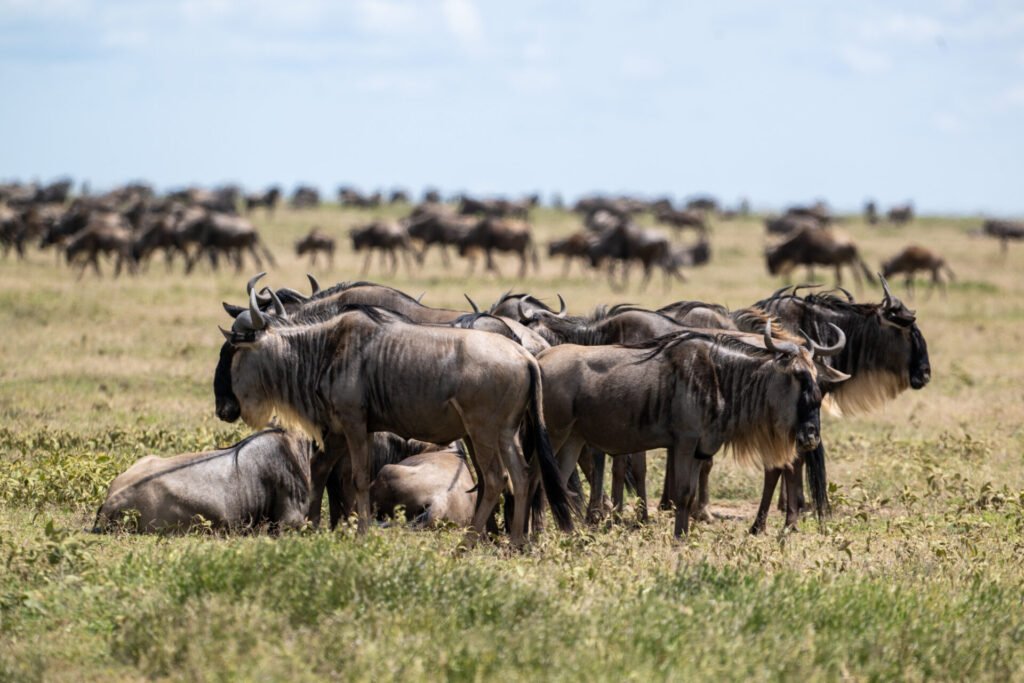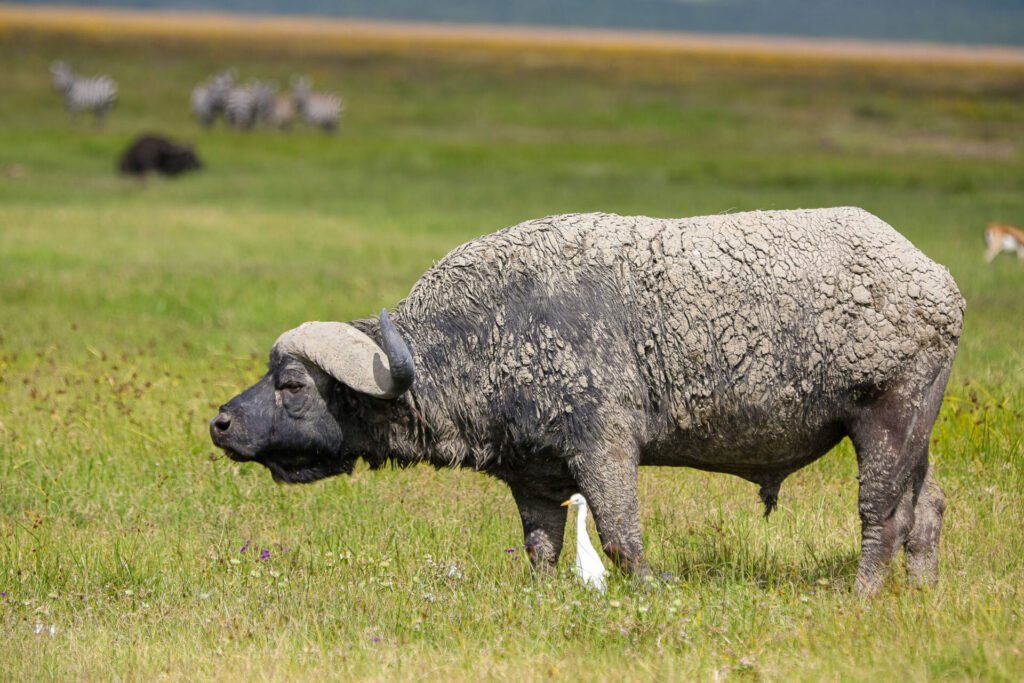
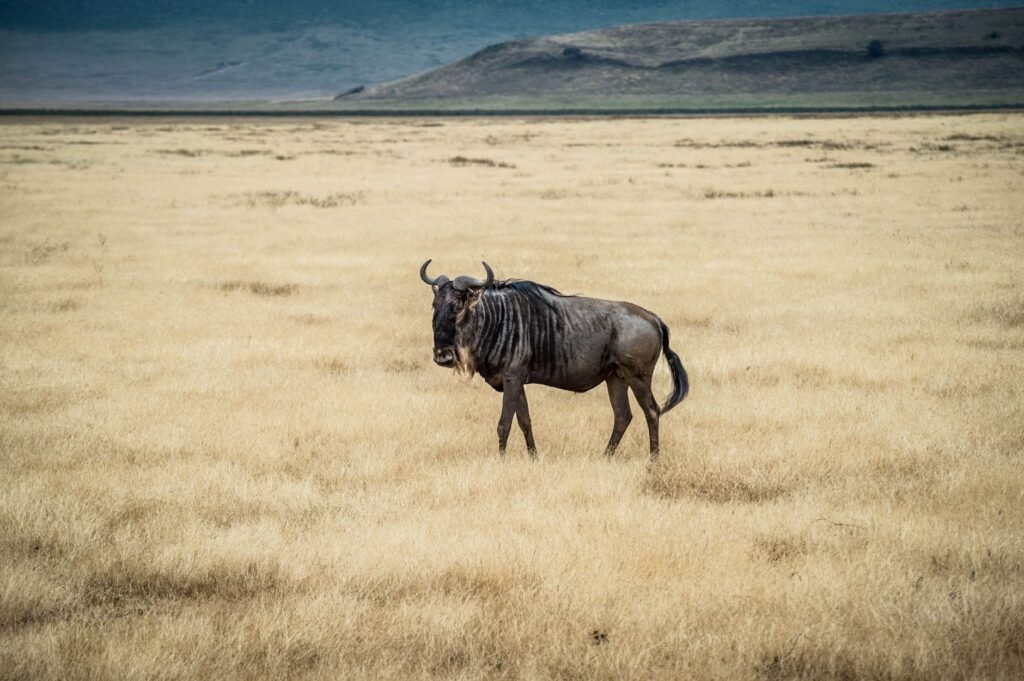
More than 1.5 million wildebeest, 400,000 zebras, and hundreds of thousands of gazelles circle a 1,800-mile route through Tanzania and Kenya every single year. No human schedules it. No park authority controls it. The Great Migration moves entirely on instinct—driven by rainfall, grass, and survival—and that's precisely what makes witnessing it one of the most electrifying experiences a traveler can have.
If you're planning a great migration Tanzania 2025 trip from the United States—or targeting 2026–2027—this guide gives you the month-by-month breakdown, honest cost expectations, practical USA logistics, and the realistic picture that most travel sites leave out. (For another iconic Tanzania adventure from the USA, consider climbing Kilimanjaro 2026–2027.)
The migration isn't a random wandering. It's a clockwise loop driven by a single force: grass. Wildebeest follow new growth triggered by seasonal rainfall across the Serengeti ecosystem. Their hooves churn the soil, their dung fertilizes it, and the plains regenerate behind them. Calving happens on nutrient-rich short-grass plains in the south; the grueling Mara River crossings happen in the north when southern grass dries out.
This circular, grass-driven movement is why the migration is described as a continuous event—there's no single start date or finish line. Every month offers something worth seeing. The key is knowing where the herds are and what behavior to expect during your specific travel window.
Important note on predictability: Migration timing can shift by 1–3 weeks depending on rainfall patterns in any given year. The phases below reflect reliable seasonal patterns, not guaranteed calendar dates.
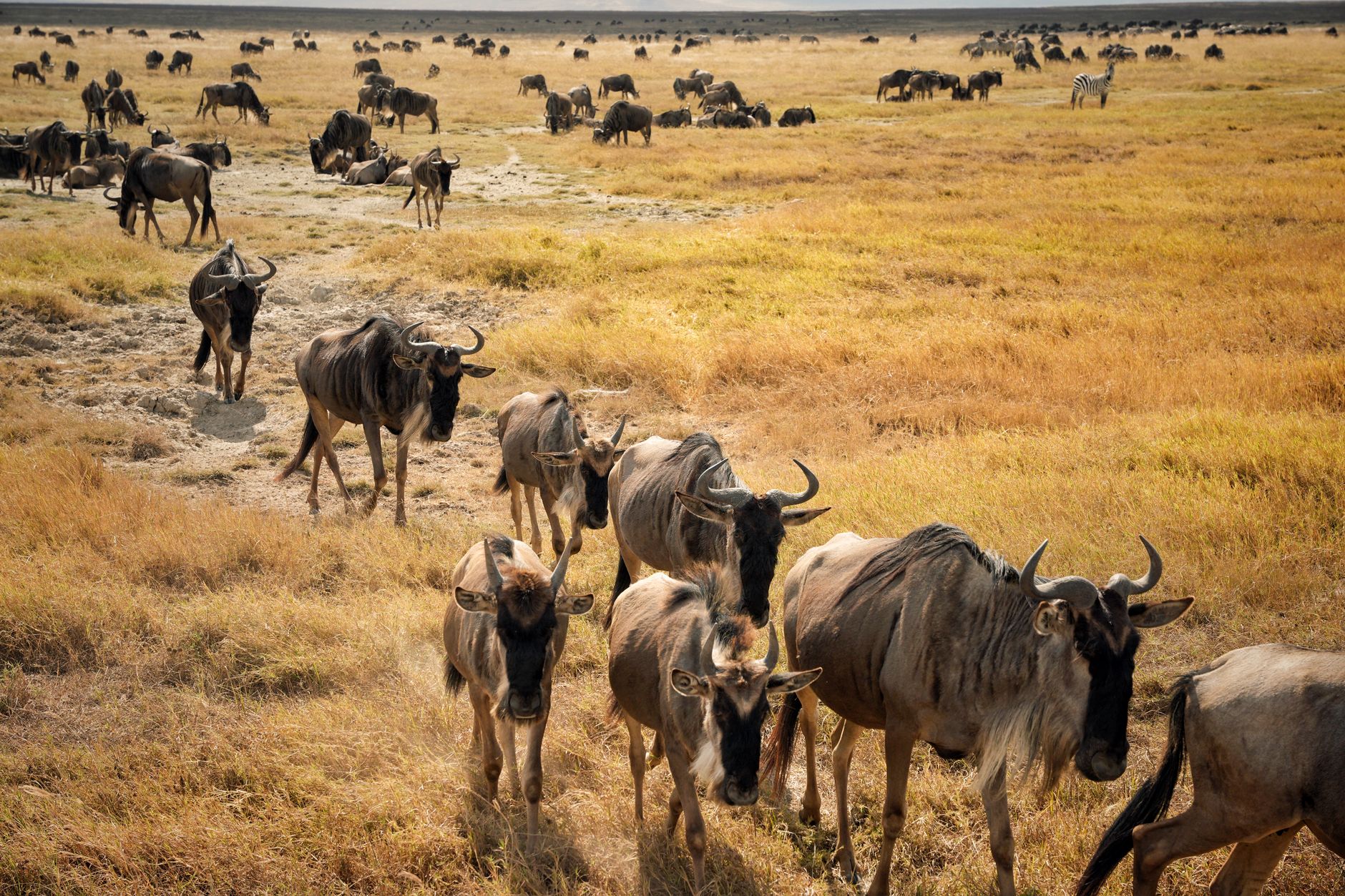
Understanding the geography is essential before booking. The migration moves through four primary zones inside Tanzania:
| Zone | Location | Peak Season |
|---|---|---|
| Ndutu Plains | Southern Serengeti / Ngorongoro border | December–March |
| Central & Western Serengeti | Seronera Valley, Grumeti corridor | April–June |
| Western Corridor | Grumeti River area | June–July |
| Northern Serengeti | Mara River, Lamai, Kogatende | July–November |
For a deeper dive into what each Serengeti zone looks like by month, see our Best Time to Visit Serengeti 2026–2027: Month-by-Month Guide.
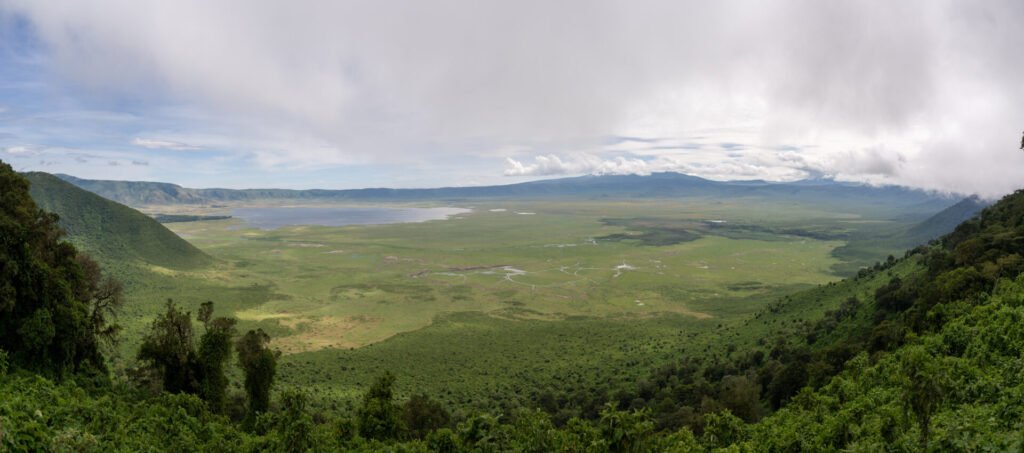
This is one of the most underrated periods for first-time visitors. Up to 8,000 wildebeest calves are born every single day during peak calving—roughly from late January through February. The Ndutu Plains, straddling the southern Serengeti and Ngorongoro Conservation Area, fill with newborns taking their first steps.
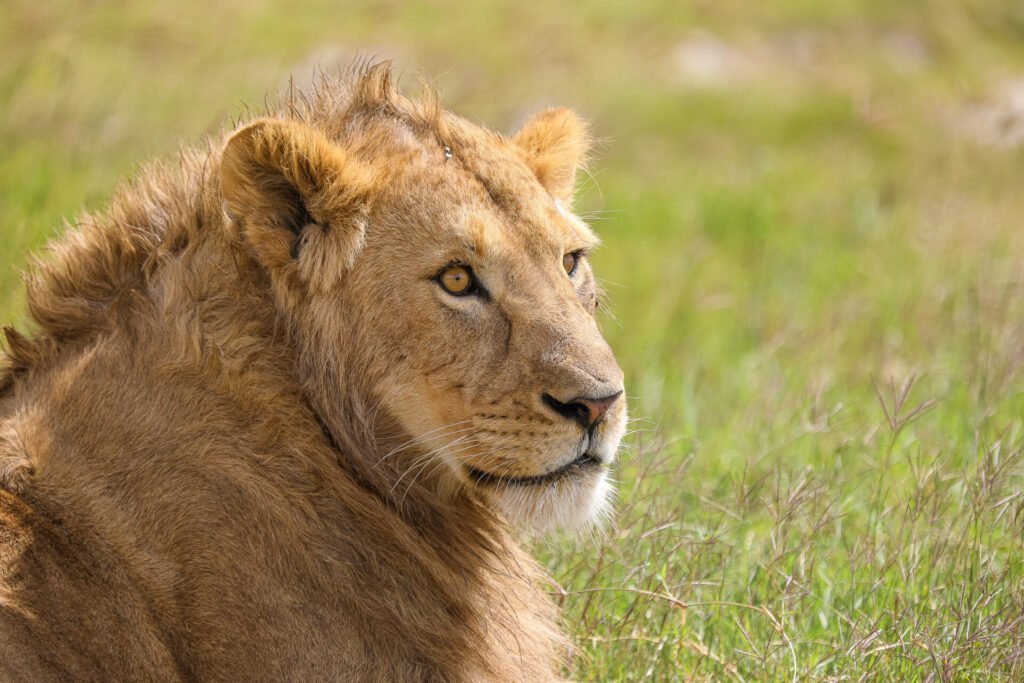
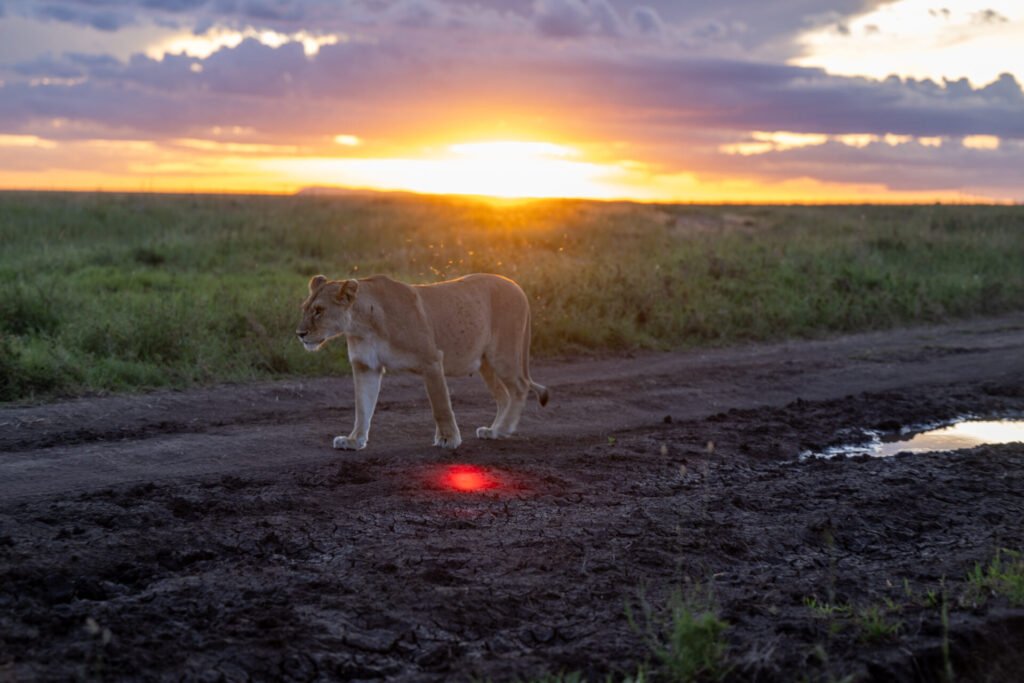
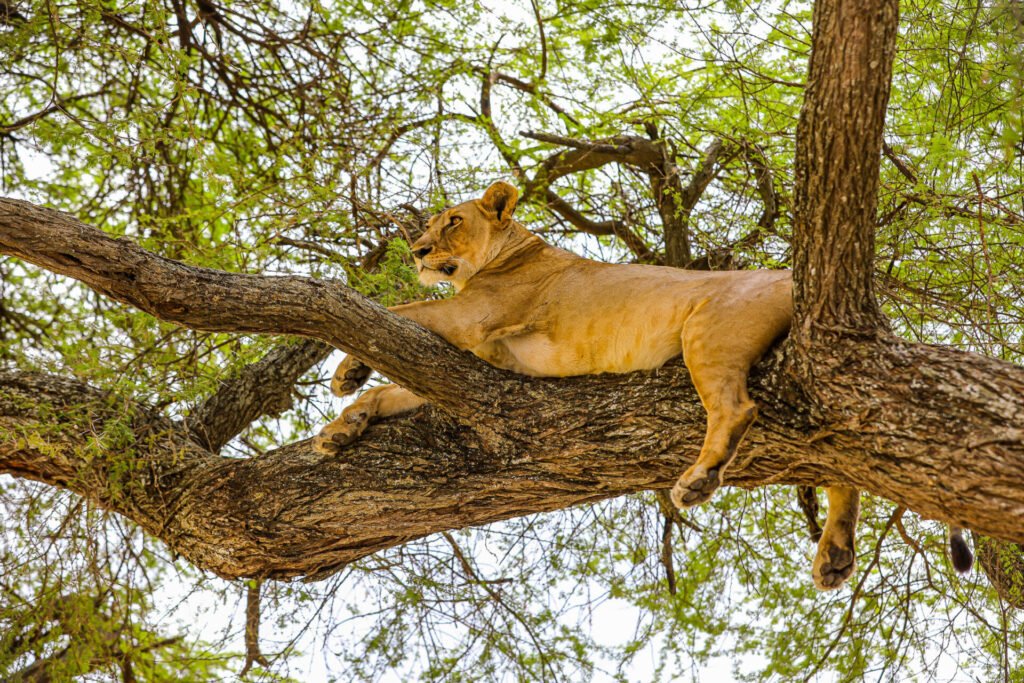
Wildlife density: Exceptional. Predator activity explodes—cheetah, lion, hyena, and wild dog are drawn in by the abundance of vulnerable calves. This is arguably the best period for predator sightings in the entire Serengeti ecosystem.
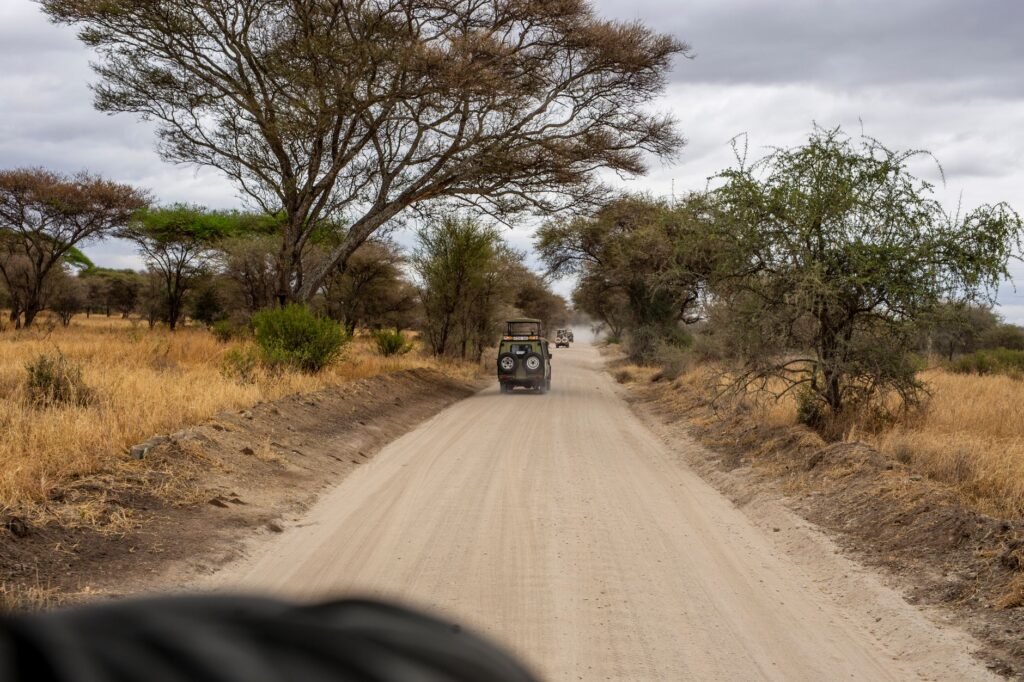
Accessibility: Ndutu is accessible by standard 4×4 safari vehicle. Roads can be muddy after heavy rain, but most camps operate year-round.
Best for: Families, photographers, first-time visitors who want guaranteed wildlife density without the extreme northern heat.
Rains intensify. The massive herds begin consolidating and moving slowly northward. March is still excellent for Ndutu, while April sees the ecosystem transition. Lodges are less crowded; rates drop significantly. This is shoulder season—a smart budget window if you can tolerate occasional heavy rain.
Wildlife density: High but more dispersed as herds spread across the central Serengeti.
The herds push northwest toward the Grumeti River. May is still part of the long rains but transitions to dry by June. The Grumeti River crossings—less famous than the Mara but equally dramatic—occur here. Massive Nile crocodiles patrol the Grumeti; wildebeest crossings can be chaotic and intense.
Wildlife density: Concentrated along the river corridor. Excellent big cat sightings continue.
Accessibility: Western Corridor camps require either charter flights from Arusha or a long drive. Most US visitors fly in via Kilimanjaro International Airport (JRO), then connect by light aircraft.
This is peak season—and for good reason. The herds arrive in the northern Serengeti around the Mara River near Kogatende and Lamai. Mara River crossings are the iconic, heart-stopping scenes featured in every wildlife documentary: thousands of wildebeest plunging into crocodile-filled waters, hesitating on the banks, then surging across in chaotic waves.
Can you guarantee seeing a crossing? No—and any operator who says otherwise is misleading you. Crossings happen when the herd decides, which can mean waiting hours or days at the riverbank. That said, July through October represents the highest probability window for witnessing one.
Wildlife density: Highest of the year in northern Serengeti. Lion prides, leopards, and cheetahs follow the herds.
Trade-off: This is also the most expensive and crowded period. Peak-season lodge rates apply; book 12–18 months in advance.
Some herds begin drifting into Kenya's Masai Mara, but significant numbers remain on the Tanzanian side. September and October can offer excellent crossing opportunities with slightly fewer tourists than July–August. Dry conditions make for excellent wildlife visibility.
Tanzania vs. Kenya viewing: Both countries offer Mara River crossing experiences. Tanzania's Kogatende sector tends to have fewer vehicles at crossing points, preserving a more exclusive atmosphere. Kenya's Masai Mara has more lodges and infrastructure, but also more vehicle congestion during peak crossings. Many travelers do a combination itinerary—Tanzania first, then Kenya—but Tanzania alone delivers a complete experience.
Short rains arrive. Herds begin the southern return through central Serengeti. November is transitional—crossings slow, calving hasn't started yet. A quieter month, but Serengeti always has resident wildlife year-round.
Herds flood back into the Ndutu Plains and southern Serengeti. Green grass carpets the landscape after rains. Wildlife is abundant and dispersed. The calving cycle prepares to restart. December, particularly the second half, is an excellent and often overlooked travel month—especially for US travelers on holiday break.
If your primary goal is maximum wildlife intensity with reliable sightings, the best months are:
For US travelers aligning with the American holiday calendar, December–January works beautifully with the calving season. Summer travelers (June–August) hit peak crossing season—plan 12–18 months ahead.
Flights: There are no direct flights from US cities to Tanzania. Typical routing goes through Amsterdam (KLM), Addis Ababa (Ethiopian Airlines), Doha (Qatar Airways), or Dubai (Emirates) into Kilimanjaro International Airport (JRO) near Arusha. Total travel time from the US East Coast runs 18–24 hours; West Coast travelers add 2–3 hours.
Visa: US citizens require a visa for Tanzania. The Tanzania e-Visa is available online (evisa.immigration.go.tz) and costs $50 USD for a single-entry tourist visa. Processing typically takes 3–10 business days; apply well in advance. Yellow fever vaccination is required if arriving from a yellow fever-endemic country.
Health: Malaria prophylaxis is strongly recommended for all Serengeti travel. Consult a travel medicine clinic 6–8 weeks before departure. US travelers should confirm their health insurance covers international emergency evacuation—or purchase comprehensive travel insurance that does.
Currency: The Tanzanian Shilling (TZS) is the local currency, but USD is widely accepted for lodge payments and park fees. Carry small USD bills for tips; ATMs are limited outside Arusha.
Time zone: Tanzania runs on EAT (UTC+3). From New York, that's 8 hours ahead; from Los Angeles, 11 hours. Jet lag is manageable—most travelers adjust within 2 days.
Honest cost planning matters. Here's a realistic framework (all figures in USD; subject to exchange rate fluctuations and seasonal pricing):
| Cost Component | Budget Range (per person) |
|---|---|
| International flights (round trip) | $1,200 – $2,800 |
| Park fees (Serengeti, 5–7 days) | $600 – $900 |
| Mid-range lodge/tented camp | $350 – $600/night |
| Luxury lodge/premium camp | $700 – $1,500+/night |
| Internal charter flights | $400 – $800 per leg |
| Guide and vehicle (private safari) | Included in lodge packages |
| Tanzania e-Visa | $50 |
| Travel insurance | $150 – $400 |
| Tips and incidentals | $150 – $300 |
Realistic total for a 10-day Serengeti migration safari from the USA: $7,000–$15,000+ per person, depending on lodge category and travel season. Peak July–August rates run 20–40% higher than January–February.
For a full comparison of safari cost structures and how to choose the right package, see our Tanzania Safari Tours 2026–2027: Costs, Best Times & How to Choose.
Ndutu Plains (south): Flat terrain, standard 4×4 access. Suitable for all fitness levels, including older travelers and families.
Grumeti / Western Corridor: Accessible by vehicle or light aircraft. Some camps require short walks. Low physical demand.
Northern Serengeti (Kogatende / Lamai): Most remote zone. Primarily accessed by charter flights. Walking on camp grounds is manageable. No serious hiking required, but some uneven terrain near river viewpoints. Good mobility is helpful.
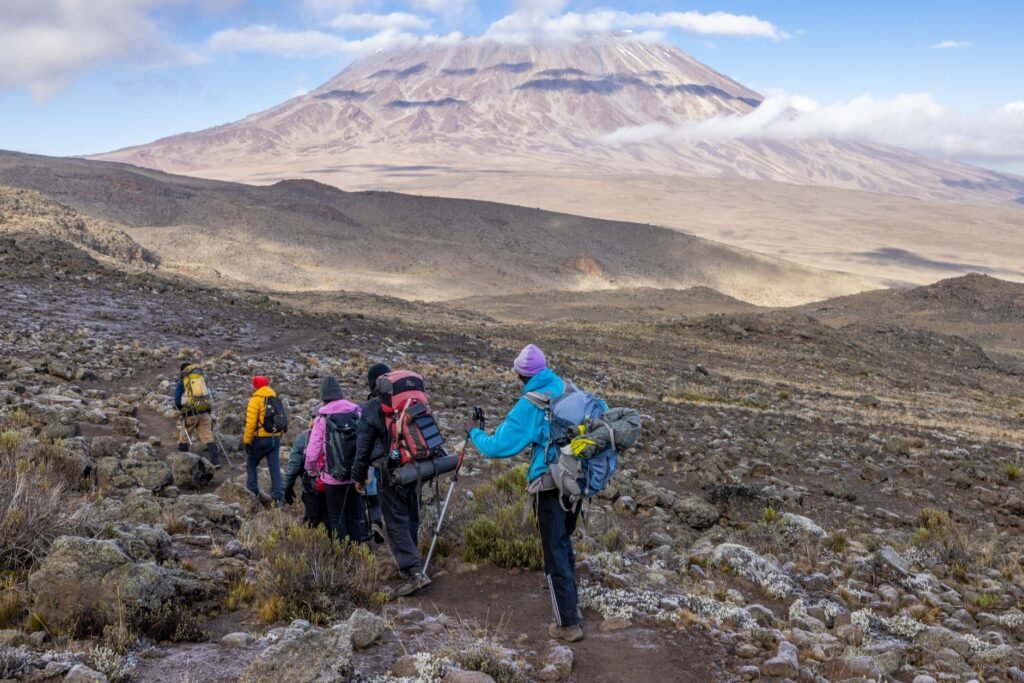
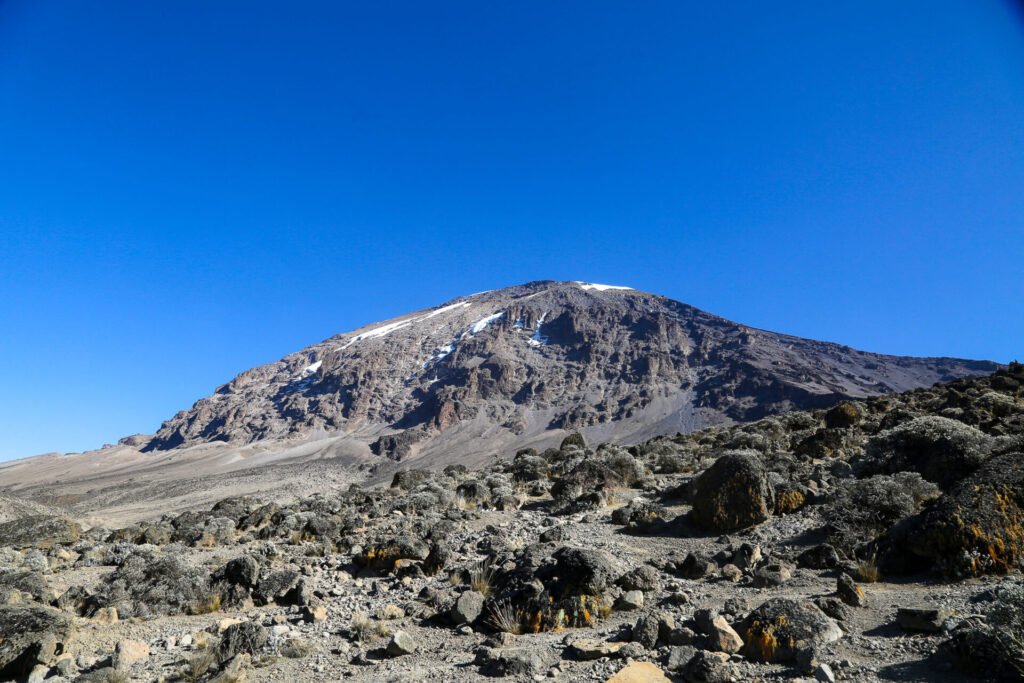
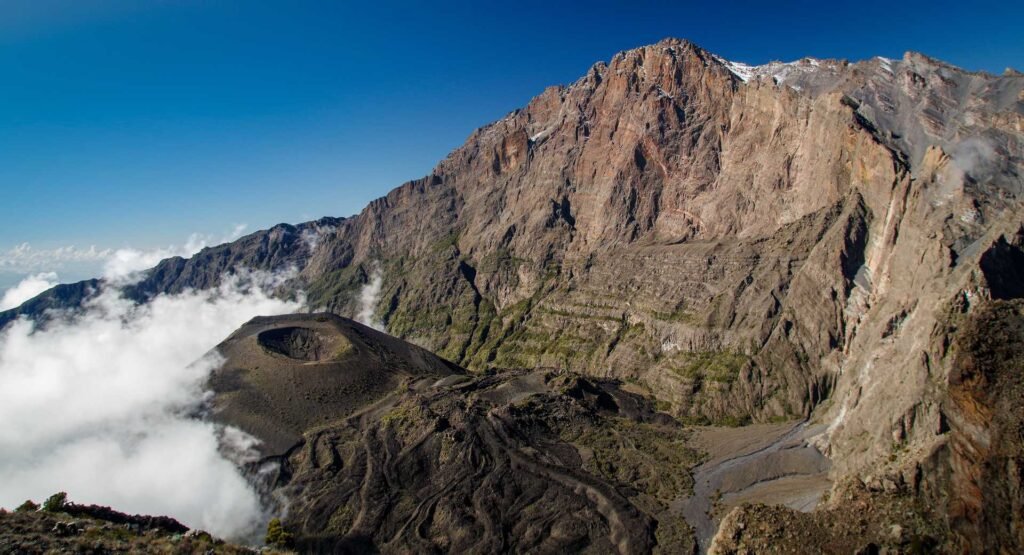
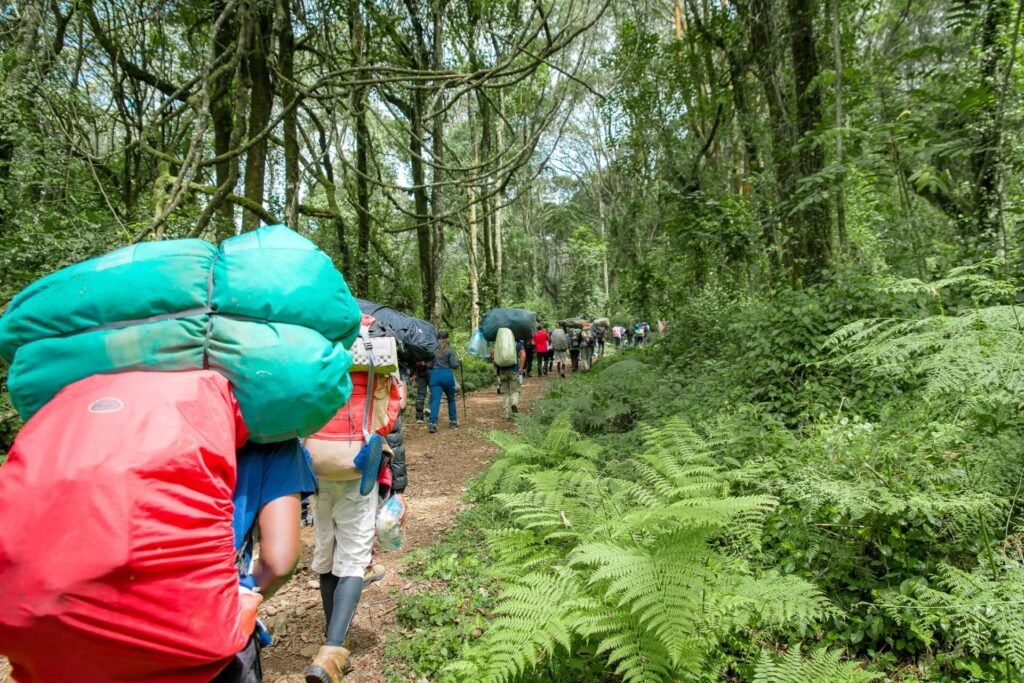
None of the migration viewing locations involve strenuous hiking—safari vehicles do the work. If you're also considering adding a Kilimanjaro climb to your Tanzania itinerary, that's an entirely different physical commitment. Learn more on our Climbing page.
The Serengeti ecosystem supports this migration only because large-scale habitat has been preserved. Choosing operators who prioritize low-impact travel, support anti-poaching programs, and employ local Tanzanian guides directly contributes to that preservation. Tanzania Classic Tours is committed to responsible tourism practices that protect the ecosystem that makes the migration possible.
Consider combining your safari with a beach extension in Zanzibar—a popular and rewarding finale to any Tanzania trip. Or explore all our Tanzania destinations on the Destinations page.
The Great Migration doesn't wait, and neither do the best camps—particularly for July–August travel, where premium spots book out 12–18 months in advance. Whether you're targeting a 2025 departure or planning ahead for 2026–2027, the time to start is now.
For honeymoon travelers, our Tanzania Honeymoon Safari Packages 2026–2027: Complete US Traveler's Guide covers romantic itinerary options perfectly timed around migration peaks.
To learn more about who we are and why travelers from the US, Germany, Italy, Spain, and France trust us with their Tanzania adventures, visit our About Us page—or reach out directly via our Contacts page. Our team is ready to build your custom migration itinerary.
The migration is one of those rare experiences that lives up to every expectation—and then exceeds it. Plan thoughtfully, choose the right season for your goals, and let Tanzania do the rest.