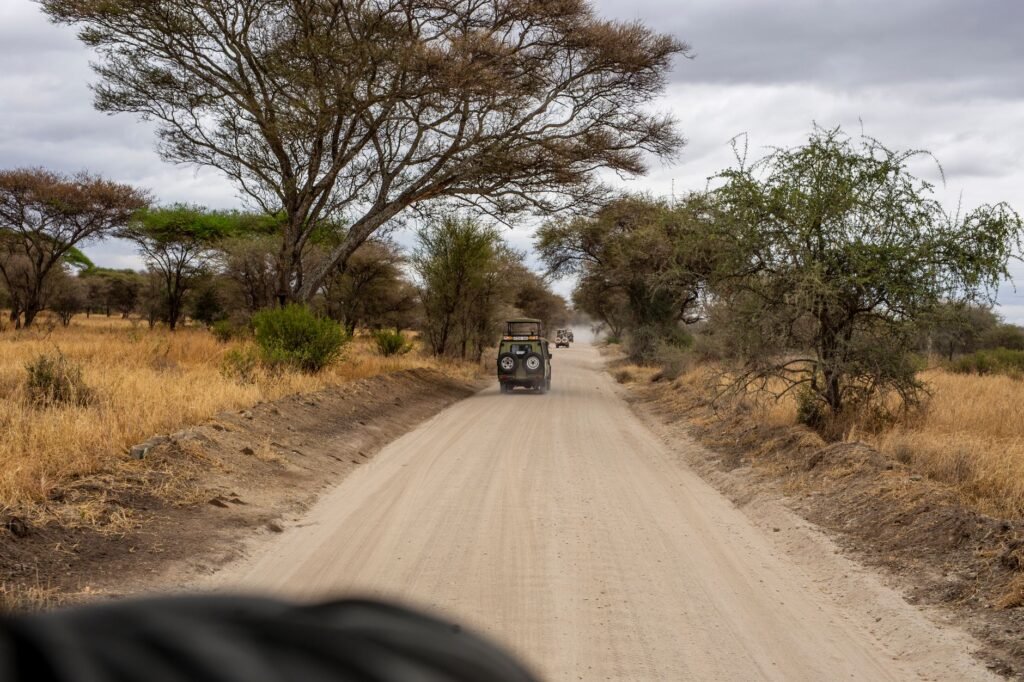
Planning a Tanzania safari from the United States in 2026 or 2027 is an exciting milestone — but the operator you choose will define almost every aspect of your experience, from the quality of your game drives to what happens if your flight is delayed and your safari window shifts. This guide is written specifically for American travelers navigating an overseas booking process, covering the questions that generic safari comparison sites rarely answer.
Most safari operator reviews are written for a general global audience. But American travelers have specific needs:
When you evaluate a Tanzania safari tour operator as a USA traveler, these practical factors should carry as much weight as their wildlife knowledge.
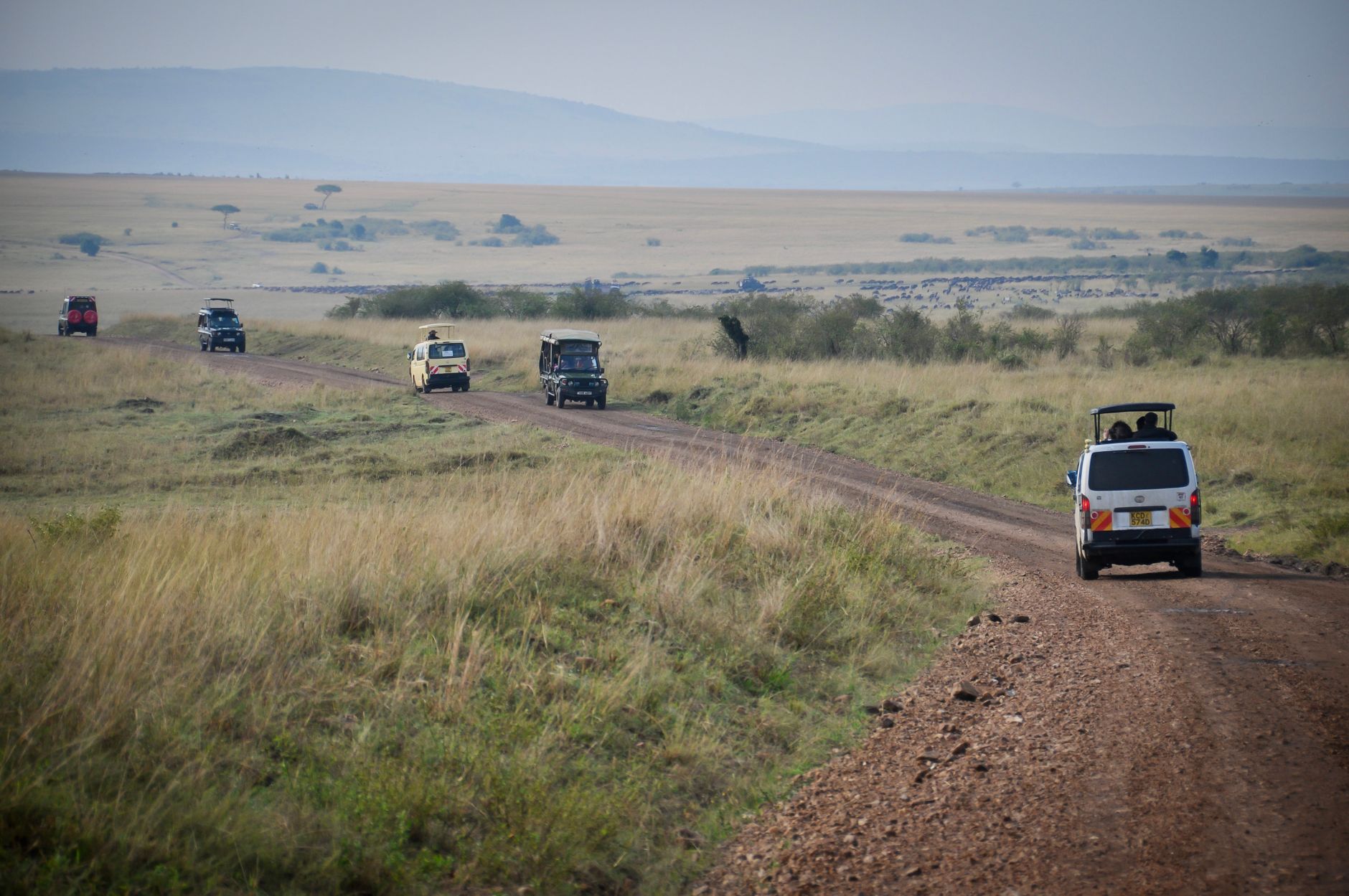
Legitimate Tanzania safari operators must be registered with the Tanzania Tourism Board (TTB) and hold a valid tour operator license issued by the government. Ask any operator for their TTB registration number and verify it independently on the TTB's official portal.
Additional certifications to look for:
🚩 Red flag: Any operator who cannot provide a TTB license number or deflects the question is not worth your money or your safety.
One of the most overlooked criteria — and one of the biggest competitor gaps in published safari guides — is how well an operator communicates with US clients before, during, and after travel.
Questions to ask directly:
Operators that serve a significant US clientele — like Tanzania Classic Tours — build their communication workflows around this reality. Expect a response within 24 hours on weekdays as a baseline; anything slower at the inquiry stage is a warning sign for how they'll perform mid-safari.
Hidden costs are one of the top complaints American travelers report after returning from Tanzania. A quoted price of $3,500 per person can balloon significantly with the following common add-ons:
| Cost Category | Typically Included? | Typical Range |
|---|---|---|
| Park entrance fees | Sometimes | $70–$100/person/day |
| Government conservation levy | Rarely stated upfront | $20–$30/day |
| Ngorongoro Crater fees | Often extra | $200–$300/vehicle |
| Airport transfers | Usually included | — |
| Gratuities/tips for guides | Almost never | $15–$25/guide/day |
| Laundry, mini-bar, Wi-Fi | Rarely included | Variable |
| International flights | Almost never included | $1,200–$2,200 round trip from USA |
Realistic total budget from the USA: For a 7-night mid-range safari (Serengeti + Ngorongoro + Tarangire), expect an all-in cost of $6,000–$10,000 per person, including international flights and tips. Luxury tented camps in the Serengeti push this to $12,000–$20,000+. Budget operators may quote $3,000–$4,500, but the gap is usually in camp quality, guide expertise, and vehicle exclusivity — not price gouging.
For a detailed breakdown of what drives safari pricing in 2026-2027, see our guide on Tanzania Safari Tours 2026-2027: Costs, Best Times & How to Choose.
Budget operators ($150–$300/person/day): Shared group vehicles (sometimes 8+ passengers), basic camping or budget lodges, less experienced guides, limited customization. Can be excellent value for young backpackers; riskier for families or first-time safari-goers.
Mid-range operators ($300–$600/person/day): Semi-private or private vehicles, comfortable lodges or tented camps, TATO-certified guides, some itinerary flexibility. This is the sweet spot for most American travelers.
Luxury operators ($600–$1,500+/person/day): Fully private vehicles, exclusive-use camps, highly personalized service, often with a dedicated in-country contact. Operators like Wilderness Travel operate at this level and are well-regarded in the US market.
US citizens require a visa to enter Tanzania. The Tanzania e-Visa can be obtained online before travel at visa.immigration.go.tz — it costs approximately $50 and should be applied for at least 3–4 weeks before departure.
A competent Tanzania safari tour operator servicing US travelers should:
Tanzania is considered one of Africa's most politically stable safari destinations. The US State Department maintains a Level 1 or Level 2 advisory for mainland Tanzania as of recent years (always check travel.state.gov for current status before booking).
Key safety practices your operator should have in place:
Note: Altitude and health considerations (including malaria prophylaxis) should be discussed with your personal physician before travel — your operator can provide destination information, but medical advice must come from a licensed healthcare provider.
Booking direct with a Tanzania operator:
Booking through a US-based travel agent or Africa specialist:
For most experienced travelers comfortable doing research online, booking directly with a vetted Tanzania operator is the better value. For first-time safari-goers or those booking complex multi-country itineraries, an established US Africa specialist can be worth the premium.
This is one of the most poorly documented areas in safari travel. Standard Tanzania operator cancellation terms typically look like:
These are industry norms, not rules. Always read the specific contract. Push for trip postponement options, especially for 2026-2027 bookings — many operators now offer one free date change as standard following years of post-pandemic booking volatility.
Travel insurance is non-negotiable. For US travelers, policies from providers like World Nomads, Allianz, or IMG Global cover trip cancellation, medical evacuation, and safari-specific interruptions. Confirm your operator will provide the documentation (booking confirmation, invoice, proof of payment) needed for any claim.
For peak season travel (June–October, when the Great Migration is active in the Serengeti), book 9–12 months in advance. Top camps in the northern circuit — particularly around the Mara River crossing zone — sell out 12–18 months ahead.
For shoulder or green season travel (November–May), 4–6 months is generally sufficient, though earlier always gives more lodge options.
For the full month-by-month breakdown of optimal safari timing, see our Great Migration Tanzania 2025–2027: Month-by-Month Guide.
The best Tanzania safari tour operators for US travelers offer genuine itinerary customization — not just a menu of fixed packages. Meaningful customization includes:
Accessibility information is rarely published proactively by safari operators. If you or a traveling companion has mobility considerations, ask directly:
Good operators will answer these questions specifically. Vague reassurances are not sufficient.
Choosing a Tanzania safari tour operator as a US traveler comes down to five non-negotiable criteria:
For travelers ready to explore destinations across Tanzania, the Destinations page at Tanzania Classic Tours provides a useful starting point for understanding the full range of safari circuits available in 2026-2027.
When you're ready to start a conversation, reach out through the Contact Us page — a good operator will respond promptly, answer your hardest questions clearly, and never pressure you into a deposit before you're fully comfortable.
Tanzania's wildlife, landscapes, and culture are extraordinary. The right operator makes the experience seamless. Take the time to vet carefully, and your 2026-2027 safari will be one of the most rewarding trips of your life.